Table of Contents >> Show >> Hide
- What Are Bubble and Squeak Cakes?
- Why This Bubble and Squeak Cakes Recipe Works
- Ingredients for the Best Bubble and Squeak Cakes
- How to Make Bubble and Squeak Cakes
- Tips for Crispy, Flavorful Bubble and Squeak Cakes
- Easy Variations
- What to Serve with Bubble and Squeak Cakes
- How to Store and Reheat
- Common Mistakes to Avoid
- The Experience of Making and Eating Bubble and Squeak Cakes
- Conclusion
- SEO Metadata
If your refrigerator is currently holding a bowl of leftover mashed potatoes, a few cooked vegetables, and a vague sense of guilt, congratulations: dinner has chosen you. This Bubble and Squeak Cakes Recipe turns humble leftovers into crispy, golden cakes with a fluffy center and enough charm to make you feel wildly resourceful. It is the kind of recipe that says, “Yes, I am practical,” while also saying, “Yes, I would absolutely like a fried egg on top.”
Bubble and squeak is a classic British dish traditionally made from cooked potatoes and cabbage fried together in a skillet. In cake form, it becomes even more weeknight-friendly: easy to portion, easy to crisp, and easy to love. For American home cooks, it also has a second superpower: it is one of the smartest ways to use up Thanksgiving leftovers, Sunday roast vegetables, or those odds and ends that are too good to toss but too random to become a proper side dish on their own.
This version keeps the spirit of the classic while making it approachable for a modern kitchen. You get a dependable method, plenty of variations, and enough tips to prevent your cakes from turning into mashed potato chaos. In other words, we are aiming for crispy-edged comfort, not pan-based emotional damage.
What Are Bubble and Squeak Cakes?
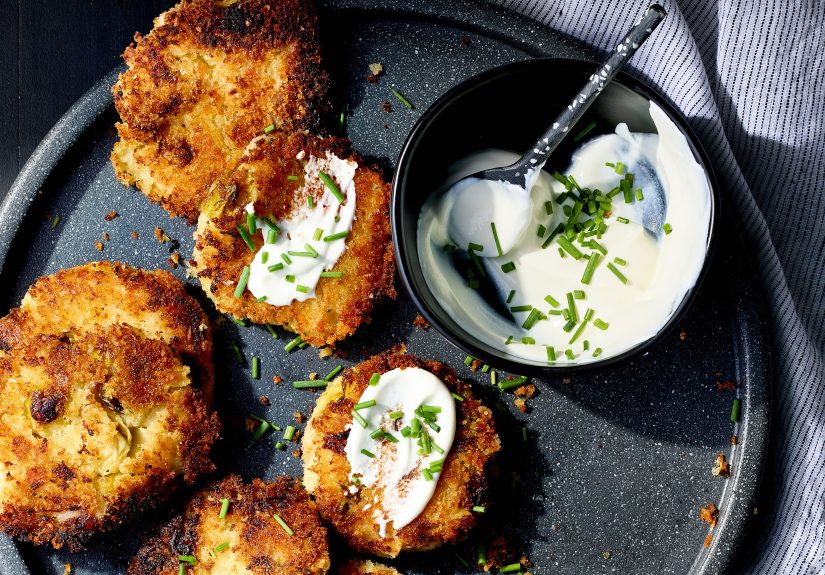
Bubble and squeak cakes are small patties made by combining mashed potatoes with cooked cabbage or other vegetables, shaping the mixture into cakes, and pan-frying them until crisp. Traditional bubble and squeak is often cooked as one large skilletful, but smaller cakes are easier to flip and develop a better crust. That means more crunch, more golden edges, and fewer dramatic moments with a spatula.
The name comes from the sound the mixture makes as it cooks. It is not a glamorous name, but it is a memorable one. The beauty of the dish is that it was born from thrift and flexibility. Leftover potatoes act as the binder, cabbage or Brussels sprouts bring that classic character, and other cooked vegetables can jump in without needing a formal invitation. Carrots, peas, kale, leeks, onions, and even bits of ham or bacon all work beautifully.
That flexibility is exactly why this leftover mashed potato cakes recipe deserves a place in your rotation. It is budget-friendly, satisfying, and surprisingly elegant when plated with sour cream, herbs, or a jammy egg. Leftovers rarely get a glow-up this convincing.
Why This Bubble and Squeak Cakes Recipe Works
Potatoes do the heavy lifting
Cold mashed potatoes are the secret weapon here. They give the cakes structure, help the vegetables stick together, and fry into a crisp exterior while staying tender inside. If your mixture seems loose, a spoonful or two of flour or panko breadcrumbs can help firm things up without changing the flavor much.
Cooked vegetables keep the texture right
Use cooked vegetables, not raw ones, for the best results. Raw cabbage releases too much moisture and can keep the cakes from crisping. Leftover roasted Brussels sprouts, sautéed cabbage, steamed kale, or cooked carrots are all fair game. The key is to chop everything finely so the cakes hold together well.
A hot skillet creates the famous crust
This is not the moment to rush. Once the cakes hit the pan, let them cook long enough to form a proper crust before flipping. If you poke, prod, and fuss too early, the cakes may fall apart. Bubble and squeak rewards patience. Think less “aggressive stir-fry,” more “crispy calm.”
Ingredients for the Best Bubble and Squeak Cakes
This recipe makes about 8 small cakes, enough for 4 servings as a light main or hearty side.
- 2 1/2 cups cold mashed potatoes
- 1 1/2 cups finely chopped cooked cabbage, Brussels sprouts, kale, or a mix
- 1/2 cup finely chopped cooked carrots, peas, or other leftover vegetables
- 1/2 small yellow onion, finely chopped
- 2 tablespoons unsalted butter
- 1 tablespoon olive oil, plus more if needed
- 1/3 cup shredded sharp cheddar cheese (optional, but delicious)
- 2 to 4 tablespoons all-purpose flour or panko breadcrumbs, only if the mixture feels too soft
- 1/2 teaspoon kosher salt, or to taste
- 1/2 teaspoon black pepper
- 1 tablespoon chopped chives or parsley, plus more for serving
- Sour cream, Dijon mustard, or fried eggs for serving
Ingredient notes
If your mashed potatoes are already heavily seasoned or buttery, adjust the salt and butter accordingly. If your leftover vegetables are wet, pat them dry a bit before mixing. If you want a more classic flavor, use cabbage. If you want a holiday-leftover version, Brussels sprouts and roasted carrots are fantastic. If you want a richer, more brunch-worthy take, add cheese and top the finished cakes with eggs.
How to Make Bubble and Squeak Cakes
1. Cook the onion
Heat 1 tablespoon of the butter and the olive oil in a large nonstick or cast-iron skillet over medium heat. Add the chopped onion and cook for 4 to 5 minutes, until soft and lightly golden. Transfer the onion to a large mixing bowl and let it cool for a minute or two.
2. Mix the filling
Add the cold mashed potatoes, chopped cooked vegetables, cheese if using, salt, pepper, and herbs to the bowl. Mix until combined. The texture should be firm enough to shape. If it feels sticky or loose, stir in 1 tablespoon of flour or panko at a time until the mixture holds together. You are aiming for “forms a cake” and not “slow-motion landslide.”
3. Shape the cakes
Divide the mixture into 8 equal portions and shape each into a cake about 3 inches wide and 3/4 inch thick. Place them on a plate or tray. If the mixture is very soft, chill the cakes for 10 to 15 minutes. That brief rest makes them easier to fry and flip.
4. Pan-fry until crisp
Wipe out the skillet if needed, then heat the remaining butter over medium heat. Add the cakes in batches without crowding the pan. Cook for 4 to 5 minutes per side, or until each cake is deeply golden and crisp. Resist flipping too early. The crust needs time to set. Add a little more oil or butter between batches if the pan looks dry.
5. Serve hot
Transfer the finished cakes to a paper towel-lined plate for a minute, then serve warm. Top with chopped chives, a spoonful of sour cream, a dab of mustard, or a fried or poached egg. If you are feeling especially dramatic, serve them with bacon and call it brunch.
Tips for Crispy, Flavorful Bubble and Squeak Cakes
Use cold leftovers
Freshly made mashed potatoes are usually too soft. Chilled leftovers are sturdier and easier to shape. This is one of the rare recipes where yesterday’s food truly has main-character energy.
Chop vegetables small
Big chunks make flipping harder. Finely chopped vegetables distribute more evenly and help the cakes stay intact.
Do not overload the pan
Too many cakes at once lower the heat and create steaming instead of browning. Steam is fine for dumplings. It is not the vibe for crispy potato cakes.
Keep the potato ratio high
For the best structure, potatoes should make up most of the mixture. A generous potato base keeps the cakes tender while still letting the vegetables shine.
Season confidently
Potatoes need seasoning. Taste the mixture before shaping if your leftovers are safe to sample, and add more salt, pepper, or herbs if needed. A tiny bit of Dijon, smoked paprika, or garlic powder can also deepen the flavor without making the cakes taste fussy.
Easy Variations
Thanksgiving leftover bubble and squeak cakes
Use leftover mashed potatoes, Brussels sprouts, roasted carrots, and a little shredded cheddar. Serve with cranberry sauce and a dollop of sour cream for a holiday remix that tastes far more intentional than it has any right to.
Breakfast bubble and squeak cakes
Top each cake with a fried egg and a few slices of crisp bacon. Suddenly this frugal British classic is giving upscale brunch energy.
Cheesy bubble and squeak cakes
Fold in cheddar, Gouda, or Swiss for a richer center. A little cheese goes a long way, so do not turn the mixture into a dairy avalanche.
Ham and cabbage potato cakes
Add a small handful of finely chopped cooked ham for a saltier, heartier version. This is especially good if you are using plain mashed potatoes and want a bit more savory punch.
What to Serve with Bubble and Squeak Cakes
These British potato cakes are wonderfully flexible. Serve them as a side dish with roast chicken, sausages, or pork chops. Turn them into lunch with a simple green salad and mustard vinaigrette. Or lean fully into their comfort-food destiny and serve them with eggs, bacon, and hot coffee for brunch.
They also pair well with sour cream, Greek yogurt, English mustard, onion gravy, or a spoonful of chutney. If you like contrast, something tangy on top balances the richness beautifully. If you like drama, a runny egg yolk does the same thing while looking far more impressive on a plate.
How to Store and Reheat
Store leftover cakes in an airtight container in the refrigerator for up to 3 days. To reheat, warm them in a skillet with a little oil over medium heat until crisp again. You can also use an air fryer for a few minutes. The microwave works in an emergency, but it softens the crust, and that crust worked hard for you.
You can freeze shaped, uncooked cakes on a tray, then transfer them to a freezer-safe bag once firm. Cook from thawed for the best texture. This makes the recipe even more practical, which is impressive for a dish with a name that sounds like it belongs in a children’s book.
Common Mistakes to Avoid
- Using wet vegetables: Excess moisture keeps the cakes from crisping.
- Skipping the chill time: A short rest helps soft mixtures hold together.
- Flipping too early: Wait until the bottom is properly browned.
- Under-seasoning: Potatoes love salt, pepper, and herbs.
- Making the cakes too large: Smaller cakes are easier to handle and cook more evenly.
The Experience of Making and Eating Bubble and Squeak Cakes
There is something oddly satisfying about a recipe that begins with leftovers and ends with applause from the table. Bubble and squeak cakes have that magic. They take foods that already had their big moment, usually as side dishes, and give them a second act that is somehow even more charming. Mashed potatoes, yesterday’s cabbage, a few lonely carrots, maybe some Brussels sprouts that narrowly escaped being forgotten in the back of the fridgenone of these ingredients sound glamorous on paper. But once they are mixed together, shaped into cakes, and fried until crisp, they feel transformed.
The experience starts with the bowl. You scoop in cold mashed potatoes, add chopped vegetables, and suddenly the whole thing feels less like “leftover management” and more like a clever kitchen move. The mixture is soft, speckled with color, and full of possibility. It smells comforting before it even hits the pan. The onion adds sweetness, the herbs wake everything up, and if you toss in a little cheese, the mood shifts from practical to slightly indulgent.
Then comes the skillet moment, which is where the recipe earns its wonderfully noisy name. As the cakes meet the hot butter and oil, you get that cheerful sizzle that promises good things are coming. The first side browns slowly, and the kitchen starts to smell like a cross between brunch and victory. This is the part where patience matters. You watch the edges deepen in color, the bottoms crisp, and the cakes begin to feel sturdy enough to flip. It is not a dramatic recipe, but it has suspense. Will the crust be golden? Will the center stay creamy? Will you eat one standing at the stove before anyone else even sits down? Quite possibly.
When you finally bite into one, the contrast is the best part. The outside is crisp and deeply savory, while the inside stays soft, warm, and full of comforting potato richness. The cabbage or Brussels sprouts add a gentle sweetness and a little texture. Carrots bring color. Peas add tiny pops. A fried egg on top turns the whole thing into a rich, satisfying meal, especially when the yolk runs into all those crisp edges like it was born to do exactly that.
There is also an emotional appeal to this kind of cooking. Bubble and squeak cakes feel thrifty in the best possible way. They are not about cutting corners; they are about seeing potential. They reward the kind of cook who hates wasting food and loves recipes that feel flexible rather than rigid. You do not need perfect ingredients or a precious technique. You just need good leftovers, decent seasoning, and enough patience to let the skillet do its thing.
That is probably why these cakes feel so at home in so many situations. They can be the cozy Monday dinner after a big Sunday meal. They can be the smartest thing you do with Thanksgiving leftovers. They can be a lazy Saturday brunch with coffee, eggs, and zero regrets. They can even be the emergency dinner you pull together when the refrigerator looks unpromising and takeout feels boring. Somehow, they always land in that sweet spot between practical and deeply comforting.
And maybe that is the real appeal of a great Bubble and Squeak Cakes Recipe: it proves that comfort food does not have to be complicated to feel special. Sometimes the best meals are the ones that crackle in the pan, rescue the leftovers, and make you feel like the most resourceful person in the kitchen. Not bad for a dish with a name that sounds like a cartoon sound effect.
Conclusion
If you want a recipe that is economical, crisp, comforting, and highly customizable, bubble and squeak cakes deserve a spot in your meal plan. They are simple enough for a weekday, tasty enough for brunch, and flexible enough to adapt to whatever cooked vegetables you have on hand. Whether you make them with cabbage, Brussels sprouts, carrots, or ham, the result is the same: golden, savory cakes that make leftovers feel like a brilliant idea.
So the next time you have extra mashed potatoes sitting around, skip the sad reheated scoop and make something with a little personality. Your leftovers have waited long enough.