Table of Contents >> Show >> Hide
- What Is Butter Coffee?
- Classic Butter Coffee Recipe
- Easy Butter Coffee Variations
- Potential Benefits of Butter Coffee
- Risks and Downsides of Butter Coffee
- Who Should Avoid or Limit Butter Coffee?
- How to Make Butter Coffee Healthier
- Butter Coffee vs. Regular Coffee
- Common Mistakes When Making Butter Coffee
- Practical Experiences With Butter Coffee
- Conclusion: Is Butter Coffee Worth Trying?
- SEO Tags
Butter coffee sounds like something invented by a sleepy person who opened the fridge before their brain fully loaded. Yet this creamy, high-fat coffee drink has become a popular morning ritual among keto followers, intermittent fasters, low-carb eaters, and anyone who believes regular coffee needs a tiny sweater made of butter.
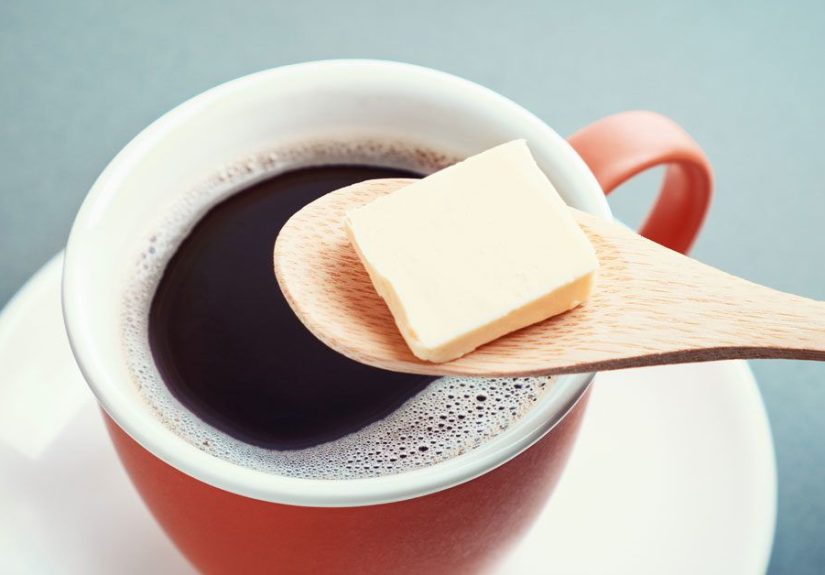
At its simplest, butter coffee is hot coffee blended with butter, ghee, MCT oil, coconut oil, or a combination of these fats. The result is rich, foamy, and closer to a latte than a plain cup of coffee. Fans say it helps them feel full, focused, and energized. Critics point out that it can also deliver a surprising amount of saturated fat and calories before breakfast has even had a chance to introduce itself.
So, is butter coffee a clever breakfast upgrade or just a delicious way to turn your mug into a tiny dairy-powered engine? The truth is somewhere in the middle. This guide breaks down the butter coffee recipe, possible benefits, real risks, smarter variations, and practical experience-based tips for enjoying it without pretending it has magical powers.
What Is Butter Coffee?
Butter coffee is coffee blended with fat, usually unsalted butter and MCT oil. It became especially popular through the “bulletproof coffee” trend, but similar drinks have existed in different forms for a long time. In some cultures, tea or coffee with butter, cream, or animal fat has been used as a high-energy drink in cold climates or physically demanding lifestyles.
Modern butter coffee is usually marketed as a low-carb, high-fat drink. It is often used by people following a ketogenic diet because it contains very little carbohydrate and a lot of fat. The basic idea is that the caffeine gives you alertness, while the fat slows digestion and may help you feel full for longer.
But here is the important part: butter coffee is not a complete meal. It contains fat and caffeine, but it usually lacks protein, fiber, vitamins, minerals, and the satisfying crunch of something that actually requires chewing. That does not make it “bad,” but it does mean it should be used thoughtfully.
Classic Butter Coffee Recipe
This simple butter coffee recipe makes one creamy serving. Start small if you are new to it. Your digestive system deserves a polite introduction, not a surprise butter parade.
Ingredients
- 1 cup hot brewed coffee, about 8 to 12 ounces
- 1 teaspoon to 1 tablespoon unsalted butter or ghee
- 1 teaspoon to 1 tablespoon MCT oil or coconut oil, optional
- Pinch of cinnamon, optional
- Dash of vanilla extract, optional
- Small pinch of salt, optional
Instructions
- Brew your coffee using your preferred method. Drip coffee, pour-over, espresso diluted with hot water, or French press can all work.
- Add the hot coffee, butter, and MCT oil to a blender.
- Blend for 20 to 30 seconds until the drink looks creamy and lightly foamy.
- Pour into a mug and add cinnamon or vanilla if desired.
- Drink while warm, preferably while making responsible life choices.
Safety tip: Do not shake hot coffee in a sealed jar or bottle. Hot liquid creates pressure, and your kitchen does not need a buttery coffee volcano. Use a vented blender, milk frother, or immersion blender instead.
Easy Butter Coffee Variations
The classic version is rich, but not everyone wants a mug that feels like breakfast wearing a tuxedo. These variations can make butter coffee lighter, more flavorful, or easier to fit into your routine.
Light Butter Coffee
Use 1 teaspoon of butter and skip the MCT oil. This version keeps the creamy texture but reduces calories and saturated fat. It is a good starting point for beginners.
Keto-Style Butter Coffee
Use 1 tablespoon butter or ghee and 1 tablespoon MCT oil. This is the traditional high-fat version. It may work for some keto eaters, but it is also the version most likely to become calorie-heavy.
Cinnamon Vanilla Butter Coffee
Add cinnamon and a tiny splash of vanilla extract before blending. This gives the drink a dessert-like flavor without adding sugar.
Protein Butter Coffee
Add a small amount of unflavored or vanilla protein powder after the coffee has cooled slightly. This makes the drink more balanced, though it may change the texture. Do not add protein powder to boiling-hot coffee unless you enjoy clumps with commitment issues.
Dairy-Free Butter Coffee
Use coconut oil or MCT oil instead of butter. This creates a similar creamy mouthfeel, though it will not have the same buttery flavor.
Potential Benefits of Butter Coffee
Butter coffee has a loyal fan club, but the benefits are often exaggerated online. It is not a miracle drink. It will not organize your inbox, fix your sleep schedule, or turn Monday into a legally recognized weekend. Still, it may offer a few practical advantages for certain people.
1. It May Help You Feel Full
Fat slows digestion, and that can make a drink feel more satisfying than black coffee alone. Many people who drink butter coffee say they feel less hungry for a few hours. This may be useful for someone who does not enjoy eating early in the morning or who needs a small, rich drink before a busy schedule.
However, fullness is not the same as complete nutrition. A drink made mostly of fat does not provide the same nutrient variety as eggs with vegetables, Greek yogurt with berries, oatmeal with nuts, or avocado toast with protein. Butter coffee can delay hunger, but it should not constantly replace balanced meals.
2. It Fits Low-Carb and Keto Diets
Because butter coffee is very low in carbohydrates, it fits easily into many low-carb or ketogenic eating plans. MCT oil is also popular in keto communities because medium-chain triglycerides are absorbed differently from longer-chain fats and can be used quickly for energy.
That said, “keto-friendly” does not automatically mean “healthy for everyone.” A low-carb diet can be helpful for some people when planned carefully, but it can also become unbalanced if it crowds out fiber-rich foods, fruits, vegetables, legumes, and whole grains. Butter coffee should be treated as one tool, not the entire toolbox.
3. It Can Replace Sugary Coffee Drinks
If your usual morning drink is a giant sweetened latte with whipped cream, flavored syrup, and enough sugar to make a donut blush, a small butter coffee may reduce added sugar. It offers creaminess without relying on sweeteners.
This is one of the more practical benefits. Many people do not want black coffee, but they also do not want a dessert pretending to be breakfast. Butter coffee can provide richness while keeping added sugar low.
4. It May Provide Steady Energy for Some People
Coffee naturally contains caffeine, which can improve alertness and concentration in the short term. Adding fat may make the drink feel more substantial, and some people report a smoother energy experience compared with drinking coffee on an empty stomach.
Still, the “steady energy” effect varies widely. Some people feel focused. Others feel overly full, jittery, or mildly regretful. Your response depends on caffeine tolerance, fat digestion, sleep quality, meal timing, and how much butter you add.
5. It Tastes Rich and Satisfying
Not every food choice needs a scientific drumroll. Sometimes people drink butter coffee because it tastes good. Blending butter into coffee creates a creamy, silky texture similar to a latte. Add cinnamon, and suddenly your kitchen feels like a small café with fewer strangers using the Wi-Fi.
Risks and Downsides of Butter Coffee
Butter coffee can be enjoyable, but it has real downsides. The biggest concerns are saturated fat, calories, missing nutrients, digestive discomfort, and caffeine sensitivity.
1. It Can Be High in Saturated Fat
Butter is high in saturated fat. A small amount can fit into many eating patterns, but large daily servings may push saturated fat intake above recommended limits. Diets high in saturated fat can raise LDL cholesterol in some people, especially when saturated fats replace healthier unsaturated fats from foods such as olive oil, nuts, seeds, and fatty fish.
This matters because a classic butter coffee may contain one or two tablespoons of butter, plus MCT oil or coconut oil. That can turn a simple cup of coffee into a high-fat drink before you have eaten any actual food.
2. It Adds Calories Quickly
Black coffee is naturally very low in calories. Butter and oil are not. Add one tablespoon of butter and one tablespoon of oil, and your drink can easily move into snack or small-meal territory. Add extra cream, protein powder, or sweeteners, and it can become even more calorie-dense.
Calories are not evil. Your body needs energy. But liquid calories are easy to overlook. If butter coffee is added on top of your normal breakfast rather than replacing something else, it may contribute to unwanted weight gain over time.
3. It Is Not a Balanced Breakfast
A well-rounded breakfast usually includes protein, fiber, and micronutrients. Butter coffee mostly provides fat and caffeine. That may keep you full temporarily, but it does not offer much vitamin C, potassium, magnesium, iron, or fiber.
For a better morning routine, pair butter coffee with nutrient-dense foods later in the morning. Good options include eggs with vegetables, cottage cheese with fruit, oatmeal with chia seeds, tofu scramble, or whole-grain toast with nut butter.
4. It May Cause Digestive Issues
MCT oil and large amounts of fat can cause stomach discomfort, bloating, urgency, or diarrhea, especially when introduced too quickly. This is not the glamorous side of wellness culture, but it is the honest one. Your gut may not appreciate going from zero to turbo-fat at 7:00 a.m.
Start with 1 teaspoon of added fat and increase gradually only if your body handles it well. If your stomach complains loudly, listen.
5. It Can Be Too Much Caffeine for Sensitive People
The coffee part still matters. Too much caffeine can cause jitters, insomnia, fast heartbeat, anxiety, headaches, and stomach upset in sensitive people. If you already drink several cups of coffee a day, butter coffee does not cancel the caffeine. It simply makes the caffeine wear a buttery jacket.
People who are pregnant, managing heart rhythm issues, dealing with anxiety, taking certain medications, or sensitive to caffeine should be especially cautious and ask a qualified health professional for personalized guidance.
Who Should Avoid or Limit Butter Coffee?
Butter coffee is not ideal for everyone. You may want to limit it or skip it if you have high LDL cholesterol, a history of heart disease, gallbladder problems, chronic digestive issues, or a medical condition that requires regular meals. People with diabetes should also be cautious about replacing balanced meals with high-fat coffee, especially if meal timing affects blood sugar management.
It is also not a smart daily breakfast for children or teens. Growing bodies need nutrient-dense meals, not coffee blended with butter. Adults should also avoid using butter coffee as a long-term excuse to skip fruits, vegetables, protein, and fiber.
How to Make Butter Coffee Healthier
You do not have to treat butter coffee like an all-or-nothing lifestyle badge. A smarter version can keep the flavor while reducing the downsides.
Use Less Butter
Start with 1 teaspoon instead of 1 tablespoon. You still get creaminess, but with less saturated fat and fewer calories.
Skip the Double-Fat Formula
You do not need butter and MCT oil every time. Choose one fat source, especially if you are drinking it regularly.
Add Flavor Without Sugar
Cinnamon, nutmeg, vanilla extract, or a tiny pinch of cocoa powder can make butter coffee taste special without turning it into dessert.
Pair It With Real Food
If you use butter coffee as breakfast, consider eating a balanced meal later. Prioritize protein, fiber, and colorful plants. Your body enjoys coffee, but it also enjoys not being nutritionally ghosted.
Choose Filtered Coffee More Often
Filtered coffee may be a better everyday option for people watching cholesterol because paper filters help remove some compounds found in unfiltered coffee. French press and Turkish-style coffee can be delicious, but they may not be the best daily choice for everyone with cholesterol concerns.
Butter Coffee vs. Regular Coffee
Regular black coffee is simple, low-calorie, and rich in naturally occurring plant compounds. Butter coffee is richer, heavier, and more filling. Neither is automatically superior; they serve different purposes.
If you want hydration, alertness, and a light morning drink, black coffee wins. If you want something creamy and filling that fits a low-carb routine, butter coffee may be useful. If you want a balanced breakfast, neither one should stand alone forever. Coffee is a beverage, not a personality, and definitely not a full food group.
Common Mistakes When Making Butter Coffee
Using Too Much Fat Too Soon
Many beginners copy extreme recipes with multiple tablespoons of butter and oil. Start smaller. Your taste buds may be adventurous, but your digestive system may prefer paperwork first.
Not Blending It Properly
Stirring butter into coffee leaves oil floating on top. Blending creates the creamy texture people actually enjoy.
Adding Sugar and Calling It Healthy
Butter coffee with sugar, syrup, whipped cream, and chocolate drizzle is not the same drink. It may taste amazing, but at that point it has entered milkshake diplomacy.
Using It to Replace Every Breakfast
Occasional use is different from relying on butter coffee every morning while ignoring protein and fiber. Balance matters.
Practical Experiences With Butter Coffee
From a real-life routine perspective, butter coffee is one of those drinks that sounds strange until you try it. The first sip can be surprising: creamy, round, and almost dessert-like, especially when blended well. It does not taste like dropping a chunk of butter into coffee, assuming you actually blend it. When made correctly, it tastes closer to a rich latte with a slightly savory finish.
The biggest lesson from experimenting with butter coffee is that the amount of fat matters more than the concept itself. A teaspoon of butter can make coffee smooth and satisfying. A full tablespoon of butter plus a tablespoon of MCT oil can feel like drinking a small meal. Some people love that. Others feel heavy, sluggish, or uncomfortable. The best version is usually the one your body can handle without drama.
Another useful experience is timing. Butter coffee works better for some people on slow mornings, low-carb days, or days when breakfast will happen a little later. It is less ideal before intense exercise, a long commute without bathroom access, or a day when your stomach is already acting like it has opinions. MCT oil, in particular, should be treated with respect. Start with a teaspoon, not a heroic pour.
Flavor also makes a big difference. Cinnamon is the easiest upgrade because it adds warmth without sugar. Vanilla extract adds a bakery-style aroma. A tiny pinch of salt can make the butter taste richer, but too much salt turns the drink into soup’s weird cousin. If you miss sweetness, try reducing sugar gradually instead of replacing a sweet latte with a completely unsweetened butter coffee overnight.
One practical trick is to use a handheld milk frother for a lighter version. It will not emulsify as strongly as a blender, but it works well with small amounts of butter. For larger amounts of fat, a blender gives the smoothest result. Always be careful with hot liquids, and never seal hot coffee tightly in a shaker.
Butter coffee is also best viewed as an occasional comfort drink rather than a required wellness ritual. You do not need it to be productive. You do not need it to “unlock” your brain. Some mornings, black coffee and a balanced breakfast are the better team. Other mornings, a small creamy butter coffee may be exactly what you want. The winning strategy is flexibility, not coffee-based dogma.
For people who enjoy it, the most sustainable approach is moderation: use a small amount of butter, skip extra oil unless it truly helps, and pay attention to cholesterol, digestion, sleep, and overall diet quality. If butter coffee makes you feel good and fits your health goals, enjoy it. If it makes your stomach stage a protest, there is no shame in returning to regular coffee. Your mug will understand.
Conclusion: Is Butter Coffee Worth Trying?
Butter coffee can be a creamy, satisfying drink that fits certain low-carb routines and may help some people feel full for a while. It can also be an enjoyable alternative to sugary coffee drinks when made with modest amounts of fat.
But it is not a magic breakfast, weight-loss shortcut, or guaranteed brain booster. Its biggest risks come from saturated fat, extra calories, caffeine sensitivity, and the habit of using it to replace nutrient-rich meals. The healthiest way to enjoy butter coffee is to keep portions reasonable, blend it properly, avoid turning it into a daily butter festival, and make sure the rest of your diet includes protein, fiber, fruits, vegetables, and healthy unsaturated fats.
In other words: butter coffee can be part of your morning routine, but it should not be the mayor of your entire diet.