Table of Contents >> Show >> Hide
- The “Is It Cake?” Candle Era (and Why It’s Everywhere)
- Why a Culinary Teacher Makes a Weirdly Great Candle Maker
- The Build: How Realistic Food Candles Get Their “Edible” Look
- The Smell: Turning “Notes” Into “Nostalgia”
- Safety: Because Nobody Wants a Candle That Acts Like a Deep Fryer
- From Classroom to Craft Table: Teaching Moments That Carry Over
- Making It Giftable (and Sellable): The Details People Don’t Think About
- Conclusion: A Delicious Illusion With Real-World Craft
- After-Hours Notes From the Candle Kitchen (Experience Add-On)
In a professional kitchen, you learn two sacred truths: (1) temperature is everything, and (2) if you don’t label it,
someone will definitely “taste test” it. Now imagine taking that same disciplineprecision, mise en place, sensory
obsessionand applying it to something you absolutely should not eat: candles that look like pie slices, iced lattes,
lemon tarts, and bowls of cereal.
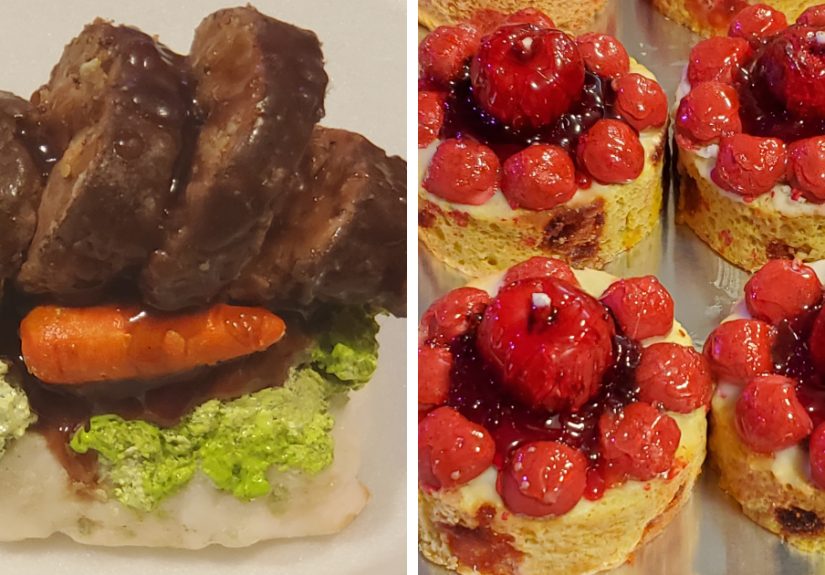
Food-shaped candles aren’t new, but lately they’ve leveled up from “cute novelty” to “wait… is that an actual croissant?”
Thanks to better molds, more accessible supplies, and a social-media-fueled appetite for trompe l’oeil decor, today’s
realistic food candles can be visually convincing and fragranced so accurately that your brain starts negotiating snacks
you didn’t plan to have. The twist? Many of the best makers approach candle-making like cooking: with recipes, testing,
notes, and repeatable techniquenot vibes.
The “Is It Cake?” Candle Era (and Why It’s Everywhere)
Food-themed decor has always been a conversation starter, but realistic food candles have become a full-blown
categoryhyperrealistic cakes, fried chicken, baguettes, cocktails, and moreshowing up in lifestyle roundups and trend
coverage. What’s changed is the craftsmanship: cleaner detailing, better “crumb” textures, glossier “glazes,” and scent
profiles that go beyond generic sugar-bomb vanilla into layered bakery, citrus, coffee, and spice notes.
The appeal is obvious: a food candle is functional (it’s still a candle), playful (it looks edible), and instantly
giftable (it photographs like a dream). It’s also a little bit mischievousbecause your guests will 100% ask,
“Where did you get that?” and you’ll get to answer, “My ‘dessert’ is… wax.”
Why a Culinary Teacher Makes a Weirdly Great Candle Maker
Teaching culinary arts trains you to think in systems: ingredients, ratios, timing, technique, and safety. Candle-making
rewards the same mindset. When you’re building a candle that looks and smells like food, you’re essentially doing two
jobs at once: designing an illusion and engineering a stable burn.
1) Mise en place isn’t optional
In class, you preach: measure first, prep first, then cook. At home, candle-making works the same way. You stage your
wax, dyes, wicks, containers, thermometer, scale, and fragrance oils before you melt anythingbecause once wax is hot,
it’s not the time to go hunting for a spoon like it’s a lost sock.
2) Temperature control feels familiar
Candy-making, chocolate work, and sauces teach you to respect heat. Wax is the same: add fragrance too hot and it can
flash off; pour too cool and you might get rough tops; pour too hot and you can warp details or create sinkholes.
The “chef brain” that tracks degrees and textures is a superpower here.
3) Sensory training transfers directly
Culinary students learn to identify aroma notescitrus top notes, warm spice, buttery bases. Candle scent design uses
a similar concept: balancing bright notes (like lemon zest) with warm anchors (like vanilla, crust, or browned sugar)
so the scent reads as “real food,” not “bathroom cupcake.”
The Build: How Realistic Food Candles Get Their “Edible” Look
Realism in food candles comes down to three things: form, texture, and color variation. Real food is rarely flat or
single-tone. Your candle shouldn’t be either.
Choose the right wax “base” like you’d choose the right dough
Candle makers commonly use soy wax, paraffin, beeswax, or blendseach with different strengths. Some waxes hold detail
better; some perform differently for scent throw; some are easier for beginners to work with. Think of it like flour:
you don’t use the same one for baguettes and cakes, and you don’t use the same wax for crisp molded berries and a smooth
container “custard.”
- Container candles (like “latte in a glass”) often use container waxes designed for adhesion and smooth tops.
- Molded pieces (like cookies, fruit slices, or “wafers”) use waxes that release well from molds and hold crisp edges.
- Textured toppings (like whipped “frosting”) use techniques that trap air and create structure.
Embeds and molds: building the “garnish tray” in wax
Wax embeds are the candle equivalent of plated componentsberries, sprinkles, crust pieces, chocolate curls, ice cubes.
Makers often create these in silicone molds, then assemble them on top or suspend them in clear wax for drink-style
candles. The trick is restraint: too many embeds can interfere with burn performance, and anything flammable or
non-candle-safe can turn “cute” into “call the fire department.”
A practical rule: if it isn’t designed for candles (wax embeds, candle-safe dyes, candle-safe fragrance), it doesn’t
belong in a candle. Real cinnamon sticks, dried fruit, paper sprinklesthose are decorations for a shelf, not fuel for
an open flame.
Whipped wax: the frosting effect that makes people do a double-take
Whipped wax is where dessert candles go from “nice” to “stop it, that’s buttercream.” By whipping partially cooled wax,
you incorporate air and create a pipeable texture that mimics whipped cream, frosting, mousse, or even “cereal milk foam.”
Once you can pipe wax, you can build cupcakes, sundaes, and layered parfait illusions with startling realism.
Color and texture: crumbs, crusts, caramel drizzles
Food realism depends on controlled imperfection. A “cookie” candle that’s perfectly uniform looks fake. A cookie with
toasted edges, darker “chips,” and subtle speckling looks convincing. Makers achieve this with layered pours, small
batches tinted slightly differently, and texture trickslike shaving or crumbling cooled wax to mimic streusel.
Example builds that consistently wow:
- Iced latte candle: tan “coffee” base, opaque “milk” layer, wax “ice cubes,” whipped wax topping, and a cinnamon-roll fragrance profile.
- Lemon tart candle: pale yellow “curd,” toasted-brown “crust” embed, glossy top finish, lemon zest + vanilla shortbread scent blend.
- Birthday cake jar candle: creamy base, piped “frosting,” wax “sprinkles,” and a balanced cake scent that doesn’t scream artificial.
The Smell: Turning “Notes” Into “Nostalgia”
A food candle succeeds when it smells like a memory: walking into a bakery, opening a vanilla jar, peeling citrus, or
brewing coffee on a cold morning. That effect is designed, not accidental.
Fragrance oils vs. essential oils (and why “natural” isn’t always simpler)
Many makers use fragrance oils formulated for candles because they’re built for performance in wax and can deliver
recognizable “food” accords (like pie crust, butter, or marshmallow) that essential oils can’t easily replicate.
Essential oils can be used, but they vary widely in strength, safety guidance, and behavior in heat. Either way,
the non-negotiable is using scents intended for candles and following usage guidance.
How much fragrance is enough (without turning your candle into a science fair volcano)
More fragrance doesn’t automatically mean a better candle. Too much fragrance can cause sweating, weak burn performance,
or excess soot. Many makers start around a moderate fragrance load (often around 6% as a practical starting point),
then adjust through burn testing to find the sweet spot for both hot throw and clean burning.
If you want your “blueberry muffin” candle to smell amazing, do it the disciplined way: weigh everything, record the
percentage, test one variable at a time, and keep notes. That’s not being fussythat’s being professional.
Blend like a chef: build the aroma structure
Chefs balance acid, fat, salt, and sweetness. Candle makers balance top, middle, and base notes:
- Top notes: citrus zest, mint, bright berrieswhat you smell first.
- Middle notes: baked goods, spices, coffee, creamy elementswhat makes it “the thing.”
- Base notes: vanilla, caramel, woods, muskwhat lingers and rounds everything out.
A convincing “fresh bread” candle might use a warm yeast/baked note supported by butter and a tiny hint of saltiness.
A realistic “strawberry shortcake” candle might pair fresh fruit brightness with a soft vanilla base and a subtle
toasted crumb note so it reads as dessert, not candy.
Safety: Because Nobody Wants a Candle That Acts Like a Deep Fryer
Realistic food candles are delightfuluntil someone treats them like real food. The more edible they look, the more you
need to design and communicate safe use. Candle safety isn’t a footnote; it’s the foundation.
Wick choice and wick trimming matter more than people think
Wick selection affects flame height, melt pool, soot, and how safely the candle burns. A wick that’s too large can create
an oversized flame and excessive heat; too small and the candle can tunnel. Many safety guidelines also emphasize
trimming wicks to about 1/4 inch before each burn to reduce smoking and improve performance.
Burn testing: the “serving test” of candle making
In culinary class, you taste and adjust. In candle-making, you burn test and adjust. A basic burn test checks:
- Melt pool: does it reach the edges without overheating?
- Flame behavior: is it steady or flickering/smoking?
- Container temperature: does it stay within reasonable limits?
- Soot and residue: is there heavy buildup that signals wicking or fragrance issues?
Testing becomes even more important with dessert candles that include textured tops or embeds, because anything that
changes airflow or fuel can change burn behavior.
Containers and “cute” decorations can become hazards
Candle safety isn’t only about the wax. Containers can crack, decorations can ignite, and a candle placed near
flammables can start a fire quickly. U.S. safety agencies and fire organizations have documented the risks associated
with improper candle use, and voluntary standards exist to address candle and accessory hazards.
Practical safety rules that belong on every label:
- Never leave a burning candle unattended.
- Keep candles away from anything that can catch fire (curtains, books, bedding).
- Place on a stable, heat-resistant surface and keep away from drafts.
- Keep out of reach of children and pets.
- Trim the wick before each burn and remove debris from the wax pool.
Fun fact that’s not fun: candle fires happen every day
Fire safety data in the U.S. shows candles remain a real source of home fires, and fire prevention organizations
repeatedly emphasize safe placement, supervision, and wick care. In other words: your candle can be adorable and still
needs adult supervisionjust like a soufflé.
From Classroom to Craft Table: Teaching Moments That Carry Over
If you teach culinary arts, you’re already used to coaching beginners through heat, timing, and “please don’t do that”
safety moments. Candle-making invites the same teaching style:
- Scales aren’t optional: eyeballing fragrance is how you get inconsistent results.
- Notes create repeatability: the difference between “I made this once” and “I can sell this” is documentation.
- Process beats hacks: a strong candle comes from controlled variables, not random “add more scent” guesses.
The best part is how naturally the language transfers. You don’t “mess up a candle,” you “overheated the batch.”
You don’t “have bad scent,” you “need to rebalance the formula.” Suddenly, the craft feels less like trial-and-error
and more like a practice you can master.
Making It Giftable (and Sellable): The Details People Don’t Think About
Food candles are highly visual products. If you ever plan to gift or sell them, presentation mattersbut so does honesty.
Your candle should look edible, but your messaging should be unmistakable: do not eat.
Photography and styling
The irony is that food candles photograph best when you treat them like food: natural light, simple backgrounds, props
that suggest a kitchen without confusing the viewer. A “latte” candle next to a mug? Cute. A “latte” candle next to an
actual latte with no label? That’s how you get someone trying to stir wax.
Storage and scent integrity
Like spices, fragrance oils and scented candles can fade or morph if stored poorly. Keeping finished candles covered,
away from heat and direct sun, helps preserve both appearance and scent. And if you make multiple “flavors,” store them
separatelybecause “blueberry muffin + garlic bread” is a crossover episode nobody asked for.
Conclusion: A Delicious Illusion With Real-World Craft
The magic of realistic food candles is that they celebrate the senses without needing a plate. They borrow the language
of culinary artstexture, aroma, presentationand translate it into an art form you can display, gift, and enjoy.
But the best candles aren’t just pretty: they’re engineered for safe, consistent burning through the same habits chefs
live bymeasuring, testing, and respecting heat.
So if you teach culinary arts by day and make food candles at home by night, you’re not living a double lifeyou’re
running two kitchens. One feeds people. The other feeds curiosity. Just… label everything, and please don’t let anyone
take a bite out of the tiramisu.
After-Hours Notes From the Candle Kitchen (Experience Add-On)
The funny thing about teaching culinary arts is that your brain never really clocks out. You’ll be standing in your own
kitchen at 9:47 p.m., stirring melted wax, and your inner instructor voice will pop up: “Okay, teamwhat’s our mise en
place?” Except the “team” is just you, a scale, and a thermometer that somehow disappears the moment you need it.
The first time you try to make a candle that looks like real food, you learn humility fast. A “simple” cupcake candle
turns into a tiny engineering project: the jar wax sets too quickly, the whipped topping slumps, the “sprinkles” look
like confetti from a sad office party. It feels exactly like teaching beginners how to make meringueeveryone thinks it’s
easy until it isn’t, and then suddenly you’re diagnosing texture like a detective: “Was the wax too warm when I whipped?
Did I pipe too soon? Did I overwork it?”
And then there’s scentsweet, innocent scentuntil you realize it behaves like flavor development. Some batches smell
perfect in the jar (cold throw) but go quiet when lit. Other batches punch you in the face the second the flame warms
the wax. You start taking notes the way you teach students to: percentage, wax type, pour temp, cure time, wick size,
room conditions. You tell yourself it’s “just a hobby,” but your notebook is starting to look like a lab manual with
dessert names.
There’s a strange joy in building tiny edible illusions after teaching real cooking all day. In class, you coach students
through knife cuts and sanitation. At home, you get to play with color and texture without worrying about over-salting
something. You can make “cookie crumbs” out of shaved wax and feel absurdly proud when it looks toasted. You can tint a
caramel drizzle just a shade darker and suddenly the whole candle looks more believablelike the difference between
“baked” and “golden brown” that chefs talk about constantly.
The best moments are the accidental ones: when a pour goes slightly wrong but looks exactly like a real dessert’s natural
imperfections. A little sinkhole becomes a “custard dip.” A textured top becomes “homemade rustic.” You learn to stop
fighting every flaw and start choosing which flaws make the illusion strongerlike plating, where the goal isn’t sterile
perfection but appetizing realism.
And yes, people will try to eat them. Not always, but often enough that you develop a script. Friends come over, see a
“lemon tart” candle, and their eyes widen like it’s the Great British Bake Off finale. You gently interrupt the reaching
hand: “That’s wax.” They blink. “It smells real.” You nod, very serious: “That’s how it gets you.”
Over time, you start to notice how your two worlds feed each other. Teaching makes you patient with the learning curve.
Candle-making makes you more playful about sensory design. And both keep reminding you of the same lesson you’ve told a
hundred students: mastery is mostly repetitionmeasured, tested, and improveduntil the magic looks effortless.