Table of Contents >> Show >> Hide
- What Is “Camellia in Cobalt Blue”?
- Why the “Camellia + Cobalt Blue” Design Works So Well
- How the Insect-Repellent Technology Actually Works
- Safety and Smart Use Tips
- Craftsmanship, Fair Trade, and Why That Matters Here
- Who This Wrap Is Best For
- Pros and Cons of Camellia in Cobalt Blue
- Care Tips to Keep It Beautiful and Useful
- Final Verdict: Is Camellia in Cobalt Blue Worth It?
- Experience Notes: Real-World Moments With “Camellia in Cobalt Blue” (Extended 500+ Words)
Some accessories are pretty. Some are practical. And then there are the rare overachievers that show up looking elegant while quietly doing a very unglamorous joblike helping keep mosquitoes and ticks away. “Camellia in Cobalt Blue” falls into that third category. It sounds like a painting title (and honestly, it should be), but it’s also the name of an insect-repellent wrap designed to blend style, comfort, and function.
In this guide, we’re taking a close look at what makes the Camellia in Cobalt Blue wrap stand out: the cobalt-blue floral aesthetic, the cotton craftsmanship, the insect-repellent textile technology, and the ethical production story behind it. We’ll also cover what this type of wrap is best for, what to consider before buying, and how to care for it so it stays beautiful and useful for the long haul.
If you’ve ever wanted a scarf that can look polished at brunch and still earn its keep at dusk on a buggy patio, welcome. You’ve found your niche luxury.
What Is “Camellia in Cobalt Blue”?
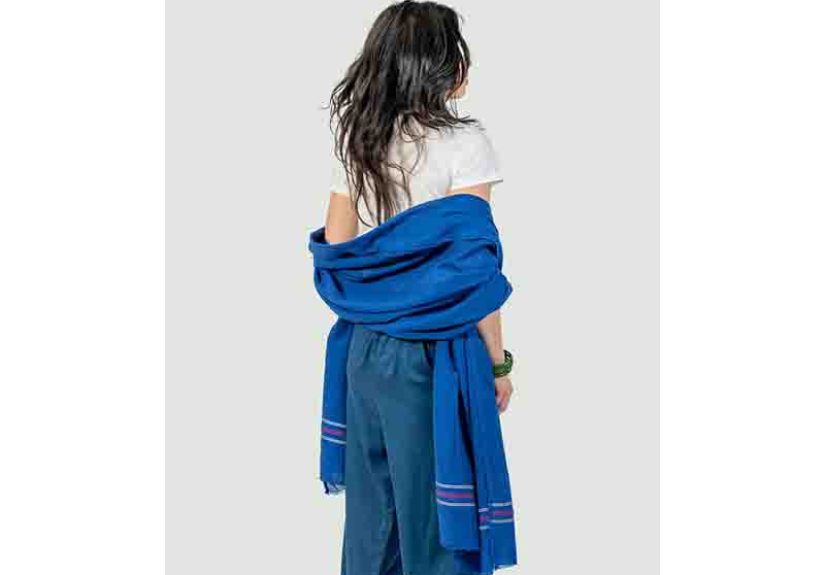
“Camellia in Cobalt Blue” is an oversized insect-repellent wrap (think shawl-meets-scarf) made from 100% cotton and crafted by artisans in Ethiopia. It’s positioned as a lightweight, soft, hand-woven wrap with a feather-fringed finish and a practical twist: insect-repellent protection built into the fabric.
Key product details that matter
- Oversized wrap / shawl format (easy to drape, layer, or travel with)
- 100% cotton construction for breathability and comfort
- Hand-woven, artisan-made textile craftsmanship
- Insect-repellent treatment intended to repel mosquitoes, ticks, flies, chiggers, and midges
- Repellency advertised to last through multiple washes (up to 70 washings)
- Machine-washable care routine (cold wash; low dry)
That combinationfashion-forward patterning plus insect protectionis exactly why this wrap gets attention. It’s not trying to look like technical camping gear. It’s trying to look like a stylish wrap you’d actually want to wear, then quietly performing like gear when you need it.
Why the “Camellia + Cobalt Blue” Design Works So Well
Let’s talk aesthetics, because this product name is doing a lot of heavy liftingand doing it well.
Camellia is more than a flower print
Camellias have long been admired for their glossy leaves and dramatic blooms, and the plant family carries a surprisingly rich cultural history. In ornamental gardening, camellias are beloved for their winter-to-early-spring blooming presence and the sheer variety of flower forms and colors. That makes “camellia” a smart design anchor: recognizable, classic, and visually lush without feeling trendy-for-a-week.
There’s also a subtle elegance to camellia-inspired patterns. They tend to read as timeless rather than loud, which matters for an accessory you want to wear across seasons, outfits, and occasions.
Cobalt blue brings the drama (the good kind)
Cobalt blue is one of those colors that manages to be bold and sophisticated at the same time. Historically, cobalt-based pigments and glazes have been central to decorative arts, especially in blue-and-white ceramics and other high-contrast ornamental traditions. In plain English: cobalt blue has a long résumé.
In textiles and accessories, cobalt works because it:
- Pairs easily with neutrals (white, black, denim, tan, gray)
- Looks elevated with linen, cotton, and natural textures
- Feels seasonlesscool in summer, rich in fall, crisp in winter
- Makes floral motifs pop without looking sugary
So the name “Camellia in Cobalt Blue” is not just pretty marketing. It accurately signals a classic floral motif rendered in a color family with real decorative history and strong wardrobe versatility.
How the Insect-Repellent Technology Actually Works
Here’s the feature that turns this from “nice wrap” into “smart wrap”: the insect-repellent treatment. The product uses permethrin-based insect-repellent technology (via Insect Shield), which is designed to be bonded to the fabric fibers.
What that means in practical terms
Instead of spraying yourself every time you step outside (and smelling like a citronella candle with a tax problem), the repellency is built into the textile. Insect Shield describes its process as bonding permethrin to fabric fibers so the protection is invisible, odorless, and long-lasting.
The treatment is commonly used in insect-repellent clothing and gear, and public-health guidance in the U.S. supports permethrin-treated clothing as one tool for helping prevent mosquito and tick bitesespecially when paired with other bite-prevention habits.
Important reality check: it’s helpful, not magical
Insect-repellent clothing is useful, but it is not a force field. A wrap protects the areas it covers. If your arms, ankles, or legs are exposed, those areas may still need a skin-safe EPA-registered repellent (used according to label directions). Think of the wrap as one layer in a smarter bite-prevention system, not the whole system.
Safety and Smart Use Tips
If you’re new to permethrin-treated fabrics, the key is simple: use them the way they’re intended.
Best practices for wearing treated wraps
- Wear the wrap over clothing or drape it over exposed areas during buggy times (dusk, early morning, shaded patios, wooded trails).
- Do not apply permethrin products directly to skin.
- Follow garment labels and care instructions.
- Use additional skin repellent on uncovered skin when needed.
- For travel or hiking, combine treated clothing with other CDC-recommended bite prevention habits.
U.S. public-health and EPA guidance on treated clothing emphasizes label-following, proper use, and the distinction between treated fabric and skin-applied repellents. That’s a good framework for any shopper: practical, not paranoid.
Craftsmanship, Fair Trade, and Why That Matters Here
A big part of the appeal of the Camellia in Cobalt Blue wrap is that it is not just technical apparel in disguise. It is also a crafted textile. The wrap is described as hand-woven and made by artisans in Ethiopia, which changes the value equation.
In other words, you’re not only paying for a functional treatment. You’re also paying for materials, weaving, design, finishing, and the human labor and skill behind the textile itself.
Ethical sourcing isn’t just a buzzword (when it’s done well)
The brand positions the wrap within a fair-trade-oriented, artisan-partner model and references World Fair Trade Organization (WFTO) certification/monitoring in its sourcing story. Broadly speaking, fair-trade frameworks emphasize transparent relationships, safer working conditions, fairer pay practices, and longer-term producer partnerships.
That matters for shoppers who want their “beautiful things” to come with a credible production storynot just a pretty hang tag and a vague promise about “global inspiration.”
Who This Wrap Is Best For
The Camellia in Cobalt Blue wrap is a particularly strong fit for people who live in the overlap of style and outdoor inconvenience.
Great for:
- Patio diners and backyard hosts: You want to enjoy the evening without becoming the mosquito tasting menu.
- Travelers: Easy to pack, easy to layer, useful in airports, planes, hotel patios, and day trips.
- Gardeners: A lightweight layer for shoulder and neck coverage when bugs are active.
- Walkers and casual hikers: Especially helpful for neck/shoulder coverage or quick head draping in buggy areas.
- Gift buyers: It feels more special than typical insect gear and more practical than a purely decorative scarf.
Maybe not ideal for:
- People who want ultralight technical performance gear with sport-specific features
- Shoppers who prefer machine-dry-everything, no-care garments
- Anyone expecting one accessory to replace all mosquito/tick prevention strategies
Pros and Cons of Camellia in Cobalt Blue
What’s excellent
- Design-forward utility: It looks like a real fashion accessory, not survival equipment.
- Multi-use format: Shawl, scarf, travel wrap, shoulder cover, light blanket-on-a-plane.
- Cotton comfort: Soft, breathable, and wearable across seasons.
- Built-in repellency: No sticky spray feel on the fabric itself.
- Artisan craftsmanship: Adds texture, story, and gift-worthy appeal.
What to consider before buying
- It’s a premium piece: You’re paying for function + artisan work + design, not just fabric yardage.
- Coverage depends on how you wear it: More drape = more protection. Loose toss-over-the-shoulder styling is chic, but less coverage.
- Care still matters: The repellency is long-lasting, not immortal. Follow wash guidance.
- It’s a support player: Great for reducing bites on covered areas, but still pair with other prevention steps when risk is high.
Care Tips to Keep It Beautiful and Useful
The easiest way to shorten the life of a good textile is to treat it like a gym towel. Don’t do that. This is a hand-woven cotton wrap with a functional finish, so a little care goes a long way.
Simple care routine
- Machine wash cold
- Line dry or tumble dry on low
- Cool iron if needed
- Avoid dry cleaning (per product care instructions)
Also, practical tip: store it where you will actually grab it. A beautiful wrap hidden in a “special items” drawer protects exactly no one from mosquitoes.
Final Verdict: Is Camellia in Cobalt Blue Worth It?
If you’re looking for a stylish, functional wrap that does more than complete an outfit, the Camellia in Cobalt Blue is a compelling option. It combines the soft appeal of a hand-woven cotton accessory with insect-repellent textile technology and an artisan-made, fair-trade-oriented production story.
The biggest win here is balance: it doesn’t force you to choose between beauty and utility. It gives you bothplus a genuinely wearable color-and-floral combination that looks polished in everyday life.
Is it a replacement for all insect protection? No. Is it one of the more elegant ways to add practical bug-bite prevention to your routine? Absolutely.
In short: if your ideal accessory says “I have taste” and “I would also like fewer mosquito bites,” Camellia in Cobalt Blue makes a very good case for itself.
Experience Notes: Real-World Moments With “Camellia in Cobalt Blue” (Extended 500+ Words)
To make this article more useful (and a little more human), here are experience-based scenarios that reflect the kinds of situations where a wrap like Camellia in Cobalt Blue tends to shine. These are realistic use cases rather than product ad copy, and they highlight what people often notice after living with a functional wrap for a while.
1) The backyard dinner test. The first thing people usually notice is not the insect protectionit’s the compliments. Cobalt blue catches evening light beautifully, and floral motifs read especially well against neutral outfits. At a casual backyard dinner, a wrap like this often starts as a style piece draped loosely over the shoulders. Then the sun dips, the mosquitoes clock in for their shift, and the wrap gets pulled closer around the arms and neck. That transitionfrom decorative to practicalhappens fast, and it’s exactly where this kind of accessory earns its value.
2) The travel day surprise. Many travelers pack wraps for airplanes because cabins can be cold, but an oversized cotton wrap with built-in insect-repellent treatment adds another layer of usefulness at the destination. Picture a long-haul flight, a hotel check-in, and then an outdoor dinner where you’re too tired to think through a full bug-prevention routine. Having one item you can throw on immediately is a small luxury. It doesn’t replace planning, but it reduces frictionand that matters more than most people admit.
3) The “I’m just watering the plants” moment. Gardeners know this one. You step outside for five minutes, and somehow it becomes thirty. A stylish wrap near the door becomes a grab-and-go layer for watering, deadheading, or checking the tomatoes while the mosquitoes conduct what feels like a tiny focus group on your ankles. Even partial coverage around the shoulders, neck, and arms can make the experience more comfortable. And because it doesn’t look like heavy outdoor gear, you’re more likely to use it for quick trips outside.
4) The event outfit problem. Outdoor weddings, graduation parties, patio brunches, music-in-the-park nightsthese are the places where people want to look polished but also stay comfortable. A technical jacket can feel too casual; a regular scarf may be too warm or not useful enough. A wrap like Camellia in Cobalt Blue lands in the middle: polished, packable, and practical. The print reads intentional in photos, and the wrap can be styled several ways throughout the event (shoulders, neck, head drape in a pinch, or folded over a lap when seated).
5) The long-term ownership test. The real relationship with a piece like this shows up after the novelty phase. Does it keep getting worn? Does it still feel good? Is it easy to care for? In most experience-driven reviews of insect-repellent textiles, the winners are the ones that don’t constantly remind you they are “treated.” If the fabric remains soft, the look stays versatile, and the care routine is manageable, the wrap becomes part of your normal rotation rather than a specialty item. That’s the ideal outcome. You stop thinking, “This is my bug wrap,” and start thinking, “This is my favorite blue wrap…and also, conveniently, the bugs seem less enthusiastic.”
That last point is probably the best way to understand the appeal of Camellia in Cobalt Blue. It’s not trying to make the outdoors risk-free or replace common sense. It’s simply making one part of everyday lifesitting outside, traveling, gardening, walking at duska little more comfortable and a lot more stylish. And honestly, if an accessory can do that without smelling like a chemical cloud, it deserves a little applause.