Table of Contents >> Show >> Hide
- What Is Hair Dye Made Of?
- So, Can Hair Dye Increase Cancer Risk?
- Hair Dye and Breast Cancer
- Hair Dye and Bladder Cancer
- Hair Dye and Blood Cancers
- Hair Dye and Skin Cancer
- Why the Research Is So Complicated
- Who May Have Higher Exposure?
- How to Reduce Possible Risk Without Giving Up Hair Color
- Should Pregnant People Avoid Hair Dye?
- Are “Natural” Hair Dyes Safer?
- What About Hair Dye for Men?
- When to Stop Using Hair Dye Immediately
- The Bottom Line
- Experiences and Real-Life Lessons: Living With the Hair Dye Question
- SEO Tags
Changing your hair color can feel like a tiny personal revolution. One afternoon you are “soft chestnut brunette,” and by dinner you are “mysterious espresso with emotional depth.” But somewhere between mixing the developer and admiring the bathroom mirror transformation, many people ask a less glamorous question: can hair dye increase cancer risk?
The honest answer is: possibly in some situations, but the science is not simple, and occasional personal use has not been clearly proven to cause cancer. Research on hair dye and cancer has been going on for decades, and the results are mixed. Some studies have found associations between permanent hair dye and certain cancers, especially breast cancer in specific groups. Other large studies have found little or no increase in overall cancer risk. In other words, hair dye is not in the same category as cigarettes, asbestos, or sunbathing until you resemble toast. But it is also not something researchers completely ignore.
This guide breaks down what scientists know, what remains uncertain, and how to color your hair more safely without treating your roots like a public health emergency.
What Is Hair Dye Made Of?
Most commercial hair dyes contain a cocktail of chemicals designed to open the hair shaft, deposit color, and make that color stay put through shampoo, sweat, weather, and the occasional emotional spiral. Permanent dyes usually use ingredients such as aromatic amines, ammonia or ammonia substitutes, hydrogen peroxide, resorcinol, and color intermediates such as para-phenylenediamine, commonly called PPD.
Not all hair dyes work the same way. Understanding the difference matters because cancer concerns are generally stronger for products that stay longer and chemically alter the hair more deeply.
Temporary Hair Dye
Temporary color sits mostly on the outside of the hair shaft and usually washes out after one or a few shampoos. Because it does not penetrate as deeply, exposure to reactive dye chemicals is typically lower.
Semi-Permanent Hair Dye
Semi-permanent dye partially enters the hair shaft and lasts longer than temporary color. It may still contain chemicals that can irritate the skin or trigger allergic reactions, but it generally involves less intense chemical processing than permanent dye.
Permanent Hair Dye
Permanent dye creates long-lasting color by chemically changing the hair. This category has received the most attention in cancer research because it usually involves stronger reactions and repeated exposure over many years. Darker permanent dyes have historically raised more concern because some darker formulations contain higher levels of certain dye chemicals.
So, Can Hair Dye Increase Cancer Risk?
The best current answer is: hair dye may be linked to a small increase in risk for certain cancers in certain groups, but personal use has not been proven to cause cancer across the board.
Large health organizations generally describe the evidence as mixed. Some older hair dye ingredients were more concerning, and formulas have changed significantly since the late 1970s and early 1980s. Many chemicals once used in dyes were removed or reformulated after laboratory and safety concerns. That makes older research difficult to compare with today’s products. Your grandmother’s jet-black dye from 1975 and a modern salon formula are not necessarily chemical twins.
Researchers look for patterns: Do people who use hair dye develop cancer more often than those who do not? Does risk increase with darker color, longer use, or more frequent application? Are hairdressers, who handle dyes daily, at higher risk than people who color their hair every six weeks? The answers vary depending on the cancer type, the population studied, and the product category.
Hair Dye and Breast Cancer
Breast cancer has become one of the most discussed areas in hair dye research. Some studies have found an association between permanent hair dye use and a modestly higher risk of breast cancer. One widely discussed U.S. study found that women who used permanent hair dye had a higher breast cancer risk than women who did not, with stronger associations reported among Black women compared with White women.
Why might risk differ by race or ethnicity? Researchers have suggested several possibilities. Products marketed to different communities may contain different chemical mixtures. Frequency of use may vary. Hair texture, styling practices, chemical straighteners, relaxers, and combined exposures may also play a role. This is important because “hair product use” is not one single behavior. A person using boxed dye twice a year has a different exposure profile than someone using permanent dark dye, relaxers, smoothing products, and heat treatments regularly for decades.
However, an association does not automatically prove cause and effect. Breast cancer risk is influenced by age, genetics, reproductive history, alcohol use, body weight, hormone exposure, physical activity, and many other factors. Hair dye may be one piece of a much larger puzzle, not the whole puzzle box.
Hair Dye and Bladder Cancer
Bladder cancer has long been studied because certain aromatic amines, a class of chemicals historically used in dyes and industrial processes, have been linked to bladder cancer in occupational settings. This is one reason hairdressers and barbers have received special research attention.
For personal hair dye users, most large reviews have not found a clear, consistent increase in bladder cancer risk. Some studies have reported possible risk in subgroups, such as long-term users of permanent dark dyes or people with certain genetic traits affecting chemical metabolism. But overall, the evidence for bladder cancer from personal hair dye use remains inconsistent.
The occupational picture is more cautious. People who work with dyes every day may inhale fumes, get products on their skin, and experience repeated exposure over years. For salon professionals, risk reduction is not about panic; it is about gloves, ventilation, proper storage, and not treating the mixing bowl like aromatherapy.
Hair Dye and Blood Cancers
Researchers have also studied possible links between hair dye and blood-related cancers such as non-Hodgkin lymphoma, leukemia, and multiple myeloma. Some older studies suggested increased risk, particularly among people who used permanent dyes before 1980. That timing matters because earlier dye formulations contained ingredients that are no longer used in many modern products.
More recent studies have generally found weaker or less consistent evidence. Still, because blood cancers can be affected by chemical exposures, researchers continue to monitor long-term patterns.
Hair Dye and Skin Cancer
Permanent hair dye has also been studied in relation to skin cancers, including basal cell carcinoma. Some large studies have observed small associations, especially among people with naturally light hair. This does not mean hair dye is a major skin cancer driver. Ultraviolet radiation from the sun remains the heavyweight champion of preventable skin cancer risk. Still, scalp exposure, product irritation, and long-term use are reasonable areas for continued research.
Why the Research Is So Complicated
Studying hair dye and cancer is trickier than it sounds. Researchers cannot ethically assign thousands of people to dye their hair for 40 years and then see what happens. Instead, they rely on observational studies, questionnaires, medical records, and long-term follow-up. That creates several challenges.
People Use Different Products
“Hair dye” can mean temporary purple spray, semi-permanent gloss, permanent black dye, salon highlights, root touch-up powder, or a full chemical color correction after a regrettable midnight decision. These exposures are not equal.
Formulas Change Over Time
A study that includes people who started dyeing their hair in the 1960s may not reflect products sold today. Modern formulas may still contain chemicals worth studying, but they are not identical to older versions.
Frequency Matters
Someone who dyes once a year before a reunion has a much lower exposure than someone doing permanent root touch-ups every four weeks for 30 years.
Other Beauty Products Matter Too
Hair dye often overlaps with relaxers, straighteners, smoothing treatments, sprays, fragrances, and heat styling. When multiple products are used, it becomes harder to identify which exposure matters most.
Who May Have Higher Exposure?
Some people may have higher exposure to hair dye chemicals than others. These groups may want to be especially thoughtful about product choice and safety habits.
Frequent Permanent Dye Users
People who use permanent hair dye every four to eight weeks for many years have more cumulative exposure than occasional users. Dark permanent dyes have historically raised more concern than lighter shades.
Salon Workers
Hairdressers, colorists, and barbers may handle dyes, bleaches, straighteners, and sprays daily. Occupational exposure can involve skin contact and inhalation, especially in poorly ventilated spaces.
People With Sensitive Skin or Dye Allergies
Allergic reactions are not the same as cancer risk, but they are a very real safety issue. PPD and related ingredients can cause itching, redness, swelling, burning, blistering, and, rarely, severe reactions. A person can develop sensitivity even after years of uneventful dye use, which feels deeply unfair but is very on-brand for the human immune system.
People Using Multiple Chemical Hair Treatments
Using permanent dye along with chemical straighteners, relaxers, or smoothing treatments may increase total chemical exposure. Some straightening products have raised separate concerns because certain formulas may release or contain formaldehyde-related chemicals when heated.
How to Reduce Possible Risk Without Giving Up Hair Color
If you enjoy coloring your hair, you do not necessarily need to throw every box dye into the trash like it insulted your ancestors. A more practical approach is to reduce unnecessary exposure.
1. Use Hair Dye Less Often
Stretching the time between dye sessions can reduce cumulative exposure. Consider root touch-up powders, color-depositing conditioners, highlights, balayage, or styles that grow out more softly.
2. Choose Lower-Commitment Color When Possible
Temporary or semi-permanent options may involve less intense chemical processing than permanent dye. They may not cover gray hair as dramatically, but they can be a reasonable compromise.
3. Avoid Dyeing an Irritated Scalp
Do not apply dye to broken, inflamed, sunburned, or freshly scratched skin. Damaged skin may absorb chemicals more easily and is more likely to react.
4. Follow the Patch Test Instructions Every Time
Yes, every time. Even if you used the same shade before. Even if you are busy. Even if your roots are staging a rebellion. Product formulas can change, and allergies can develop over time.
5. Wear Gloves and Improve Ventilation
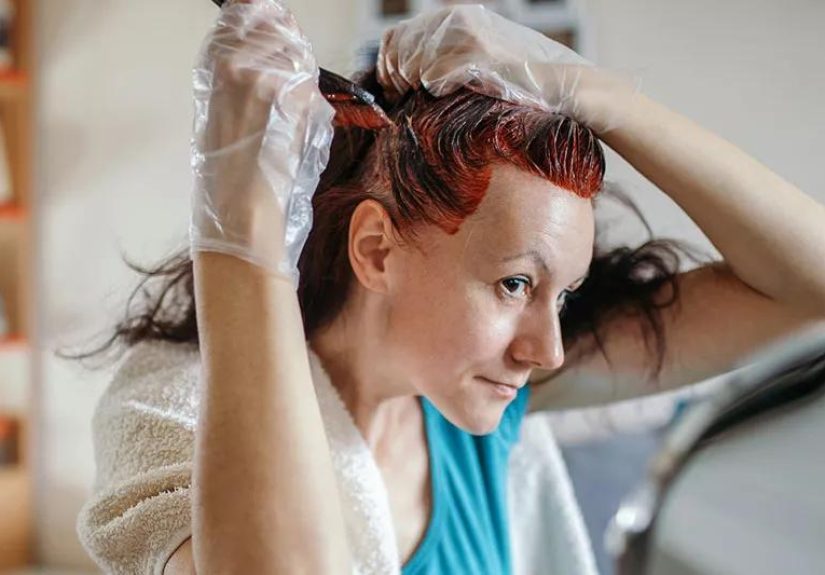
If coloring at home, wear the gloves provided, avoid touching dye with bare hands, and work in a well-ventilated area. If you are a salon professional, consistent glove use and good ventilation are basic workplace safety tools.
6. Do Not Mix Products Randomly
Hair dye chemistry is not a cooking show. Do not mix brands, developers, bleach, dyes, or straightening products unless directed by a trained professional.
7. Rinse Thoroughly
Follow timing directions carefully and rinse the scalp well after processing. Leaving dye on longer than instructed will not make you look like a movie star faster; it may simply increase irritation.
8. Talk to a Doctor if You Have Higher Cancer Risk
If you have a personal or strong family history of breast cancer, bladder cancer, lymphoma, or hormone-sensitive cancers, ask your healthcare provider whether you should limit certain chemical hair products. The answer may depend on your overall risk profile.
Should Pregnant People Avoid Hair Dye?
Many healthcare professionals consider occasional hair dye use during pregnancy to be low risk, especially after the first trimester, when used according to directions in a ventilated space. Still, some people prefer to minimize exposure by choosing highlights, which usually keep dye away from the scalp, or waiting until after pregnancy. If you are pregnant, trying to conceive, or breastfeeding, it is sensible to ask your clinician for personalized advice.
Are “Natural” Hair Dyes Safer?
“Natural” sounds comforting, like a meadow wearing a cardigan. But the word can be slippery in beauty marketing. Some plant-based dyes, such as pure henna, may be less chemically complex than permanent oxidative dyes. However, not all “natural” dyes are free of allergens or additives. Some products labeled natural may still contain PPD-like compounds, metallic salts, fragrance allergens, or other irritants.
Read ingredient labels carefully. Be especially cautious with black henna, which may contain high levels of PPD and can trigger severe allergic reactions. If a product promises dramatic permanent color with zero chemistry, raise one eyebrowthe one you did not accidentally dye.
What About Hair Dye for Men?
Men’s beard dyes, mustache dyes, and gray-covering products deserve attention too. Facial skin can be sensitive, and dye used near the mouth, nose, and eyes can cause irritation or allergic reactions. Beard dyes often include strong colorants because coarse facial hair resists color. Men who use these products frequently should follow patch test instructions, avoid broken skin, and stop immediately if swelling, burning, or rash appears.
When to Stop Using Hair Dye Immediately
Stop using hair dye and seek medical advice if you experience severe itching, facial swelling, blistering, trouble breathing, dizziness, eye irritation, or widespread rash. Mild tingling can happen, but burning pain or swelling is not “beauty is pain.” It is your body waving a red flag with both hands.
The Bottom Line
So, can hair dye increase cancer risk? It may slightly increase risk in certain situations, especially with frequent long-term use of permanent dyes, darker shades, or occupational exposure, but the evidence is not strong enough to say that modern personal hair dye use clearly causes cancer.
The smartest approach is balanced: do not panic, but do not ignore exposure either. Use dye as directed, reduce frequency when possible, choose safer methods, protect your skin, ventilate your space, and pay attention to your body’s reactions. Hair color should be fun, expressive, and confidence-boostingnot a chemistry exam you take with your scalp.
Experiences and Real-Life Lessons: Living With the Hair Dye Question
For many people, the concern about hair dye and cancer does not begin in a medical journal. It starts in a bathroom, a salon chair, or a family conversation. Someone notices gray hair coming in earlier than expected. Someone else has been coloring for 25 years and suddenly wonders whether all those root touch-ups add up. Another person reads a headline about permanent dye and breast cancer, then stares suspiciously at a box of “darkest natural brown” like it just confessed to a crime.
One common experience is the emotional tug-of-war between confidence and caution. Hair color is personal. It can help people feel polished for work, youthful after a stressful year, expressive after a breakup, or simply more like themselves. Telling someone to “just stop dyeing your hair” may sound easy, but for many people, hair is tied to identity, culture, age, profession, and self-esteem. A safer conversation is not about shame. It is about informed choices.
Consider a person who has dyed their hair dark brown every month since their twenties. After reading about possible cancer links, they may feel anxious and even guilty. But guilt is not useful health advice. A better first step is reviewing habits: How often is the dye applied? Is it permanent or semi-permanent? Is it applied directly to the scalp? Is the bathroom ventilated? Are gloves used? Could highlights or a softer root blend reduce scalp contact? Small changes can reduce exposure without requiring a dramatic lifestyle makeover.
Another common situation happens in salons. A stylist may mix color all day, rinse clients, handle bleach, breathe product fumes, and develop dry or irritated hands. For professionals, safety habits matter even more than for occasional users. Wearing appropriate gloves, improving airflow, closing product containers, washing hands, and taking skin irritation seriously are not overreactions. They are workplace basics. A salon can still be stylish without smelling like a science fair volcano.
People with sensitive skin often learn the hard way that “I used it before” does not guarantee safety forever. Someone may use the same brand for years, then suddenly develop itching around the ears, redness along the hairline, or swelling after a touch-up. That can happen because allergic sensitivity may build over time. The practical lesson is boring but important: patch tests matter. They are not glamorous, but neither is explaining to urgent care that your scalp has entered its villain era.
There is also a lesson in reading beyond headlines. “Hair dye linked to cancer” sounds terrifying, while “study finds small association in certain users, but causation remains uncertain” sounds less clickable. The second version is usually closer to reality. Cancer risk is rarely caused by one ordinary habit alone. Genetics, age, hormones, smoking, alcohol, weight, environment, infections, occupational exposures, and chance can all play roles. Hair dye may be one possible factor, especially with frequent long-term exposure, but it should be evaluated in context.
Some people respond by switching to semi-permanent color, plant-based products, gray blending, or highlights that avoid direct scalp application. Others decide to continue permanent dye but do it less often and more carefully. Both choices can be reasonable. The goal is not perfection. The goal is reducing avoidable exposure while keeping quality of life intact.
The most useful experience-based takeaway is this: pay attention to patterns. If dye causes burning, swelling, rash, breathing symptoms, or repeated scalp irritation, stop and seek medical advice. If you have a high personal risk of cancer, discuss chemical hair products with your clinician. If you are a salon worker, treat chemical exposure as an occupational health issue, not just part of the job. And if you choose to keep coloring your hair, do it thoughtfully. Confidence and caution can share the same mirror.
Note: This article is for educational purposes only and should not replace medical advice from a qualified healthcare professional. Anyone with a personal cancer history, strong family cancer history, pregnancy-related concerns, or severe reaction to hair dye should speak with a doctor or dermatologist.