Table of Contents >> Show >> Hide
- What Is Teething?
- Can Teething Cause Fever?
- Common Teething Symptoms and Signs
- Symptoms That Are Not Usually Caused by Teething
- How to Tell Teething From Illness
- When to Call the Doctor About Fever During Teething
- Safe Ways to Soothe Teething Pain
- Teething Remedies to Avoid
- Teething and Baby Dental Care
- Common Questions About Teething and Fever
- Real-Life Parent Experiences: What Teething Can Look Like Day to Day
- Conclusion
Few parenting mysteries create more late-night Googling than this one: Can teething cause fever? Your baby is drooling like a tiny faucet, chewing on everything except the expensive teether you bought, and suddenly feels warm. Naturally, the first suspect is that little white tooth trying to make its grand entrance.
Here is the important answer: teething can make a baby uncomfortable and may cause a slight rise in temperature, but it should not cause a true fever. A true fever is generally defined as a temperature of 100.4°F (38°C) or higher. If your baby has a temperature at or above that level, especially with diarrhea, vomiting, cough, unusual sleepiness, poor feeding, or a rash, it is safer to think “possible illness” rather than “just teething.”
That does not mean teething is imaginary. Oh, it is real. It is gummy, cranky, drooly, and occasionally dramatic. But blaming every symptom on teeth can delay care for infections such as ear infections, urinary tract infections, viral illnesses, or other conditions that happen to show up during the same months babies begin teething.
What Is Teething?
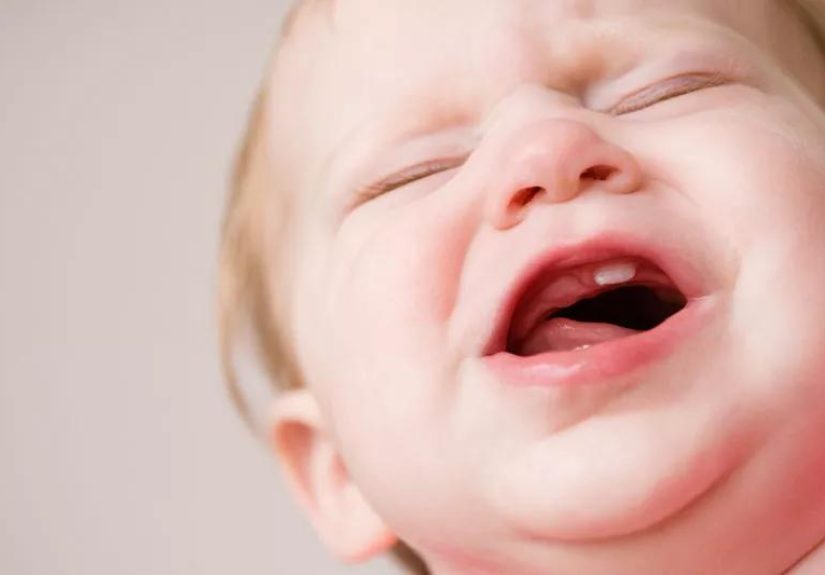
Teething is the process of baby teeth, also called primary teeth, pushing through the gums. Most babies get their first tooth around 6 months old, though the timeline varies widely. Some babies start earlier, while others keep everyone waiting until closer to their first birthday. Like walking, talking, and deciding peas are offensive, every baby has a different schedule.
The lower front teeth are often the first to appear, followed by the upper front teeth. Over time, the rest of the baby teeth erupt until a child has a full set of 20 primary teeth, usually by around age 3. During this process, the gum tissue may become swollen, tender, or irritated where a tooth is preparing to break through.
Can Teething Cause Fever?
The short answer is no, teething does not cause a true fever. It may cause a mild increase in body temperature, but that temperature should stay below the fever threshold of 100.4°F (38°C).
This distinction matters. A baby who feels slightly warm and is drooling, chewing, and acting mildly fussy may simply be teething. But a baby with a real fever may be fighting an infection. Since babies often begin teething around the same time they are exploring the world with their hands, toys, and, apparently, every object within a five-foot radius, it is common for viruses and teething to overlap.
Why Parents Often Link Teething and Fever
Many parents connect teething with fever because the timing lines up suspiciously well. Around 6 months of age, babies may begin cutting teeth, touching more surfaces, mouthing toys, meeting more people, and experiencing more common infections. Their immune systems are also still developing. So when a fever appears during teething season, teething gets blamed like the family dog near a missing sandwich.
However, pediatric guidance consistently emphasizes that fever, significant diarrhea, vomiting, persistent cough, body rash, or extreme sleepiness are not typical teething symptoms. These signs deserve a closer look.
Common Teething Symptoms and Signs
Teething symptoms are usually mild and centered around the mouth. They may come and go for a few days around the time a tooth breaks through the gum.
1. Drooling
Increased drooling is one of the most common signs of teething. Your baby may suddenly produce enough saliva to make you wonder if you should install a tiny rain gutter. Drool can also irritate the skin around the mouth, chin, and neck, leading to a mild teething rash.
2. Chewing and Biting
Babies often chew on toys, fingers, pacifiers, washcloths, or anything else they can safely get into their mouth. The pressure can feel soothing on sore gums. This is why teething rings are popular, although they should be firm, clean, and never frozen solid.
3. Swollen or Tender Gums
You may notice redness, puffiness, or a small raised area on the gum where a tooth is coming in. Some babies are more sensitive than others, and the gum may look slightly inflamed before the tooth appears.
4. Fussiness or Irritability
A teething baby may be crankier than usual. The discomfort can make them clingy, restless, or harder to entertain. Still, teething should not cause inconsolable crying for hours. If your baby cannot be comforted, seems unusually distressed, or cries in a way that feels different from normal, contact your pediatrician.
5. Slight Temperature Rise
Some babies may feel a little warmer while teething. This is not the same as a true fever. If the thermometer reads 100.4°F (38°C) or higher, it is best to treat it as a fever and look for other possible causes.
6. Mild Changes in Appetite
Sore gums can make some babies less interested in solid foods for a short time. They may prefer softer foods or extra comfort nursing or bottle-feeding. However, refusing multiple feedings, showing signs of dehydration, or having fewer wet diapers is not typical teething behavior and should be discussed with a healthcare professional.
7. Sleep Disruption
Teething discomfort may make sleep a little more difficult. A baby who normally sleeps well may wake more often or need extra soothing. But poor sleep alone does not prove teething, especially if other symptoms suggest illness.
Symptoms That Are Not Usually Caused by Teething
It is tempting to blame teething for everything from fever to the dishwasher leaking. Unfortunately, teeth are not that powerful. The following symptoms are not typical signs of teething and may point to illness:
- Fever of 100.4°F (38°C) or higher
- Diarrhea, especially if frequent or watery
- Vomiting
- Persistent cough or congestion
- Runny nose with other illness symptoms
- Rash on the body
- Extreme sleepiness or unusual weakness
- Refusing fluids or multiple feedings
- Signs of dehydration, such as very few wet diapers
- Inconsolable crying
If these symptoms appear, your baby may be sick at the same time they are teething. That overlap is common, but it should not be ignored.
How to Tell Teething From Illness
The easiest way to separate teething symptoms from illness is to look at the full picture, not just the gums.
Teething Is More Likely If:
- Your baby is drooling more than usual.
- Your baby wants to chew on safe objects.
- The gums look swollen or tender.
- Your baby is mildly fussy but still alert and responsive.
- Temperature is normal or only slightly elevated.
- Symptoms are focused around the mouth.
Illness Is More Likely If:
- Your baby has a temperature of 100.4°F (38°C) or higher.
- There is vomiting, diarrhea, cough, or congestion.
- Your baby is unusually sleepy, limp, or hard to wake.
- Your baby refuses fluids or has fewer wet diapers.
- Crying is intense, persistent, or unusual.
- Symptoms last longer than a few days or keep getting worse.
When in doubt, call your pediatrician. No parent has ever lost points for checking. Babies do not come with a troubleshooting manual, and even the most experienced caregivers occasionally need expert backup.
When to Call the Doctor About Fever During Teething
Call your baby’s healthcare provider promptly if your baby is younger than 3 months old and has a temperature of 100.4°F (38°C) or higher. In young infants, fever can be a sign of a serious infection and should be evaluated.
For older babies, contact your pediatrician if fever is high, lasts more than a day or two, or comes with symptoms such as poor feeding, breathing trouble, rash, repeated vomiting, diarrhea, dehydration, unusual sleepiness, or severe irritability.
You should also seek urgent medical care if your baby has trouble breathing, bluish lips, a seizure, a stiff neck, a purple or blood-colored rash, or is difficult to wake. These are not teething signs.
Safe Ways to Soothe Teething Pain
Teething can be uncomfortable, but there are safe ways to help your baby feel better. The goal is to soothe the gums without using risky products.
Use a Clean Finger for Gum Massage
Wash your hands, then gently rub your baby’s gums with a clean finger. Light pressure can help relieve discomfort. Your baby may look surprised at first, then decide this is exactly the spa treatment they requested.
Offer a Chilled Teething Ring
A firm rubber teething ring can help. Chill it in the refrigerator, but do not freeze it solid. Frozen objects can be too hard and may hurt delicate gums.
Try a Cool, Damp Washcloth
A clean, damp washcloth chilled in the refrigerator can be soothing for babies who are old enough to chew safely under close supervision. Make sure the cloth is not a choking hazard and never leave your baby unattended with it.
Keep Drool Under Control
Gently pat drool from your baby’s chin and neck to prevent irritation. Avoid harsh rubbing, which can worsen a rash. A thin layer of baby-safe barrier ointment may help protect the skin if drool rash becomes a problem.
Ask About Pain Relievers When Needed
If your baby seems very uncomfortable, ask your pediatrician whether an age-appropriate pain reliever is suitable. Do not guess on medication or dosing, especially for young infants. Always follow your doctor’s guidance and the product label.
Teething Remedies to Avoid
Some teething products are more trouble than they are worth. A few are downright risky.
Avoid Benzocaine and Lidocaine Teething Gels
Numbing gels that contain benzocaine or lidocaine are not recommended for babies and young children unless specifically directed by a healthcare professional. These products can cause serious side effects and may wash out of the mouth quickly, making them both risky and not very useful.
Avoid Homeopathic Teething Tablets and Gels
Homeopathic teething tablets and gels have raised safety concerns. “Natural” does not automatically mean safe for infants. Babies are tiny humans, not test kitchens.
Avoid Amber Teething Necklaces and Jewelry
Amber teething necklaces, bracelets, and similar jewelry can pose choking and strangulation risks. They are not worth the gamble. A baby’s neck is not the place for accessories, even if the product packaging looks peaceful and earthy.
Avoid Frozen Foods or Hard Objects
Very hard foods, frozen items, or objects not designed for teething can injure gums or become choking hazards. Use safe, age-appropriate options and supervise closely.
Teething and Baby Dental Care
Once that first tooth arrives, dental care begins. Clean your baby’s teeth gently with a soft baby toothbrush. Many dental organizations recommend scheduling the first dental visit after the first tooth appears and no later than the first birthday.
This first visit is not just about checking for cavities. It is also a chance to learn how to clean baby teeth, prevent tooth decay, use fluoride safely, manage pacifier or thumb-sucking habits, and build a healthy routine before toddler negotiations begin.
Common Questions About Teething and Fever
Can teething cause a low-grade fever?
Teething may cause a slight temperature rise, but it should not cause a true fever. If your baby’s temperature reaches 100.4°F (38°C) or higher, consider another cause and contact your pediatrician when appropriate.
How long do teething symptoms last?
Teething symptoms often appear a few days before a tooth erupts and may last a few days afterward. Long-lasting or worsening symptoms should not be blamed on teething without checking for illness.
Does teething cause diarrhea?
No. Teething does not usually cause diarrhea. Extra drool may loosen stools slightly in some babies, but frequent watery diarrhea suggests illness or another issue.
Can teething cause a runny nose?
A runny nose is not a typical teething symptom. If your baby has congestion, coughing, fever, or seems sick, a cold or other infection may be the cause.
Real-Life Parent Experiences: What Teething Can Look Like Day to Day
Many parents describe teething as a guessing game with drool. One day, the baby is cheerful, babbling, and chewing on a soft toy. The next day, the same baby is red-cheeked, clingy, and determined to gnaw on a spoon, a board book, and your shoulder. This is where parents often wonder whether teething is causing every little change.
A common experience goes something like this: a 7-month-old begins drooling more than usual and starts waking once or twice at night. During the day, the baby chews on fingers and seems annoyed when a bottle nipple or spoon touches the gums. The parent checks the mouth and sees a swollen bump on the lower gum. The baby’s temperature is 99.5°F, but there is no cough, vomiting, diarrhea, or unusual sleepiness. In that situation, teething is a reasonable explanation. A chilled teether, gentle gum massage, and extra cuddles may be enough.
Now compare that with another familiar situation. A baby is also teething, but the thermometer reads 101.3°F. The baby is less interested in feeding, has watery diarrhea, and seems much sleepier than usual. Even if a tooth is clearly coming in, those symptoms should not be dismissed as teething. The tooth may be innocent. The real culprit may be a virus, ear infection, stomach bug, or another illness that needs attention.
Parents often learn to look for patterns. Teething discomfort usually stays near the mouth: drooling, chewing, gum tenderness, mild fussiness, and maybe a small chin rash. Illness tends to involve the whole body: fever, low energy, cough, vomiting, diarrhea, widespread rash, or behavior that feels “off.” That parent instinct matters. If your baby does not seem like themselves, it is okay to call the doctor even if a tooth is making an appearance.
Another experience many caregivers mention is the “false alarm tooth.” The baby drools, chews, fusses, and everyone prepares for a tooth by tomorrow morning. Then nothing happens for two weeks. Teething can be a slow process, and babies also drool and mouth objects as part of normal development. Not every wet bib means a tooth is seconds away from arrival.
The best approach is calm observation. Keep a thermometer handy, track symptoms, offer safe comfort measures, and avoid risky teething products. If your baby is alert, feeding reasonably well, wetting diapers, and has only mild mouth-focused symptoms, teething may be the explanation. If fever or concerning symptoms appear, shift your thinking from “teeth” to “health check.” Teeth are tiny, but good judgment is mighty.
Conclusion
So, can teething cause fever? Not a true fever. Teething can cause drooling, chewing, sore gums, mild fussiness, a teething rash from saliva, and possibly a slight temperature rise. But a temperature of 100.4°F (38°C) or higher should not be brushed off as “just teething.” Fever usually points to something else, especially when it appears with diarrhea, vomiting, cough, congestion, rash, poor feeding, or unusual sleepiness.
The safest plan is simple: comfort the gums, watch the thermometer, and pay attention to your baby’s overall behavior. Use safe teething remedies such as gum massage, chilled teethers, and clean cool washcloths. Avoid numbing gels, homeopathic teething tablets, and teething jewelry. And when your baby’s symptoms feel bigger than teething, call the pediatrician. You are not overreacting; you are parenting with a working radar system.
Note: This article is for general educational purposes and should not replace medical advice from your child’s pediatrician or dentist. Seek professional care for fever, severe symptoms, or any concern about your baby’s health.