Table of Contents >> Show >> Hide
- Why These TV Sets Were So Easy to Recognize
- The Set Clues That Give the Show Away
- 1. The Purple Walls and the Apartment That Became a Celebrity Friends
- 2. The Cereal Kingdom of Eternal Commuter Energy Seinfeld
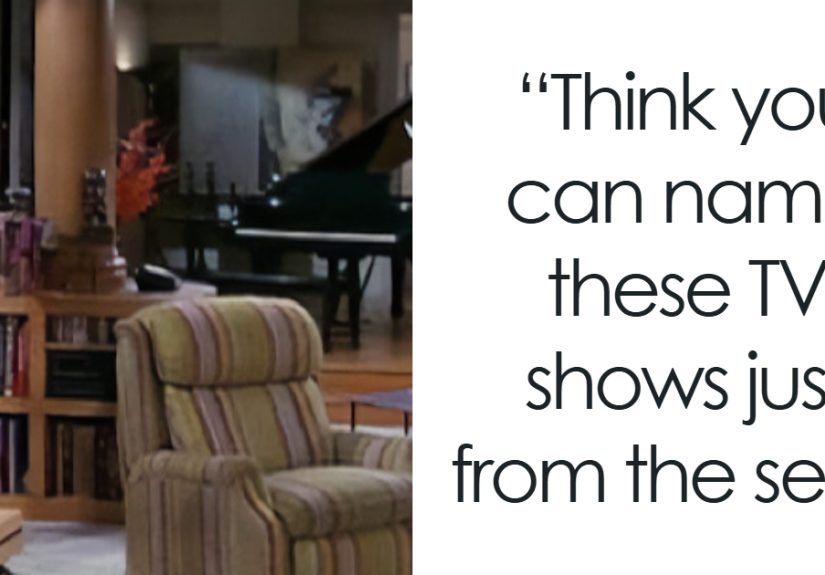
- 3. The Fancy Condo With One Very Defiant Recliner Frasier
- 4. The Warm, Crowded House With Peak Family Sitcom Gravity Full House
- 5. The Grand Staircase of Rich-Kid Culture Shock The Fresh Prince of Bel-Air
- 6. The Gazebo, the Diner, and the Cozy Town That Basically Smelled Like Coffee Gilmore Girls
- 7. The Movie-Poster Bedroom of Sensitive Teen Drama Dawson’s Creek
- 8. The Basement Where Every Joke Felt Slightly Hazy That ’70s Show
- 9. The Brick Wall, the Tiny Kitchen, and Big-Main-Character Energy Sex and the City
- 10. The Pool House That Launched a Thousand Indie Playlists The O.C.
- What Made These Sets Stick in Pop Culture
- Why “Guess the Show From the Set” Is Such a Fun Challenge
- The Experience of Guessing a Show Just From the Set
- Final Thoughts
Some TV shows announce themselves with a theme song. Others need only a couch, a staircase, a diner counter, or one aggressively memorable wall color. That is the real magic of great TV set design: before a single character speaks, the room already has a personality, a backstory, and in some cases, the confidence of a lead actor who knows exactly where the camera likes them best.
That is why the best ’90s TV show sets and 2000s TV show sets still live rent-free in our heads. Show a fan a purple apartment with a yellow peephole frame, and they will yell “Friends!” before you can say “pivot.” Flash a polished Seattle condo with a wildly out-of-place recliner, and suddenly everyone hears tossed salad and scrambled eggs in the distance. These rooms were not just backdrops. They were emotional shortcuts. They told us who belonged there, what kind of chaos was about to unfold, and whether we should expect heartfelt monologues, sarcastic one-liners, or a teen drama meltdown beside a bedroom window.
So, can you guess the show just from the set? If you grew up on sitcom reruns, teen dramas, and appointment television before streaming made us all nocturnal goblins, the answer is probably yes. And honestly, that says a lot about how brilliantly those spaces were built.
Why These TV Sets Were So Easy to Recognize
The most iconic TV rooms from the ’90s and 2000s were designed with instant recognition in mind. They used strong color palettes, signature furniture, repeatable layouts, and props that functioned almost like logos. Good production design made the set readable in seconds. Great production design made it unforgettable.
That is why so many iconic sitcom apartments and teen bedrooms from that era are still easy to identify today. They balanced realism with exaggeration. Sure, some of these spaces were wildly unrealistic. No, we are not starting a new argument about how anyone afforded that apartment. But realism was never the point. The point was to build a visual world you could step into immediately, one that felt cozy enough to revisit every week and distinctive enough to burn into pop culture memory.
The Set Clues That Give the Show Away
1. The Purple Walls and the Apartment That Became a Celebrity Friends
If the room has purple walls, a golden frame around the peephole, mismatched kitchen chairs, and enough cozy clutter to suggest five people have been living there emotionally if not legally, you are in Friends territory. Monica’s apartment may be the undisputed champion of recognizable TV interiors. It felt bright, chaotic, welcoming, and just a little too large for mortal New Yorkers.
Part of its charm came from how lived-in it looked. Open shelving, stacked dishes, quirky art, and that famous front door made the space feel like a real social hub. You did not just watch scenes happen there. You mentally moved in.
2. The Cereal Kingdom of Eternal Commuter Energy Seinfeld
Can you guess the TV show from the set if the room looks like a practical bachelor pad built by someone who shops mainly for cereal and sneakers? That is Seinfeld. Jerry’s apartment was less glamorous than Friends, but that is exactly why it worked. It felt ordinary in the best possible way.
The bike, the compact kitchen, the neutral palette, the easy path from couch to fridge, the sense that people could burst in at any moment without knocking like boundaries had been outlawed by NBCthat was the whole vibe. It was an efficient comedy machine disguised as an apartment.
3. The Fancy Condo With One Very Defiant Recliner Frasier
If the set says “wine, opera, expensive taste,” but one battered recliner is sitting in the middle like it won an argument, congratulations, you have found Frasier. Frasier Crane’s Seattle apartment was one of the most sophisticated rooms on television, all skyline views, artful furniture, and polished surfaces.
What made it memorable was contrast. The elegance of Frasier’s design choices played perfectly against Martin’s beloved chair, which looked like comfort had defeated style in a cage match. It was one of the smartest pieces of visual storytelling in sitcom history.
4. The Warm, Crowded House With Peak Family Sitcom Gravity Full House
If you spot a family home packed with polished wood, a busy staircase, soft San Francisco warmth, and enough traffic flow to support constant life lessons, you are probably in the Tanner house. The beauty of Full House was that the set felt open enough for slapstick but homey enough for emotional speeches delivered before the credits rolled.
The rooms were not designed to look sleek. They were designed to look safe. That is why the house remains one of the most beloved nostalgic TV homes from the era. It was less about style perfection and more about comfort, familiarity, and organized family chaos.
5. The Grand Staircase of Rich-Kid Culture Shock The Fresh Prince of Bel-Air
You know this one almost instantly: elegant furniture, a polished mansion interior, and a staircase dramatic enough to deserve its own paycheck. The Fresh Prince of Bel-Air used its set brilliantly because the house itself helped sell the premise. Will’s fish-out-of-water energy landed harder when he was surrounded by formal rooms that looked like they had never heard a sneaker squeak.
The set radiated old-money order, which made every joke, dance move, and culture clash land with extra force. Few ’90s TV show sets understood contrast as well as this one did.
6. The Gazebo, the Diner, and the Cozy Town That Basically Smelled Like Coffee Gilmore Girls
If your first clue is a small-town square with a gazebo, or a diner that feels one argument away from becoming a town meeting, you are absolutely in Gilmore Girls. The genius of this show’s set design was that it made Stars Hollow feel both storybook-cute and oddly believable.
Luke’s Diner, Lorelai’s kitchen, the town square, Rory’s bedroomeach space had a shorthand fans could identify instantly. The world was warm, busy, and full of details that felt handmade rather than generic. That is why Gilmore Girls remains one of the best examples of a TV environment becoming a comfort object.
7. The Movie-Poster Bedroom of Sensitive Teen Drama Dawson’s Creek
If the set is a teenage bedroom with movie posters, coastal softness, and enough earnest energy to support a five-minute conversation about destiny, that is Dawson’s Creek. Dawson’s room was not just a bedroom. It was a manifesto with pillowcases.
Teen drama bedrooms in the late ’90s did a lot of heavy lifting, but this one became iconic because it told you everything about the character right away. He loved film, he loved feelings, and he probably had a complicated thought about both before breakfast.
8. The Basement Where Every Joke Felt Slightly Hazy That ’70s Show
Yes, the show is set in the 1970s, but it became a late-’90s TV staple, and its basement is one of the easiest rooms to recognize from a single frame. Wood paneling, worn furniture, dim lighting, and the sacred geography of teenagers hanging around with no plan whatsoeverthis set had chemistry.
The basement worked because it was casual and repeatable. It felt like the kind of place where time could disappear, snacks could vanish, and somebody would definitely say something deeply stupid and accidentally memorable.
9. The Brick Wall, the Tiny Kitchen, and Big-Main-Character Energy Sex and the City
If you see a chic little apartment with a writer’s desk, a brick wall, and the air of someone who absolutely should not be able to afford that closet but somehow can, you are looking at Carrie Bradshaw’s world. Sex and the City made the apartment an extension of identity. It was not flashy in a mansion way. It was intimate, fashionable, and aspirational.
That matters because one of the biggest trends in 2000s TV show sets was the rise of the apartment as self-branding. Carrie’s place told us who she was before she typed a single word.
10. The Pool House That Launched a Thousand Indie Playlists The O.C.
If the set gives you coastal California wealth, polished interiors, and the deeply specific emotional tension of staring into the middle distance while an indie song plays, welcome to The O.C. The Cohen house and especially the pool house became visual shorthand for early-2000s teen drama aspiration.
The rooms looked clean, expensive, and sunlit, but they still had enough warmth to keep the show from feeling sterile. That mix of luxury and vulnerability was a huge part of the show’s appeal, and the sets did a lot of the work.
What Made These Sets Stick in Pop Culture
The secret is not just good taste. Some of these rooms had good taste, some had chaotic taste, and some looked like several eras of furniture got trapped together during a network note session. What mattered was visual identity.
Great TV sets from this period used three tricks especially well. First, they repeated strong visual anchors: a couch, a staircase, a diner booth, a door frame, a recliner, a bedroom wall full of posters. Second, they supported character psychology. Monica’s apartment was organized but exuberant. Frasier’s condo was curated and self-conscious. Stars Hollow was cozy to the point of emotional manipulation, and I mean that lovingly. Third, they invited audience participation. Fans could imagine themselves in the room.
That last point matters most. A memorable set does not just say, “This is where the characters live.” It says, “You know exactly how this room feels at 8 p.m. on a rainy Tuesday.” That kind of sensory familiarity is why people still search for TV apartment breakdowns, set recreations, and filming-location tours years later.
Why “Guess the Show From the Set” Is Such a Fun Challenge
A set-guessing game works because it turns passive nostalgia into active memory. Suddenly, you are not just remembering a show. You are remembering where people stood when they fought, where the punch lines landed, what color the walls were during your favorite episodes, and which chair meant one character absolutely refused to adapt. It is basically interior design meets trivia night, which is a very specific niche but a glorious one.
It also reveals how much television trained us to read rooms. We learned to recognize sitcom comfort, teen-drama longing, and upscale adult sarcasm from furniture placement alone. That is pretty impressive, especially considering most of us were also eating cereal straight from the box and pretending commercials did not exist.
The Experience of Guessing a Show Just From the Set
Here is where the fun gets personal. The real experience of guessing a TV show from the set is not about being “right” in some official trivia sense. It is about the strange speed of memory. You see one corner of a room, one lamp, one doorway, and your brain starts sprinting. Before you even name the show, you remember the era. You remember where you watched it. You remember the feeling of the show.
Maybe it is the Friends apartment and suddenly you are back in a living room with a giant family TV, hearing the theme song before homework. Maybe it is the gazebo from Gilmore Girls, and you remember fall, coffee, and that one stretch of life when everybody wanted witty banter and a small-town bookstore. Maybe it is the Banks mansion and you can practically hear the audience react before Will even delivers the joke. That is the real thrill. The set opens the trapdoor, and out comes the memory.
There is also something wonderfully nerdy about how specific the clues can be. Not “What show is this?” but “What show has that exact plaid chair?” Not “Who lived here?” but “Which sitcom door had that weird little yellow frame around the peephole?” That level of recognition feels absurd until you realize it is just proof that production design did its job perfectly. These shows built worlds strong enough to survive in fragments.
Watching with friends makes it even better. A single screenshot turns into an argument, then a chorus of guesses, then someone blurts out the right answer and everybody immediately starts quoting scenes. One person recognizes the staircase. Another spots the kitchen layout. Someone else identifies the show from a lamp like they are a television archaeologist. It is ridiculous and oddly impressive at the same time.
There is also a reason this game works so well with ’90s and 2000s television in particular. Those decades were full of visually bold, comfort-forward sets that knew they would be seen again and again in reruns. The rooms had to be durable. They had to be legible. They had to welcome repeat viewing. Streaming did not invent rewatchability; those shows were practically built for it.
And then there is the emotional side. Recognizing a set can feel weirdly intimate because homes, apartments, bedrooms, and hangout spaces are where TV characters become familiar to us. Plot happens everywhere, but identity settles into the room. Joey and Chandler are not just funny because of dialogue; they are funny because of that apartment across the hall dynamic. Rory Gilmore is not just Rory because she reads books; she is Rory because she reads them in that room, in that town, in that carefully built cocoon of Stars Hollow comfort. The set becomes part of the character’s DNA.
That is why a good set-guessing challenge hits harder than a basic trivia quiz. It is visual, emotional, and a little sneaky. It asks what you noticed without realizing you noticed it. The answer, apparently, is quite a lot.
So if someone tosses you a random screenshot of a purple wall, a diner booth, a basement couch, or an overly elegant condo ruined by one dad chair, trust your instincts. Your inner TV gremlin has been training for this moment for years. And honestly? It deserves its time to shine.
Final Thoughts
So, can you guess the ’90s and 2000s TV show just from the set? If the answer is yes, that is not random nostalgia talking. It is a sign that the best television production design does more than decorate a scene. It creates a world with its own texture, rhythm, and emotional signature.
The most memorable sets from this era did not merely look good. They became part of the storytelling. They made jokes sharper, drama cozier, tension funnier, and comfort more addictive. Long after specific episodes blur together, we still remember the rooms. The purple walls. The plaid chair. The diner counter. The staircase. The pool house. The gazebo. And in a medium built on faces, that is saying something.