Table of Contents >> Show >> Hide
- What “CeraVe Retinol Serum” Usually Means (Because There’s More Than One)
- Why Fine Lines and Dark Spots Happen in the First Place
- The Formula: Why CeraVe’s Retinol Serum Plays Nice With Your Skin Barrier
- How Retinol Helps Fine Lines and Dark Spots (Without Magical Thinking)
- Which One Should You Choose: Skin Renewing vs. Resurfacing?
- How to Use CeraVe’s Retinol Serum Without Starting a Flake Festival
- What Not to Mix With Retinol (Or: How to Avoid a “Why Is My Face Angry?” Week)
- Results Timeline: When You’ll Actually Notice Changes
- Who Should Use Extra Caution (and Possibly Ask a Derm First)
- FAQ: Quick Answers for the Questions Everyone Googles at Midnight
- Bottom Line: A Simple Game Plan for Smoother, Brighter Skin
- Real-World Experiences: What Using CeraVe’s Retinol Serum Often Feels Like (Week by Week)
If your mirror has started zooming in on your behalfhello, fine linesand your old breakout marks are still RSVP’ing to every selfie,
you’re not alone. Retinol is one of the most studied, dermatologist-loved ingredients for smoothing texture and improving uneven tone,
and CeraVe’s retinol serums have become a go-to because they aim for results without turning your face into a flaky croissant.
Let’s break down what makes CeraVe’s retinol serum(s) so effective for fine lines and dark spots, how to use them like a pro (not a chaos goblin),
and what kind of timeline you can realistically expectbecause skincare is a marathon, not a 3-day trial with dramatic lighting.
What “CeraVe Retinol Serum” Usually Means (Because There’s More Than One)
When people say “CeraVe retinol serum,” they’re typically talking about one of two popular options:
- CeraVe Skin Renewing Retinol Serum (often picked for fine lines, texture, and overall radiance).
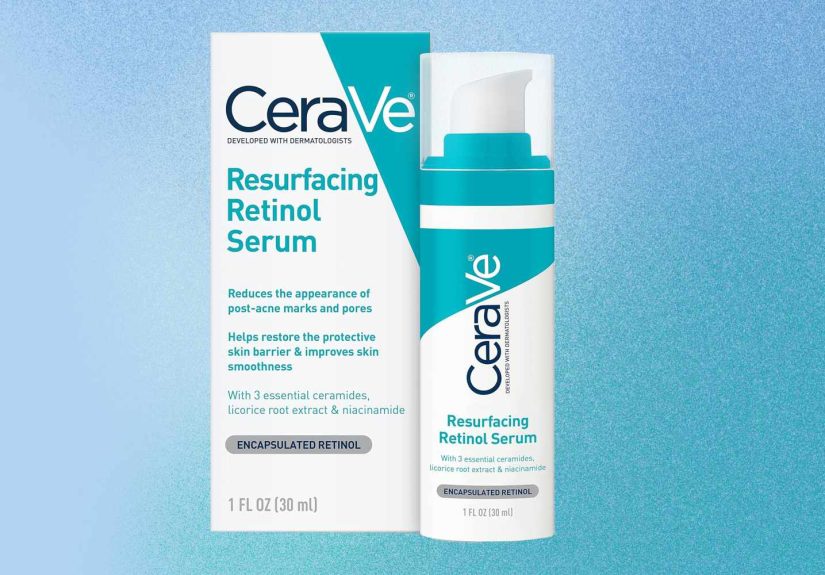
- CeraVe Resurfacing Retinol Serum (often chosen for post-acne marks, visible pores, and uneven tone).
Both are designed to be beginner-friendlier than many high-strength retinoids, and both center on retinol plus barrier-supporting ingredients.
Translation: you’re not choosing between “results” and “comfort” as harshly as you might with some other formulas.
Why Fine Lines and Dark Spots Happen in the First Place
Fine lines usually show up when collagen and elastin (your skin’s bounce-and-smooth support system) start to slow down with age,
and when daily sun exposure quietly stacks the deck against you. Dark spots can come from sun damage, hormonal shifts, or post-inflammatory
hyperpigmentation (PIH)those stubborn marks left after a breakout, irritation, or a “just one more squeeze” moment.
The tricky part: dark spots often get darker if the skin becomes irritated. That’s why “stronger” isn’t always “better,” especially if your
skin is sensitive or more prone to pigmentation from inflammation.
The Formula: Why CeraVe’s Retinol Serum Plays Nice With Your Skin Barrier
1) Encapsulated retinol (the main event)
CeraVe uses encapsulated retinol, which is basically retinol with a “slow-release” vibe. Encapsulation can help deliver the ingredient
more gradually, which may reduce the “retinol shock” (redness, stinging, and flaking) that scares people off before the glow shows up.
2) Ceramides (your barrier’s best friends)
CeraVe is famous for ceramideslipids naturally found in skin that help keep moisture in and irritants out.
Retinol can be drying at first, so pairing it with barrier-supporting ingredients is like bringing a responsible friend to a party.
(The friend who texts you to drink water and somehow is always right.)
3) Niacinamide (calm, collected, and helpful)
Both serums include niacinamide, which is often used to support a calmer-looking complexion and help with the look of uneven tone.
In a retinol routine, niacinamide is the “let’s not panic” ingredient.
4) Hydration support (hello, hyaluronic acid)
The Skin Renewing Retinol Serum includes hyaluronic acid for added hydration support.
When skin is hydrated, it generally looks plumperso fine lines can look softer even before retinol has fully done its long-term work.
5) Licorice root extract (brightening backup)
The Resurfacing Retinol Serum includes licorice root extract, a commonly used ingredient that helps brighten the look
of skin and supports a more even-looking toneespecially useful if you’re dealing with post-acne marks.
Bonus points: these serums are designed to be non-comedogenic (won’t clog pores) and are typically positioned as
fragrance-free, which can matter a lot when your skin is getting used to retinol.
How Retinol Helps Fine Lines and Dark Spots (Without Magical Thinking)
Fine lines: smoother look over time
Retinol is a vitamin A derivative known for encouraging skin to behave like it’s got a better sleep schedule: it supports cell turnover and is associated
with improvements in the look of fine lines, texture, and overall radiance with consistent use. The key word is consistent.
Dark spots: fade the look of uneven tone gradually
With discoloration, retinol can help by speeding up the turnover of pigmented cells, which can gradually improve the appearance of dark spots,
post-acne marks, and uneven tone. But if you overdo it and trigger irritation, your skin may respond with more noticeable discolorationso the best
strategy is often a gentler, steady approach.
Which One Should You Choose: Skin Renewing vs. Resurfacing?
Think of it like choosing shoes: both are technically footwear, but you don’t wear hiking boots to a wedding unless you’re making a statement.
Choose CeraVe Skin Renewing Retinol Serum if you want:
- A retinol serum aimed at fine lines, early wrinkles, and overall texture
- A formula that emphasizes hydration support (including hyaluronic acid)
- A “general anti-aging” nightly serum that layers easily
Choose CeraVe Resurfacing Retinol Serum if you want:
- Help targeting the look of post-acne marks (PIH) and uneven tone
- Support for smoother-looking texture and the appearance of pores
- A retinol option that includes licorice root extract for a brighter look
And yeseither can support fine lines and dark spots. The best pick is usually the one that fits your main goal (and your skin’s tolerance).
How to Use CeraVe’s Retinol Serum Without Starting a Flake Festival
Retinol rewards patience. It also punishes impatience. Here’s the routine that tends to keep things civilized.
Step-by-step (night routine)
- Cleanse gently and pat dry (no aggressive scrubbingyour skin isn’t a scorched pan).
-
Apply a pea-sized amount of retinol serum to the face, avoiding eyes, corners of the nose, and lips.
(Those areas love drama.) - Moisturize to support the barrier.
Beginner schedule (simple and realistic)
- Weeks 1–2: 2 nights per week
- Weeks 3–4: every other night (if comfortable)
- Week 5+: work up to nightly use only if your skin is truly chill with it
The “moisturizer sandwich” trick (for sensitive skin)
If you’re dry or reactive, try moisturizer → retinol serum → moisturizer. It can buffer the retinol a bit while your skin builds tolerance.
Is it glamorous? No. Is it effective? Often, yes.
Don’t skip sunscreen (seriously)
Retinoids can increase sun sensitivity. Daily broad-spectrum sunscreen isn’t optional if you’re trying to fade dark spots and protect your progress.
Otherwise, it’s like mopping the floor while someone’s still spilling coffee behind you.
What Not to Mix With Retinol (Or: How to Avoid a “Why Is My Face Angry?” Week)
Retinol can be used alongside many ingredients, but combining it with too many “strong actives” at once can overwhelm your barrier.
Common “separate these” combos include:
- AHAs/BHAs (glycolic, lactic, salicylic acids) in the same routine
- Vitamin C in the same nighttime routine (use it in the morning instead, if you like it)
- Benzoyl peroxide at the same time (alternate nights if needed)
What does pair well? Gentle cleansers, ceramide moisturizers, hyaluronic acid, and generally soothing, barrier-supportive formulas.
Results Timeline: When You’ll Actually Notice Changes
Let’s set expectations you can live with:
Weeks 1–2: the “adjustment era”
Mild dryness, flaking, or a little redness can happen as your skin adapts. If you get stinging that feels intense, scale back frequency
and lean into moisturizer.
Weeks 4–6: texture starts to look smoother
Many people notice early improvements in how skin feels and lookssmoother texture, more even radiancearound this stage with consistent use.
Weeks 8–12: fine lines and dark spots begin to budge
Dark spots and post-acne marks often take longer. A common benchmark is around 12 weeks to see clearer changes in uneven tone,
with continued improvement over several months.
3–6 months: the “oh, there it is” glow
With steady use, a simple routine, and daily sunscreen, retinol results tend to accumulate. This is when people often notice that makeup sits better,
skin looks more even, and fine lines feel less like they’re shouting.
Who Should Use Extra Caution (and Possibly Ask a Derm First)
-
Pregnant or trying to conceive: Many medical sources recommend avoiding retinoids during pregnancy.
When in doubt, skip retinol and ask your clinician for safer alternatives. - Breastfeeding: Ask a healthcare professional for personalized guidance.
- Very sensitive skin, eczema, rosacea-prone skin: You may need a slower schedule or a different approach.
- Skin of color prone to hyperpigmentation: Irritation can trigger darker marks, so go low and slow.
FAQ: Quick Answers for the Questions Everyone Googles at Midnight
Can I use CeraVe retinol serum every night?
Many people caneventually. Start slowly and increase only when your skin tolerates it comfortably. If you push too fast, your barrier will file a complaint.
Can I use it around my eyes?
Use caution. The eye area is sensitive, and many people prefer a dedicated eye retinol or simply keep facial retinol slightly away from the orbital area.
Will it help acne and post-acne marks?
Retinoids are commonly used to support clearer-looking pores and smoother texture, and the Resurfacing Retinol Serum is specifically marketed
toward post-acne marks and uneven tone. If acne is active and persistent, a dermatologist can help you choose the best retinoid strategy.
Is “purging” real?
Some people experience a short-term increase in breakouts as cell turnover shifts, especially if they’re acne-prone. If irritation is severe
or breakouts keep worsening past the early adjustment period, reassess frequency and consider professional guidance.
Bottom Line: A Simple Game Plan for Smoother, Brighter Skin
CeraVe’s retinol serums are popular for a reason: they combine retinol with barrier-supportive ingredients (ceramides, niacinamide, anddepending on the serumhyaluronic acid or licorice root extract),
making them a practical option for treating the look of fine lines and dark spots without going full “peel me like an orange.”
The winning combo is boring (in the best way): use retinol at night, start slowly, moisturize generously, and wear sunscreen daily.
Do that for a few months, and your skin usually rewards you with a smoother texture and more even-looking tone.
500+ words of experiences at the end
Real-World Experiences: What Using CeraVe’s Retinol Serum Often Feels Like (Week by Week)
People rarely talk about the emotional journey of retinol, so let’s fix that. Not with melodramajust the honest, common experiences many users describe
when they start a gentle retinol serum like CeraVe’s.
Week 1 feels suspiciously easy. A lot of beginners apply retinol twice in the first week and think, “Wow, my skin is unbothered.
I’m built different.” This is usually the part of the movie where the audience whispers, “Don’t go in there.” Retinol reactions can be delayed,
so a calm first week doesn’t mean you should immediately jump to nightly use.
Week 2–3 is when dryness tries to negotiate. Many people notice tightness around the mouth, a little flaking near the nose,
or makeup suddenly clinging like it’s afraid of falling off. This is typically where the “moisturizer sandwich” earns its paycheck.
Users who add a simple, fragrance-free moisturizer and reduce retinol nights often report they can stay consistent longerwhich is the whole point.
Some folks notice “micro-changes” before the big changes. Around weeks 4–6, people often describe skin looking a bit more even in the morning,
or feeling smoother when cleansinglike the face version of upgrading from scratchy towels to decent hotel towels. It’s not always dramatic,
but it’s the kind of progress that keeps you going.
Dark spots can be emotionally stubborn. Post-acne marks and sun spots don’t usually vanish overnight, and many users say this is the hardest part:
you’re doing the routine, you’re being responsible, you’re wearing sunscreen… and the spot is still there, living rent-free. A helpful mindset shift is to watch for
subtle fading at the edges, or how easily concealer blends over time. Progress can be gradual, and photos taken under the same lighting every few weeks can be more
honest than daily mirror inspections under bathroom LEDs (the least forgiving lighting known to humanity).
People who succeed tend to “simplify, not intensify.” When results are slow, the temptation is to add acids, scrubs, and five new actives.
But many experienced retinol users say their best results came from doing less: gentle cleanser, retinol, moisturizer, sunscreen.
When they kept the routine calm, they got fewer setbacksand fewer setbacks means more consistent retinol use.
Confidence often shows up quietly. By the 2–3 month mark, a lot of people report noticing that their skin texture looks more refined,
fine lines seem softer, and dark spots are less “loud.” The glow isn’t always a sudden “before/after” momentit’s more like realizing you’ve stopped thinking about
your skin as much. And honestly, that might be the best skincare win of all.