Table of Contents >> Show >> Hide
- What makes Nakagawa Towels from Analogue Life so interesting?
- Why a lighter, more textured towel can be better than a super-plush one
- The material story: linen, cotton, and that “better with age” quality
- Design appeal: why these towels look good even when they are just hanging there
- How to use Nakagawa Towels at home
- How to care for them without ruining the magic
- Are Nakagawa Towels from Analogue Life worth it?
- Everyday experiences with Nakagawa Towels from Analogue Life
- Conclusion
There are towels you buy because you need a towel, and then there are towels you buy because you want your bathroom to feel like it has a point of view. Nakagawa Towels from Analogue Life belong firmly in the second camp. They are the kind of textiles that make you pause for a second and say, “Wait, why does this humble rectangle of fabric feel so much more civilized than the pile of fluffy giants currently slumped on my towel bar?”
The answer is not marketing magic or fancy bathroom theater. It is material, weave, heritage, and a very Japanese understanding that daily-use objects deserve serious thought. The original “Fabrics & Linens: Nakagawa Towels from Analogue Life” spotlight introduced readers to towels from Nakagawa Masashichi Shoten, a Nara-based maker with centuries of textile history behind it. That pedigree matters, but what matters even more is what you feel in your hands: texture, lightness, absorbency, and the quiet confidence of a product that does not need to shout to prove it is good.
In a market crowded with plush, overbuilt bath towels that can take half a day to dry and a quarter of your linen closet to store, Nakagawa-style towels offer something different. They lean into restraint instead of excess. They feel thoughtful instead of showy. They are less “hotel buffet robe” and more “small, beautifully designed inn where someone has already figured out what actually works.”
What makes Nakagawa Towels from Analogue Life so interesting?
The short version is this: they sit at the intersection of heritage craft and modern living. Nakagawa Masashichi Shoten traces its roots to Nara and has long been associated with Japanese craft traditions. Analogue Life, meanwhile, has built a reputation for curating objects that feel calm, useful, and beautifully made. Put those two sensibilities together and you get textiles that are not trying to be trendy for a season. They are trying to be useful for years.
That combination gives Nakagawa Towels a distinctive appeal. They are not generic bath linens dressed up with a romantic product description. They come from a broader culture of household design where cloth is expected to do real work and age gracefully. In the original design coverage, the towels were described as being made from manually spun yarn and woven linen. That alone tells you a lot. These are not towels chasing fluff for fluff’s sake. They are towels built around touch, structure, and honest material character.
Analogue Life also helps frame the product in a way that many large retailers do not. Instead of presenting a towel as just another bathroom commodity, the shop context turns it into a considered household object. That matters because shoppers looking at Nakagawa Towels are usually not asking, “Will this dry my hands?” Of course it will. They are asking, “Will this improve my everyday routines?” That is a higher bar, and it is exactly where well-made linens shine.
Why a lighter, more textured towel can be better than a super-plush one
American shoppers are often trained to think bigger and fluffier means better. Sometimes that is true. A thick terry towel can feel wonderfully cozy, and testing from major home publications continues to show that plush cotton towels score well for softness and absorbency. But there is a catch: thick towels often dry more slowly, feel heavier, and can become musty more easily if your bathroom ventilation is not great. In other words, that cloud-like towel can turn into a damp loaf by lunchtime.
Nakagawa Towels offer a different kind of luxury. Instead of maximal pile, they emphasize balance. A lighter woven structure can absorb well, dry faster, and feel easier to handle day after day. If you have ever tried to hang a heavyweight bath sheet in a modest apartment bathroom, you already know that not every towel needs to behave like a weighted blanket.
This is where the appeal of Japanese bath textiles becomes especially clear. They often prioritize practical elegance: enough absorbency to do the job, enough breathability to dry efficiently, and enough texture to feel interesting. That makes them especially appealing to people who like linen bedding, natural wood, ceramic soap dishes, and other signs of a household where someone has opinions about both beauty and mildew prevention.
Terry, waffle, and woven towels: where Nakagawa fits in
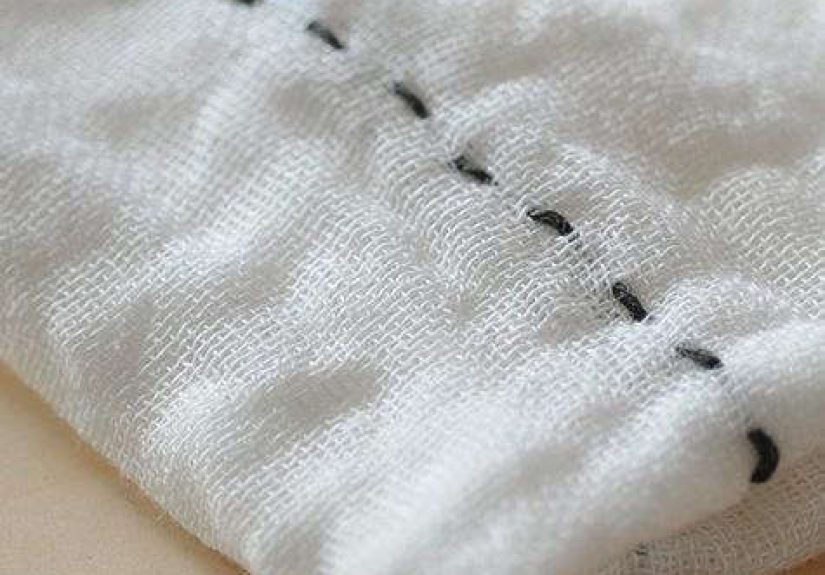
Most people know classic terry towels, with loops that maximize surface area and water absorption. They are the familiar standard. Waffle towels, on the other hand, use a raised grid that gives them a lighter hand and often faster drying time. Woven towels with linen or gauze-like character can go even further toward lightness, crispness, and a tactile feel that improves with use.
Nakagawa Towels sit comfortably in that latter world. They are for the person who likes fabric with personality. They are not trying to mimic a plush resort towel. They are doing something more subtle: offering performance with refinement. That makes them especially good for smaller homes, minimalist bathrooms, guest spaces, and anyone who wants a towel that looks as good folded as it feels in action.
The material story: linen, cotton, and that “better with age” quality
One of the smartest reasons to be interested in Nakagawa Towels from Analogue Life is the material story. Linen brings breathability, texture, and a cool hand. Cotton adds softness and absorbency. In Japanese household textiles, these materials are often used in ways that emphasize feel over flash. The result is a cloth that can seem modest at first touch, then become more appealing over time.
That “gets better with washing” idea is not just romantic copywriting. It shows up again and again in well-made towels and cloth goods. Analogue Life’s current bath textile offerings, for example, describe soft cotton towels that become even silkier with use and washing. Nakagawa’s broader cloth assortment also leans into fabrics that soften over time without losing their functional edge. This is a big part of the charm. You are not buying a static product. You are buying a textile that settles into your life.
That is also why these towels appeal to people who are tired of bath linens that feel impressive for three laundry cycles and then start acting like they have given up on the relationship. Better fibers and smarter construction create a different long-term experience. The towel may begin with a slightly firmer or leaner hand than a plush terry model, but the payoff is durability, character, and a less bloated drying routine.
Design appeal: why these towels look good even when they are just hanging there
Some towels are visually loud. They are oversized, overtrimmed, or so fluffy they look like they belong in a luxury hotel brochure next to a bowl of suspiciously perfect lemons. Nakagawa Towels take a quieter route. Their appeal is in proportion, weave, drape, and material honesty.
That matters more than people think. In a bathroom, textiles do a lot of aesthetic heavy lifting. They soften hard surfaces, bring warmth to tile and stone, and create a sense of ritual. A towel with texture and a natural palette can make even a simple bathroom feel layered and intentional. It can also work beyond the bath. Many craft-minded towels are equally at home in a kitchen, on a guest tray, or packed for travel.
This flexibility is one reason design lovers gravitate toward shops like Analogue Life. The products are rarely single-note. A towel is not just a towel. It is part of a broader domestic language that values restraint, utility, and materials that reveal their quality slowly. Very slowly, if necessary. Like a great loaf of sourdough, but less crumbly.
How to use Nakagawa Towels at home
In the bathroom
If you want a spa-like bathroom without buying twelve matching accessories you will secretly hate by next summer, start with the towel. A Nakagawa-style towel works well as a daily hand towel, guest towel, or compact bath towel for smaller spaces. Because the look is understated, it pairs beautifully with wood stools, ceramic trays, brass hooks, and neutral stone or white tile.
In the kitchen
Many Japanese cloth makers blur the line between bath, hand, and kitchen textiles. That is a good thing. If the towel has a quick-drying weave and a manageable size, it can be incredibly useful near the sink. It wipes hands, handles condensation, and dries cleanly without becoming a soggy little tragedy by mid-afternoon.
For guests and travel
Lighter, breathable towels also make excellent guest linens and travel companions. They store more easily, dry faster between uses, and feel less bulky in a suitcase or overnight bag. If you like the idea of bringing your own dependable towel on trips, this style makes much more sense than lugging around a massive terry bath sheet that behaves like it is charging by the pound.
How to care for them without ruining the magic
If you invest in better bath linens, do not sabotage them with bad laundry habits. Towels do best when they are washed with some care, especially if they include natural fibers like linen or softly woven cotton. The goal is simple: preserve absorbency, avoid residue, and let the fabric breathe.
First, skip the heavy hand with fabric softener. This is one of the most common mistakes people make with towels. Over-softening agents can coat fibers and reduce absorbency, which is a ridiculous fate for a towel. That is like buying a violin and then filling it with pudding.
Second, wash towels separately from heavily linting items and avoid overstuffing the machine. They need room to rinse well. For towels with linen content or a refined weave, a mild detergent and cooler wash are usually the safer choice. Harsh bleach is also best used carefully, if at all, because it can weaken fibers and affect color.
Third, dry them thoroughly between uses. Faster-drying towels have a built-in advantage here, but even the best fabric can go sour if it is left in a heap. Hang the towel open, not bunched on a tiny hook where it stays damp in the middle like a secret swamp. A simple bar or rack is your friend.
Finally, expect the hand-feel to evolve. Some of the best towels are not at their peak on day one. They relax, soften, and become more expressive with washing. That is not a flaw. That is the whole point.
Are Nakagawa Towels from Analogue Life worth it?
They are worth it for the right person. If your dream towel is ultra-thick, oversized, and fluffy enough to engulf a medium-sized adult in one dramatic swoop, you may prefer a different style. But if you care about craft, texture, thoughtful design, and practical drying performance, Nakagawa Towels make a strong case for themselves.
They also appeal to anyone trying to build a home with fewer, better things. Instead of buying a stack of mediocre towels every couple of years, you buy textiles with character and use them often. That approach tends to feel better, look better, and create less clutter. It is not about being precious. It is about choosing objects that do their jobs beautifully.
And honestly, that is part of the joy. A really good towel is one of the least flashy upgrades you can make, but it affects daily life more than many bigger-ticket purchases. You touch it constantly. You rely on it without thinking. When it is well designed, your routines become just a little smoother. That may not sound glamorous, but it is the kind of domestic luxury that lasts.
Everyday experiences with Nakagawa Towels from Analogue Life
Living with a towel like this changes your expectations in small but noticeable ways. The first experience is usually visual. You hang it up and immediately see that it behaves differently from a standard department-store towel. It does not slump into a puffy heap. It hangs with a cleaner line, a little more drape, and a little more intention. Even before you use it, it already feels like part of the room rather than an afterthought.
Then comes the tactile surprise. Instead of that aggressively fluffy finish many mass-market towels aim for, a Nakagawa-style towel often feels more textured, more honest, and somehow more grown-up. It is the fabric equivalent of meeting someone who is quietly well dressed and does not need to mention it every three minutes. The fibers feel purposeful. The weave has character. There is substance without bulk.
In real life, that translates to ease. After a shower, the towel feels absorbent without becoming heavy in your hands. It does not instantly turn into a wet carpet sample. It dries your skin efficiently, then dries itself more quickly on the rack. In a humid bathroom, that difference is not minor. It is the difference between fresh and funky, between orderly and slightly suspicious.
There is also a ritual aspect to using a better towel. You notice the act more. Drying your hands after washing dishes, folding the linen after laundry day, setting out a fresh towel for a guest, all of it feels a touch more considered. These are not dramatic life changes, obviously. No towel is going to fix your inbox or teach your houseplants emotional resilience. But it can improve the texture of everyday moments, and that matters.
Another satisfying experience is how these towels tend to age. Instead of peaking early and flattening into disappointment, they often become more appealing with time. The fabric softens. The weave settles. The towel feels more like yours. It starts as an object you bought and becomes part of the background architecture of daily life. That is the sweet spot for great household design: useful enough to disappear into routine, special enough to be appreciated every time it reappears.
Guests notice, too, even if they do not always have the language for it. They may not say, “Ah yes, an excellent expression of Japanese textile restraint,” because most houseguests are not auditioning for a design symposium. But they do register that the towel feels nice, looks beautiful, and seems unusually well chosen. That quiet impression is powerful. It suggests a home where details are cared for, not fussed over.
For many people, the best part is how a towel like this shifts the definition of luxury. Luxury stops meaning “bigger, fluffier, more expensive-looking” and starts meaning “smarter, calmer, and more satisfying to use.” That is a valuable reset. It reminds you that the things you handle every day deserve just as much design intelligence as the dramatic statement pieces.
So the experience of owning Nakagawa Towels from Analogue Life is not really about a single wow moment. It is about accumulation. One good morning after another. One neat fold. One fast dry. One less musty surprise. One more reason to believe that the domestic essentials of life can be both practical and beautiful. Not bad for a towel, really.
Conclusion
Nakagawa Towels from Analogue Life stand out because they make a strong argument for thoughtful utility. They combine the credibility of Japanese textile tradition with the understated elegance of a well-curated home shop. More importantly, they perform in the ways that actually matter: absorbency, drying time, tactile pleasure, and long-term livability.
If you are building a bathroom or linen collection around calm design, natural fibers, and objects that improve with time, these towels deserve a serious look. They are not chasing attention. They are earning attachment. And in the world of fabrics and linens, that is often the better deal.