Table of Contents >> Show >> Hide
- What Chicago Faucets’ Distilled Water Faucet Really Is
- Why Distilled Water Needs a Special Faucet
- How Chicago Faucets Builds for Laboratory Use
- Notable Configurations in the Chicago Faucets Line
- How to Choose the Right Chicago Faucets Distilled Water Faucet
- Where This Faucet Makes the Most Sense
- Experience-Based Takeaways From the Field
- Final Verdict
- SEO Tags
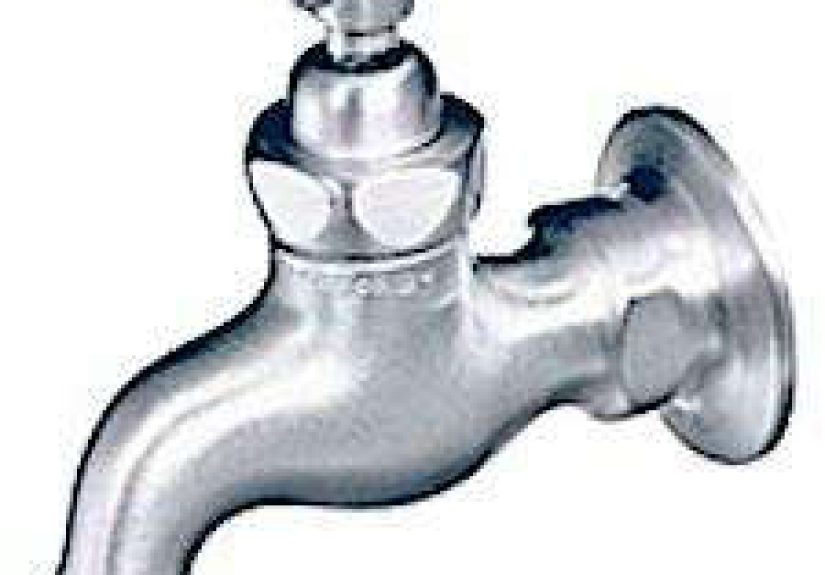
If the phrase distilled water faucet makes you picture a sleek little tap beside a farmhouse sink, Chicago Faucets is here to gently interrupt that fantasy with a lab coat and a spec sheet. In the Chicago Faucets universe, a distilled water faucet is not a decorative afterthought. It is a purpose-built laboratory fitting designed to protect water quality, resist corrosion, reduce contamination risk, and survive the kind of daily use that would make most residential fixtures cry for help.
That distinction matters. Distilled, deionized, reverse osmosis, and reagent-grade water are far less forgiving than ordinary tap water. High-purity water can pull ions from the wrong materials, pick up contamination during storage and dispensing, and lose quality at the point of use. That means the last few inches of the system, including the faucet, are not just plumbing details. They are part of the water-quality strategy.
Chicago Faucets has built a strong reputation in institutional and laboratory plumbing, and its distilled water faucet offerings reflect that focus. Instead of one generic product, the brand offers a family of pure-water fittings in different materials and mounting styles, including tin-lined, PVC, Tygon-lined, and other chemically compatible configurations. So when people talk about Chicago Faucets’ distilled water faucet, they are usually talking about a specialized lab fixture chosen to match the water type, the application, and the risk tolerance of the facility.
What Chicago Faucets’ Distilled Water Faucet Really Is
At its core, a Chicago Faucets distilled water faucet is a laboratory point-of-use fitting made for purified water service. That sounds simple, but it is doing several jobs at once. It needs to deliver water reliably, resist interaction with the water itself, help users identify the service quickly, and stand up to frequent operation in busy environments such as chemistry labs, healthcare facilities, teaching labs, clean support areas, and industrial testing spaces.
One of the smartest things about the Chicago Faucets approach is that it does not pretend all pure water applications are the same. Some facilities need a tin-lined chrome fitting because they want a familiar metal exterior with a lining that helps protect water purity. Others want thermoplastic options such as PVC, polypropylene, or PVDF because material compatibility is the whole ballgame. Still others need Tygon-lined fittings or recirculating water designs where preserving purity is the top priority. In other words, Chicago Faucets does not treat pure water like a one-size-fits-all category, and that is exactly the right attitude.
Many models also use clear service identification, including distilled-water indexing marked “DW,” which is a small detail with big operational value. In a laboratory, where multiple services may sit side by side, anything that reduces confusion is more than a convenience. It is a safety feature disguised as a label.
Why Distilled Water Needs a Special Faucet
High-purity water is surprisingly demanding
Regular domestic faucets are made for regular water. Distilled and deionized water are different creatures. Ultra-pure water is often described as aggressive because it can extract ions or contaminants from materials it touches. That means the faucet body, lining, internal wetted surfaces, and even storage conditions all matter. A beautiful standard faucet can become a terrible idea the moment water quality becomes mission-critical.
Point-of-use quality can make or break the system
Laboratories do not spend money purifying water just to let it pick up contamination right before use. The point of use is where water meets reality: air, surfaces, tubing, valves, and user habits. A faucet built specifically for distilled or reagent water helps reduce the chance that the final dispense becomes the weak link in an otherwise high-performing system.
Material selection is not a luxury; it is the assignment
This is why Chicago Faucets offers multiple material strategies. Tin-lined fittings can support distilled-water service while keeping the familiar lab-faucet form factor. PVC options are useful where corrosion resistance and chemical compatibility are priorities. Tygon-lined and fluoropolymer-based solutions are valuable where facilities want materials that are inert, low-leaching, and suited to higher-purity applications. Choosing the wrong material is a little like buying running shoes for scuba diving: technically you bought equipment, but spiritually you have missed the point.
How Chicago Faucets Builds for Laboratory Use
Chicago Faucets’ distilled and pure-water fittings look practical because they are practical. These products are built around laboratory habits and laboratory problems rather than kitchen aesthetics. Common design elements include gooseneck spouts, serrated laboratory nozzles for hose attachment, self-closing cartridges, vandal-resistant handles, and wall- or deck-mount configurations that fit crowded work areas.
A strong example is the brand’s tin-lined distilled water lineup. Wall-mounted and deck-mounted versions are available, and several feature a rigid or swing gooseneck spout with a serrated full-flow laboratory nozzle. That nozzle style is helpful when users need quick hose connection for filling, rinsing, or transfer tasks. Chicago Faucets also uses its Klo-Self self-closing cartridge on several models, which helps deliver immediate shutoff and reduces the chance of a faucet being left on during a rushed lab session. In facilities where water conservation, housekeeping, and process control all matter, that is a meaningful advantage.
Then there are the pure-water options outside the classic tin-lined look. Chicago Faucets also offers deck-mounted PVC pure-water fittings and Tygon-lined pure-water fittings, as well as broader pure-water selections in polypropylene and PVDF for facilities with more specialized compatibility needs. That range is one of the biggest reasons the brand remains relevant in institutional specifications. It acknowledges that purified water is not one application but a family of applications.
Notable Configurations in the Chicago Faucets Line
Here is where the lineup gets more interesting. The company’s distilled water and pure-water catalog includes several configurations that serve different workflows and installation constraints.
- 970-CTF: a wall-mounted, tin-lined distilled water faucet with a gooseneck spout, serrated laboratory nozzle, cross handle, and self-closing cartridge.
- 969-CTF: a deck-mounted, tin-lined distilled water faucet for point-of-use service where bench mounting makes more sense.
- 972-CTF: another wall-mounted distilled water option, commonly identified with a removable serrated nozzle outlet.
- 869-BPVC: a deck-mounted PVC distilled water faucet for facilities prioritizing thermoplastic chemical resistance.
- 838-CP: a deck-mounted Tygon-lined pure water fitting that expands the conversation beyond classic tin-lined designs.
- 969-SAM: a satin antimicrobial-finish distilled water fitting for spaces that want the same lab function with a finish tailored to demanding environments.
That range tells you something important: Chicago Faucets is not trying to sell one hero product. It is offering a platform. A school lab, hospital support space, research facility, and industrial quality-control room may all need purified water, but the mounting method, material compatibility, user behavior, and cleaning expectations can be completely different. Chicago Faucets gives specifiers room to match the faucet to the room instead of forcing the room to surrender to the faucet.
How to Choose the Right Chicago Faucets Distilled Water Faucet
Start with the water, not the finish
The first question is not “Which one looks best?” It is “What kind of water will flow through it?” Distilled water, deionized water, RO water, and reagent-grade water may call for different wetted materials and design priorities. If purity targets are strict, material compatibility should lead the conversation.
Match mounting style to workflow
Wall-mounted models are great when counter space is limited or when splash control and hose positioning matter. Deck-mounted models are often more convenient when the faucet must live right at the work surface. Neither is universally better. The better choice is the one that fits the bench layout, vessel height, clearance, and user movement in the space.
Think about shutoff behavior
Self-closing models are especially attractive in busy labs because they reduce waste and the risk of accidental running water. If the application involves short, repeated draws, that feature can quietly improve operations every single day.
Consider maintenance reality
Chicago Faucets’ own installation and maintenance guidance points to the basics: follow local plumbing codes, flush lines thoroughly after installation, clear debris from the outlet or flow-control area, and avoid abrasive cleaners, harsh chemicals, or solvents. That sounds ordinary, but in practice it is where good equipment lives or dies. A purified-water faucet deserves purified treatment, or at least the emotional equivalent.
Where This Faucet Makes the Most Sense
Chicago Faucets’ distilled water faucet is a strong fit for laboratories and institutional settings where purified water is part of daily operations rather than a once-in-a-while luxury. University science labs, healthcare laboratories, biotech support rooms, industrial testing areas, and facilities with centralized purified-water systems are obvious candidates. It also makes sense in environments where users need service identification, rugged hardware, and predictable shutoff behavior.
It makes less sense as a trendy residential add-on purchased simply because the phrase “distilled water faucet” sounds fancy. This is a product category built around performance, compatibility, and operational control. The good news is that in the right environment, that seriousness is exactly what makes it attractive.
Experience-Based Takeaways From the Field
One of the most common lessons from facilities that deal with purified water is that people tend to focus on the big, glamorous equipment first. They will debate purification skids, resistivity targets, storage tanks, UV stages, and recirculation loops for weeks. Then the point-of-use faucet gets treated like a footnote. That is usually the moment the problems begin. In real lab environments, the faucet is where purity goals meet human behavior, and human behavior has a remarkable talent for testing every weak assumption in a system.
A typical example is the teaching lab that installs a generic faucet at a purified-water sink because it looks durable enough. On paper, that seems harmless. In practice, users start attaching tubing, filling flasks, rinsing glassware, and leaving the handle partially open between tasks. Before long, the room wants better labeling, easier shutoff, more secure hose connection, and more confidence that the water touching the final wetted surfaces is not picking up the wrong contaminants. A Chicago Faucets distilled water fitting solves several of those problems at once because it was designed for that kind of use from the start.
Another common experience comes from facilities teams who discover that the words distilled water are not enough to define the job. The actual requirement may be distilled today, deionized tomorrow, and RO-polished water in another room down the hall. That is why Chicago Faucets’ broader pure-water catalog matters so much. Teams can move from tin-lined metal-bodied fittings to PVC, Tygon-lined, polypropylene, or PVDF-based options depending on what the water demands. The practical value is not just chemical compatibility. It is standardization. Once a facility trusts one manufacturer’s lab platform, expanding within that platform becomes much easier.
Users also tend to appreciate details they did not think they needed. The serrated laboratory nozzle is a perfect example. It does not sound glamorous, but the first time someone has to attach tubing securely during a rushed setup, it suddenly becomes the hero of the bench. The same is true for self-closing cartridges. Nobody throws a party for immediate shutoff, yet it quietly prevents wasted water, messy sinks, and the universal lab mystery known as “who left this running?”
Cleaning and upkeep tell a similar story. In spaces where purified water matters, maintenance staff quickly learn that aggressive cleaners and random repair habits are not compatible with water-quality discipline. A faucet designed for laboratory use is easier to manage because the care instructions are clear, the service purpose is defined, and the product is not pretending to be something it is not. That may be the most reassuring thing about Chicago Faucets’ distilled water line: it is honest equipment. It looks like work because it was built for work.
Over time, the best experiences with these faucets usually come from teams that stop thinking of the faucet as an accessory and start treating it as a critical component of the distribution system. Once that mindset clicks, decisions become clearer. The conversation moves from finish and price alone to water type, wetted materials, user traffic, shutoff style, mounting geometry, and maintenance discipline. That is a much better conversation, and it usually ends with fewer headaches.
Final Verdict
Chicago Faucets’ distilled water faucet is not about style points. It is about protecting purity at the place where water is actually used. That makes it a smart choice for laboratories and institutional spaces that need dependable point-of-use performance, material compatibility, clear service identification, and durable operation. Whether the right answer is a tin-lined wall-mount, a deck-mounted PVC model, a Tygon-lined fitting, or another pure-water configuration, the brand’s biggest strength is that it treats purified water as a technical requirement instead of a marketing adjective. In the world of lab plumbing, that is exactly the kind of boring brilliance you want.