Table of Contents >> Show >> Hide
- Why a Laundry Box Matters in a Children's Room
- What Was the Garnet Hill Laundry Box?
- Key Features That Make a Laundry Box Kid-Friendly
- How to Use a Garnet Hill-Style Laundry Box in a Child's Room
- Design Ideas for Styling a Laundry Box in a Children's Room
- Safety Considerations for Children's Laundry Storage
- Garnet Hill Laundry Box vs. Traditional Hampers
- How a Laundry Box Helps Teach Responsibility
- Best Items to Store in a Children's Laundry Box
- Cleaning and Maintaining a Fabric Laundry Box
- Small-Room Tips: Making the Laundry Box Work in Tight Spaces
- Buying Guide: What to Look for in a Garnet Hill-Style Laundry Box Today
- Common Mistakes Parents Make With Children's Laundry Storage
- Real-Life Experiences With a Children's Room Laundry Box
- Conclusion
A child’s room has a magical ability to transform from “adorable little sanctuary” into “tiny laundry tornado zone” in approximately seven minutes. One sock lands under the bed. A hoodie drapes itself over a chair like it pays rent. Pajamas somehow migrate to the bookcase. And the laundry basket? If it is too bulky, too boring, or too far away, it might as well be located on another continent.
That is why the idea behind the Garnet Hill Laundry Box still feels smart: a lightweight, collapsible, colorful laundry box designed to make dirty clothes easy to gather, easy to move, and easy to hide when not in use. While the original Garnet Hill children’s laundry box is best understood as an archived or past product rather than a guaranteed current item, its design principles remain extremely relevant for modern children’s room organization.
In this guide, we will explore what made the Garnet Hill Laundry Box appealing, how a laundry box can improve a child’s bedroom, what features parents should look for in a kid-friendly hamper, and how to build a laundry routine that does not require yelling “Where are your socks?” every morning like a household alarm clock.
Why a Laundry Box Matters in a Children’s Room
A laundry box may sound like a small detail, but in a child’s room, small details often decide whether a system works. Children are more likely to use storage when it is visible, reachable, lightweight, and easy to understand. A hamper tucked deep inside a closet may look tidy to adults, but to a child, it can feel like a secret mission. A laundry box placed near the bed, closet, or bathroom door gives dirty clothes a clear destination.
The main keyword here is simple: children’s room laundry box. But the real goal is bigger than one container. A good laundry box supports a daily habit. It teaches kids that clothing does not belong on the floor, damp towels need air, and pajamas do not become “clean again” just because they were placed on top of a chair overnight. Nice try, though.
For parents, the benefit is equally practical. A dedicated laundry box reduces visual clutter, keeps the room easier to clean, and helps laundry day move faster. Instead of hunting through toy bins, under pillows, and behind doors, you can collect one container and move on with your life.
What Was the Garnet Hill Laundry Box?
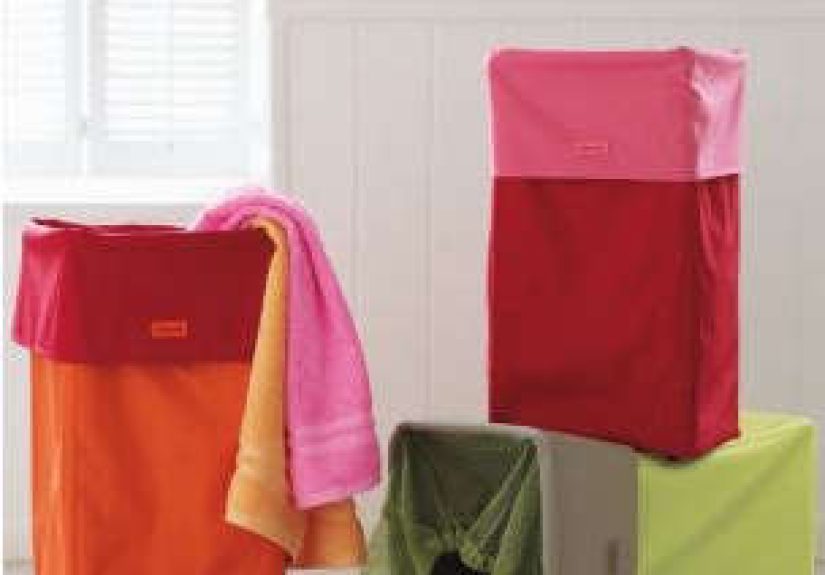
The Garnet Hill Laundry Box was described as a colorful, collapsible, lightweight laundry solution for children’s rooms. Archived product descriptions note that it used poly-fabric construction, included a mesh cover secured with a drawstring, had rubber feet for stability, and came in bright colors such as green, orange, and red. In other words, it was not trying to be a heavy, furniture-like hamper. It was designed to be practical, playful, and easy to move.
That combination is important. Children’s rooms need storage that can survive real life. A hamper may need to hold pajamas, sports uniforms, dance clothes, beach towels, stuffed animals temporarily “rescued” from the floor, or the mysterious single sock that appears every Tuesday. A collapsible laundry box gives families flexibility because it can be used when needed and stored away when space is tight.
The Garnet Hill approach also fits a larger design trend: children’s storage should not feel like punishment. Bright color, soft construction, and simple access help make cleanup feel less like a chore and more like a normal part of the room.
Key Features That Make a Laundry Box Kid-Friendly
1. Lightweight Construction
A children’s hamper should not feel like gym equipment. Lightweight materials make it easier for children to carry or drag the laundry box to the laundry room with supervision. This helps children participate in household routines without making the task feel overwhelming.
2. Collapsible Design
A collapsible laundry box is especially useful in small bedrooms, shared rooms, dorm-style spaces, vacation homes, and apartments. When empty, it can flatten or fold away. When full, it becomes a practical catchall. This is the kind of design that parents appreciate because it saves space without asking the room to perform architectural miracles.
3. Breathable or Mesh Elements
A mesh cover or ventilated design helps airflow, which is useful when children toss in damp towels, sweaty sports clothes, or socks that have clearly lived a dramatic life. Ventilation does not replace washing items promptly, but it can help reduce trapped moisture and odor.
4. Easy Closure
The archived Garnet Hill Laundry Box used a mesh cover with a drawstring. A closure can help contain laundry during transport and keep visual clutter hidden. For very young children, parents should always check cords, drawstrings, and small parts for safety and supervise use appropriately.
5. Stable Base
Rubber feet or a sturdy base help keep a laundry box from sliding around. In a child’s room, where running, jumping, and dramatic storytelling may all happen before breakfast, stability matters.
6. Cheerful Color
Color is not just decoration. A bright laundry box can act as a visual cue. “Put your clothes in the orange box” is easier for many kids than “Please place your garments in the appropriate household textile receptacle.” The first one sounds like parenting. The second one sounds like a robot teaching laundry etiquette.
How to Use a Garnet Hill-Style Laundry Box in a Child’s Room
Place It Where Clothes Naturally Land
Do not place the laundry box where you wish your child changed clothes. Place it where your child actually changes clothes. If pajamas usually land beside the bed, put the box near the bed. If school uniforms land near the closet, place the box there. Good organization follows behavior first, then gently improves it.
Create a Simple Sorting System
For young children, one laundry box is enough. For older kids, you can introduce two categories: everyday clothes and special-care items. If you have multiple children, consider giving each child a different color hamper or label. Color-coded systems work because they remove debate. The red box belongs to one child, the green box belongs to another, and the mystery pile belongs to nobody, which means it belongs to the nearest parent. Somehow.
Use Labels for Early Readers
A label that says “Laundry,” “Dirty Clothes,” or “Wash Me” can make the system easier. For preschoolers, use picture labels: a sock icon, a shirt icon, or a simple laundry basket drawing. The goal is to make the room explain itself.
Make Laundry Part of the Evening Routine
One of the easiest habits is the “floor check” before bed. Ask your child to pick up clothes and place them in the laundry box as part of the bedtime routine. Keep it brief. Nobody wants a 45-minute archaeological dig for socks at 8:30 p.m.
Empty It on a Schedule
A laundry box works best when it is emptied regularly. For small children, parents can collect it. For older kids, laundry collection can become a weekly responsibility. The system should match the child’s age, room layout, and family laundry schedule.
Design Ideas for Styling a Laundry Box in a Children’s Room
The best children’s room storage blends function and style. A Garnet Hill-style laundry box can fit many bedroom themes, from bright and playful to soft and neutral. If the room has bold bedding, choose a laundry box in a coordinating color. If the room is calmer, a simple fabric hamper can add texture without shouting for attention.
For a woodland-themed room, place the laundry box near a wood bookcase or soft rug. For a coastal room, pair it with striped bedding and woven baskets. For a modern room, choose a clean-lined hamper in a saturated color. The point is not to make laundry glamorous. That may be impossible. The point is to make the laundry container look intentional instead of like an apology sitting in the corner.
Safety Considerations for Children’s Laundry Storage
When selecting any laundry box or hamper for a child’s room, safety should come before style. Choose lightweight designs with smooth edges. Avoid heavy lids that can pinch fingers. Check that handles are secure and that no small decorative parts can detach. For toddlers and very young children, avoid long cords or drawstrings that could create hazards.
Parents should also keep laundry detergent, stain removers, bleach, pods, and cleaning products completely separate from children’s room storage. A laundry box is for clothing, towels, and washable fabric itemsnot for detergent. Laundry products should stay in original containers, closed tightly, and stored out of sight and reach of children.
If the room also includes dressers or shelves, make sure heavier furniture is properly anchored according to safety guidance. A soft laundry box is not a major tip-over risk, but the broader room setup still matters. Organization should make a room safer, not simply prettier.
Garnet Hill Laundry Box vs. Traditional Hampers
Traditional Wicker Hampers
Wicker hampers can look beautiful, but they may be heavier, rougher around the edges, or harder for small children to move. They work well in older children’s rooms or nurseries where adults handle most laundry collection.
Plastic Laundry Baskets
Plastic baskets are affordable and easy to clean. However, they are often open-top, bulky, and not always attractive enough to leave in a decorated room. They are better for transporting laundry than for permanent bedroom storage.
Canvas Hampers
Canvas hampers are popular because they feel soft, casual, and decorative. Many children’s room storage collections use cotton, linen, or canvas-like materials for laundry, toys, and diapers. A canvas hamper with handles can be a good modern alternative to the original Garnet Hill Laundry Box.
Collapsible Laundry Boxes
This is where the Garnet Hill-style design shines. A collapsible laundry box combines the portability of a basket with the soft look of fabric storage. It is especially useful for kids who need a simple, lightweight place to toss laundry every day.
How a Laundry Box Helps Teach Responsibility
A children’s room laundry box is not just storage. It is a tiny life-skills station. When children learn to place clothes in the hamper, they begin to understand routines, responsibility, and shared household care. The habit is small, but it matters.
Start with one instruction: “Clothes go in the laundry box.” Once that habit is steady, add another: “Check pockets before laundry day.” Then later: “Bring the laundry box to the laundry room.” Over time, children learn that laundry is not a magical service performed by invisible pajama fairies. Although, frankly, many parents deserve a fairy staff.
For younger kids, make it playful. Set a two-minute cleanup timer. Let them toss soft clothes into the box like a basketball game. For older kids, connect laundry routines to independence: clean uniforms, favorite hoodies, and matching socks are easier to find when dirty clothes start in one place.
Best Items to Store in a Children’s Laundry Box
A laundry box is mainly for dirty clothes, but it can support other room routines too. Use it for pajamas, socks, school clothes, sportswear, towels, washable blankets, and dress-up clothes that need cleaning. If the box is clean and empty, it can temporarily hold stuffed animals, extra bedding, or seasonal clothes during a room reset.
However, do not let it become a permanent toy bin unless that is your chosen purpose. Multi-use storage is helpful, but too many jobs can confuse children. If the box is for laundry, keep it for laundry most of the time. Otherwise, Monday’s dirty socks may end up sharing space with plush dinosaurs, and nobody wins that fragrance battle.
Cleaning and Maintaining a Fabric Laundry Box
Fabric laundry boxes need occasional care. Shake out lint and dust weekly. If the material allows, wipe the inside with a damp cloth and let it dry fully before adding clothes. If there is a removable liner, wash it according to the care label. Always check the manufacturer’s instructions before machine washing any fabric hamper.
To prevent odor, avoid leaving damp clothes inside for long periods. Wet swimsuits, muddy sports clothes, and towels should go directly to the laundry area or hang to dry before washing. A laundry box helps organize clothing, but it cannot defeat mildew through optimism alone.
Small-Room Tips: Making the Laundry Box Work in Tight Spaces
In a small children’s room, every inch counts. A collapsible laundry box is useful because it can fit beside a dresser, inside a closet, under a hanging clothing rod, or near the bedroom door. If floor space is limited, choose a narrow hamper or a soft-sided box that can compress slightly when empty.
Keep the pathway clear. Children are more likely to use the hamper when they do not have to move toys, shoes, or furniture to reach it. For shared bedrooms, place one laundry box per child if space allows. If not, use one central box and add a weekly sorting routine.
Another useful strategy is the “drop zone.” Place the laundry box near the area where backpacks, shoes, or uniforms are handled. This creates a natural end-of-day routine: shoes off, backpack down, dirty clothes in the box, snack acquired. The snack may be the most important step, according to many children.
Buying Guide: What to Look for in a Garnet Hill-Style Laundry Box Today
If you are looking for a modern alternative to the original Garnet Hill Laundry Box, focus on the features rather than the exact product name. Look for a collapsible fabric laundry box or children’s hamper with a lightweight frame, soft sides, strong handles, ventilation, and a kid-friendly size.
Choose materials that fit your lifestyle. Cotton canvas looks classic and soft. Polyester blends may be easier to wipe clean. A waterproof or water-resistant lining can be helpful for damp items, but it should still be aired out regularly. A drawstring top is useful for transport, while an open-top design may be easier for younger children.
For design, choose a color or pattern your child likes but will not outgrow instantly. Dinosaurs are wonderful, but if your child changes favorite animals every three weeks, a solid color may be safer. You can always add personality with a label, ribbon, or nearby wall hook.
Common Mistakes Parents Make With Children’s Laundry Storage
Choosing a Hamper That Is Too Tall
If a child cannot easily reach the opening, clothes will not make it into the hamper. They will land beside it in a tragic little fabric moat.
Hiding the Hamper Too Well
A hidden hamper may please adults visually, but it can fail functionally. Children need obvious systems. Put the laundry box where it can be seen and used.
Using One Basket for Everything
If the same container holds clean clothes, dirty clothes, toys, and art projects, confusion is guaranteed. Give the laundry box one main job.
Letting It Overflow
An overflowing hamper sends the message that the system is broken. Empty it before it becomes Mount Laundrymore.
Real-Life Experiences With a Children’s Room Laundry Box
After using a Garnet Hill-style laundry box concept in children’s rooms, one thing becomes obvious: the hamper has to be easier than the floor. That is the entire secret. Children are not usually trying to create chaos. They are simply moving quickly, thinking about snacks, homework, toys, pets, and whether their sibling breathed too loudly. A laundry box needs to interrupt that chaos gently.
In one shared bedroom setup, placing a lightweight laundry box between two beds worked better than putting two hampers in the closet. The closet looked neater in theory, but the floor told the truth. Pajamas and socks kept landing near the beds. Once the laundry box moved to the natural drop zone, clothes started going into it more often. The room did not become perfect, but it became easier to reset in five minutes.
Another useful experience is color-coding. When children have separate laundry boxes, arguments decrease. A red box for one child and a green box for another makes laundry ownership visible. If a soccer uniform is missing, everyone knows where to check first. This does not eliminate all laundry mysteries, of course. Socks still vanish into another dimension. But it reduces the daily detective work.
For younger children, the best method is to make laundry physical and simple. One family used a “laundry toss” game at bedtime. The child picked up each clothing item and tossed it into the soft laundry box from a short distance. Because the box was lightweight and had soft sides, it felt playful rather than strict. The game took less than two minutes, and the floor stayed clearer.
For older kids, the laundry box becomes part of independence. A middle-school child may not care deeply about room decor, but they care when their favorite hoodie is missing. Teaching them to empty the hamper on a set day gives them control over their clothes. The lesson is practical: if you want clean clothes, the laundry has to leave the bedroom.
A collapsible laundry box also helps during seasonal cleanouts. When switching from summer clothes to school-year clothing, an empty laundry box can temporarily hold items for sorting. Too-small shirts can go in one pile, out-of-season clothes in another, and washable items in the hamper. Because the box is portable, it can move from bedroom to laundry room to donation area without requiring a complicated system.
The biggest lesson from real homes is that children’s organization must be forgiving. A beautiful hamper that requires careful lid lifting, perfect folding, or adult-level patience will probably fail. A simple laundry box succeeds because it asks very little: open, toss, done. That is exactly the level of complexity most families need on a school night.
The Garnet Hill Laundry Box remains a useful inspiration because it understood the assignment. It was colorful, lightweight, collapsible, and practical. It did not try to turn laundry into a luxury ritual. It simply gave children’s clothes a place to go. In the world of parenting, that counts as a small domestic miracle.
Conclusion
The Children’s Room: Garnet Hill Laundry Box is more than a nostalgic storage find. It represents a smart approach to children’s room organization: make storage lightweight, visible, cheerful, and easy enough for kids to use every day. Whether you find the original archived design or choose a modern collapsible fabric hamper with similar features, the goal is the sameless floor laundry, smoother routines, and a bedroom that does not look like a clothing storm just passed through.
A good laundry box teaches responsibility without making the room feel rigid. It supports independence, improves cleanup habits, and gives parents one less pile to negotiate with. And honestly, any product that helps socks move from the floor to the wash deserves a round of applause.