Table of Contents >> Show >> Hide
- Why Chocolate Chip Cookies Never Go Out of Style
- The Master Chocolate Chip Cookie Recipe
- How to Change the Texture of Chocolate Chip Cookies
- Brown Butter Chocolate Chip Cookies
- Choosing the Best Chocolate
- Common Chocolate Chip Cookie Mistakes
- Should You Chill Chocolate Chip Cookie Dough?
- Easy Chocolate Chip Cookie Recipe Variations
- Food Safety Tips for Homemade Cookies
- How to Store and Freeze Chocolate Chip Cookies
- Troubleshooting: Why Did My Cookies Turn Out Wrong?
- Experience Notes: What Baking Chocolate Chip Cookies Teaches You
- Conclusion
Chocolate chip cookie recipes are not just instructions; they are tiny contracts between you, your oven, and your patience. Break the rules too much, and you get cookie pancakes. Follow them with care, and you get golden edges, soft centers, melted chocolate pockets, and the kind of kitchen smell that makes people suddenly “just happen” to walk by.
The beauty of the chocolate chip cookie is that it can be many things: crisp and buttery, thick and chewy, gooey and bakery-style, nutty with brown butter, or fast enough to rescue a Tuesday night craving. The core ingredients are simpleflour, butter, sugar, eggs, vanilla, leavening, salt, and chocolatebut the results change dramatically depending on ratios, mixing, chilling, and baking time. In other words, cookies are science wearing an apron.
This guide brings together the most reliable ideas behind classic American chocolate chip cookie recipes and turns them into practical, easy-to-follow advice. You will find a master recipe, texture variations, baking tips, storage guidance, troubleshooting help, and real kitchen experience for making better cookies without needing a culinary degree or a dramatic reality-show judging panel.
Why Chocolate Chip Cookies Never Go Out of Style
The chocolate chip cookie has earned its place as America’s favorite homemade cookie because it balances comfort with customization. A basic dough can become soft, crisp, thick, thin, salty, sweet, nutty, or intensely chocolaty. That flexibility is why the same cookie can show up at school bake sales, holiday trays, office meetings, and midnight “I deserve this” moments.
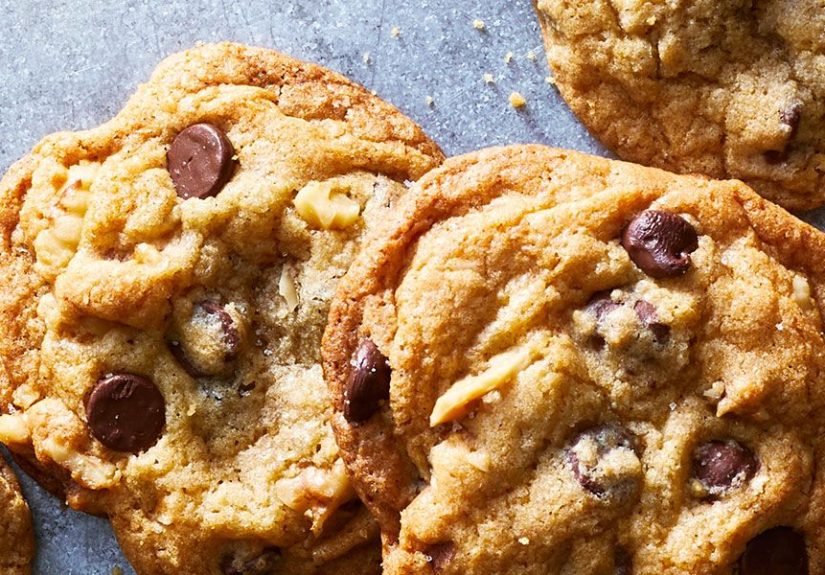
At its best, a chocolate chip cookie has contrast. The edges should offer a gentle crispness, while the center stays tender. The chocolate should be present in every bite, not hiding like it owes rent. The dough should taste buttery and slightly caramelized, with enough salt to keep sweetness from becoming a sugar parade.
The Master Chocolate Chip Cookie Recipe
This balanced recipe creates chewy centers, lightly crisp edges, and classic chocolate chip flavor. It is flexible enough for beginners and reliable enough for repeat bakers.
Ingredients
- 2 1/4 cups all-purpose flour
- 1 teaspoon baking soda
- 1 teaspoon fine salt
- 1 cup unsalted butter, softened but not melted
- 3/4 cup packed light brown sugar
- 1/2 cup granulated sugar
- 2 large eggs, room temperature
- 2 teaspoons pure vanilla extract
- 2 cups semisweet chocolate chips or chopped chocolate
- Optional: 3/4 cup toasted walnuts or pecans
- Optional: flaky sea salt for finishing
Instructions
- Preheat the oven to 350°F. Line baking sheets with parchment paper.
- In a medium bowl, whisk together flour, baking soda, and salt.
- In a large bowl, beat softened butter, brown sugar, and granulated sugar until creamy and slightly fluffy, about 2 to 3 minutes.
- Add eggs one at a time, mixing well after each addition. Stir in vanilla.
- Add the dry ingredients to the wet ingredients and mix just until no streaks of flour remain.
- Fold in chocolate chips and nuts, if using.
- For better flavor and less spreading, chill the dough for at least 1 hour. For deeper flavor, chill overnight.
- Scoop dough into 2-tablespoon portions and place them 2 inches apart on the prepared baking sheets.
- Bake for 10 to 12 minutes, until the edges are golden and the centers look slightly underdone.
- Let cookies cool on the baking sheet for 5 minutes, then transfer to a wire rack.
The most important instruction is also the hardest: pull the cookies out before they look fully baked. The residual heat finishes the centers as they cool. Waiting until the cookies look completely done in the oven often means they will be dry later. Cookies are sneaky like that.
How to Change the Texture of Chocolate Chip Cookies
For Soft and Chewy Cookies
Use more brown sugar than white sugar. Brown sugar contains molasses, which adds moisture and chewiness. An extra egg yolk can also make cookies richer and softer. Chilling the dough helps the flour hydrate and keeps the cookies from spreading too quickly in the oven.
For extra-soft cookies, add 1 teaspoon of cornstarch to the dry ingredients. This small addition helps create a tender bite without making the cookie cakey. It is a quiet little ingredient, but it does good work.
For Thin and Crispy Cookies
Use slightly more granulated sugar, a bit more butter, and bake the cookies a few minutes longer at a lower temperature, around 325°F. Granulated sugar encourages spread and crispness. If you like cookies that snap instead of bend, this is your lane.
Flattening the dough balls slightly before baking also helps. Just do not press them into sad little discs. They still need some height so they can develop texture instead of becoming chocolate-studded crackers.
For Thick Bakery-Style Cookies
Use cold dough, tall dough balls, and a generous scoop size. Chilling is especially important for thick cookies because firm butter melts more slowly, giving the cookie structure before it spreads. You can also replace a few tablespoons of all-purpose flour with bread flour for extra chew.
For a dramatic bakery look, break each dough ball in half, stack the rough sides facing up, and gently press them together. This creates craggy tops that catch melted chocolate and look professionally rustic, which is baker language for “beautifully messy.”
Brown Butter Chocolate Chip Cookies
Brown butter adds a nutty, toffee-like flavor that makes chocolate chip cookies taste deeper and more complex. To brown butter, melt it in a light-colored pan over medium heat. Stir often as it foams, then watch for golden brown specks at the bottom. When it smells nutty, remove it from the heat immediately.
Because browning butter removes some water, the dough may need a little moisture added back. A tablespoon of milk or an extra egg yolk can help keep the cookies chewy. Let the brown butter cool before mixing it with sugar, or you may melt the dough into a shiny puddle of ambition.
Quick Brown Butter Variation
Use the master recipe, but brown 3/4 cup of the butter and keep 1/4 cup softened. Mix the cooled brown butter with the softened butter before adding sugars. This gives you rich flavor while keeping enough creamy structure for the dough.
Choosing the Best Chocolate
Chocolate chips are classic because they hold their shape, which gives cookies that nostalgic look. Chopped chocolate creates pools and streaks, making the cookie feel more bakery-style. For the best result, use both: chips for structure and chopped chocolate for drama.
Semisweet chocolate is the safest all-purpose choice. Bittersweet chocolate works beautifully if you prefer less sweetness. Milk chocolate creates a softer, sweeter cookie, especially good with toasted nuts or a sprinkle of flaky salt. White chocolate is technically not the classic route, but nobody is calling the cookie police.
Common Chocolate Chip Cookie Mistakes
Using Butter That Is Too Soft
Butter should be soft enough to press with a finger but not greasy or melted. If the butter is too warm, the dough spreads quickly, and your cookies may become flat. If your kitchen is hot, chill the dough before baking.
Overmixing the Dough
Once the flour goes in, mix gently. Overmixing develops gluten, which can make cookies tough. This is not bread dough. It does not want a workout plan.
Skipping the Salt
Salt is not optional if you want balanced flavor. It sharpens the chocolate, deepens the butter, and keeps sweetness under control. A tiny sprinkle of flaky sea salt before baking can make a simple cookie taste bakery-level.
Overbaking
Cookies continue to set after leaving the oven. If you want chewy centers, remove them when the edges are golden but the middles still look soft. A cookie that looks perfect in the oven may be overdone on the plate.
Should You Chill Chocolate Chip Cookie Dough?
Yes, especially if you want better flavor and texture. Chilling gives the flour time to absorb moisture, allows the fat to firm up, and helps the dough bake into thicker cookies. Even 30 minutes can help, but overnight chilling creates a richer, more caramelized flavor.
If you are impatient, scoop the dough first, then chill the dough balls. This makes baking faster later and prevents you from wrestling a cold brick of dough like it insulted your family.
Easy Chocolate Chip Cookie Recipe Variations
Double Chocolate Chip Cookies
Add 1/3 cup unsweetened cocoa powder and reduce the flour by 1/4 cup. Use semisweet and white chocolate chips for contrast. These cookies are rich, fudgy, and dangerously good with coffee.
Oatmeal Chocolate Chip Cookies
Replace 1/2 cup of flour with 1 cup of old-fashioned oats. Add 1/2 teaspoon cinnamon for warmth. The oats add chew and make the cookie feel almost breakfast-adjacent, although your nutritionist may raise an eyebrow.
Nutty Chocolate Chip Cookies
Fold in toasted walnuts, pecans, or almonds. Toasting nuts first improves flavor and crunch. This variation works especially well with brown butter and dark chocolate.
Small-Batch Chocolate Chip Cookies
Halve the master recipe and use one whole egg plus one yolk if needed for texture. Small-batch cookies are perfect when you want fresh cookies without creating a countertop cookie mountain.
Gluten-Free Chocolate Chip Cookies
Use a high-quality 1:1 gluten-free baking flour blend that contains xanthan gum. Let the dough rest for at least 30 minutes before baking so the flour can hydrate. Gluten-free dough often benefits from chilling because it improves structure and reduces grittiness.
Food Safety Tips for Homemade Cookies
Do not eat raw cookie dough made with regular flour and raw eggs. Flour is a raw agricultural product, and raw eggs may also carry harmful bacteria. Bake cookies fully according to the recipe and wash hands, bowls, and utensils after handling raw dough.
If you want edible cookie dough, use a recipe specifically designed for that purpose with heat-treated flour and no raw eggs. Regular cookie dough is for baking, not spoon-based negotiations with destiny.
How to Store and Freeze Chocolate Chip Cookies
Store cooled cookies in an airtight container at room temperature. For softer cookies, add a small piece of bread to the container; the cookies will absorb moisture from the bread and stay tender longer. Keep crisp cookies separate from soft cookies, or the crisp ones will lose their snap.
Cookie dough freezes beautifully. Scoop dough into balls, freeze them on a tray, then transfer them to a freezer bag. Bake from frozen, adding 1 to 3 extra minutes as needed. This is the closest most of us get to having a dessert emergency button.
Troubleshooting: Why Did My Cookies Turn Out Wrong?
Why Are My Cookies Flat?
Your butter may have been too warm, the dough may not have chilled long enough, or the flour may have been undermeasured. Use the spoon-and-level method for flour or, better yet, a kitchen scale.
Why Are My Cookies Dry?
They may be overbaked or have too much flour. Remove cookies while the centers still look slightly soft. Also, avoid packing flour into the measuring cup.
Why Did My Cookies Not Spread?
The dough may be too cold, or there may be too much flour. Let chilled dough sit at room temperature for 10 minutes before baking if it feels rock-hard.
Why Do My Cookies Taste Bland?
Add enough salt, use good vanilla, and consider chilling the dough longer. Browning the butter or using a mix of semisweet and bittersweet chocolate can also boost flavor.
Experience Notes: What Baking Chocolate Chip Cookies Teaches You
Making chocolate chip cookies is one of those kitchen experiences that looks simple until you realize every small decision matters. The first time you cream butter and sugar correctly, you notice the dough looks lighter and smoother. The first time you chill the dough overnight, you understand why patient bakers act a little smug. The flavor becomes deeper, the edges brown better, and the centers stay soft instead of spreading into thin little cookie puddles.
One of the most useful lessons is learning your oven. Some ovens run hot, some have cold corners, and some behave like they were assembled during a thunderstorm. If your cookies brown too fast on the bottom, try parchment paper, a lighter-colored baking sheet, or moving the rack higher. If they bake unevenly, rotate the pan halfway through. Once you understand your oven, cookie recipes become much more predictable.
Another experience that changes everything is using chopped chocolate instead of only chips. Chocolate chips are dependable, but chopped chocolate melts into ribbons and pockets. When you break open a warm cookie and see glossy chocolate running through the middle, it feels like a small personal achievement. It is also a reminder that cookies do not need to be complicated to feel special.
Baking cookies with kids, friends, or family adds another layer of joy. Someone always wants to add extra chocolate. Someone else wants to make one cookie the size of a salad plate. Flour gets on the counter, dough gets on fingers, and the kitchen becomes slightly chaotic in the best possible way. The cookies may not all be perfectly round, but they will be remembered.
Chocolate chip cookie recipes also teach restraint. Do not overmix. Do not overbake. Do not eat the raw dough. Do not put the second tray in before the baking sheet cools unless you enjoy cookie frisbees. These small habits separate average cookies from excellent ones.
The best experience, however, is the moment the cookies come out of the oven. The edges are golden, the centers are puffed, and the chocolate is shiny. You wait five minutes because you are a responsible adult, or at least pretending to be one. Then you take a bite, and the cookie is warm, buttery, sweet, salty, and soft in the middle. That is the reason chocolate chip cookie recipes never stop being popular. They are not just dessert; they are proof that a handful of basic ingredients can still create a little magic.
Conclusion
The best chocolate chip cookie recipes start with good ingredients, but technique makes the real difference. Use the right balance of brown and white sugar, measure flour carefully, chill the dough when possible, and remove cookies before the centers look completely done. From classic chewy cookies to brown butter versions, crispy edges, thick bakery-style scoops, and creative mix-ins, there is a chocolate chip cookie for every mood.
Once you understand how butter, sugar, flour, eggs, chocolate, and heat work together, you can adjust any recipe to match your ideal cookie. Soft or crisp, simple or fancy, nut-free or loaded with toasted pecansthe perfect cookie is not one recipe. It is the one that makes you reach for another before the first one is finished.