Table of Contents >> Show >> Hide
- What Makes This Recipe “Classic Southern”?
- Why This Dilled Green Beans Recipe Works
- How to Choose the Best Green Beans
- Classic Southern Dilled Green Beans Recipe
- Flavor Notes: What to Expect
- Serving Ideas for Southern Dilled Green Beans
- Tips for the Best Texture and Flavor
- Easy Variations
- Common Mistakes to Avoid
- Are Dilled Green Beans Healthy?
- Storage and Shelf Life
- Frequently Asked Questions
- Kitchen Stories and Real-Life Experiences With Classic Southern Dilled Green Beans
- Conclusion
Note: This web-ready article is based on real culinary and food-preservation guidance from reputable U.S. sources. Links are intentionally omitted for clean publication.
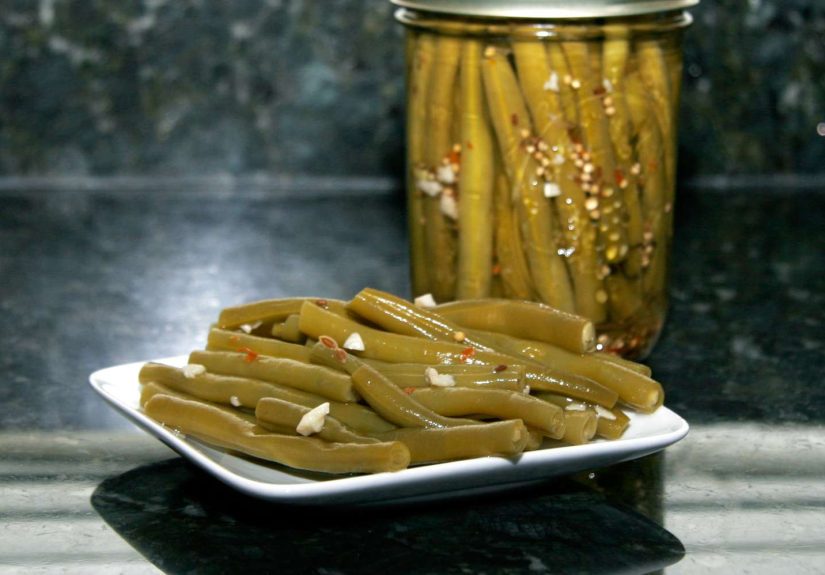
If Southern comfort food and old-school pickling had a very charming, slightly vinegary baby, it would be classic Southern dilled green beans. These snappy, tangy beans are the kind of recipe that feels right at home beside fried chicken, barbecue, deviled eggs, or a plate that includes at least one thing your grandmother called “company food.” They are bright, garlicky, touched with dill, and just spicy enough to keep the jar interesting.
At their core, Southern dilled green beans are a practical recipe with a lot of personality. They help preserve a bumper crop of fresh beans, stretch garden season into cooler months, and turn a humble vegetable into something with real zip. Instead of simmering beans until soft and savory like classic Southern pot beans, this version leans into crisp texture and a pickled brine flavored with dill, mustard seed, garlic, and optional red pepper. Think of them as the cucumber pickle’s country cousin, only greener, snappier, and a little more dramatic on a relish tray.
The best part is that this recipe is both useful and delicious. It gives you a shelf-stable pantry item when canned properly, but it also doubles as a conversation piece at potlucks. People always ask the same thing: “Wait, are those green beans?” Yes. Yes, they are. And suddenly everyone wants the recipe.
What Makes This Recipe “Classic Southern”?
Classic Southern dilled green beans, often called dilly beans, are rooted in the Southern tradition of preserving fresh produce when gardens are generous and refrigerators are not enough. The South has long been rich in practical kitchen wisdom: waste nothing, season boldly, and make sure the pantry looks like it could survive a thunderstorm and surprise visitors at the same time.
This style of pickled green bean recipe usually starts with fresh, tender beans packed upright into pint jars. A hot brine made with vinegar, water, and pickling salt does the preserving work, while dill, garlic, mustard seed, and red pepper add the signature flavor. The result is crisp, tart, herbal, and just a little sassy.
It is also a recipe with range. Some versions are more garlicky. Some are spicier. Some use dill seed, while others use fresh dill heads or sprigs. But the heart of the dish stays the same: fresh green beans, a properly balanced brine, and enough dill to make the jar smell like summer preservation season.
Why This Dilled Green Beans Recipe Works
This recipe works because it respects both flavor and technique. Fresh green beans bring mild sweetness and clean vegetable flavor. Vinegar adds the bright tang that makes pickled vegetables craveable. Dill gives the beans their classic, unmistakable pickle-house aroma. Garlic deepens the flavor, while mustard seed and red pepper create a more layered bite.
Texture matters, too. Good dilled green beans should not be limp little ropes floating sadly in brine. They should still have some snap. That starts with choosing young, slender, firm beans and trimming them to fit the jars neatly. It also means not improvising wildly with the acid ratio if you want shelf-stable canned beans. This is one of those recipes where grandma’s instincts are wonderful, but tested proportions are better.
Another reason this recipe shines is that it solves several kitchen problems at once. Have too many fresh beans? Pickle them. Need a bracing side dish for rich meats? Open a jar. Want something crunchy for a Bloody Mary garnish, charcuterie board, potato salad, or sandwich plate? Dilled green beans show up like the overachiever they are.
How to Choose the Best Green Beans
Start with the freshest beans you can find. Look for pods that are vivid green, firm, and slender, with no rust spots, limp patches, or bulging seeds. If a bean bends like it is exhausted from life, skip it. Fresh beans should feel crisp and snap cleanly when broken.
Uniform size is helpful because the beans pack more neatly into jars and pickle more evenly. Slender beans also tend to hold texture better than thick, overgrown pods. If you are buying from a farmers market or harvesting from the garden, use them as soon as possible. If needed, keep them in the refrigerator in a bag or crisper drawer until you are ready to prep them.
Dill matters, too. Fresh dill heads give a classic old-fashioned look and strong flavor, but dill seed is an excellent choice when fresh dill is unavailable. Garlic cloves should be firm, not sprouting, and your vinegar should be a standard 5% acidity white vinegar for reliable preservation.
Classic Southern Dilled Green Beans Recipe
Yield and Time
- Yield: About 8 pint jars
- Prep time: 30 to 40 minutes
- Cook time: About 10 minutes, plus processing time
- Best for: Pantry storage, gift jars, relish trays, barbecue sides
Ingredients
- 4 pounds fresh, tender green beans
- 4 cups white vinegar (5% acidity)
- 4 cups water
- 1/2 cup canning or pickling salt
- 8 to 16 fresh dill heads or enough fresh dill sprigs for 1 to 2 per pint jar
- 8 cloves garlic, peeled, 1 per pint jar
- 1 teaspoon hot red pepper flakes, optional
- 4 teaspoons mustard seed, optional but highly recommended
Equipment
- 8 pint canning jars with lids and bands
- Large pot or boiling-water canner
- Medium saucepan for brine
- Jar lifter, funnel, and clean towels
Instructions
- Prepare the jars. Wash jars, lids, and bands well. Keep the jars hot until ready to fill. Set up your boiling-water canner according to the manufacturer’s directions.
- Trim the beans. Wash the green beans thoroughly and trim both ends if desired. Cut them into roughly 4-inch lengths so they fit upright in pint jars. The tidy, upright look is part of the charm.
- Build the flavor base. Add 1 garlic clove, 1 to 2 dill heads or sprigs, and about 1/2 teaspoon mustard seed to each pint jar. Add a pinch of red pepper flakes if you want a little Southern heat.
- Pack the jars. Stand the beans upright in the jars, packing them snugly but not crushing them. Leave 1/2 inch of headspace at the top.
- Make the brine. In a saucepan, combine the vinegar, water, pickling salt, and optional red pepper flakes. Bring the mixture to a boil, stirring until the salt dissolves.
- Fill the jars. Pour the hot brine over the beans, again leaving 1/2 inch of headspace. Remove air bubbles with a nonmetallic utensil and adjust the beans if needed.
- Seal and process. Wipe the jar rims clean, apply lids and bands, and process the jars in a boiling-water canner. Process pint jars for 5 minutes at 0 to 1,000 feet, 10 minutes at 1,001 to 6,000 feet, and 15 minutes above 6,000 feet.
- Cool completely. Remove jars and let them stand undisturbed for 12 to 24 hours. Check the seals, remove the bands if desired, label the jars, and store in a cool, dark place.
- Wait before eating. You can technically admire them immediately, but the flavor is better after several days and even better after about a week.
Flavor Notes: What to Expect
These pickled green beans are crisp, tangy, herbaceous, and savory. Dill gives them that unmistakable deli-pickle personality, while garlic rounds out the sharpness of the brine. Mustard seed adds a warm, subtle spice that sits in the background like a very polite guest. Red pepper flakes bring a small kick, enough to wake up the palate without turning the jar into a dare.
If you are used to Southern-style simmered green beans with bacon and onion, this recipe may surprise you. It is brighter, firmer, and more acidic. But it still feels Southern because it is practical, generous, and built for sharing alongside big, rich meals.
Serving Ideas for Southern Dilled Green Beans
Once you have a jar of dilled green beans in the pantry, you start finding excuses to use them everywhere. They are terrific on a holiday relish tray, especially next to pickles, olives, and deviled eggs. Their sharp, vinegary crunch cuts through heavier foods beautifully.
They are also excellent with barbecue. Serve them alongside pulled pork, smoked brisket, grilled chicken, or fried catfish. Add them to potato salad for extra tang, chop them into tuna salad, or tuck a few onto a sandwich board. And yes, they make a top-tier Bloody Mary garnish. A celery stalk is fine. A dilled green bean is a personality.
For a lighter lunch, chop the beans into a grain salad with farro, roasted potatoes, or white beans. They also work well on a snack plate with cheddar, crackers, ham, and boiled eggs. Basically, if a meal needs crunch and acidity, these beans know what to do.
Tips for the Best Texture and Flavor
Use young, crisp beans
Older beans with large seeds inside tend to soften more and pickle less evenly. Tender pods are your best bet for that ideal snap.
Do not reduce the vinegar in canned versions
For shelf-stable dilled green beans, stick with a tested recipe ratio and vinegar with 5% acidity. This is a preservation recipe, not the place for casual chaos.
Pack the jars neatly
Upright beans are not just pretty. They also make better use of jar space and help everything stay evenly submerged in the brine.
Let the flavor develop
Freshly canned beans are fine, but after a week the dill, garlic, and vinegar mellow into one another and the result tastes more complete.
Use pickling salt when possible
It dissolves cleanly and helps keep the brine clear. Cloudy brine is not always dangerous, but clear jars are prettier and closer to tested canning expectations.
Easy Variations
Once you know the classic version, you can play within reason. Add a sliced chili for more heat. Use extra garlic if you want a stronger savory note. Swap in some yellow wax beans for a more colorful jar. Tuck in a few peppercorns or a pinch of coriander seed for a more complex spice profile.
If you do not want to can the beans for shelf storage, you can make a refrigerator version. Quick-pickled recipes use a hot brine and chilled storage instead of boiling-water processing. That route is faster and great for near-term eating, but the jars should stay refrigerated and are not a pantry-preservation substitute.
One important distinction: a quick pickle is a convenience recipe, while a canned pickle is a preservation recipe. They are cousins, not twins.
Common Mistakes to Avoid
Using tired beans: Limp beans lead to a disappointing jar. Start fresh.
Cutting random lengths: If the beans are too long, they will bend awkwardly or stick out above the brine.
Improvising the acid: For canned dilled green beans, do not casually lower the vinegar or add extra water.
Skipping headspace: Leave the recommended room at the top so the jars process correctly.
Opening the jars too soon: Patience pays off. Let the flavor settle in before diving in with a fork.
Are Dilled Green Beans Healthy?
Green beans themselves are a nutritious vegetable, naturally low in calories and a source of fiber, vitamins, and minerals. That said, pickled green beans are more of a bright, flavorful condiment or side than a plain steamed vegetable. The brine adds sodium, which is part of what makes them delicious and preserved. Enjoy them as part of a balanced meal, and you get both flavor and a vegetable that still brings some nutritional value to the plate.
In other words, this is not a “wellness bowl” recipe pretending to be exciting. It is a real-food pantry recipe that happens to be smart, practical, and very good at stealing attention from the main dish.
Storage and Shelf Life
If the jars are sealed properly and processed correctly, store them in a cool, dark place. For best quality, use them within a year. Once opened, refrigerate the jar and use the beans within a reasonable time, keeping them submerged in brine as much as possible.
If you make a refrigerator-only version, keep it chilled the whole time. It is a great option for quick results, but it is not designed for room-temperature pantry storage.
Frequently Asked Questions
Can I use frozen green beans?
Fresh beans are best for texture. Frozen beans can soften too much and are not ideal for a classic Southern dilled green beans recipe meant to keep its snap.
Can I use apple cider vinegar?
Some recipe developers do, but for the most traditional and straightforward version, white vinegar is the standard. If you want shelf-stable canned beans, only use substitutions that are supported by a tested recipe.
Do I need fresh dill?
No. Fresh dill heads are lovely, but dill seed works very well and is often easier to find year-round.
Do these taste like regular pickles?
They share the same dill-and-vinegar personality, but the beans have a different texture and a more savory, garden-fresh flavor.
What is the best meal to serve them with?
Barbecue, fried chicken, country ham, deviled eggs, and picnic spreads all pair beautifully with dilled green beans.
Kitchen Stories and Real-Life Experiences With Classic Southern Dilled Green Beans
There is something deeply satisfying about making dilled green beans that goes beyond the recipe itself. They are one of those foods that turn ordinary kitchen work into a small ritual. First comes the sorting of the beans, picking out the best ones, lining them up, trimming them until the cutting board looks like a tiny green lumber yard. Then comes the smell: fresh dill, hot vinegar, garlic, and that unmistakable “something good is being preserved in here” aroma that makes the whole kitchen feel busy in the best way.
For a lot of people, this recipe is tied to late summer and early fall, when gardens are producing more than anyone can reasonably eat in three days. Suddenly there are green beans everywhere, and no one wants to waste them. That is when a classic Southern dilled green beans recipe becomes more than a side dish. It becomes a strategy. A delicious one, but still a strategy.
These beans also have a funny way of converting skeptics. Someone will see them on a snack board and assume they are stringy or too tart. Then they take one bite. The crunch hits first, then the dill, then the garlic, and suddenly they are hovering near the jar like they have been personally invited. It happens all the time. Dilled green beans are sneaky like that.
They also carry a little nostalgia. Jars lined up on a shelf have a very specific kind of comfort. Even if you did not grow up in a canning household, there is something reassuring about seeing food put by for later. It feels steady. Thoughtful. Prepared. A pantry with homemade pickles in it just seems like a pantry that has its life together.
And then there is the serving moment. You pull out a jar for a cookout, a holiday meal, or a random Tuesday sandwich plate, and suddenly the meal feels more intentional. Not fussy. Not fancy. Just cared for. Dilled green beans bring brightness to rich foods and make simple meals feel finished. They are the kind of thing that says, “Yes, someone thought this through.”
Maybe that is why the recipe sticks around. It is practical enough for gardeners, flavorful enough for pickle lovers, and charming enough for anyone who likes the idea of opening a jar and getting instant Southern punch on the plate. These beans are not flashy, but they are memorable. They are old-fashioned in a good way, the culinary equivalent of a handwritten recipe card with a few stains and a lot of authority.
So if this is your first time making them, welcome to the club. And if you have been making dilled green beans for years, you already know the truth: they are never just beans. They are summer saved in a jar, a little crunch beside a rich meal, and one of the easiest ways to make your table feel both practical and special at the same time.
Conclusion
Classic Southern dilled green beans are proof that a simple garden vegetable can become something unforgettable with the help of vinegar, dill, garlic, and a little patience. They are crisp, tangy, useful, and downright charming on the table. Whether you make them for the pantry, for a picnic spread, or just to have something bright and briny waiting in the fridge, this recipe earns its place in the Southern preservation hall of fame.
If you want a recipe that tastes traditional, looks beautiful in a jar, and brings sharp, herby balance to rich meals, this is the one to keep. Not every hero wears a cape. Some stand upright in a pint jar and smell faintly of dill.