Table of Contents >> Show >> Hide
- What Is the Colon?
- Colon Anatomy: The Main Parts
- What Does the Colon Do?
- Common Colon Health Problems
- What Are Colon Polyps?
- Colonoscopy: What It Is and Why It Matters
- Colonoscopy Preparation: The Part Everyone Talks About
- Other Colorectal Cancer Screening Options
- How to Support Colon Health Every Day
- Colon Health Myths Worth Retiring
- When to Call a Doctor
- Practical Experiences and Real-Life Lessons About Colon Health
- Conclusion
Your colon may not get the glamorous press that the heart or brain receives, but it is quietly running one of the most important departments in your body: waste management, fluid balance, gut bacteria support, and early warning detection. Think of it as the body’s final quality-control station. It does not ask for applause, but when it is unhappy, it can absolutely clear the room.
Colon health matters because the colon plays a major role in digestion, bowel habits, immune function, and colorectal cancer prevention. Understanding colon anatomy, colon polyps, colonoscopy, and everyday digestive warning signs can help you take better care of your body before small problems become larger ones. The good news? Many colon-related conditions are preventable, treatable, or easier to manage when found early.
This guide explains what the colon does, how polyps form, why colonoscopy is such a powerful screening tool, and what daily habits support a healthier digestive system. No medical jargon maze. No scare tactics. Just practical, evidence-based information with enough personality to keep your intestines from falling asleep.
What Is the Colon?
The colon is the longest part of the large intestine. It sits near the end of the digestive tract, after the small intestine and before the rectum. By the time food reaches the colon, most nutrients have already been absorbed. The colon’s main job is to absorb water and electrolytes, help form stool, and move waste toward the rectum for elimination.
The colon is not just a passive tube. It is lined with muscles, nerves, blood vessels, mucus-producing cells, and a massive population of bacteria known as the gut microbiome. These bacteria help break down certain fibers, produce beneficial compounds, and support digestive balance. In other words, your colon is part plumbing, part chemistry lab, and part tiny microbial city.
Colon Anatomy: The Main Parts
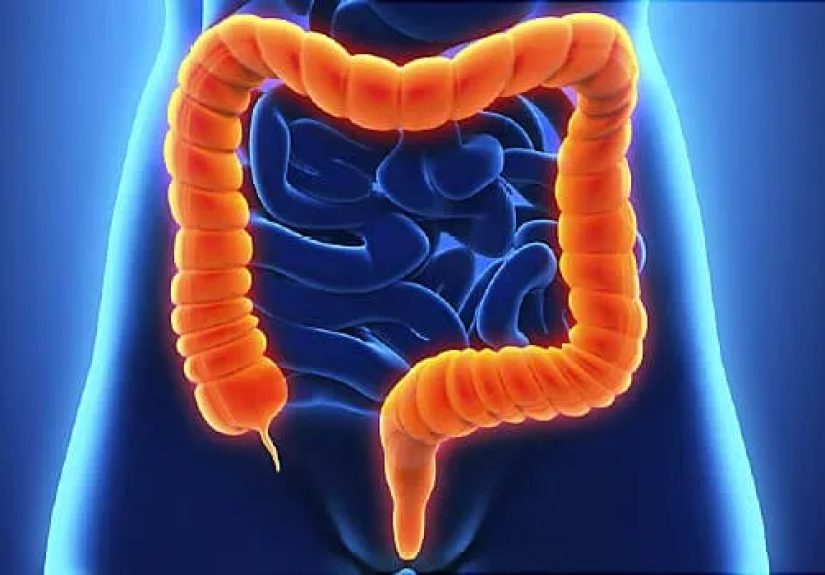
To understand colon health, it helps to know the basic layout. The colon is usually divided into several sections, each with a specific location and function.
Cecum
The cecum is the first part of the large intestine. It receives partially digested material from the small intestine. The appendix is attached to the cecum, which is why appendix pain often starts near the lower right side of the abdomen.
Ascending Colon
The ascending colon travels upward on the right side of the abdomen. It helps absorb water and begins compacting liquid waste into a more solid form.
Transverse Colon
The transverse colon runs across the upper abdomen from right to left. This section continues water absorption and waste movement. It is basically the digestive system’s cross-town commute.
Descending Colon
The descending colon travels down the left side of the abdomen. By this point, stool is more formed and ready for storage before elimination.
Sigmoid Colon
The sigmoid colon is an S-shaped section near the end of the colon. It connects to the rectum and often stores stool before a bowel movement. Because of its shape and pressure patterns, it is also a common area for diverticula and polyps.
Rectum and Anus
The rectum stores stool until the body is ready for a bowel movement. The anus is the final opening where stool exits the body. Together, the colon, rectum, and anus complete the lower digestive tract.
What Does the Colon Do?
The colon’s work may seem simple, but it is surprisingly sophisticated. Its main functions include:
- Absorbing water: The colon removes water from digestive waste so stool is not too loose.
- Balancing electrolytes: It helps manage minerals such as sodium and potassium.
- Forming stool: The colon shapes waste into stool and moves it forward through muscle contractions.
- Supporting gut bacteria: Beneficial bacteria help ferment fiber and produce short-chain fatty acids.
- Signaling elimination: Nerves and muscles coordinate bowel movements when stool reaches the rectum.
When this system runs smoothly, bowel movements are regular, comfortable, and predictable. When it does not, you may notice constipation, diarrhea, bloating, cramping, urgency, or changes in stool appearance.
Common Colon Health Problems
The colon can be affected by many conditions. Some are temporary and mild, while others need ongoing medical care.
Constipation
Constipation happens when bowel movements become infrequent, difficult, or hard to pass. Common causes include low fiber intake, dehydration, lack of movement, certain medications, travel, and ignoring the urge to go. The colon is patient, but it is not a storage unit with unlimited rental space.
Diarrhea
Diarrhea means loose or watery stools. It may result from infections, food intolerances, medications, stress, inflammatory bowel disease, or irritable bowel syndrome. Short-term diarrhea often improves on its own, but persistent diarrhea should be evaluated.
Diverticulosis and Diverticulitis
Diverticulosis occurs when small pouches form in weak spots of the colon wall, most often in the lower colon. Many people have no symptoms. Diverticulitis happens when these pouches become inflamed or infected, causing pain, fever, nausea, and changes in bowel habits.
Irritable Bowel Syndrome
Irritable bowel syndrome, or IBS, affects how the bowel functions. It can cause abdominal pain, bloating, constipation, diarrhea, or alternating bowel patterns. IBS does not cause colon cancer, but it can seriously affect quality of life.
Inflammatory Bowel Disease
Inflammatory bowel disease, or IBD, includes ulcerative colitis and Crohn’s disease. These are immune-related conditions that cause chronic inflammation in the digestive tract. Symptoms may include diarrhea, blood in the stool, fatigue, weight loss, and abdominal pain.
Colorectal Cancer
Colorectal cancer develops in the colon or rectum. It often starts as a polyp, which may grow slowly over years. Screening is important because polyps can often be found and removed before they become cancerous.
What Are Colon Polyps?
Colon polyps are small growths that form on the inner lining of the colon or rectum. Most polyps are not cancer, but some can turn into cancer over time. That is why doctors take them seriously. A polyp is like an uninvited guest at a dinner party: it may be harmless, but nobody wants to wait around and see whether it starts causing trouble.
Types of Colon Polyps
There are several types of colon polyps. The most common include:
- Adenomatous polyps: These are common and considered precancerous because some can become cancer.
- Serrated polyps: Some serrated polyps can increase colorectal cancer risk, especially if they are large or located in certain areas.
- Hyperplastic polyps: These are often small and usually low risk, though size and location matter.
- Inflammatory polyps: These may occur in people with inflammatory bowel disease and are usually related to inflammation.
Colon Polyp Symptoms
Many colon polyps cause no symptoms. That is exactly why screening matters. When symptoms do occur, they may include rectal bleeding, blood in the stool, unexplained iron deficiency anemia, changes in bowel habits, abdominal pain, or mucus in the stool. Any persistent change should be discussed with a healthcare professional.
Who Is More Likely to Develop Polyps?
Risk increases with age, especially after 45 to 50. Other risk factors include a personal or family history of polyps or colorectal cancer, inflammatory bowel disease, smoking, heavy alcohol use, obesity, type 2 diabetes, low physical activity, and diets high in processed meats or low in plant-based foods.
Colonoscopy: What It Is and Why It Matters
A colonoscopy is a procedure that allows a doctor to examine the inside of the colon and rectum using a thin, flexible tube with a camera. It can detect inflammation, bleeding, polyps, tumors, and other abnormalities. Best of all, many polyps can be removed during the same procedure.
That makes colonoscopy both a screening test and a prevention tool. It does not just look for trouble; it can remove trouble while it is still wearing a tiny disguise.
When Should You Get Screened?
For adults at average risk, major U.S. guidelines recommend beginning colorectal cancer screening at age 45. Screening generally continues through age 75. From ages 76 to 85, the decision depends on overall health, prior screening history, and personal preferences. People at higher risk may need to begin earlier or screen more often.
Who May Need Earlier Screening?
You may need earlier or more frequent screening if you have:
- A family history of colorectal cancer or advanced polyps
- A personal history of colon polyps
- Inflammatory bowel disease such as ulcerative colitis or Crohn’s disease
- A hereditary syndrome such as Lynch syndrome or familial adenomatous polyposis
- Previous radiation treatment to the abdomen or pelvis
Colonoscopy Preparation: The Part Everyone Talks About
Let’s be honest: most people are less nervous about the colonoscopy and more suspicious of the bowel prep. Preparation usually involves dietary changes and a laxative solution to clean out the colon. A clean colon helps the doctor see the lining clearly and find small polyps that might otherwise hide like tiny digestive ninjas.
Your healthcare team may ask you to follow a low-fiber or clear-liquid plan the day before the exam, avoid certain medications temporarily, and drink the prep solution in split doses. Always follow your specific instructions, because bowel prep plans vary.
What Happens During the Procedure?
During a colonoscopy, you usually receive sedation or anesthesia so you are relaxed and comfortable. The doctor gently inserts the colonoscope through the rectum and examines the colon. Air or carbon dioxide may be used to expand the colon for a better view. If polyps are found, they may be removed and sent to a lab for analysis.
What Happens Afterward?
After the procedure, you will rest while the sedation wears off. You may feel bloated or pass gas, which is normal. Because sedation affects alertness, you will need someone to drive you home. Your doctor may discuss initial findings right away, but biopsy or polyp results can take several days.
Other Colorectal Cancer Screening Options
Colonoscopy is not the only screening test. Other options include stool-based tests and visual exams. Stool tests can detect hidden blood or DNA changes linked to cancer or precancerous growths. Flexible sigmoidoscopy and CT colonography are other visual tests. However, if a non-colonoscopy screening test is abnormal, a follow-up colonoscopy is usually needed.
The best screening test is the one you complete correctly and on schedule. A perfect test sitting unscheduled on your mental to-do list does not help your colon one bit.
How to Support Colon Health Every Day
Colon health is not built on one heroic salad. It comes from consistent habits that support digestion, reduce inflammation, and lower long-term disease risk.
Eat More Plant-Based Fiber
Fiber helps support regular bowel movements and feeds beneficial gut bacteria. Good sources include beans, lentils, oats, berries, apples, pears, broccoli, leafy greens, chia seeds, flaxseed, and whole grains. Increase fiber gradually so your digestive system does not file a formal complaint.
Drink Enough Water
Fiber works best with fluid. Without enough water, fiber can worsen constipation. Water helps soften stool and keeps waste moving through the colon.
Limit Processed Meat
Processed meats such as bacon, sausage, hot dogs, and deli meats are linked with higher colorectal cancer risk. Red meat may also increase risk when eaten in large amounts. You do not have to become a monk of steamed broccoli, but choosing fish, poultry, beans, tofu, and lentils more often is a colon-friendly move.
Move Your Body
Regular physical activity supports bowel motility, weight management, insulin sensitivity, and overall cancer prevention. Walking counts. Dancing in the kitchen counts. Chasing your dog after it steals a sock probably counts too.
Avoid Tobacco and Limit Alcohol
Smoking is associated with many cancers, including colorectal cancer. Alcohol can also increase cancer risk, especially with heavier use. Cutting back or quitting can benefit your colon and your entire body.
Pay Attention to Symptoms
Do not ignore rectal bleeding, persistent changes in bowel habits, unexplained weight loss, ongoing abdominal pain, fatigue, or black or bloody stools. These symptoms do not always mean cancer, but they deserve medical attention.
Colon Health Myths Worth Retiring
Myth: Colon Cancer Always Causes Symptoms Early
Many early colorectal cancers and precancerous polyps cause no symptoms. Screening is important precisely because the colon can be quiet while changes are developing.
Myth: Only Older Adults Need to Think About Colon Health
Risk increases with age, but colorectal cancer can occur in younger adults. Anyone with warning symptoms should seek medical advice, regardless of age.
Myth: A Colonoscopy Is Painful and Terrifying
Most people are sedated and remember little or nothing from the procedure. The preparation is usually the most inconvenient part, not the exam itself.
Myth: If You Eat Fiber, You Do Not Need Screening
A healthy diet helps, but it does not replace screening. Fiber is great; it is not a tiny gastroenterologist with a camera.
When to Call a Doctor
Contact a healthcare professional if you notice blood in your stool, unexplained anemia, persistent constipation or diarrhea, narrowing of stool, severe abdominal pain, unexplained weight loss, or a strong family history of colorectal cancer. Also talk with your doctor if you are 45 or older and have not started colorectal cancer screening.
Practical Experiences and Real-Life Lessons About Colon Health
People often delay colon health conversations because the topic feels awkward. But in real life, the most useful health topics are not always the most elegant. Colon health is one of those areas where a little embarrassment can save a lot of trouble. Many adults first take the subject seriously when a friend mentions having a polyp removed, a parent is diagnosed with diverticulitis, or a routine blood test shows iron deficiency anemia. Suddenly, the colon goes from “body part I never discuss” to “body part I should probably understand by Tuesday.”
One common experience is realizing that bowel habits are personal but still measurable. Some people go three times a day; others go three times a week. What matters most is your normal pattern. A sudden, persistent change is more important than comparing yourself to someone else. For example, if you normally have regular, easy bowel movements and then develop weeks of constipation, pencil-thin stools, or urgency, that is worth discussing with a clinician. Your body often whispers before it shouts.
Another real-life lesson involves fiber. Many people hear “eat more fiber” and immediately launch into a heroic bowl of beans, bran cereal, and raw vegetables. Then they spend the evening inflated like a parade balloon. A better approach is gradual: add one fiber-rich food at a time, drink more water, and give your gut bacteria a chance to adjust. A breakfast of oatmeal with berries, a lunch with lentil soup, or a dinner side of roasted vegetables can be easier than turning your diet into a sudden fiber festival.
Colonoscopy prep is another experience people love to dramatize. Yes, the prep can be inconvenient. Yes, you will become very familiar with your bathroom. But many people say the anticipation is worse than the actual process. Chilling the prep drink, using a straw, following the timing instructions carefully, and keeping approved clear liquids nearby can make the experience more manageable. The procedure itself is often quick, and sedation usually means patients remember very little.
People who have polyps removed often describe a surprising feeling of relief. Instead of thinking, “Something was wrong,” they think, “Good thing we found it.” That is the power of screening. Colonoscopy can identify and remove many polyps before they become dangerous. It turns prevention into action rather than guesswork.
Family history is another lesson that shows up in real life. Many families do not talk openly about colon cancer, polyps, or digestive disease. But knowing whether a parent, sibling, or child had colorectal cancer or advanced polyps can change screening recommendations. Asking relatives about their history may feel uncomfortable, but it can provide information that protects you and possibly other family members.
Finally, colon health is connected to everyday lifestyle, not perfection. A colon-friendly routine might include walking most days, eating more plants, limiting processed meat, drinking water, managing stress, sleeping well, and completing recommended screening. You do not need to live like a wellness influencer who alphabetizes their chia seeds. You just need consistent habits and a willingness to act when something changes.
Conclusion
Your colon is not the flashiest organ, but it plays a major role in digestion, comfort, and long-term health. Understanding colon anatomy helps you make sense of how digestion works. Knowing about colon polyps helps you understand why screening is so important. Learning what happens during a colonoscopy can make the process feel less mysterious and much less intimidating.
The most important takeaway is simple: do not wait for symptoms to care about colon health. Eat more whole plant foods, stay active, drink water, limit processed meats, avoid tobacco, talk honestly about family history, and follow colorectal cancer screening recommendations. A healthy colon may not send you a thank-you card, but regular, comfortable digestion is a pretty good love language.
Medical note: This article is for educational purposes only and does not replace medical advice, diagnosis, or treatment. Always speak with a qualified healthcare professional about symptoms, screening schedules, personal risk factors, and colonoscopy preparation instructions.