Table of Contents >> Show >> Hide
- What Is Comfrey?
- Traditional and Modern Uses of Comfrey
- Potential Benefits of Comfrey
- The Big Caveat: Serious Safety Concerns
- How to Use Comfrey More Safely (If You and Your Clinician Decide To)
- Comfrey vs. Other Natural Pain-Relief Options
- When to Call Your Doctor
- Real-World Experiences with Comfrey: What People Learn the Hard (and Smart) Way
- Conclusion: Respect the Plant, Protect Your Liver
If herbs had a rating on a “most controversial” list, comfrey would easily be in the top 10. For centuries, this leafy plant has been praised as “knitbone” for helping bruises, bumps, and sore joints feel better. At the same time, modern research and regulators have slapped it with serious warning labels, especially for internal use, because it can damage the liver. Talk about a plant with a PR problem.
So is comfrey a gentle herbal ally or a toxic troublemaker you should avoid completely? As usual, the truth sits somewhere in the messy middle. In this guide, we’ll look at what comfrey is, where it may actually help, and why health authorities keep shouting “do not drink this.” We’ll also walk through practical safety tips and real-world experiences so you can have an informed conversation with your healthcare professional before you go anywhere near a comfrey cream or salve.
What Is Comfrey?
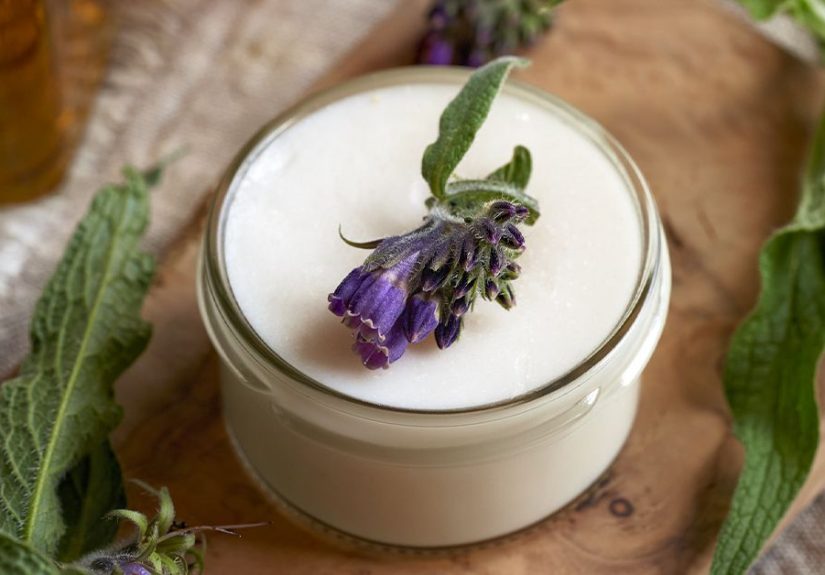
Comfrey (Symphytum officinale) is a perennial herb in the borage family that likes damp soil, riverbanks, and the gardens of DIY herbalists. It has large, slightly hairy leaves and drooping bell-shaped flowers that range from cream to purple. Historically, it’s been used in Europe and Asia for everything from broken bones and bruises to digestive problems and respiratory issues. That’s where the nickname “knitbone” comes from: people believed comfrey could help the body “knit” tissues back together.
Modern analyses show that comfrey roots and leaves contain several interesting compounds, including:
- Allantoin, which is thought to support cell growth and tissue repair.
- Rosmarinic acid and other phenolic compounds with antioxidant and anti-inflammatory activity.
- Tannins, which can have astringent effects on tissues.
- Pyrrolizidine alkaloids (PAs), the not-so-cute part of the plant responsible for liver toxicity and cancer concerns when ingested or absorbed in significant amounts.
Those PAs are the reason comfrey has been banned or heavily restricted as an internal remedy in many countries and flagged as unsafe when taken orally by major medical and regulatory organizations.
Traditional and Modern Uses of Comfrey
Traditional Internal Uses (Now Strongly Discouraged)
Traditionally, people drank comfrey tea or took comfrey in capsules for issues like ulcers, diarrhea, heavy menstrual bleeding, lung problems, and even cancer. At the time, no one knew about PAs and liver toxicity. Modern research has since caught up, and the verdict from major organizations is loud and clear: comfrey is not recommended for internal use.
Because PAs can damage liver blood vessels and lead to severe, sometimes fatal liver disease, agencies like the FDA and FTC in the United States have taken action against internal comfrey products and marketing that claims they are safe. Many countries now prohibit or restrict comfrey in teas, pills, and other ingestible supplements.
Topical Uses: Where Comfrey Still Shows Promise
While internal comfrey has basically been voted off the island, carefully used topical comfrey is still being studied and used for certain conditions. Evidence from clinical trials suggests that standardized comfrey extracts applied to the skin may help:
- Relieve acute muscle and joint pain, such as sprains and strains.
- Improve symptoms of osteoarthritis, especially in the knee.
- Support healing of minor bruises and closed soft-tissue injuries.
European herbal monographs and clinical reviews generally recognize comfrey root preparations for short-term, localized use on intact skin for minor sprains and bruises. However, even topical use comes with caveats, because PAs can still be absorbed through the skin, especially if the product is used over large areas, on broken skin, or for long periods.
Potential Benefits of Comfrey
1. Wound-Healing Support (On Intact Skin)
Comfrey is widely known for its potential to speed up the body’s healing response. The allantoin and other compounds in comfrey appear to stimulate cell growth and tissue regeneration in laboratory and animal studies. Some human research suggests that topical comfrey preparations may help minor skin injuries and abrasions recover more comfortably, especially when used under the guidance of a healthcare professional.
However, there’s a big rule here: comfrey should not be applied to open, deep, or infected wounds. Doing so could increase PA absorption into the bloodstream and might even trap infections under the skin by encouraging surface tissues to close too quickly.
2. Pain Relief for Muscles and Joints
Several clinical trials have examined comfrey creams or gels on conditions like ankle sprains, lower back pain, and osteoarthritis. Many of these studies report that people using comfrey preparations experienced faster or greater pain relief compared with placebo creams.
For example, in some trials, comfrey root extract gel applied to painful joints appeared to:
- Reduce pain intensity.
- Improve mobility and function.
- Decrease swelling around injured tissues.
That doesn’t mean comfrey is a miracle cure, but it does suggest that topical comfrey, used for a short time on intact skin, may be a reasonable option some clinicians consider when conventional treatments are not enoughprovided the person is not at increased risk for liver problems and is under professional supervision.
3. Anti-Inflammatory and Soothing Effects
The combination of allantoin, rosmarinic acid, and other phytochemicals gives comfrey a bundle of anti-inflammatory and soothing properties. In practical terms, that might look like:
- A cream that makes a minor strain or bruise feel less “angry.”
- A salve that helps calm mild aches in overused muscles.
- Topical support alongside standard care for minor sports injuries.
Again, the key words here are topical, short-term, and under guidance. This is not a plant you experiment with casually just because you saw a DIY recipe on social media.
The Big Caveat: Serious Safety Concerns
Pyrrolizidine Alkaloids and Liver Damage
Here’s where comfrey’s halo really tilts. Pyrrolizidine alkaloids (PAs) are naturally occurring compounds in comfrey that the body metabolizes into highly reactive substances in the liver. These can damage the delicate blood vessels inside the organ and cause a condition called sinusoidal obstruction syndrome (previously known as veno-occlusive disease).
Reported problems linked to internal comfrey use include:
- Severe liver injury, sometimes requiring hospitalization.
- Irreversible liver damage and cirrhosis.
- In rare cases, liver failure and death.
Because of this, major resources like LiverTox, WebMD, and Drugs.com consider comfrey likely unsafe when taken by mouth and warn that it can cause serious liver damage, lung damage, and possibly cancer.
Regulatory Warnings and Restrictions
Regulators haven’t ignored these risks. In the early 2000s, U.S. authorities asked manufacturers to remove internal comfrey products from the market and took action against companies making unsafe claims about comfrey’s benefits. The National Center for Complementary and Integrative Health (NCCIH) also uses comfrey as a textbook example of the phrase “natural doesn’t always mean safe,” specifically calling out its potential to damage the liver.
In many regions, only topical comfrey preparations with controlled, low PA content are allowed, and even then, they’re recommended for limited, short-term use.
Who Should Avoid Comfrey Entirely?
Most experts recommend avoiding comfrey (even topically) if you:
- Have any form of liver disease or a history of liver problems.
- Have kidney disease.
- Are pregnant or breastfeeding.
- Are using comfrey on infants or young children.
- Are taking medications or supplements that can also stress the liver (for example, acetaminophen, some cancer drugs, or certain alcohol-containing remedies).
In these situations, the potential risks likely outweigh any possible benefits, and safer alternatives are usually available.
How to Use Comfrey More Safely (If You and Your Clinician Decide To)
This is not medical advice and not a personal recommendation to use comfreyonly a general overview of safety principles you might discuss with a healthcare professional. If you and your clinician decide that topical comfrey makes sense for you, current evidence and expert guidance generally suggest:
- Prefer standardized, PA-reduced topical products rather than homemade teas, oils, or salves, which may have unpredictable PA levels.
- Do not use comfrey internally (no teas, capsules, tinctures, or syrups) due to the risk of liver damage.
- Apply only to intact skin, never to open or infected wounds.
- Use it on small, localized areas rather than large portions of the body.
- Limit the duration of use to short-term episodes rather than daily, long-term application.
- Avoid combining comfrey with other liver-stressing substances, including certain medications and heavy alcohol use.
- Check in with your healthcare professional if you notice any unusual symptoms during use.
Short version: comfrey is like a power tool. In the right hands, with safety goggles on and the manual open, it might be useful. In the wrong hands, it can do real damage.
Comfrey vs. Other Natural Pain-Relief Options
If you’re drawn to comfrey because it’s “natural,” it’s worth remembering there are other plant-based or topical options with stronger safety profiles. For example, some people and clinicians consider products containing capsaicin, menthol, arnica, or NSAID gels for joint and muscle pain, each with its own risks and benefits but without the same level of concern about liver toxicity from PAs.
That doesn’t automatically make these alternatives “better” or “risk-free,” but it does highlight an important point: you don’t need to gamble your liver for your ankles. A healthcare professional can help you compare options and choose something that fits your medical history and current medications.
When to Call Your Doctor
If you have ever used comfreyespecially internallyor are currently using it and experience any of the following symptoms, seek medical attention promptly:
- Unusual fatigue or weakness.
- Loss of appetite or nausea.
- Abdominal pain or swelling, particularly on the right side under the ribs.
- Dark urine or pale stools.
- Yellowing of the skin or eyes (jaundice).
These can be signs of liver stress or damagewhether from comfrey, something else, or a combination of factorsand they deserve prompt evaluation.
Real-World Experiences with Comfrey: What People Learn the Hard (and Smart) Way
Ask around in gardening groups, herbal forums, or integrative health communities, and you’ll hear plenty of comfrey stories. While every person is different, a few patterns show up again and again.
The Enthusiastic Gardener
Picture someone who grows comfrey because it’s a pollinator magnet and great for compost. One day they tweak an ankle hauling soil and remember that comfrey is supposed to help with sprains. They whip up a home salve, slather it on generously, and are thrilled when the ankle feels a bit better the next day.
Later, they stumble on an article explaining pyrrolizidine alkaloids and liver toxicity and realize that they’ve been using a completely unstandardized, homemade product with unknown PA levels. Their main takeaway: the plant may be helpful, but there’s a big difference between using a standardized, regulated extract on a small area for a short time and layering on homemade salve like it’s body butter.
The Cautious Herbalist
Many modern herbal practitioners actually love comfreybut only in a very narrow lane. They might:
- Keep a small stash of PA-reduced comfrey cream for specific cases of minor muscle or joint pain.
- Use it for a few days as part of a broader plan that includes rest, compression, and conventional treatments.
- Refuse to recommend internal comfrey at all and spend time explaining why to their clients.
Their experience highlights a useful mindset: respect the plant’s power, acknowledge the evidence for benefits, and treat safety concerns as non-negotiable. In other words, comfrey is not a “cute cottage herb”; it’s a strong medicinal that demands boundaries.
The Curious Patient in the Doctor’s Office
Another common scenario: a patient walks into an appointment with a tube of comfrey cream they bought online. They ask, “Is this safe? The reviews are amazing.” The clinician may not be an herbal medicine specialist, but they’re probably aware of the PA issue and regulatory warnings. After looking at the ingredient list, they might say something like:
- “I don’t want you taking this by mouthever.”
- “If we decide to try it on that sore knee, we’ll use it only on intact skin, for a short time, and keep an eye on things.”
- “Given your liver tests, other pain-relief options are a better fit.”
From the patient’s perspective, this conversation is often eye-opening. They realize that “natural” is not a free pass, and that herbs like comfrey sit in the same category as strong medications: useful in some situations, risky in others, and always deserving of respect.
Practical Takeaways from These Experiences
Across these stories, a few themes stand out:
- Information first, herbs second. Learning about PAs and liver toxicity changes how people think about comfrey and pushes them toward safer practices or alternatives.
- Standardization matters. Homemade preparations may feel wholesome, but they make it nearly impossible to estimate risk, especially with a plant like comfrey.
- Partnership with clinicians helps. People who talk with their healthcare professionals about herbal use are more likely to catch potential interactions or red flags early.
- Boundaries are healthy. Treating comfrey as a strong topical herb for very specific, short-term situations (if at all) is very different from drinking it like tea every day.
At the end of the day, comfrey is a reminder that nature doesn’t sort plants into “good” and “bad” for our convenience. It hands us powerful chemistry, and it’s up to usand our healthcare teamsto decide when, how, and whether to use it.
Conclusion: Respect the Plant, Protect Your Liver
Comfrey is a fascinating herb. Historically, it’s been used to “knit” injuries, soothe sore joints, and support healing. Modern research suggests that topical, standardized comfrey preparations may offer real benefits for certain types of muscle and joint pain, bruises, and minor skin problems on intact skin.
But comfrey also carries a serious downside: pyrrolizidine alkaloids that can damage the liver and potentially cause severe disease, especially when the plant is taken by mouth or used irresponsibly. Regulatory agencies and major medical resources agree that internal comfrey is unsafe, and even topical use requires caution, limits, and professional guidance.
If you’re curious about comfrey for pain relief or wound support, make your first step a conversation with your healthcare professional, not a DIY recipe. Together, you can review your health history, medications, and goals, and decide whether a carefully chosen comfrey creamor a different, safer optionmakes the most sense for you.