Table of Contents >> Show >> Hide
- Why Kidney Stones Can Feel Like Stomach Pain
- Symptoms That Make Kidney Stones More Likely
- What Else Could It Be?
- Why Some Children Get Kidney Stones
- How Doctors Figure Out Whether It Is a Stone
- Treatment: What Happens Next?
- How to Help Prevent Future Stones
- When Parents Should Call the Doctor Right Away
- The Bottom Line
- Experiences Parents Commonly Describe When Kidney Stones Are the Real Problem
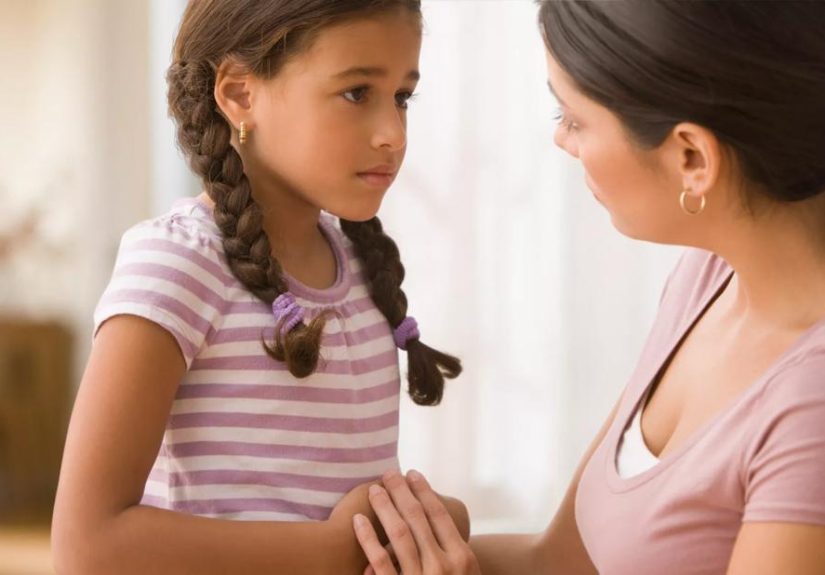
When a child says, “My stomach hurts,” parents immediately begin the usual detective work. Was it the extra slice of pizza? A stomach bug? Constipation? Anxiety before a math test? All reasonable suspects. But there is another possibility that tends to sneak in wearing a fake mustache: kidney stones.
Yes, kidney stones are not just an “adult problem.” Children and teens can get them too, and in younger kids especially, the pain may show up as belly pain instead of the classic grown-up complaint of pain in the side or back. That is what makes the issue tricky. A child may point to the stomach, cry, vomit, pace around the room, or suddenly refuse to pee because it hurts, while the real troublemaker is a tiny mineral stone moving through the urinary tract like it owns the place.
If your child has stomach pain that seems unusually intense, comes in waves, or is paired with urinary symptoms, it is worth considering kidney stones as part of the picture. Not every stomachache is a stone, of course. Most are not. But when the clues line up, this is one diagnosis parents should not shrug off as “just a tummy ache.”
Why Kidney Stones Can Feel Like Stomach Pain
A kidney stone forms when minerals and salts in urine clump together and harden. If that stone stays quiet in the kidney, it may cause no symptoms at all. But when it moves into the ureter, the narrow tube that carries urine from the kidney to the bladder, things can get dramatic in a hurry.
That movement can trigger sharp, cramping pain that may start in the back or side and travel toward the lower abdomen or groin. In younger children, though, the pain is often less neatly labeled. They may simply say their stomach hurts. They may not be able to point to the exact spot. They may just look miserable, sweaty, restless, and very much not interested in your cheerful offer of crackers.
In other words, kidney stone pain can absolutely masquerade as stomach pain, especially in kids who are too young to give a textbook medical description. And honestly, most adults are not exactly giving TED Talks during severe pain either.
Symptoms That Make Kidney Stones More Likely
Because many childhood illnesses can cause abdominal pain, the real question is whether stomach pain comes with other signs that point toward the urinary tract.
1. Pain that comes in waves
Kidney stone pain often builds, eases, and then slams back again. A child may curl up, pace, cry, then briefly seem better before the pain returns. That waxing-and-waning pattern is a classic clue.
2. Pain in the side, back, lower belly, or groin
Some children report flank pain, some say their lower stomach hurts, and some feel pain spreading toward the groin. The location can shift as the stone moves.
3. Blood in the urine
If urine looks pink, red, brown, or tea-colored, do not ignore it. Even when blood is not visible to the naked eye, a urine test may still find it. Blood plus abdominal pain is a combination that deserves medical attention.
4. Pain or burning with urination
Children with stones may say it hurts to pee, that they feel pressure, or that they need to go often but only pass a little urine.
5. Nausea and vomiting
Severe stone pain often brings nausea along for the ride. If your child is vomiting with abdominal or side pain, a stone becomes more plausible.
6. Cloudy or foul-smelling urine
This may happen with a stone, a urinary tract infection, or both. It is not a diagnosis by itself, but it should raise your suspicion.
7. Fever or chills
This is a big one. A stone plus infection can become urgent. If a child has fever, chills, vomiting, and severe pain, get medical care promptly.
8. Trouble urinating
If your child cannot pee, pees only tiny amounts, or looks like they are trying but cannot get relief, do not wait around hoping for a plot twist.
What Else Could It Be?
To be fair, kidney stones are only one possible explanation for belly pain. Common alternatives include constipation, viral stomach illness, appendicitis, food intolerance, bladder infection, muscle strain, and anxiety. In girls, menstrual cramps may also confuse the picture. In boys, severe groin pain can sometimes point to other urgent conditions.
What separates kidney stones from the crowd is the combination of intense or wave-like pain with urinary clues such as blood in the urine, burning, urgency, cloudy urine, or pain that seems to travel from the side or back toward the belly or groin. Parents do not need to solve the puzzle alone, but noticing those patterns helps the doctor ask smarter questions faster.
Why Some Children Get Kidney Stones
Kidney stones in children usually are not random bad luck. Often, there is a reason lurking in the background.
Dehydration
When kids do not drink enough water, urine becomes more concentrated, making it easier for crystals to form. Busy school days, hot weather, sports, and a personal feud with plain water can all contribute.
Too much sodium and added sugar
A diet heavy in salty processed foods, fast food, chips, sugary drinks, and ultra-snacky snack foods can push urine chemistry in the wrong direction. Tiny kidneys are not impressed by giant sodium loads.
Family history
If kidney stones run in the family, a child’s risk goes up. Sometimes the family tree does not just pass down curly hair and stubbornness. Sometimes it hands over stone risk too.
Metabolic or genetic conditions
Some children make too much calcium, oxalate, uric acid, or cystine in their urine. Others have conditions that affect how the body handles minerals and acids. This is one reason doctors often do more than simply treat the stone and move on.
Urinary tract infections or urinary tract differences
Certain infections and structural issues in the urinary tract can raise the risk of stones or make them more complicated.
Previous stones
Once a child has had one kidney stone, the chance of another is higher. That is why prevention matters so much after the first episode.
How Doctors Figure Out Whether It Is a Stone
Doctors usually start with the child’s symptoms, medical history, family history, physical exam, and basic testing.
Urine tests
A urine sample can check for blood, crystals, infection, and other clues. Sometimes the blood is obvious. Sometimes the lab catches what the eye cannot.
Blood tests
These may help evaluate kidney function, signs of infection, and mineral balance.
Ultrasound
In children, ultrasound is often the preferred first imaging test because it can detect many stones and does not use radiation. That makes it especially helpful when the goal is to get answers without adding unnecessary exposure.
CT scan when needed
If the picture is still unclear, a CT scan may be used to find small stones or confirm blockage. It can be very useful, but many clinicians prefer to start with ultrasound in kids.
If your child passes a stone, the doctor may ask you to save it. Yes, it sounds like an odd family souvenir. No, it is not for a scrapbook. Stone analysis can reveal what type it is and help guide prevention.
Treatment: What Happens Next?
Treatment depends on the size of the stone, where it is located, whether urine flow is blocked, whether infection is present, and how miserable your child feels.
Small stones may pass on their own
Many smaller stones move through the urinary tract without surgery. Treatment may include fluids, pain control, anti-nausea medicine, and instructions to strain the urine to catch the stone.
Some stones need a procedure
If a stone is large, stuck, causing severe symptoms, or blocking urine flow, a specialist may recommend treatment such as shock wave lithotripsy, ureteroscopy, or in some cases a more advanced procedure to remove or break up the stone.
Infection changes the urgency
A stone with fever or signs of infection is not something to monitor casually at home. Doctors may need to relieve the blockage and treat infection quickly.
Prevention becomes part of treatment
Especially in children, the job is not finished once the pain stops. Many kids need a deeper evaluation to learn why the stone formed in the first place. That may include blood work, special urine testing, diet review, and follow-up with pediatric nephrology or urology.
How to Help Prevent Future Stones
Prevention is where parents can become the household heroes of hydration, though you may not get a cape.
Make water the default drink
Children who are prone to stones usually need steady fluid intake through the day, not one heroic gulp at dinner. Pale urine is generally the goal. Dark urine is the body’s way of saying, “We need more water and less pretending juice counts as hydration.”
Cut back on salt
High sodium intake can increase stone risk. Watch processed meats, instant noodles, chips, frozen meals, fast food, and packaged snacks that could season an entire driveway.
Do not cut out calcium without medical advice
This surprises many parents. Calcium is not always the villain. In fact, too little dietary calcium can make some stones more likely. The key is balanced nutrition, not nutritional panic.
Serve more fruits and vegetables
A diet with plenty of produce supports healthier urine chemistry and usually comes with less sodium and less added sugar. Your child may still negotiate with the broccoli. That is a separate diplomatic mission.
Be careful with supplements
Some supplements can raise stone risk in certain children. Do not start or stop supplements based on internet folklore. Use your child’s clinician as the tie-breaker.
Follow the stone type
Calcium oxalate, uric acid, cystine, and struvite stones do not all behave the same way. Prevention advice may differ depending on the stone type and your child’s urine results. Some children may need prescription medication, such as citrate-based therapy, as part of prevention.
When Parents Should Call the Doctor Right Away
Call your child’s doctor promptly if stomach pain is severe, keeps coming back, or is paired with urinary symptoms. Seek urgent care sooner if your child has:
Fever, chills, or signs of infection; vomiting that prevents drinking; blood in the urine; pain so strong your child cannot rest; trouble urinating; or side, back, or belly pain that is getting worse instead of better.
If your child seems unusually ill, dehydrated, or inconsolable, trust your instincts. Parents are often told not to panic, which is fair. But parents are also allowed to notice when something is very off. Kidney stones are painful, and complicated stones can need fast treatment.
The Bottom Line
Could your child’s stomach pain be kidney stones? Absolutely, yes. Especially if the pain is intense, comes in waves, or shows up with blood in the urine, painful urination, nausea, vomiting, or pain in the side or back. Younger children may not describe the pain clearly, so “my stomach hurts” can sometimes be the first clue to a urinary tract problem rather than a digestive one.
The good news is that kidney stones can be diagnosed, treated, and often prevented. The not-so-good news is that stones are very good at making a small person dramatically unhappy. If the symptoms fit, do not assume it is just a random tummy ache. A proper evaluation can bring relief, rule out more serious complications, and help prevent the next surprise rock concert in your child’s kidneys.
Experiences Parents Commonly Describe When Kidney Stones Are the Real Problem
One of the most frustrating parts of pediatric kidney stones is how ordinary the beginning can look. A parent may notice a child complaining of stomach pain after school and assume it is hunger, constipation, or a bug going around the classroom. Maybe the child lies on the couch for a while, then suddenly seems fine, then thirty minutes later is doubled over again. That “better, then worse, then better, then worse” cycle is something many families remember clearly. It feels confusing because it does not behave like a typical stomachache.
Another common experience is the child who cannot explain the pain well. Younger kids may point to the belly button no matter where the pain actually is. They may say their whole stomach hurts when the problem is really in the side or lower back. Some children become restless instead of still. Rather than curling up quietly, they pace, cry, shift positions, or seem unable to get comfortable. Parents often say this is what made them realize the pain was different. It did not look like a simple upset stomach. It looked like a child trying to crawl out of their own discomfort.
Vomiting is another detail families often mention. A child may wake in the night with stomach pain, throw up once or twice, and everyone assumes it is a stomach virus. But then there is no diarrhea, no obvious fever, and no one else in the house gets sick. Later, a urine test shows blood, and the whole mystery starts making more sense. In some cases, the first dramatic clue is urine that looks pink or rust-colored. That can be frightening, but it also gives doctors an important breadcrumb to follow.
Parents also describe the shock of learning that kidney stones can happen in children at all. Many say they knew adults got stones, especially the uncle who never drank water and treated vegetables like a personal insult, but they did not realize a healthy-looking child or teen could develop one. Families are often surprised to hear that dehydration, salty diets, genetics, or hidden metabolic issues can all play a role. Once that first stone is diagnosed, many parents become sharply aware of how little their child drinks during the school day. Suddenly the water bottle becomes the most important accessory in the house.
There is also the relief factor. When the diagnosis is finally made, parents often feel two emotions at once: worry and relief. Worry, because nobody wants to hear that their child has a stone. Relief, because the pain finally has a name, and the family is no longer guessing between appendicitis, a stomach bug, constipation, and every other alarming possibility that pops into a tired parent’s mind at 2 a.m. That clarity matters. It helps families move from confusion to action.
Finally, many families say the long-term lesson is not just about treating one stone. It is about changing routines. More water. Less sodium. Better follow-up. More attention to recurring symptoms. Parents often become experts at spotting the early warning signs the second time around, which is knowledge nobody exactly wants, but it can be incredibly useful. In that sense, the experience becomes part medical challenge, part hydration campaign, and part family education project with a very memorable mascot: one rude little stone.