Table of Contents >> Show >> Hide
- Meet the Townhouse and the Couple Behind It
- Under-the-Eaves Living: Making 860 Square Feet Feel Generous
- The Kitchen: Pale, Practical, and Tucked Under the Rafters
- Material Palette: Chalky Whites, Honest Wood, and Handmade Surfaces
- Light, Color, and the Danish Art of Hygge
- Rooms with a View (and a Story)
- How to Bring This Danish Heritage Look into Your Own Home
- Conclusion & SEO Snapshot
- Living with Danish Heritage: Experiences from a Hand-Renovated Home
Picture this: You climb a narrow staircase in an old 1737 townhouse along one of Copenhagen’s historic canals.
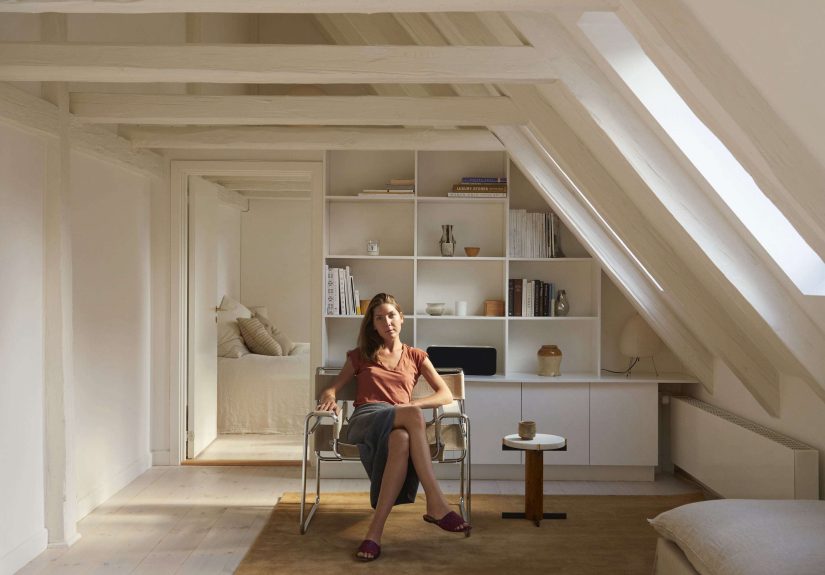
The ceilings slope, the beams creak a little, and at the very top you step into an 860–square-foot attic
that somehow feels brighter, calmer, and more spacious than many full-size homes. Nothing here looks flashy.
But every plastered wall, every cabinet pull, every scrubbed floorboard quietly says: “Someone made me by hand.”
That’s the magic of Danish heritage in interiorsand the spirit behind the Copenhagen townhouse featured on
Remodelista. Instead of gutting the space and installing a trendy showroom kitchen, the creative couple who
live here leaned into the building’s history. They restored old bones, added clever built-ins, and used humble,
tactile materials to create a home that feels both timeless and totally livable. If you love Scandinavian design,
hygge, and small-space renovations with soul, this attic apartment is basically your mood board in real life.
Meet the Townhouse and the Couple Behind It
The home sits on the top floor of a 1737 townhouse in central Copenhagen, tucked under the eaves with long,
sloped ceilings and dormer windows framing canal and rooftop views. The footprint is modestabout 860 square feet
but it’s chopped and angled in that unmistakable old-European way that can be either charming or maddening,
depending on how you treat it.
The owners are a creative pair: she’s a brand designer with a background in hospitality and interiors, and he’s
a woodworker and maker. Instead of hiring a large renovation crew, they chose a slower, more hands-on approach.
Much of the workplastering, sanding floors, building cabinets and shelvingwas done by the couple themselves over
time. That decision isn’t just a romantic “we renovated it by hand” detail; it’s visible in the details: the way
shelving follows odd angles, the slight irregularity in a plastered wall, the custom niches carved exactly where
they’re needed.
Under-the-Eaves Living: Making 860 Square Feet Feel Generous
Respecting the Bones of a 1737 Building
Rather than flattening history, the renovation leans into it. Original beams are left exposed or lightly painted,
old window casings are preserved, and the slightly uneven floors are embraced as part of the home’s story.
Where many modern renovations chase flat, flawless surfaces, this one chooses character: subtle cracks in old plaster,
tiny shifts in floor level, and doors that look like they’ve been opened and closed for centuries.
This respect for the building’s fabric is a hallmark of thoughtful Danish restoration. The goal isn’t to make an
18th-century townhouse look brand new, but to make it function beautifully for 21st-century life while honoring
everything that makes it unique. The result is a space that feels grounded, not stageda home first, a Pinterest pin second.
A Clever, Almost Invisible Floor Plan
Attic apartments can easily feel like a collection of awkward leftover spaces. Here, the couple used built-ins and
visual continuity to make the layout feel logical and calm. Low, wall-hugging storage runs under the eaves, turning
otherwise “dead” space into hidden cabinets for linens, books, and everyday clutter.
The circulation path is clear: you move through a long central axis that loosely connects entry, kitchen, dining,
living, and sleeping zones. There aren’t many doors, but there are subtle thresholdschanges in floor rugs,
ceiling height, or built-in elementsthat signal when you’re entering a more private or more social area.
In a tiny footprint, every inch has a job, but nothing screams “storage solution!” It just feels quietly organized.
The Kitchen: Pale, Practical, and Tucked Under the Rafters
One of the most iconic spaces in this townhouse is the compact kitchen. It sits right under the eaves, tucked into
a narrow corner where a full-height kitchen would never work. Instead of fighting the slope, the couple embraced it.
A single run of lower cabinets holds the integrated fridge, dishwasher, and storage, while open shelving and
wall-mounted rails float above, keeping the visual weight low and the upper area light.
The palette is classic Scandi: soft whites, pale cabinetry, and light countertops that bounce the limited daylight
deeper into the space. Instead of bulky freestanding piecesa dish rack on the counter, a knife block, a big utensil
crockthe couple opted for wall-mounted alternatives. A simple dish rail, a magnetic knife strip, and a few hooks
turn the wall into a hardworking but visually calm backdrop.
This kitchen, referenced often on Remodelista for its under-the-eaves ingenuity, has become a sort of masterclass
in small Danish kitchens: integrated appliances, built-in storage, very little visual clutter, and a clear devotion
to everyday rituals like cooking, lingering with coffee, and sharing meals even in tight quarters.
Material Palette: Chalky Whites, Honest Wood, and Handmade Surfaces
Danish heritage in interiors is as much about feel as it is about looks. In this townhouse, almost everything you
touch is matte, natural, and tactile. Think limewashed or chalky-painted walls, lightly soaped or oiled wood floors,
and cabinet fronts that look like they could be repaired, not replaced.
Floors may be original pine boards, scrubbed and resealed rather than ripped out. Built-ins are often made from
solid or veneer wood, not plastic-laminate imports. Countertops lean toward simple, durable surfaceswood, stone,
or a neutral compositechosen more for longevity than for Instagram shock value. You can imagine these pieces
aging gracefully over the next 20 years instead of feeling dated in five.
Subtle texture is a recurring theme. A slightly rough plaster wall next to a smooth cabinet door, woven textiles
against bare wood, a humble stone windowsill with a slightly chipped edgethe mix makes the home feel human.
It’s the opposite of the glossy, “filter on max” aesthetic. The townhouse is photogenic, yes, but it’s also
the kind of place where you’re not afraid to put your coffee mug down.
Light, Color, and the Danish Art of Hygge
Scandinavians are famously serious about light, and this home proves why. With long, dark winters, daylight becomes
a precious design material. The color palette in the townhouse stays mostly in the realm of pale whites, warm neutrals,
and soft grays. These hues amplify the natural light from dormer windows and keep the attic from feeling cramped.
That doesn’t mean the space is cold. Hyggethe Danish concept of cozy, contented livingshows up in layered textures
and warm accents: wool throws on the sofa, linen bedding, a worn leather chair, a stack of books tucked into a niche,
soft pools of lamplight in the evening. Rather than relying on a single overhead fixture, the home uses table lamps,
wall lights, and candles to create pockets of glow. The result is a space that feels calm at noon and deeply inviting
at 10 p.m.
Even the color accents are gentle: maybe a pale blue-gray door, a muted clay vase, or a single art print adding
a moment of depth. The overall impression is serene but not sterilelike living inside a cloud with good Wi-Fi.
Rooms with a View (and a Story)
One of the townhouse’s strengths is how every corner carries a narrative. A built-in bench under a window doubles
as storage and a reading nook. A low shelf running along a wall becomes both a place for cherished ceramics and a
visual line that ties a room together. A tiny alcove turns into a compact home office, its desk sized to the inch.
In the bedroom, sloping ceilings are embraced rather than disguised. The bed might be tucked into a nook where you
can reach out and touch both wallscozy in winter, airy in summer with windows cracked open to canal breezes.
Storage is handled with calm, continuous cabinetry, so your eyes rest on planes and lines, not piles of stuff.
This is where Danish heritage really shines: the idea that design is not just about how a room looks in photos,
but how it supports everyday life. Spaces are modest, but the quality of thought poured into them is anything but.
How to Bring This Danish Heritage Look into Your Own Home
You may not live in an 18th-century Copenhagen attic (if you do, we’re all jealous), but you can borrow plenty of
ideas from this townhouse for your own spacewhether you’re in a suburban ranch, a city condo, or a rental with
suspiciously shiny floors.
1. Start with Light and a Calm Palette
Choose one soft, light base coloroff-white, warm gray, or pale beigeand repeat it throughout walls and ceilings.
This mimics the airy, under-the-eaves feel of the Copenhagen flat and makes small spaces feel bigger. Add depth with
natural wood, stone, and textiles rather than bright statement colors everywhere.
2. Build In Instead of Buying More Furniture
Under-eaves spaces, weird niches, and shallow corners are your best friends. Use them for built-in benches, low
cabinets, and shelves. Even a basic DIY plywood build, carefully painted, will feel more integrated and “architectural”
than yet another freestanding unit squeezed into the room.
3. Prioritize Everyday Rituals
Design your home around what you actually do: cook, read, work, drink coffee, host a friend for wine, help kids
with homework. Notice how the Copenhagen townhouse places real emphasis on a workable kitchen, a generous dining spot
for such a small footprint, and comfortable seating where conversation is easy. Let your floor plan reflect your life,
not a catalog layout.
4. Choose Materials That Age Well
Think solid or veneer wood, wool, linen, ceramic, and metal finishes that can patina gracefully. In a hand-renovated
home, perfection on day one is less important than beauty over time. Scratches become part of the story, not a crisis.
5. Layer Hygge, Don’t Over-Accessorize
Instead of filling surfaces with decor, focus on a few meaningful pieces: a favorite lamp, a stack of much-read books,
a simple ceramic bowl, a framed print you love. Add softness with throws, cushions, and rugs, but allow plenty of
empty space so your eyesand your braincan relax.
Conclusion & SEO Snapshot
The Copenhagen townhouse renovated by hand and celebrated on Remodelista isn’t just a pretty attic; it’s a blueprint
for how to live well in a small, historical space. By respecting the building’s 18th-century bones, embracing
Scandinavian design principles, and doing much of the work themselves, the owners created a home that feels deeply
personal and quietly luxurious. It shows that Danish heritage isn’t about buying the “right” chairsit’s about
crafting a space that reflects patience, craftsmanship, and everyday joy.
SEO summary
meta_title: Danish Heritage: Copenhagen Townhouse by Hand
meta_description: Step inside a 1737 Copenhagen townhouse, renovated by hand, and see how Danish heritage, hygge, and smart design transform an attic into a serene home.
sapo: In a 1737 townhouse above Copenhagen’s historic canal, a creative couple turned an awkward 860-square-foot attic into a light-filled sanctuaryalmost entirely by hand.
By honoring original beams and floors, tucking smart storage under the eaves, and leaning into Danish design staples like pale palettes, natural materials, and hygge-laden lighting,
they created a home that feels both modern and deeply rooted in history. Discover how their Remodelista-featured renovation balances function and warmth, then steal the best ideas for
your own space, whether you live in a tiny city apartment or a sprawling family house.
keywords: Danish heritage, Copenhagen townhouse, hand renovated apartment, Danish design interior, hygge Scandinavian home, Remodelista townhouse, small space renovation
Living with Danish Heritage: Experiences from a Hand-Renovated Home
To really understand why this kind of renovation matters, imagine a typical day in a home like this. Morning starts
with pale light slipping in through dormer windows, catching on worn floorboards and the curve of the ceiling.
The kitchen is small, but everything is where it should be: mugs on a simple rail, coffee beans in a jar, a kettle
on the stove. You don’t have to shuffle around clutter to start the day; the built-ins quietly hold the chaos so
you can just move, almost on autopilot.
As you sit at a slim dining table pushed against a wall, the townhouse reminds you of its age. Maybe a passing boat
sends a faint vibration through the structure, or you notice how the stairs dip slightly in the middle from centuries
of footsteps. Instead of feeling fragile, the home feels reassuringlike a sturdy friend who has seen everything and
is unbothered by your overflowing to-do list.
During the day, the versatility of a hand-renovated space really shines. A window bench doubles as a laptop station;
the dining area transforms into a project table; a corner of the living room becomes a kids’ play zone or a spot to
spread out fabric samples and paint swatches. Because storage has been thoughtfully built in, you can shift functions
without dragging furniture from room to room. The home flows with you instead of resisting every change in plan.
In the afternoon, the sloped ceilings and white surfaces act almost like a giant light box. If you’re working from home,
the space keeps you alert without feeling harsh. If you’re taking a break, you can stretch out on a low sofa and watch
the light move along the beams, noticing how the house changes hour by hour. This is a quiet perk of heritage buildings:
they’re not just backgrounds, they’re active characters in your daily life.
Evening is where hygge takes over. A few lamps come onnever the overheads if you can help it. Candles gather on the
dining table and windowsills, reflecting in the glass and making the attic feel like a cozy lantern hovering above the city.
Friends arrive and automatically gravitate toward the kitchen, even though it’s tiny, because it feels intimate rather than cramped.
Someone leans against the counter, another perches on the built-in bench, and suddenly the under-the-eaves layout that seemed
impractical on paper feels like the most natural social space in the world.
Living in a hand-renovated townhouse also changes how you see your belongings. When you’ve patched walls, sanded floors,
and carefully measured every cabinet, you become more intentional about what comes into the space. You might find yourself
choosing one great wool throw instead of three trendy ones, or waiting for the right vintage dining chairs instead of
rushing to fill the room. The home gently nudges you toward slower, more thoughtful consumption.
Over time, the house and your life start to weave together. The scuffs on the floor by the kitchen might mark where
kids parked their stools to help cook. The slightly darker spot on the dining table shows where laptops and coffee cups
have lived through countless work-from-home days. Every mark is a layer of storynot damage to be hidden, but evidence
that the space is doing its job.
That’s the real lesson of a Copenhagen townhouse renovated by hand: heritage isn’t a frozen museum piece. It’s a living
collaboration between old bones and new routines, between centuries-old craftsmanship and your very modern life.
You don’t need an attic in Denmark to tap into that. You just need to treat your own homehowever ordinary it may seem
as something worth shaping slowly, thoughtfully, and with your own hands whenever you can.