Table of Contents >> Show >> Hide
- What “Heavy Duty” Soap Scum Really Is (and Why It Laughs at Water)
- Before You Start: Pick the Right Method for Your Surface
- The Heavy-Duty Game Plan: Soften, Scrub Smart, Rinse Like You Mean It
- Best DIY Methods for Heavy Duty Soap Scum
- When DIY Isn’t Enough: Heavy-Duty Store-Bought Options
- Surface-by-Surface: Exact Steps That Work
- Glass Shower Doors (the “why does it look cloudy again?” zone)
- Ceramic/Porcelain Tile Walls
- Grout Lines (where soap scum goes to hide)
- Fiberglass & Acrylic Tubs/Surrounds (scratch-prone and sensitive)
- Natural Stone Showers (marble, travertine, limestone)
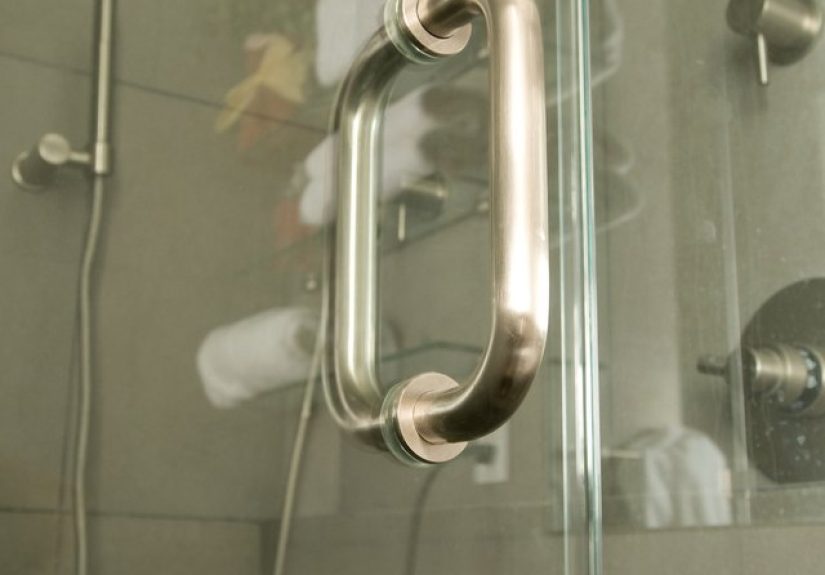
- Metal Fixtures (chrome, brushed nickel, etc.)
- What NOT to Do (Unless You Enjoy Buying New Stuff)
- How to Keep Soap Scum From Coming Back
- Troubleshooting: If It Still Looks Cloudy
- Conclusion
- Real-World Experiences: What People Learn After Fighting Heavy Soap Scum
Soap scum is the clingy houseguest that never reads the room. One day your shower looks fine; the next day,
your glass door has a cloudy “film noir” vibe and your tub feels like it’s wearing a wax jacket.
The good news: heavy duty soap scum is removable. The better news: you don’t need a jackhammer
you need the right plan, the right cleaner for the right surface, and about 20 minutes of smart effort.
What “Heavy Duty” Soap Scum Really Is (and Why It Laughs at Water)
Soap scum is a stubborn mix of leftover soap ingredients (especially from bar soap), body oils, and minerals from
hard water. Those minerals bond with soap residue and form a dull, waxy deposit that sticks to shower doors,
tile, tubs, and fixtures. The longer it sits, the more it layers uplike a bad lasagna you didn’t order.
Heavy duty buildup usually means you’re dealing with both oily grime and mineral deposits.
That’s why one “miracle spray” can disappoint: some products melt oils but barely touch minerals; others dissolve
minerals but slide off greasy film. The solution is a simple two-part strategy: break down then lift off.
Before You Start: Pick the Right Method for Your Surface
The biggest mistake people make is using the right cleaner on the wrong material. A cleaner that’s perfect for
glass can ruin natural stone. A scrub pad that’s fine for tile can scratch acrylic. Do this quick check first:
Surface cheat sheet
- Glass shower doors: Vinegar-based sprays, dish soap boosters, non-scratch pads, microfiber drying.
- Ceramic/porcelain tile: Vinegar (usually), baking soda paste, soft brush for grout.
- Fiberglass/acrylic tubs & surrounds: Nonabrasive cleaners only; soft sponges; avoid harsh scratching.
- Natural stone (marble, travertine, limestone, some granite): Avoid vinegar/acid; use pH-neutral stone-safe cleaners.
- Fixtures (chrome/nickel): Mild cleaners + gentle cloth; avoid leaving acids sitting too long.
Tools that make the job 3x easier
- Spray bottle
- Microfiber cloths (at least two: one wet, one dry)
- Non-scratch sponge or non-abrasive scrub pad
- Soft-bristle brush or old toothbrush (for grout/edges)
- Plastic scraper (optional, for thick buildup on glassused gently)
- Rubber gloves and ventilation (open a window or run the fan)
The Heavy-Duty Game Plan: Soften, Scrub Smart, Rinse Like You Mean It
If your soap scum is thick, don’t start scrubbing dry. That’s how people end up exhausted, angry,
and still staring at the same cloudy streaks. Instead:
- Soften: Apply a cleaner and let it dwell long enough to loosen the bond.
- Agitate gently: Use the least abrasive tool that still works.
- Rinse thoroughly: Leftover cleaner + loosened grime can redeposit as haze.
- Dry and buff: Especially on glassdrying prevents fresh water spots and streaks.
Best DIY Methods for Heavy Duty Soap Scum
1) Vinegar + Dish Soap Spray (the classic “cut grease + dissolve minerals” combo)
Distilled white vinegar helps dissolve mineral deposits; dish soap helps loosen body oils and greasy film.
Together, they’re a tag team that actually earns the hype.
- In a spray bottle, combine vinegar with a small squirt of grease-cutting dish soap. (You can dilute with water if the smell is too bold.)
- Spray generously on soap scum, especially vertical surfaces.
- Let it sit long enough to soften buildup (10–20 minutes for heavy film).
- Scrub with a non-scratch sponge. For corners and caulk lines, use a soft brush.
- Rinse thoroughly with warm water and dry with a microfiber cloth.
Pro move: Warm vinegar (not boiling) can work faster on thick buildupjust be careful handling it.
2) Baking Soda Paste (gentle abrasion for stubborn patches)
Baking soda is mildly abrasive, which makes it great for “stuck-on” zoneswithout turning your tub into a scratch art exhibit.
- Mix baking soda with a little water (or a bit of vinegar) to form a spreadable paste.
- Apply to soap scum spots and let it sit 10–15 minutes.
- Scrub gently with a damp non-scratch sponge.
- Rinse well and wipe dry.
Use this method when the film is thick or “waxy” and a spray alone isn’t cutting it.
3) Lemon or Citric Acid Boost (for mineral-heavy bathrooms)
If your water is hard, soap scum often comes with extra calcium/lime deposits. Mild acids like lemon juice or
dissolved citric acid can help break down minerals. Treat it like vinegar: apply, dwell, scrub gently, rinse, dry.
Important: Skip acids on natural stone. Stone and acids are not “enemies-to-lovers.” They’re just enemies.
When DIY Isn’t Enough: Heavy-Duty Store-Bought Options
If the buildup is old, layered, or mixed with heavy hard-water staining, a commercial soap scum remover can save time.
Look for products labeled for soap scum, hard water, calcium/lime, or bathroom film.
Smart ways to use commercial cleaners (without regrets)
- Patch test first: Try an inconspicuous spot before coating your whole shower.
- Follow dwell times: Longer isn’t always bettersome products can dull finishes if left too long.
- Use ventilation: Bathroom chemistry experiments belong in well-ventilated rooms.
- Rinse thoroughly: Residue can attract new grime.
Surface-by-Surface: Exact Steps That Work
Glass Shower Doors (the “why does it look cloudy again?” zone)
- Spray vinegar + dish soap solution across the glass.
- Let it dwell 10–20 minutes (close the door to keep it from dripping off too fast).
- Wipe in circles with a non-scratch sponge to lift the film.
- Rinse with warm water.
- Dry immediately with microfiber, then buff for shine.
If scum is really thick: Use baking soda paste on a damp sponge and gently scrub problem areas, then rinse and dry.
A plastic scraper can help on glass if used carefully (keep it flat, don’t dig in).
Ceramic/Porcelain Tile Walls
- Spray vinegar solution over the tile (avoid soaking unsealed grout for long periods).
- Wait 10–15 minutes.
- Scrub with a non-scratch sponge.
- For textured tile, use a soft brush to get into the nooks.
- Rinse thoroughly and towel-dry.
Grout Lines (where soap scum goes to hide)
- Make a baking soda paste with water.
- Spread it along grout lines.
- Scrub with a toothbrush or grout brush.
- Rinse and wipe clean.
If grout is cracked, missing, or constantly damp, cleaning won’t fix the underlying issuerepairing and resealing is the real upgrade.
Fiberglass & Acrylic Tubs/Surrounds (scratch-prone and sensitive)
- Use a gentle cleaner (DIY or commercial labeled safe for fiberglass/acrylic).
- Let it dwell briefly (5–10 minutes) so you don’t have to scrub hard.
- Use a soft spongeno abrasive pads.
- Rinse thoroughly and dry.
If the finish is already dull, aggressive scrubbing can make it worse. Let chemistry do the work, not brute force.
Natural Stone Showers (marble, travertine, limestone)
Skip vinegar, lemon, and most acid-based cleaners. Use a pH-neutral stone cleaner or a stone-safe soap scum remover.
Use soft cloths and gentle agitation, then rinse and dry. If your stone is unsealed or the sealant is failing, soap scum
can sink in and become a recurring problemresealing may be part of the long-term fix.
Metal Fixtures (chrome, brushed nickel, etc.)
- Spray cleaner onto a cloth first (especially for harsh products) to control contact.
- Wipe fixtures, focusing on the base where scum collects.
- Rinse with clean water and dry to prevent spots.
What NOT to Do (Unless You Enjoy Buying New Stuff)
- Don’t mix cleaners: Especially bleach with vinegar/ammoniadangerous fumes are not a “deep clean.”
- Don’t use steel wool on glass or acrylic: Scratches trap future grime and make everything harder.
- Don’t use acids on natural stone: Etching and dulling can be permanent.
- Don’t skip rinsing: Cleaner residue + loosened minerals = haze.
- Don’t “rage scrub” dry scum: Soften first, then scrub gently.
How to Keep Soap Scum From Coming Back
The easiest soap scum to remove is the soap scum that never gets comfortable. A few quick habits can keep your shower
looking freshly cleaned instead of “abandoned car wash.”
Low-effort prevention that actually works
- Squeegee after every shower: 30 seconds now saves 30 minutes later.
- Dry glass and fixtures: A microfiber cloth prevents water spots and film.
- Use liquid body wash sometimes: Many people see less residue than with bar soap in hard-water homes.
- Weekly quick spray: A light vinegar-based mist (stone-safe alternative for stone) keeps buildup from thickening.
- Improve ventilation: Run the exhaust fan during and after showers to reduce damp grime buildup.
Troubleshooting: If It Still Looks Cloudy
Cloudy glass after cleaning
Cloudiness can be leftover cleaner residue, mineral deposits you didn’t fully dissolve, or (worst-case) etching from
harsh abrasion/acid exposure over time. Try a second pass: vinegar + dish soap dwell, gentle scrub, rinse thoroughly,
and dry/buff. If it improves, you’re dealing with residue or minerals. If it doesn’t change at all, you may be looking
at etchingcleaning can’t fully reverse that, but keeping the surface dry and protected can reduce the look.
Soap scum returning fast
That’s often hard water plus frequent use. Consider a showerhead filter or whole-home softening, and stick to the
squeegee habit. Think of it as less “cleaning” and more “preventing a soap-scum sequel.”
Conclusion
To remove heavy duty soap scum, match the method to the surface, let the cleaner dwell long enough to loosen buildup,
scrub gently with the right tool, and rinse and dry like it’s your job. A vinegar + dish soap spray and a baking soda
paste handle most situations. For thick, older deposits, a commercial soap scum remover can speed things upespecially
in hard-water bathrooms. Once everything’s clean, a simple squeegee routine keeps the scum from staging a comeback tour.
Real-World Experiences: What People Learn After Fighting Heavy Soap Scum
In real bathrooms (not the imaginary ones in commercials where nobody actually showers), heavy duty soap scum usually
builds up in predictable places: the lower half of glass doors, the ledges where bottles sit, the corners where water
pools, and the “shadow zone” behind the shower caddy. One common experience is thinking the entire shower is dirty when
it’s really a few high-contact areas that keep re-seeding the rest. People wipe the middle of the door, call it done,
and then wonder why it looks cloudy again two days later. The fix is simple: focus extra attention on edges, bottom tracks,
and any textured tile where residue clings.
Another frequent lesson: most frustration comes from scrubbing too soon. When soap scum is thick, dry scrubbing feels like
trying to erase permanent marker with a tissuetechnically a strategy, emotionally a mistake. Once people switch to a “dwell
first” routine (spray, wait, then scrub), the job becomes noticeably faster. The waiting part can feel silly, but it’s
the difference between gentle wiping and an unplanned arm workout. A lot of folks also notice that warmth matters:
warm water for rinsing and slightly warmed vinegar solutions often help soften buildup so it releases without harsh abrasion.
Surface surprises come up a lot, too. Many people learn the hard way that “scrubby” isn’t a universal love language.
An abrasive pad that makes quick work of ceramic tile can quietly scratch acrylic surrounds, leaving a dull haze that
attracts more soap scum later. The real experience here is that the shower starts looking worse over time even though
it’s being cleaned more. Switching to non-scratch tools and letting chemistry do the heavy lifting tends to reverse that cycle.
Glass has its own drama: if you don’t dry and buff, a perfectly cleaned door can still look streaky, which makes it feel like
nothing worked. Drying with microfiber is the unglamorous step that delivers the “wow, it’s clear” result.
Hard-water homes often create a special kind of “double buildup” where soap scum and mineral deposits stack together.
People describe it as a chalky film that laughs at normal bathroom sprays. In those cases, what works in practice is a
two-stage approach: first dissolve mineral deposits (with the right product for the surface), then lift oils and residue
(often with dish soap help). This is also where prevention starts to feel worth it. Lots of households report that once they
keep a squeegee inside the shower and make it part of the “turn off the water, quick swipe, done” routine, they stop needing
intense deep cleans nearly as often. It’s not perfectionit’s reducing how quickly gunk gets comfortable.
Finally, people commonly notice that soap choice changes the battle. Bar soaps in hard water can produce more visible scum,
while some body washes and synthetic cleansers may leave less. That doesn’t mean you have to dump your favorite soapjust
know that if you love bar soap and you have hard water, you’ll probably need a consistent maintenance routine. The most
reliable “real-life” winning combo is boring but true: a weekly light clean, a fast squeegee habit, and a deeper clean when
you first spot film formingbefore it turns into a science fair project.