Table of Contents >> Show >> Hide
- Why This Concrete Block Bed Base Still Works
- Before You Build: The Smart Stuff That Makes a Big Difference
- Materials You’ll Likely Need
- How to Build a Concrete Block Bed Base That Looks Intentional
- Design Variations That Actually Work
- Pros and Cons of a Concrete Block Bed Base
- Mistakes to Avoid
- What the Experience Is Really Like
- Final Thoughts
- SEO Tags
There are two kinds of bedroom furniture shoppers in this world: the people who calmly compare bed frames for three weeks, and the people who look at one price tag, laugh in disbelief, and start googling DIY alternatives at 11:47 p.m. If you belong to the second group, welcome home. A concrete block bed base is one of those rare DIY ideas that manages to be affordable, sculptural, practical, and just a little bit rebellious. It says, “Yes, I have taste. No, I did not spend a small mortgage payment on a frame.”
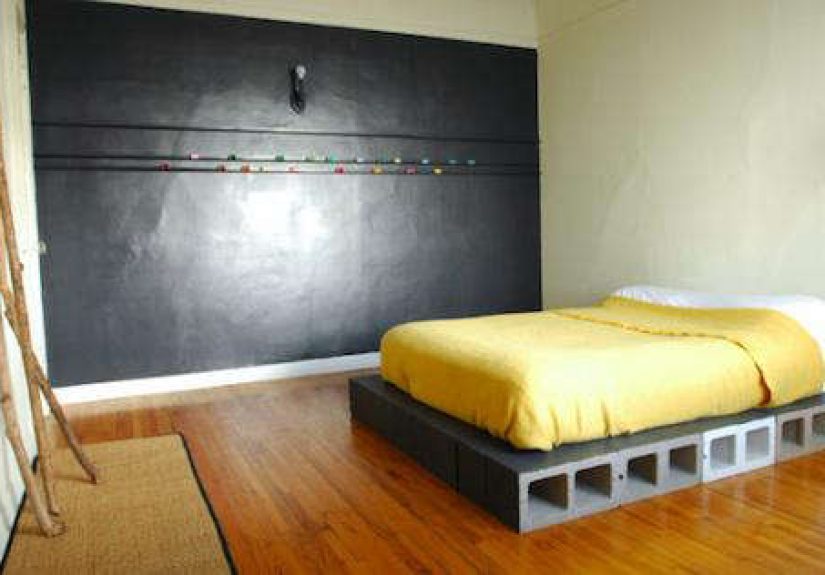
The idea gained design-world attention years ago through a sparse Los Angeles apartment featuring a concrete block bed base by Commune designer Chau Truong. And honestly, it still works. Maybe even more now than ever. Low-profile beds continue to look sharp in minimalist bedrooms, raw materials are still having a major moment, and people remain deeply interested in furniture that feels custom without requiring a cabinetmaker, a workshop, and the patience of a saint.
A DIY concrete block bed base hits that sweet spot. It can look brutalist, California-cool, industrial, quietly bohemian, or “I know exactly what I’m doing” modern. It can also be built with off-the-shelf materials, basic measuring skills, and a willingness to carry objects that definitely skipped arm day. The trick is not just stacking blocks and hoping for the best. The trick is building it in a way that feels intentional, supports your mattress properly, protects your floor, and doesn’t leave your bedroom looking like an unfinished parking structure.
Why This Concrete Block Bed Base Still Works
The beauty of this project is that it combines form and function in a very honest way. Concrete blocks are not pretending to be delicate. They are not trying to charm you with tufting, hidden drawers, or a dramatic upholstery moment. They are sturdy, geometric, and refreshingly straightforward. That simplicity is exactly what makes them so stylish.
From a design perspective, a concrete block bed base delivers clean lines and a grounded silhouette. The visual weight sits low, which can make a room feel calmer and more architectural. If your bedroom already has a lot going on, such as patterned textiles, vintage art, or plants staging a small jungle takeover, a block base can anchor the room without competing for attention.
It also works beautifully in small spaces. A low-profile bed takes up less visual real estate than a bulky traditional frame. And if you plan your layout wisely, you can still leave a little clearance underneath for easy cleaning or slim storage bins. In other words, the bed can look stripped down without feeling stripped of practicality.
Before You Build: The Smart Stuff That Makes a Big Difference
Know What You’re Actually Buying
Most people say “cinder block,” but what you’ll usually find at home centers today are concrete blocks or CMUs. Standard nominal dimensions are often 8 by 8 by 16 inches, though actual measurements are slightly smaller. That matters when you start planning overall bed height, width, and how snugly your platform surface will sit on top. Translation: do not eyeball this unless you enjoy surprise geometry.
You’ll also notice that blocks vary in shape and weight. Some are cored, some are solid, some are cap blocks, and some are finishing units with smoother faces. For a bed base, that variety can actually help. Full-size structural blocks create the main support, while cap blocks or solid topper units can give you a cleaner upper surface and a more polished look.
Don’t Let the Mattress Do All the Work
This is where many “cute idea, chaotic execution” projects go off the rails. A mattress should not be expected to bridge large gaps unsupported just because you were feeling artistic. Even if you love the raw look of exposed openings, your mattress probably does not. Foam and hybrid mattresses in particular tend to need more consistent support, whether that comes from closely spaced slats, a bunkie board, or a solid panel with proper ventilation strategy. Some mattress brands recommend slats spaced around 3 to 4 inches apart, and many warranties are picky about that detail. So before you commit, check your mattress requirements like the responsible adult you occasionally become.
The easiest approach is to pair the blocks with a properly sized platform surface. That can be a finished plywood panel, a bunkie board, or a slatted frame set on top of the block layout. If you want the look of effortless minimalism, this hidden support layer is your best friend. Great design often looks simple because the planning did the hard work in private.
Respect the Weight
Concrete blocks are affordable, but they are not featherweights. Depending on the type, a single block can weigh roughly 30 to 40 pounds or more. That means your “quick Saturday bedroom refresh” can quietly turn into a highly educational upper-body workout. Carry them carefully, protect your back, and stage the materials near the room before final assembly.
You also need to think about floor protection. On hardwood, laminate, tile, or any finish you’d prefer not to scar for eternity, use heavy-duty felt pads, rubber pads, or another protective barrier between the block and the floor. This is not glamorous, but neither is explaining mysterious scratches to your future self.
Materials You’ll Likely Need
- Concrete blocks or concrete masonry units for the base
- Optional cap blocks or solid topper units for a smoother top layer
- A platform surface such as plywood, a bunkie board, or a slatted insert
- Heavy-duty felt pads or rubber pads for floor protection
- Measuring tape
- Level
- Sandpaper or a masonry stone if any edges feel rough
- Optional construction adhesive rated for masonry if you want extra stability between layers
- Optional paint, limewash, or clear sealer if you want a softer or more finished look
How to Build a Concrete Block Bed Base That Looks Intentional
Step 1: Measure Your Mattress First
Start with the mattress dimensions, not your hopes and dreams. Twin, full, queen, and king mattresses all need different support footprints, and the base should sit slightly inside the mattress edge or align neatly with it depending on the look you want. Sketch the layout on paper. Better yet, tape the footprint on the floor so you can visualize the scale before bringing in heavy materials. This is one of those five-minute steps that can save you from a two-hour regret spiral.
Step 2: Decide on the Height
The most appealing concrete block bed bases tend to sit low. That is part of the charm. One course of blocks can create a very restrained, almost platform-on-the-floor effect. Two stacked courses raise the height and make getting in and out of bed easier, especially if you prefer a more traditional sitting height. The right choice depends on your mattress thickness and how dramatic or relaxed you want the silhouette to feel.
If you want some under-bed clearance for cleaning or storage, plan for at least a modest gap. Even a little extra space can make dusting easier and keep the whole setup from feeling too sealed to the floor.
Step 3: Build in Symmetry
The key to making this project look designer-led rather than dorm-room-improvised is symmetry. Arrange the blocks so the visual rhythm feels deliberate. That might mean equal stacks on both sides, a center support line, or consistent spacing that echoes the geometry of the blocks themselves. Think of the base as furniture, not leftover masonry. Because it is furniture now. Surprise.
Dry-fit everything before adding the platform surface. Check alignment from all angles. Use a level. If one block wobbles, fix it now instead of pretending the mattress will emotionally support the structure.
Step 4: Add a Proper Top Surface
Once the base is laid out and level, add the support layer. A sheet of sanded plywood can work well if cut to the right size and finished cleanly. A bunkie board is another smart option if you want a lower profile. A slatted insert can also work beautifully, as long as slat spacing is compatible with your mattress.
If you use plywood, soften the appearance with rounded or sanded edges and consider sealing it for a cleaner finish. If you use slats, make sure the frame sits securely on the blocks and does not shift during movement. This top layer is what turns a stack of blocks into an actual bed.
Step 5: Style the Whole Thing Like You Meant To
This is where the Commune-designer spirit really comes in. The best version of this bed base is not overdecorated. It leans into restraint. Crisp bedding, natural textiles, a great lamp, a vintage stool, a soft rug, and maybe one beautifully moody piece of art can do more here than ten tiny accessories fighting for relevance.
If you love the raw gray look, keep the palette quiet with cream, rust, olive, charcoal, or washed linen tones. If you want a softer read, limewash the wall behind the bed, add a wood headboard panel, or use a warm oak platform top to contrast with the concrete. The tension between rough and refined is what makes this setup sing.
Design Variations That Actually Work
The Bare-Minimum Minimalist
Use unpainted blocks, a clean plywood top, white bedding, and almost nothing else. This version feels architectural and disciplined. It is perfect if you love the “expensive gallery apartment, but with a sensible budget” vibe.
The Warm Brutalist
Pair the block base with walnut, oak, boucle, flax linen, or textured wool. Concrete can feel cold if every surrounding material also looks emotionally unavailable. Add softness and the room suddenly becomes sophisticated instead of severe.
The Studio-Apartment Workhorse
Choose a slightly higher configuration with room for flat storage bins underneath. Keep bedside tables minimal or use stacked books, a stool, or another block-based element to tie the room together without cluttering it.
The Painted Custom Look
If raw concrete feels too industrial, paint the blocks in a mineral white, clay tone, matte black, or soft taupe. This keeps the geometry while toning down the utility-room energy. Just be sure the finish is appropriate for masonry and fully cured before assembly.
Pros and Cons of a Concrete Block Bed Base
Pros: It is affordable, durable, highly customizable, visually striking, and surprisingly timeless when styled well. It can work with modern, industrial, brutalist, bohemian, and minimalist interiors. It also lets you build something that feels one-of-a-kind without using advanced carpentry skills.
Cons: It is heavy, not ideal for frequent movers, and easy to make look clunky if proportions are off. It also requires more planning for mattress support than people assume. This is not the project for someone whose primary design method is “close enough.” Concrete respects precision, and so should you.
Mistakes to Avoid
- Skipping mattress-support planning and relying on the mattress alone
- Ignoring the actual dimensions of the blocks
- Forgetting floor protection under heavy masonry
- Choosing a height that looks good but feels awkward every morning
- Using rough, chipped, or uneven blocks in visible locations
- Styling the room so minimally that it starts to resemble a stylish holding cell
What the Experience Is Really Like
Living with a concrete block bed base is a little different from simply admiring one in a design photo. In pictures, it looks calm, clever, and almost suspiciously easy. In real life, the experience begins with logistics. You measure. You over-measure. You stand in the hardware store trying to look confident while quietly doing mental math about mattress width and whether your car is about to become a very unwilling freight vehicle. Then the blocks arrive, and suddenly the project becomes wonderfully physical. This is not flimsy furniture-in-a-box territory. Every piece feels substantial. Every decision feels final in the best possible way.
Once the base is assembled, the room changes immediately. That is one of the most satisfying parts. A standard bed frame usually blends into the background, but a concrete block base alters the entire tone of the space. The bed feels anchored. The room feels quieter. There is a sculptural presence to it, even when the rest of the bedroom is fairly simple. It is the kind of project that makes the room feel designed instead of merely furnished.
There is also a strange emotional satisfaction in sleeping on something you assembled from basic materials. It feels practical, yes, but also a little subversive. You start to notice that what looked humble in the store now reads as deliberate at home. The blocks are no longer construction supplies. They are part of a composition. They frame the bed, create shadow lines, and give the mattress a sense of permanence. It is hard not to feel slightly smug about that, and honestly, you’ve earned it.
Day to day, the experience tends to be better than people expect. A well-built block base feels solid and quiet. There is none of that annoying frame squeak that can make a bed sound like it is narrating your every movement. If the top support is done properly, the mattress feels stable, and the low height can make the entire bedroom feel more open. The bed visually stretches outward rather than upward, which is especially helpful in smaller rooms where bulky furniture can feel bossy.
Of course, there are practical realities. You do not casually slide this bed three inches to the left because the mood strikes. Rearranging requires intention, maybe a helper, and definitely a reminder that concrete is committed to the concept of gravity. Cleaning is easy if you planned clearance well, less easy if your design philosophy was “dust builds character.” And if you rent often or move a lot, you may discover that the most difficult part of loving a concrete block bed base is saying, “Yes, I know, but it looks amazing,” while carrying blocks yet again.
Even so, people who choose this kind of bed rarely do it just for convenience. They do it because it feels personal. It feels a little artistic, a little resourceful, and refreshingly free from mass-market sameness. A concrete block bed base has presence. It tells a story about material, restraint, and making something stylish out of something ordinary. And that may be the best part of the whole experience: every night, you get to sleep in a piece of design that began as a very practical idea and ended up feeling unexpectedly beautiful.
Final Thoughts
A DIY concrete block bed base is not just a budget workaround. Done well, it is a legitimate design choice. It channels the raw simplicity that made the original Commune-inspired version memorable, while still leaving plenty of room for your own spin. It can be spare or warm, stark or inviting, highly minimal or layered with texture. What matters most is that the build is thoughtful.
Measure carefully. Support the mattress correctly. Protect your floors. Keep the styling intentional. Do those things, and this project stops being a novelty and starts becoming one of the smartest, coolest things in the room. Not bad for a material most people associate with walls, basements, and very serious construction energy.