Table of Contents >> Show >> Hide
- Why this conversation matters now
- What PTSD actually means in medicine
- Why doctors are especially vulnerable to trauma-related distress
- How physician PTSD can show up in daily life
- Why doctors often do not ask for help
- What actually helps physicians dealing with trauma and PTSD
- The lived experience behind the headline
- Conclusion
Note: This article is for informational purposes only and is not a diagnosis. PTSD is a clinical condition, so not every exhausted, grieving, or overwhelmed physician has PTSD. But doctors are exposed to trauma, loss, moral distress, and repeated high-stakes stressors so often that the line between “just another rough shift” and a genuine mental health injury can get dangerously blurry.
Medicine loves a heroic story. The calm surgeon. The unshakable ER doctor. The pediatrician who can deliver devastating news at 8:15 a.m. and still somehow discuss lunchbox choices at 8:22. The white coat, in other words, is often treated like emotional armor. It isn’t. It’s just laundry with a résumé.
That matters because doctors don’t simply work long hours. They witness suffering, sudden death, medical emergencies, violence, grief, impossible trade-offs, and the kind of decisions that can echo in the mind long after a shift ends. Some experience what mental health experts describe as acute stress, some struggle with burnout, some carry moral injury, and some develop post-traumatic stress disorder. These are not identical experiences, but they often overlap in messy, deeply human ways.
So when people say, “Doctors experience PTSD every day,” the most accurate version is this: doctors experience trauma-related stressors every day, and some physicians develop PTSD because of that repeated exposure. That may not fit on a bumper sticker, but it does fit reality.
Why this conversation matters now
The old stereotype said doctors were supposed to absorb pain without showing any of their own. Modern research says otherwise. Physicians, including trainees, are regularly exposed to events that can qualify as traumatic: unexpected patient deaths, serious complications, resuscitations gone wrong, workplace violence, infectious threats, and the emotional aftermath of medical errors. In some studies, work-related PTSD symptoms in intern physicians have been reported at rates several times higher than those seen in the general population. Meanwhile, broader physician PTSD research has suggested prevalence above what is usually cited for the public at large.
That does not mean every doctor is walking around with undiagnosed PTSD. It does mean the profession is far too comfortable normalizing experiences that would shake almost anyone else. If an accountant watched someone die during a quarterly review, we would probably not call it “character building.” In medicine, however, traumatic exposure is often folded into the job description and hidden beneath phrases like “resilience,” “professionalism,” and “try to get some rest.”
And yes, rest helps. But nobody naps their way out of untreated trauma.
What PTSD actually means in medicine
PTSD is not just “being stressed out”
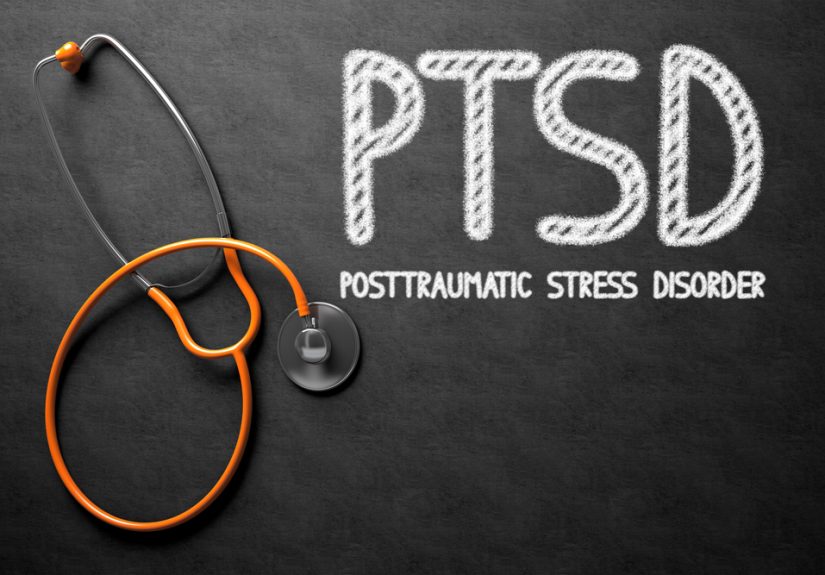
Post-traumatic stress disorder is a psychiatric condition that can develop after a person experiences or witnesses a traumatic event. Symptoms can include intrusive memories, nightmares, avoidance, hypervigilance, sleep disruption, irritability, difficulty concentrating, emotional numbing, and a persistent sense that danger is still nearby even when the crisis is over. For diagnosis, symptoms need to last more than a month and meaningfully interfere with life or work.
That distinction matters. A brutal week on call is not automatically PTSD. Crying after losing a patient is not automatically PTSD. Feeling emotionally flattened after a code is not automatically PTSD. These can be normal reactions to abnormal circumstances. But when the memories keep barging in, when sleep becomes a wrestling match, when the physician starts avoiding reminders, flinching at alarms, snapping at family, or feeling detached from everything that once felt meaningful, it may be more than “just stress.”
PTSD, burnout, moral injury, and stress injury are cousins, not twins
In healthcare, these terms often get tossed into one emotional blender. They should not be. Burnout is typically linked to chronic work overload, emotional exhaustion, cynicism, and reduced professional effectiveness. Moral injury happens when people feel forced to act against deeply held values or witness systems that betray those values. Stress injury is often used to describe severe, persistent distress caused by burnout, trauma, loss, or moral injury. PTSD, meanwhile, is a trauma-related mental health condition.
A doctor can be burned out without having PTSD. A doctor can have PTSD without classic burnout. A doctor can also experience all three while still answering pages, signing notes, and pretending they are “fine, just tired.” That performance of normalcy is one reason the problem hides in plain sight.
Why doctors are especially vulnerable to trauma-related distress
They witness suffering and death on repeat
Most people encounter life-and-death moments occasionally. Doctors may encounter them before breakfast. Emergency physicians, intensivists, surgeons, anesthesiologists, OB-GYNs, oncologists, pediatricians, hospitalists, and residents can all be exposed to repeated medical crises. It is not just the rare dramatic event that leaves a mark. It is also the accumulation: the child who could not be saved, the family meeting that went sideways, the patient who reminded a doctor of their own parent, the third code in one night, the fourth after twenty-six hours awake.
Repetition changes the emotional math. One horrific event can be traumatizing. Hundreds of smaller and larger stressors layered across years can be, too. The mind does not always separate “big trauma” from “occupationally normalized trauma” as neatly as hospital culture would like.
The “second victim” effect is real
One of the most painful truths in medicine is that clinicians can be deeply traumatized after adverse events and medical errors. A physician involved in a bad outcome may replay every decision, every chart line, every lab delay, every sentence, every look on a family member’s face. AHRQ’s patient safety literature has long described this as the second victim phenomenon: the provider was not the patient, but the emotional consequences can still be profound and lasting.
That experience is often soaked in shame. Doctors are trained to chase perfection in a profession built on biological uncertainty. When something goes terribly wrong, many do not just think, “That was awful.” They think, “I am awful.” That is a brutal psychological place to live.
Workplace violence and threats are part of the picture
Healthcare is also a workplace where violence, threats, verbal abuse, intimidation, and harassment are far too common. Emergency departments and psychiatric settings are especially exposed, but no specialty is magically protected. A physician who has been threatened, grabbed, stalked, screamed at, cornered, or assaulted does not leave that experience at the badge scanner. Even near misses can rewire the nervous system. After enough exposure, a doctor may start scanning rooms, standing closer to exits, or tensing up before difficult conversations. That is not “being dramatic.” That is the brain learning danger the hard way.
Pandemic trauma and moral distress still linger
The COVID-19 era did not invent physician trauma, but it poured gasoline on it. Doctors worked through prolonged fear, shortages, patient surges, death, isolation, and impossible trade-offs. Many were forced to balance patient care with fear of bringing infection home. Some faced end-of-life situations that clashed with their deepest beliefs about dignity, family presence, and humane care. Those conditions were fertile ground for both PTSD symptoms and moral injury. The pandemic may have faded from headlines, but for many clinicians, the body kept the receipts.
How physician PTSD can show up in daily life
The stereotype of PTSD is a dramatic flashback scene in a movie. Real life is usually quieter and therefore easier to miss. A doctor with trauma-related symptoms may dread certain hallways, patient ages, diagnoses, or sounds. They may avoid talking about a specific case. They may feel emotionally numb with patients they would once have connected with naturally. They may over-control tiny details because the larger world feels unsafe. They may experience insomnia, headaches, irritability, guilt, panic, or a hair-trigger startle response every time a pager goes off.
Outside the hospital, the spillover can be just as disruptive. Home is supposed to be the recovery room, but trauma likes to sneak in after-hours. The physician may be physically present and emotionally absent, detached from family, impatient with noise, unable to enjoy ordinary life, or exhausted yet unable to sleep. Some overwork. Some withdraw. Some lean on alcohol, compulsive scrolling, emotional numbing, or “one more shift” because staying busy can feel easier than feeling anything at all.
And because physicians are experts at helping other people interpret symptoms, they can become remarkably talented at mislabeling their own. “I’m just fried.” “I’m just in a bad stretch.” “I’m just not cut out for this week.” Sometimes that is true. Sometimes it is a trauma response wearing a fake mustache.
Why doctors often do not ask for help
If physicians know so much about health, why don’t they always get care early? Because knowledge does not erase culture. Medicine still rewards stoicism, speed, self-sacrifice, and a suspicious relationship with vulnerability. Many doctors worry about appearing weak, unreliable, or unsafe. Some fear licensing questions, credentialing consequences, professional gossip, or being quietly seen as “not resilient enough.” Others simply do not have time, privacy, or energy to find help.
There is also the identity problem. Doctors are used to being the helper, the fixer, the one with the plan. It can feel deeply disorienting to become the person who needs support. Yet this is exactly why trauma-informed systems matter. A culture that only celebrates endurance will keep producing people who break in silence.
What actually helps physicians dealing with trauma and PTSD
Evidence-based treatment, not just inspirational posters
PTSD is treatable. Evidence-based psychotherapy remains central, and medication can help some people as part of a broader treatment plan. The important point is not that every doctor needs therapy after every awful shift. The point is that when symptoms persist, treatment should be normalized, accessible, confidential, and fast to reach. A wellness newsletter and a bowl of sad conference-room granola are not a trauma program.
Peer support matters
Doctors often open up first to other doctors. Structured peer support, especially after adverse events, can reduce isolation and interrupt the toxic spiral of shame. A colleague who says, “You are not the only one this has happened to, and you do not have to carry it alone,” can be more clinically useful than ten posters about self-care next to a broken vending machine.
Leadership has to fix systems, not just individuals
Trauma exposure cannot always be eliminated in medicine, but organizations can reduce avoidable harm. That means safer staffing, better violence prevention, clear reporting pathways, protected recovery time after major events, psychologically safe debriefs, confidential counseling access, and leadership that treats mental injury like a real occupational risk. Hospitals already plan for infection control, falls, and fire. Emotional injury deserves the same seriousness.
The lived experience behind the headline
Here is what people often miss about the idea that doctors experience PTSD every day: the experience usually does not look cinematic. It looks ordinary on the outside. The doctor parks the car. The doctor answers the message. The doctor signs the note. The doctor jokes with the nurse about cafeteria coffee that tastes like regret and printer toner. The doctor keeps moving. That is the trick trauma plays in medicine: it can hide beneath competence.
Imagine a physician starting the day already tired because sleep was interrupted by dreams about a patient they lost last month. At work, a monitor alarm sounds and their shoulders jump before they even realize it. A family asks a question in the same tone used by a different family on the worst day of their year, and suddenly the doctor feels heat in the chest, tension in the jaw, and the urge to get out of the room as fast as professionalism allows. Nothing dramatic happens. No one else notices. The doctor still gives the right answer. But inside, the body is acting as if the old emergency has returned.
Later, there is a trauma case, or a code, or a surgical complication, or a conversation about a treatment that will not work. Maybe it is an infant. Maybe it is a young parent. Maybe it is an older patient whose wedding ring catches the fluorescent light in a way that reminds the doctor of home. The physician does what doctors do: compresses emotion into function. Orders. Updates. Consent. Documentation. Then lunch arrives three hours late and goes cold on the desk. Again.
By the end of the shift, the doctor may feel nothing at all, which can be more frightening than feeling too much. Numbness is often mistaken for toughness. It is not always toughness. Sometimes it is the nervous system hitting the dimmer switch because the full brightness would be unbearable.
At home, the aftershocks continue. A partner asks, “How was your day?” and gets a shrug because the honest answer is too heavy for small talk. The doctor scrolls instead of sleeping. Or works instead of talking. Or sits in the driveway for ten minutes because going inside feels harder than staying parked. There may be guilt for missing birthdays, guilt for surviving when a patient did not, guilt for being short-tempered, guilt for not feeling grateful enough, guilt for feeling too much, guilt for feeling nothing. Trauma is greedy like that. It rarely arrives alone; it brings shame as a carry-on.
And yet doctors keep showing up. That persistence is admirable, but it can also be dangerous when it becomes the only coping strategy. Endurance should not be the entire treatment plan. The healthier version of this story is not a physician who becomes superhuman. It is a physician who remains human and gets support before suffering hardens into illness.
That is the real takeaway. Doctors do not need pity, and they certainly do not need another speech about grit from someone who has never done a family meeting after midnight. They need systems that recognize trauma, peers who know how to respond, leaders who do more than admire sacrifice, and a culture that allows doctors to be patients when necessary. If medicine wants clinicians who can care for others over the long haul, it has to stop pretending that repeated exposure to trauma leaves no mark.
White coats are not shields. Stethoscopes are not therapy. And being good at saving people does not make a doctor immune from needing to be saved, too.
Conclusion
The phrase “doctors experience PTSD every day” is emotionally true but clinically incomplete. A more precise statement is that doctors face trauma-related stressors every day, and those experiences can lead to acute stress, burnout, moral injury, or PTSD depending on the person, the event, the support available, and the time that follows. The answer is not to make physicians tougher. The answer is to make medicine wiser: quicker to recognize distress, kinder about treatment, and more serious about prevention.
When that happens, the profession protects more than doctors. It protects judgment, compassion, patient safety, retention, and the basic humanity of healthcare itself. And frankly, that is a much better legacy than expecting people to survive on coffee, adrenaline, and denial forever.