Table of Contents >> Show >> Hide
- Why Getting a Jump on Spring Matters
- 12 Smart Things You Can Do Now to Prep for Spring
- 1. Clean Out Gutters and Downspouts
- 2. Swap and Clean Your Filters
- 3. Inspect Vents and Exterior Openings
- 4. Tune Up the Lawn Mower
- 5. Refresh and Safety-Check the Gas Grill
- 6. Wash Outdoor Furniture and Cushions
- 7. Wake Up the Lawn
- 8. Prune Trees and Shrubs, and Clear Debris
- 9. Inspect the Roof and Chimney
- 10. Plan and Plant for Spring and Summer Color
- 11. Wash Windows and Screens
- 12. Test Safety Devices and Do a Quick Safety Check
- Real-Life Spring Prep Experiences and Lessons Learned
- Wrapping Up: A Warmer Season, Less Work
If you’ve reached the point in winter where you’re yelling at your thermostat like it’s personally responsible for the wind chill, good news: spring is coming. Slightly-less-good news: your house and yard have been quietly taking a beating all winter long. Before that first glorious warm weekend arrives, a little prep work now will save you from emergency repairs, soggy basements, and patchy lawns later.
This spring home checklist walks you through 12 smart projects you can start before the flowers bloom. Think of it as a pregame warm-up for your house: clean, repair, and tune things up now so you can actually relax once the weather is nice.
Why Getting a Jump on Spring Matters
Winter is rough on houses
Snow, ice, wind, and freezing temps are not exactly gentle. Moisture can sneak into tiny cracks, freeze, and expand. Gutters fill with debris. Shingles lift. Vents get blocked. All of that adds up to potential leaks, pests, mold, and energy waste once spring rain and humidity roll in.
Spring is prime time for hidden problems
When the snow melts, you finally see what’s been going on: standing water near the foundation, branches hanging by a thread, or a lawn that looks more like a moss experiment than a yard. Tackling key maintenance tasks now protects your home’s structure, keeps systems running efficiently, and makes your outdoor spaces much more enjoyable.
12 Smart Things You Can Do Now to Prep for Spring
1. Clean Out Gutters and Downspouts
Winter storms have a special talent for stuffing your gutters with leaves, twigs, and mystery gunk. If that debris blocks water flow, spring rains have nowhere to go but over the edge and down your sidingor worse, toward your foundation. That can cause leaks in basements, mold, and erosion around the house.
On a mild day, grab a sturdy ladder, work gloves, and a small scoop or trowel. Clear out all the debris in gutters, then flush them with a hose to make sure water runs freely through the downspouts. Check that downspouts extend several feet away from the foundation, or add extenders or splash blocks if needed.
If you’re not comfortable on a ladder, this is a perfect “call-a-pro” job. The cost of a cleaning is far less than repairing water damage in a basement or crawl space.
2. Swap and Clean Your Filters
Filters are the unsung heroes of a healthy, efficient home. Dirty filters force systems to work harder, waste energy, and blow dust and allergens around your living space.
- HVAC filter: Replace it at least every 1–3 months, depending on your system and whether you have pets or allergies. A fresh filter improves air quality and can help your furnace and AC run more efficiently.
- Range hood filter: Remove the grease filter and soak it in hot, soapy water (or run it through the dishwasher if the manufacturer allows it). A clean filter helps capture cooking fumes and smells instead of letting them drift into the rest of your home.
- Water filtration system: Check the manufacturer’s recommendations and replace cartridges if they’re nearing the end of their lifespan. This keeps your water tasting good and prevents the system from clogging.
Do all your filters in one go and you’ll feel like you’ve reset your home’s lungs for the season.
3. Inspect Vents and Exterior Openings
As snow piles up and melts away around your house, it’s easy for vents and openings to become blocked, damaged, or turned into cozy rodent doorways.
Take a slow lap around your home and check:
- Foundation vents: Look for broken screens, gaps, or evidence of critters trying to move in.
- Dryer vent: Make sure the flap opens freely and that lint isn’t clogging the outlet. A blocked dryer vent is a fire hazard and wastes energy.
- Bathroom and kitchen exhaust vents: Verify that they vent outside properly and are clear of debris.
- Attic vents and soffits: From inside and outside, confirm they aren’t blocked by insulation, nests, or dirt.
Fixing a small screen or clearing lint now is much easier than dealing with animals in the crawl space or a dryer that suddenly refuses to dry anything.
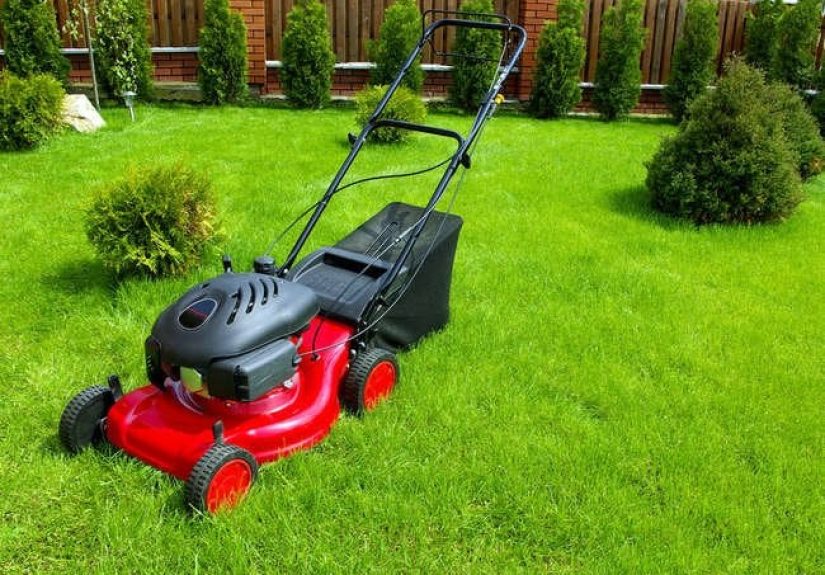
4. Tune Up the Lawn Mower
Spring is not the time to discover that your lawn mower is on strike. A simple tune-up now means less frustration laterplus a cleaner, healthier cut for your grass.
On a dry day, roll the mower out and:
- Change the oil if you didn’t do it in the fall.
- Replace the spark plug if it looks corroded or if it’s been a few seasons.
- Clean or replace the air filter so the engine can breathe.
- Sharpen or replace the blade. A sharp blade cuts cleanly, which helps grass recover faster and look greener.
- Scrape off caked grass and dirt from the underside of the deck to improve airflow.
If you’re not comfortable doing this yourself, many hardware stores and small-engine shops offer affordable seasonal tune-up services.
5. Refresh and Safety-Check the Gas Grill
Few things say “spring” like standing outside with a spatula in one hand and a burger in the other. Before you get to that happy place, show your grill some love.
- Deep clean the grates: Scrub off rust and stuck-on food with a grill brush. For stubborn grime, soak grates in hot, soapy water.
- Inspect the burners: Look for clogs or rust. Clear burner holes with a thin wire or toothpick if the flame is uneven.
- Check the fuel line: Brush soapy water along the hose and connections with the gas turned on (but grill unlit). If you see bubbles, you may have a leakshut everything off immediately and replace the hose or call a pro.
- Clean inside and out: Empty the drip tray, wipe down the lid and shelves, and check casters or legs for stability.
A little pre-season maintenance makes sure your first barbecue isn’t interrupted by a flare-up, a gas leak, or a grill that won’t light.
6. Wash Outdoor Furniture and Cushions
Outdoor furniture has probably spent winter collecting dust, spiderwebs, and that mysterious film that appears on everything stored in a garage. Before you invite friends over, give it all a good reset.
- Hose down metal, plastic, and resin furniture, then wash with a mild soap solution and a soft brush.
- For wood furniture, use a cleaner appropriate for the finish and check for any peeling, splinters, or loose screws.
- Vacuum outdoor cushions, then clean according to the care tagsome covers are machine-washable, while others respond well to a gentle scrub with warm, soapy water.
- Let everything dry thoroughly in the sun to prevent mildew.
Once your furniture looks inviting again, you’ll be far more likely to actually sit outside and enjoy your yard instead of just walking past it with good intentions.
7. Wake Up the Lawn
After months under snow or soggy leaves, your lawn may look tired, patchy, or slightly offended. Spring is your chance to give it a strong comeback.
- Rake gently: Remove leaves, twigs, and matted thatch so sunlight and air can reach the soil.
- Patch bare spots: Loosen the soil lightly and overseed thin areas with a grass seed suited to your region.
- Deal with weeds early: Hand-pull broadleaf weeds while the soil is moist and roots come out more easily.
- Fertilize strategically: For cool-season grasses, a light spring feeding helps recovery. Warm-season lawns may benefit more from fertilizing a bit later once growth is in full swing.
Take a few pictures now and again in six weeksyou’ll be surprised how much difference a little early attention makes.
8. Prune Trees and Shrubs, and Clear Debris
Winter storms can leave branches cracked, shrubs misshapen, and beds filled with branches and fallen leaves. Early spring is a great time to tidy things upwithout harming new growth.
- Remove dead, broken, or crossing branches, starting with anything that threatens people, cars, or your roof.
- Prune summer-blooming shrubs to shape them and encourage healthy new growth.
- Rake out beds carefully to remove old leaves and spent stems, especially around perennials.
- Cut back ornamental grasses before new blades emerge.
Always double-check pruning recommendations for each plantmany spring-blooming shrubs set buds on old wood, so heavy pruning at the wrong time can mean fewer flowers. When in doubt, remove only obviously damaged branches and leave major shaping for later.
9. Inspect the Roof and Chimney
Your roof quietly protects your home from everything winter throws at it. Spring is the moment to step back (safely from the ground or a stable ladder) and see how it held up.
- Look for cracked, curling, or missing shingles or tiles.
- Check flashing around chimneys, vents, and skylights for gaps or rust.
- Scan for sagging areas, dark patches, or spots that look different from the surrounding roof.
If you notice damageor if your roof is olderit’s worth having a professional inspection. Catching issues now can prevent leaks that show up as stains on ceilings, peeling paint, or mold later in the season.
While you’re at it, schedule a chimney cleaning and inspection if you use a fireplace or wood stove regularly. Creosote buildup and small cracks in the flue are much easier (and cheaper) to fix before next winter.
10. Plan and Plant for Spring and Summer Color
Spring isn’t only about choresit’s also about bringing your outdoor spaces back to life. Once the danger of frost has passed in your area, start planning and planting for color and food.
- Plant summer-blooming bulbs and tubers like dahlias, gladiolus, and lilies according to package depth and spacing.
- Freshen up garden beds with compost or aged manure to boost nutrients.
- Map out where you’ll place annuals, herbs, and vegetables so taller plants don’t shade shorter ones.
- Consider using mulch to help retain moisture, keep weeds down, and give beds a finished look.
Even a small patio container garden can transform a blah outdoor area into a colorful retreat by the time summer rolls around.
11. Wash Windows and Screens
After months of storms and condensation, your windows may be wearing a fine film of “why does it look so gloomy in here?” Cleaning them can instantly brighten rooms and improve your mood.
- Start by removing and rinsing window screens with a hose and a soft brush. Let them dry in the sun.
- Clean glass inside and out with a streak-free cleaner or a mix of water, vinegar, and a drop of dish soap.
- Wipe frames and sills, checking for peeling paint, soft wood, or gaps where drafts can sneak in.
Once the light pours in again, your house feels fresher even before you’ve done any big decorating changes.
12. Test Safety Devices and Do a Quick Safety Check
New season, new excuse to hit the test button. Use your spring prep checklist as a reminder to review all your safety gear.
- Test every smoke alarm and carbon monoxide detector. Replace batteries if needed, and replace the unit itself if it’s past its recommended lifespan.
- Check that fire extinguishers are accessible and not expired. Replace or recharge if necessary.
- Review your family’s emergency plan and make sure everyone knows where to go in case of fire or severe weather.
This takes only a few minutes but can make a huge difference in an actual emergency.
Real-Life Spring Prep Experiences and Lessons Learned
Talk to homeowners who’ve been through a few rough seasons and you’ll hear the same theme: the year they skipped spring prep is the year something went sideways.
One common story starts with a busy winter, a promise to “deal with it later,” and gutters full of leaves. Then a heavy spring rain hits. Water spills over the gutter edge, soaks the soil by the foundation, and slowly trickles into a finished basement. By the time anyone notices a musty smell and a faint stain on the baseboard, there’s already damage behind the wall. A couple of hours of gutter cleaning in late winter could have prevented days of repairs and a much larger bill.
Another frequent experience involves neglected lawn equipment. Imagine the first warm Saturday of the year: the grass is long, you’re ready to mow, and the mower refuses to start. You spend half the day hunting for a spark plug, wrestling with stale gas, and cleaning out a clogged air filter. By the time the lawn is finally done, you’re exhausted and annoyed. People who get in the habit of doing a quick tune-upchanging oil, sharpening blades, and checking filtersbefore spring hits tend to treat mowing days as routine instead of mini crises.
Grills tell similar stories. Homeowners often wheel the grill out after winter, toss on some burgers, and then realize there’s a problem only after the flames get a little too exciting. Grease buildup, clogged burners, and unnoticed hose damage can all contribute to uneven heat or even dangerous flare-ups. Those who spend an hour in early spring taking the grill apart, cleaning it thoroughly, and checking the gas connections typically enjoy a smoother, safer grilling season.
Yard cleanup is another area where experience changes behavior. The first few years in a home, it’s easy to ignore fallen branches, leftover leaves, and crowded shrubs until everything is in full leaf. But many homeowners eventually learn that tackling branches, pruning, and debris removal before plants leaf out gives better visibility and control. It’s easier to see the structure of a shrub, easier to spot damaged limbs, and far easier to rake and clean beds when they’re not completely overgrown.
Then there’s the quiet hero of spring prep: the safety check. People almost never remember the exact year they installed smoke alarms or purchased that fire extinguisher. The habit of making safety checks part of a seasonal routinetest alarms, swap batteries, check expiration datescomes from hearing stories where a working alarm gave a family precious extra minutes to get out, or where a small kitchen fire was extinguished quickly because the fire extinguisher was up to date and within reach.
Over time, homeowners who consistently do these spring prep tasks often report a subtle but powerful shift. Instead of feeling like the house is constantly surprising them with emergencies, they feel more in control. Maintenance becomes predictable, not scary. They catch loose shingles before leaks start, replace filters before systems struggle, and fix minor cracks and gaps before pests or water find them.
Maybe the most important lesson people learn is that spring prep doesn’t have to be done in one marathon weekend. Breaking the list into small, manageable chunksgutters one weekend, mower and grill the next, windows and safety checks after thatturns a long to-do list into a series of quick wins. A printed checklist on the fridge or in a notes app helps keep track of what’s done and what’s still waiting.
When you look back at the end of the season, you’ll probably remember the fun stuff: the first dinner eaten outside, the first evening with the windows open, the first barefoot walk on the lawn. But those moments feel a lot better when you know the behind-the-scenes work is done: the house is protected, systems are tuned, and the yard is ready for all the traffic it’s about to get.
Wrapping Up: A Warmer Season, Less Work
Being “done with winter” doesn’t just mean putting away the heavy coats. It’s about giving your home a fresh start, too. By cleaning gutters, tuning up equipment, refreshing outdoor spaces, and checking safety systems, you’re not just crossing chores off a listyou’re buying yourself a smoother, more relaxing spring and summer.
Do a few tasks each weekend, and by the time warmer days arrive in full force, you’ll be the one sitting on a clean patio chair, looking out over a tidy yard, wondering why everyone else looks so stressed. That’s the power of prepping for spring before it actually gets here.