Table of Contents >> Show >> Hide
- Why Tiled Furniture Is Everywhere Right Now
- Meet Willow: A DTLA Studio Turning Tile Into Furniture
- What Makes Tiled Tables and Shelves Look “So Right”
- How to Style Willow-Inspired Tiled Furniture in Real Homes
- Care and Maintenance: Keep the Tile Cute, Keep the Grout Calm
- Buying Tiled Furniture: What to Look For Before You Commit
- DIY vs. Handmade: Should You Make Your Own Tiled Table?
- Conclusion: Tile Isn’t Just for Kitchens Anymore
- Experience Notes: What Living With a Tiled Table Actually Feels Like (Extra )
Tile has officially escaped the bathroom. It’s out here in the living room, wearing its best glossy outfit,
sitting confidently under your coffee mug like, “Yes, I am a table now. What about it?”
If you’ve noticed tiled furniture popping up across Instagram and design sites, you’re not imagining things.
The look hits that sweet spot between nostalgic and modernlike a 1970s Italian design book got reincarnated
as a clean-lined, California-made side table.
One of the most talked-about names in this mini-movement is Willow, a small furniture line
launched by a couple working out of a Downtown Los Angeles studio. Their specialty: crisp, colorful
tiled tables, shelves, and benches that make a room feel instantly consideredwithout screaming
“I just redecorated based on an algorithm.”
In this guide, we’ll unpack what makes Willow’s tiled furniture so compelling, how the trend took off,
how to style these pieces without turning your home into a Mediterranean bistro (unless that’s your thing),
and what to know about care and maintenance so your grout doesn’t become a villain in season two.
Why Tiled Furniture Is Everywhere Right Now
Trends don’t usually announce themselves politely. They kick down the door, scatter everyone’s throw pillows,
and demand a feature wall. Tiled furniture, though? It’s surprisingly versatile. It fits into minimalist spaces
because it’s geometric and structured, but it also works in maximalist rooms because tile is basically color
therapy you can set a lamp on.
It checks a lot of modern design boxes
- Texture without clutter: Tile brings surface interest without adding more objects.
- Color that feels “architectural”: A tiled top reads like part of the room’s materials palette, not just décor.
- Craft appeal: Handmade, small-batch furniture feels personal in a world of copy-paste interiors.
- Durability vibes: Tile suggests “hard-wearing,” even when it’s used in softer contexts like a bedside table.
Design sites have also framed tiled coffee tables as a playful, slightly retro throwbackan “old school”
kitchen material reimagined for the living room. In other words: tile isn’t trying to be precious.
It’s trying to be fun. And honestly, we could use more furniture that isn’t afraid of a little personality.
Meet Willow: A DTLA Studio Turning Tile Into Furniture
Willow was launched during the pandemic era when people stared at their homes long enough to realize:
“If I’m going to live here 24/7, this place better spark some joy.” The foundersGretta Solie
(a plant stylist) and Alex Cutler (an artist)built a line around a shared love of tile and a desire
to use it in unexpected ways.
Their process is part craft, part systems thinking: they build wooden frames, tile the surfaces,
and finish pieces in bright, clean colorways that feel at home in Southern California light.
Willow also emphasizes sourcing: local wood and tiles produced by a family-owned American company.
The vibe is very “made with intention,” not “mass-produced with a motivational quote sticker.”
What Willow makes (and why people care)
Willow’s lineup centers on functional formsside tables, floating shelves, benchesand then turns the surface
into a design moment. Some of their signature pieces include:
- Tiled side tables: Often styled as bedside tables, plant stands, or small living room accents.
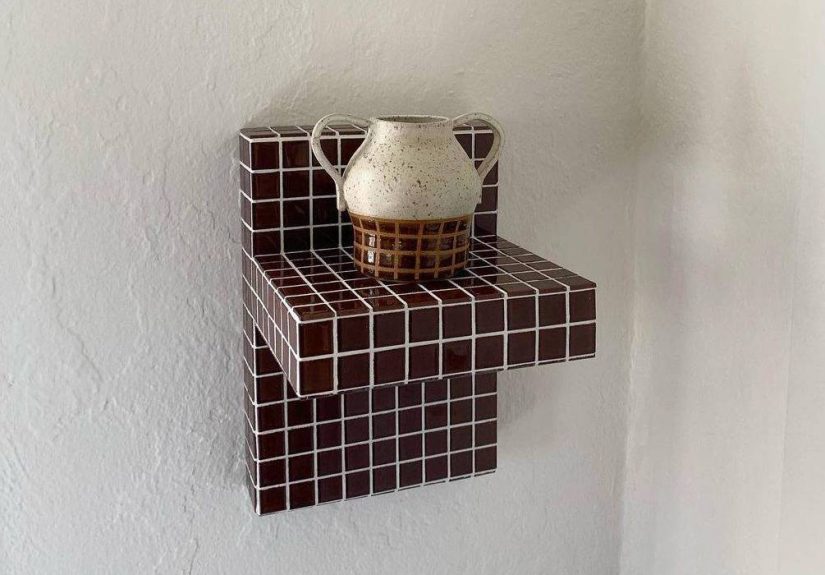
- Floating shelves: A wall-mounted way to bring tile into a space without committing to a full installation.
- Benches: Substantial, architectural pieces that can anchor an entryway or dining nook.
- Chess table and boards: A functional-flex concept: furniture that doubles as an activity hub.
The brand’s story is also very LA: a small studio, big light, hands-on making, and a design language influenced
by the desert, travel, and architectural references. It’s the kind of work that feels rooted in placeespecially
in Downtown LA, where industrial spaces and creative workshops have long shared the same ZIP code.
What Makes Tiled Tables and Shelves Look “So Right”
Let’s get specific. A tiled surface has a visual rhythm: repeated squares, subtle grout lines,
and a light-catching finish. That rhythm reads as intentional design, even if the piece itself is simple.
It’s like wearing a great patterned jacket over a plain outfitsuddenly you look like you know what you’re doing.
Color that behaves like architecture
Paint is great, but paint can also feel flat. Tile has depth: glaze, reflection, tiny variations.
When a tiled side table is a warm apricot or a sandy mushroom tone, it doesn’t just add colorit adds mood.
And because tile has a “built-in” association with kitchens, courtyards, and sunlit spaces, it can make a room
feel warmer and more lived-in.
A material remix that feels fresh
Willow’s stated goal is essentially a remix: take a medium typically limited to bathrooms and kitchens,
then use it on functional furniture in beautiful colors and patterns. That constraint is what makes it interesting.
The pieces feel familiar (tile!) and surprising (tile… on a shelf!) at the same time.
How to Style Willow-Inspired Tiled Furniture in Real Homes
Tiled furniture is bold, but it doesn’t need to dominate a room. Treat it like a “material accent”
rather than a theme. You’re not opening a tapas bar. You’re just adding one really good piece.
1) The “quiet room, loud table” approach
If your space leans neutralwhite walls, wood floors, linen sofaa tiled side table is a perfect punctuation mark.
Keep everything else calm and let the tile be the fun detail. Add one simple object on top (a lamp, a vase,
a stack of books) and stop there. Tile already brings visual texture.
2) The “color echo” approach
Choose one small color in the roommaybe from artwork, a pillow stripe, or a rug detailand match the tile to it.
This makes the table feel integrated, not random. The result is less “statement piece” and more “of course it belongs.”
3) The “entryway upgrade” approach
A tiled bench or shelf can transform an entryway because tile reads as both practical and decorative.
Try a tiled floating shelf above a catch-all tray, with hooks below for keys and bags.
It’s functional, it’s sculptural, and it makes your entry feel styledeven when you’re carrying groceries
like a contestant on a game show.
4) The “plant stylist’s cheat code” approach
Tile + plants is a classic combination for a reason. A tiled side table under a leafy plant looks intentional instantly.
If you’re worried about water rings, use a saucer under pots and wipe spills quickly. Tile can handle moisture;
grout is the part that needs respect.
Care and Maintenance: Keep the Tile Cute, Keep the Grout Calm
Here’s the truth: tile is pretty easy. Grout is the diva. If you treat grout well, tiled furniture is low drama
and long-lasting. If you ignore grout, it can stain, darken, or start looking “vintage” in a way you did not request.
Daily/weekly care (the easy stuff)
- Wipe with a soft cloth: Mild soap and water is usually enough for glazed tile surfaces.
- Avoid abrasives: Scrubby pads can scratch some finishes and wear down grout over time.
- Clean spills quickly: Especially coffee, wine, turmeric, hot saucebasically anything delicious.
Grout protection: sealing matters
Many experts recommend sealing cement-based grout to help prevent stains. This is especially helpful if your tiled
piece is used as a coffee table, dining surface, or plant standaka, the “spill zone.”
Sealing is less of a big deal if epoxy grout is used, because epoxy is generally more stain resistant and less porous.
Steam cleaning and strong cleaners: use caution
Steam cleaning can be effective, but it’s not always the best first moveespecially if grout is unsealed.
Strong acidic or overly harsh cleaners can also damage grout or strip sealers. The safest routine approach tends
to be a pH-neutral cleaner and gentle scrubbing when needed.
When grout needs more than cleaning
If grout starts cracking, crumbling, or staying discolored no matter what you do, it may need repair or replacement.
Furniture won’t face shower-level moisture, but it will face real lifedirty hands, food splatters,
and that one friend who sets down a dripping iced coffee like it’s a philanthropic donation.
Buying Tiled Furniture: What to Look For Before You Commit
Tiled furniture is an investment in both style and craft. Before you buy (or commission) a piece, consider the
practical details that separate “dream table” from “why does this wobble when I breathe.”
Key questions to ask
- What tile type is it? Glass tile and ceramic tile are common; marble tile looks stunning but needs more care.
- What grout is used? Cement-based grout often benefits from sealing; epoxy grout is typically lower maintenance.
- How heavy is the piece? Tile adds real weightgreat for stability, not great for carrying upstairs alone.
- How are edges finished? Rounded edges, bullnose trim, or clean corner detailing affects durability and comfort.
- Where will it live? A shelf above a radiator or a table in direct sun may face different wear over time.
Willow’s designs lean clean-lined and bright, which makes them easy to place. A tiled side table can be a
bedside table in a minimalist room, a plant stand in a boho corner, or an accent piece in a more eclectic setup.
The point is: it doesn’t force you into one aesthetic lane.
DIY vs. Handmade: Should You Make Your Own Tiled Table?
If you’re handy (and patient), you can absolutely DIY a tiled tabletop. People do it all the timeoften by tiling
a simple wood base and finishing it carefully. But there’s a reason handmade studios like Willow stand out:
the finishing details matter. Flatness, alignment, grout consistency, edge protection, and long-term stability
are what separate “cute DIY weekend project” from “future rattle and regret.”
If you DIY, don’t skip the boring steps
- Use the right adhesive for your tile type and follow cure times.
- Plan movement and support: wood expands/contracts; your build needs to handle it.
- Seal where appropriate: especially grout that will see spills.
- Finish edges thoughtfully: corners are the most likely spot for chips.
If you want a perfect, sculptural lookespecially for a floating shelf or a benchhandmade is usually worth it.
Wall-mounted pieces need secure engineering, and benches need serious structural strength. Tile is not heavy “in theory.”
It’s heavy like “I regret skipping leg day” heavy.
Conclusion: Tile Isn’t Just for Kitchens Anymore
Willow’s tiled tables and shelves capture why this trend works: it’s practical, graphic, and joyful without being
chaotic. The pieces feel modern, but they nod to older traditionsmosaics, architectural surfaces, crafted materials
and then translate them into objects you can actually use every day.
If you’re craving a home update that isn’t a full renovation (and doesn’t require you to “commit to a color story”
like it’s a marriage proposal), a tiled side table or shelf is a surprisingly powerful move. It adds texture,
color, and intentionwhile still letting your space feel like your space.
Experience Notes: What Living With a Tiled Table Actually Feels Like (Extra )
Imagine this: it’s Saturday morning, and your living room is doing that golden-hour thing where everything looks
like it belongs in a design magazineeven the laundry basket (okay, especially the laundry basket, because it’s
shoved behind a chair). Your tiled table is sitting there, quietly photogenic, catching the light in a way that
makes you feel like you’ve got your life together. You set down a mug. No coaster. Because you’re feeling bold.
The tile doesn’t flinch. It’s tile. It has seen moisture before. It was literally born for it.
Later, a friend comes over and immediately touches the surfacebecause humans cannot resist textured, glossy
squares. They do the little tap-tap with their fingernails. They ask where you got it. You say the name and watch
them store it mentally like a squirrel hiding a design acorn for later.
The best part of tiled furniture is that it behaves like a “built-in” element, even though it’s movable.
A painted table can feel like décor. A tiled table feels like a material decision. It’s the difference between
“I bought a thing” and “I designed a space,” even if your actual process involved 14 browser tabs and one impulsive
late-night purchase.
Of course, real life shows up. Someone puts down a sweating iced coffee. A little puddle forms. The tile is fine.
The grout might be fine. But you wipe it anyway, because you’ve learned that grout is like a white T-shirt:
perfectly chill until it meets something red, oily, or caffeinated.
Over time, you discover the practical quirks. Tile is cool to the touch, which feels great in warm climates and
slightly shocking in winter when you absentmindedly rest your hand on it. Tile also reflects light differently
throughout the daymorning glow looks soft, afternoon light looks crisp, evening lamp light looks cozy and a little
dramatic. Basically: the table has moods.
And then there’s the styling game. Tiled furniture doesn’t need much on top. One good object usually wins:
a ceramic bowl, a small lamp, a stack of books. Too much clutter fights the grid. The surface wants to be seen.
It’s not a background character; it’s the supporting actor who steals the scene in every episode.
After a few weeks, the piece starts to feel like it’s always belonged. That’s the magic of good tiled furniture:
it’s bold on day one, familiar by day ten, and by day thirty you can’t remember why your living room ever felt
“finished” without it.