Table of Contents >> Show >> Hide
- Why You’ll Love This Soup
- Quick Recipe Overview
- Ingredients
- Step-by-Step: How to Make Easy Stovetop Cabbage Soup
- Flavor Tips That Make This Soup Taste Like You Worked Harder Than You Did
- Easy Variations (So You Don’t Get Bored)
- What to Serve With Cabbage Soup
- Storage, Freezing, and Reheating
- Troubleshooting: Common “Oops” Moments
- FAQ
- Conclusion
- Extra Kitchen Experiences (The Real-Life Stuff That Makes This Soup a Keeper)
Cabbage soup has been unfairly typecast as “that soup people make when they’re trying to be good.” Let’s set the record straight: this is cozy, savory, veggie-packed comfort food that just happens to be budget-friendly, flexible, and easy enough for a weeknight. No sad desk-lunch vibes here.
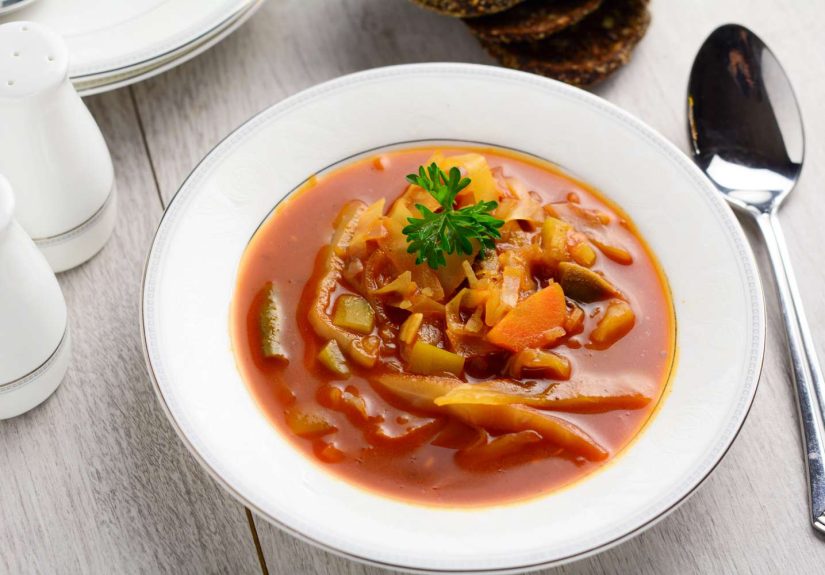
This easy stovetop cabbage soup recipe is built on a simple idea: start with a flavorful base (onion + garlic + classic soup veggies), add tomatoes for depth, simmer in broth, and let cabbage do what cabbage does bestturn tender and a little sweet without hogging the spotlight.
Why You’ll Love This Soup
- One pot, stovetop, no dramadone in under an hour.
- Big flavor from basic ingredients you can find anywhere in the U.S.
- Flexible: make it vegetarian, add beans, add sausage, add ricethis soup doesn’t judge.
- Meal-prep friendly: leftovers taste even better the next day.
- Cabbage skeptics welcome: when cooked right, it’s mellow, slightly sweet, and totally lovable.
Quick Recipe Overview
- Prep time: 15 minutes
- Cook time: 35 minutes
- Total time: about 50 minutes
- Makes: 6 generous bowls
- Skill level: “I can stir things and I own a pot.”
Ingredients
Think of this as a stovetop vegetable cabbage soup with a cozy tomato-broth backbone. You can keep it simple or bulk it up.
Base Soup (The Classic)
- 2 tablespoons olive oil
- 1 large yellow onion, diced
- 2 medium carrots, chopped
- 2 celery stalks, chopped
- 3–4 garlic cloves, minced
- 2 tablespoons tomato paste (optional, but highly encouraged)
- 1 (28-ounce) can crushed tomatoes (or diced tomatoes)
- 6 cups low-sodium vegetable broth or chicken broth
- 1–2 cups water (optional, for a lighter broth)
- 1 bay leaf
- 1 teaspoon dried thyme (or Italian seasoning)
- 1/2 teaspoon smoked paprika (optional, adds cozy depth)
- Pinch of crushed red pepper flakes (optional)
- 4–6 cups green cabbage, chopped (about 1 small head, cored)
- Salt and black pepper, to taste
- 1–2 teaspoons apple cider vinegar or fresh lemon juice (finish for brightness)
- Fresh parsley, chopped (for serving)
Optional Add-Ins (Choose Your Adventure)
- Beans: 1 (15-ounce) can cannellini or great northern beans, rinsed and drained
- Potatoes: 1–2 cups diced Yukon gold potatoes (adds hearty comfort)
- Protein: sliced smoked sausage, shredded rotisserie chicken, or browned ground turkey
- Greens: a couple handfuls of spinach or kale stirred in at the end
- Umami boost: Parmesan rind while simmering, or a sprinkle of grated Parmesan at the table
Step-by-Step: How to Make Easy Stovetop Cabbage Soup
1) Sauté the flavor base
Heat olive oil in a large soup pot or Dutch oven over medium heat. Add the onion, carrots, and celery. Cook for 6–8 minutes, stirring occasionally, until the onion looks translucent and the veggies begin to soften. This step is where “vegetables in broth” becomes “wow, this smells like dinner.”
2) Add garlic and spices (don’t burn the garliclet it live)
Stir in the garlic, thyme, smoked paprika, and red pepper flakes (if using). Cook for about 30 seconds, just until fragrant. If garlic turns brown, it gets bitterso keep it moving.
3) Optional but excellent: toast the tomato paste
If you’re using tomato paste, add it now and stir for 1 minute. This “toasts” the paste and deepens the flavor, like turning up the bass in your soup soundtrack.
4) Add tomatoes and broth
Pour in the crushed tomatoes, broth, and (optional) water. Add the bay leaf and a few grinds of black pepper. Bring to a gentle boil, then reduce to a simmer.
5) Add cabbage (and any hearty add-ins)
Stir in the chopped cabbage. If you’re adding potatoes, add them now too. The pot may look comically full at first, like the soup is testing your confidence. It will cook down.
6) Simmer until tender
Simmer uncovered for 20–25 minutes, or until the cabbage is tender but not mushy. If you want a softer cabbage (more stew-like), simmer a bit longer.
7) Finish with brightness
Turn off the heat. Remove the bay leaf. Stir in 1–2 teaspoons apple cider vinegar or lemon juice. This tiny splash makes the flavors pop and keeps the soup from tasting flat. Taste and adjust salt and pepper.
8) Serve it up
Ladle into bowls and top with parsley. Add Parmesan if you like. Serve with crusty bread, cornbread, or a grilled cheese if you want maximum comfort.
Flavor Tips That Make This Soup Taste Like You Worked Harder Than You Did
Cut cabbage the smart way
Remove the outer leaves if they’re tough, quarter the head, cut out the core, then slice into bite-size pieces. Keep slices fairly uniform so everything cooks evenly.
Don’t overcook it
Overcooked cabbage can get limp and a bit stinky. Aim for tender with a little structure. If you’re planning lots of leftovers, slightly undercook the cabbage so it stays nicer after reheating.
Use acid like a pro
A small hit of vinegar or lemon at the end balances the soup’s sweetness and rounds out the tomato broth. It’s the difference between “pretty good” and “why am I eating this straight from the pot?”
Make it taste richer (without making it complicated)
- Add a Parmesan rind while simmering (remove before serving).
- Use half broth, half stock concentrate (like bouillon) for a deeper base.
- Brown sausage or ground meat first in the pot, then build the soup on those tasty bits.
Easy Variations (So You Don’t Get Bored)
1) White Bean Cabbage Soup
Add 1 can of cannellini beans during the last 10 minutes of simmering. It becomes a heartier one-pot cabbage soup that still feels light and cozy.
2) Sausage and Cabbage Soup
Brown sliced smoked sausage in the pot first, remove it, then cook your onion/carrot/celery in the drippings. Add sausage back in near the end so it stays plump and flavorful.
3) “Cabbage Roll” Soup (Stuffed Cabbage, but Lazy)
Brown ground beef or turkey with the onions. Add tomatoes and broth as usual. Stir in 1/2 cup cooked rice at the end (or simmer uncooked rice separately and add to bowls). It tastes like stuffed cabbage without the part where you question your life choices while rolling leaves.
4) Cozy Potato Cabbage Soup
Add diced Yukon gold potatoes with the cabbage. Finish with lemon and lots of herbs for a comforting, old-school vibe.
What to Serve With Cabbage Soup
- Crusty bread or garlic toast (because soup deserves a sidekick)
- Grilled cheese (tomato broth + cheese = a classic pairing)
- Simple salad with vinaigrette (keeps the meal bright)
- Baked potato or roasted sweet potatoes (for a heartier dinner)
Storage, Freezing, and Reheating
Refrigerator
Store in an airtight container for up to 4–5 days. The flavors deepen overnight, which is code for “tomorrow’s lunch is going to be excellent.”
Freezer
Freeze for up to 3 months. For best texture, freeze without potatoes or pasta (they can get grainy). Thaw in the fridge overnight or reheat gently from frozen over low heat.
Reheating
Warm on the stovetop over medium-low heat until hot. Add a splash of broth or water if it thickened. Brighten with a tiny squeeze of lemon if it tastes muted.
Troubleshooting: Common “Oops” Moments
My soup tastes bland
- Add salt gradually (broth varies a lot).
- Add acid (vinegar/lemon) to wake it up.
- Try a pinch of smoked paprika, extra garlic, or Parmesan on top.
My cabbage got too soft
Next time, simmer a little less or cut the cabbage slightly thicker. For now, embrace it: blend a cup of soup and stir it back in for a thicker, stew-like texture.
The broth is too acidic from tomatoes
Stir in a small pinch of sugar (start with 1/4 teaspoon) or add extra broth. A little sweetness can balance tomato tang without turning the soup into spaghetti sauce.
FAQ
Can I use red cabbage?
Yes. Just know it will tint the broth purpletotally fine, slightly dramatic, kind of fun. Red cabbage can be a bit firmer, so give it a few extra minutes.
Can I use bagged coleslaw mix?
Absolutely. It’s basically chopped cabbage and carrots with a time-saving résumé. Add it in the last 15–20 minutes so it doesn’t overcook.
Is cabbage soup “healthy”?
It can be a nutrient-dense meal with lots of vegetables and fiber, especially if you add beans. But the real win is that it’s satisfying and easy to make at homeno weird food rules required.
How do I make it vegetarian or vegan?
Use vegetable broth and skip Parmesan (or use a dairy-free alternative). Beans are a great plant-based add-in.
Conclusion
This easy stovetop cabbage soup recipe is the kind of low-effort, high-reward meal you’ll come back to all year. It’s warm, flexible, and built from real, everyday ingredientsplus it’s one of those soups that somehow tastes even better after a night in the fridge. Make it classic, make it hearty, make it spicy, make it “I cleaned out my crisper drawer” style. Your pot, your rules.
Extra Kitchen Experiences (The Real-Life Stuff That Makes This Soup a Keeper)
In a lot of home kitchens, cabbage soup becomes a “default comfort meal” for reasons that have nothing to do with trends and everything to do with reality: it’s affordable, forgiving, and it turns a random head of cabbage into something you actually look forward to eating. People often start making it because they have cabbage sitting in the fridge like an unpaid internpresent, but not helpfulthen realize it’s the most low-maintenance vegetable in the building once you give it a job in a soup pot.
One of the most common experiences with cabbage soup is the “pot looks too full” moment. You add the cabbage, and suddenly you’re wondering whether your pot is about to file a complaint. Five minutes later, it softens, sinks, and makes room for everyonebasically the friend who shows up loud, then becomes chill once they get snacks. If you’re new to cabbage soup, that’s the part where people either panic or feel like they just witnessed kitchen magic. It’s normal.
Another real-world thing: leftovers are not just “fine,” they’re often better. The broth absorbs more flavor overnight, the tomato base mellows, and the herbs settle in like they finally found their seat on the couch. In many households, the first night is dinner, the next day is lunch, and by day three someone is eating it out of the container while staring into the fridge like it’s a documentary. If you’re meal prepping, a smart trick is to keep a lemon wedge or a tiny splash of vinegar on standby for reheatingadding that brightness again can make day-three soup taste freshly made.
Families also tend to “customize by personality.” Some people like it brothy and light, where the vegetables are the main event. Others want it hearty enough to count as a full winter coat. That’s where beans, potatoes, or sausage come in. A very common weeknight move is: make the base soup, then let everyone top their own bowl. Parmesan for one person, hot sauce for another, extra herbs for the one who suddenly became a garden influencer. It’s a small thing, but it makes the meal feel less like “one recipe” and more like “choose-your-own comfort.”
There’s also the cabbage-smell anxiety, which is realand usually preventable. People often notice that cabbage only gets “loud” (aroma-wise) when it’s cooked into mushy submission. The practical experience is: simmer until tender, not until it forgets who it is. If you want the soup to be super soft, do it gently and finish with acid (lemon/vinegar). That brightness tends to make the whole pot smell fresher and taste cleaner, which is why so many cooks swear by that final splash even if they can’t explain it scientifically.
Lastly, cabbage soup has a reputation for being “plain,” but people who keep it in rotation usually do because it’s the ultimate canvas. One week it’s classic vegetable cabbage soup with bread. Another week it becomes “lazy cabbage roll soup” with ground turkey and rice. In colder months, someone inevitably tosses in leftover ham or sausage and declares it the best batch yet. That’s the experience that turns cabbage soup from a recipe you try once into a meal you actually rely on: it adapts to what you have, what you like, and what your week looks like. And honestly, that’s what easy home cooking is supposed to do.