Table of Contents >> Show >> Hide
- Why Olive Oil Bottles On A Platter Work So Well
- Start With The Right Platter
- Choose Olive Oil Bottles That Look Good And Store Oil Properly
- What To Put On An Olive Oil Platter
- Where To Place Your Olive Oil Platter
- Styling Tips For A Platter That Looks Effortless
- How To Keep The Platter Clean
- Common Mistakes To Avoid
- Easy Style Ideas For Different Kitchen Looks
- Why This Small Upgrade Feels So Satisfying
- Experience: Living With An Olive Oil Platter In A Real Kitchen
- Conclusion
- SEO Tags
Some home upgrades require a contractor, a budget spreadsheet, and the emotional strength to survive three trips to the hardware store. Others require a platter. That is the charm of placing olive oil bottles on a platter: it is wildly simple, surprisingly elegant, and useful every single day. In one move, your cooking oils, vinegar, salt, pepper, herbs, and favorite finishing drizzle go from “counter clutter having a group meeting” to “intentional kitchen styling.”
The idea is not new, but it is having a very practical little glow-up. Home cooks want kitchens that look warm and lived-in, not sterile. At the same time, nobody wants to waste time opening five cabinets just to sauté onions. A well-arranged olive oil platter solves both problems. It keeps essentials close, protects the countertop from oily rings, and makes your kitchen look as if you casually host rustic dinner parties where everyone says, “Oh wow, where did you get that tray?”
Even better, this easy kitchen upgrade works in almost any space. Apartment galley kitchen? Yes. Big farmhouse island? Absolutely. Rental countertop with mysterious stains from tenants past? Especially yes. The key is choosing the right platter, using olive oil bottles wisely, and styling the setup so it looks curated rather than crowded.
Why Olive Oil Bottles On A Platter Work So Well
The beauty of this idea is that it blends organization and decoration. A platter creates a visual boundary. Without it, three bottles and a salt cellar can look like random stuff you forgot to put away. On a platter, those same items become a kitchen vignette. Interior designers use this trick all the time: grouping objects together makes them feel deliberate. Your olive oil bottle is no longer “that thing near the stove.” It is part of a small, functional display.
From a practical standpoint, a platter also catches drips. Olive oil bottles, especially pour-spout dispensers, can leave a tiny slick at the base. Add balsamic vinegar to the party and your countertop may start collecting abstract art. A platter keeps those marks contained and easy to clean. Wipe one surface instead of chasing little oil halos across stone, wood, laminate, or tile.
There is also a daily cooking benefit. When your most-used ingredients sit together, meal prep becomes smoother. You can grab olive oil, flaky salt, vinegar, and pepper in seconds. That matters when garlic is already in the pan and deciding whether to become fragrant or dramatic.
Start With The Right Platter
The platter is the foundation of the entire look. It does not need to be expensive, but it should be stable, easy to wipe, and large enough to hold your bottles without turning the arrangement into a tiny traffic jam.
Best Materials For A Kitchen Oil Platter
A ceramic platter is a classic choice because it wipes clean easily and adds a polished look. White ceramic feels fresh and timeless, while patterned ceramic brings personality. A marble tray looks luxurious and pairs beautifully with glass bottles, though it can be heavy and may need gentle cleaning. Wood creates warmth, especially in farmhouse, cottage, or organic modern kitchens, but it should be sealed or protected because oil can stain untreated wood.
Metal trays are another strong option. Stainless steel, brass, or black metal can make the setup feel modern and sleek. If you cook often, choose a tray with a slight rim. That raised edge keeps bottles secure and helps contain spills. A completely flat platter may look pretty, but one enthusiastic elbow during pasta night can turn it into a slippery stage.
Size Matters More Than You Think
A good rule: leave breathing room between items. If the platter is too small, everything looks squeezed. If it is too large, it can swallow the counter and make the bottles look lonely. For most kitchens, a tray between 10 and 14 inches wide works well. Oval and rectangular platters fit nicely along a backsplash, while round trays look beautiful on an island or open counter.
Before buying anything new, shop your own home first. A serving platter, cake stand, shallow bowl, cutting board, vintage plate, or even a small baking dish can become a stylish oil station. The best kitchen upgrades often begin with, “Wait, why is this in the back of the cabinet?”
Choose Olive Oil Bottles That Look Good And Store Oil Properly
As pretty as a bottle may be, olive oil is not just decor. It is a fresh food product, and it does not love heat, light, or air. Extra virgin olive oil is best stored in a tightly closed container, away from direct sunlight and major heat sources. That means the platter should not sit in a sunny window or directly beside a hot stove. Convenient is good; cooking your oil before it reaches the pan is less good.
Dark glass, ceramic, or stainless steel bottles are smart choices because they help protect oil from light. Clear glass can look beautiful, but it is better for oils you use quickly or for short-term serving during meals. If you decant olive oil into a dispenser, choose one with a cap or stopper. Open pour spouts are convenient, but too much air exposure can dull the oil’s flavor over time.
Another useful habit: keep only a manageable amount on the platter. Instead of displaying a giant warehouse-size tin of olive oil, refill a smaller bottle and store the larger container in a cool, dark pantry. Your counter stays attractive, and the oil stays fresher. Everybody wins, including the salad.
What To Put On An Olive Oil Platter
An olive oil platter works best when it holds items you actually use. This is not the place for decorative objects that only exist to collect dust and confuse guests. Start with the essentials, then add one or two extras for style.
The Basic Everyday Setup
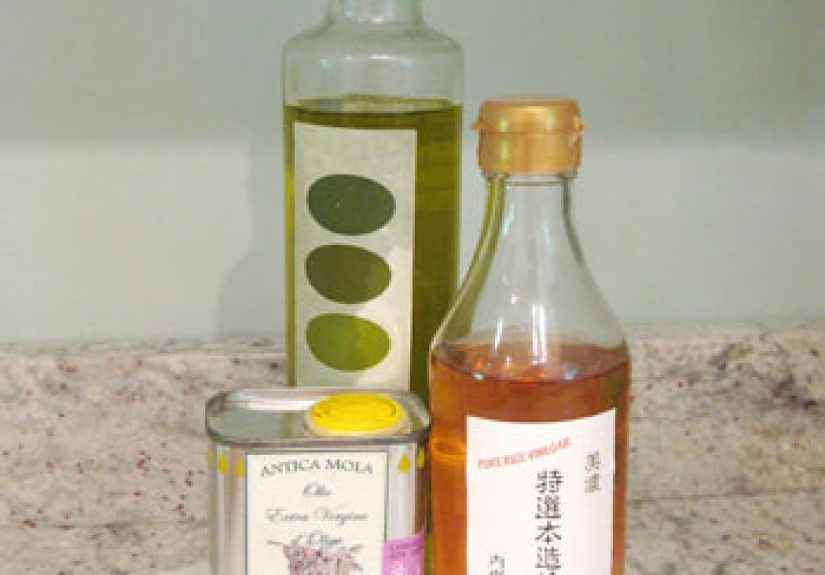
The simplest version includes one bottle of extra virgin olive oil, one bottle of vinegar, a salt cellar, and a pepper grinder. This combination covers salads, roasted vegetables, soups, pasta, bread dipping, and quick finishing touches. It is functional without being crowded.
If you cook with multiple oils, you might include a mild olive oil for heat and a more flavorful finishing oil for drizzling. Labeling helps, especially if the bottles look similar. Nobody wants to accidentally pour chili oil over vanilla ice cream unless they are filming a very intense cooking show.
Nice Extras That Make It Feel Styled
Fresh herbs in a tiny pot can soften the look. Rosemary, basil, thyme, or oregano adds color and fragrance. A small bowl of garlic cloves looks rustic and useful. A pinch bowl for flaky salt adds texture. A little spoon, mini whisk, or tasting dish can make the station feel restaurant-inspired.
Just avoid overloading the platter. The goal is not to recreate an entire farmers market on twelve square inches of counter. Edit the display so every item has a reason to be there.
Where To Place Your Olive Oil Platter
Location determines whether your platter becomes a helpful cooking station or an attractive obstacle. Place it close enough to your prep zone that you will use it, but far enough from heat and sunlight to protect the oil. A spot near the cutting board area, beside the stove but not directly against it, or on an island works well.
If your kitchen is small, place the platter against the backsplash to save counter depth. A narrow rectangular tray is perfect for this. If you have open shelving, you can place the platter on a lower shelf and bring it down when cooking. For dining rooms, a prettier version with olive oil, vinegar, and dipping spices can sit on a buffet or table before guests arrive.
Think about your cooking rhythm. If you always dress salads on the island, place the platter there. If you cook near the range, keep it nearby but not in the heat zone. The best setup is the one that looks good and quietly supports your habits.
Styling Tips For A Platter That Looks Effortless
Effortless style usually involves a tiny bit of effort. The good news is that the rules are simple.
Vary Heights
Use bottles of different heights to create movement. A tall olive oil bottle, a shorter vinegar bottle, and a low salt bowl naturally form a pleasing arrangement. If everything is the same height, the display can look flat.
Mix Textures
Glass, ceramic, wood, metal, and stone all bring different textures. A ceramic platter with dark glass bottles and a wooden pepper mill feels layered without trying too hard. Texture is what makes a small setup feel collected instead of purchased in one panic trip.
Stick To A Color Story
You do not need a strict palette, but some consistency helps. Amber bottles, warm wood, and cream ceramic create a cozy look. Black metal, white stone, and clear labels feel modern. Blue-and-white ceramics give a Mediterranean mood. Choose colors that echo your kitchen, and the platter will look like it belongs.
Leave Negative Space
Negative space is the fancy design term for “please do not cram every inch.” A little empty space on the platter makes the items easier to grab and more pleasant to see. It also makes cleaning easier, which is the kind of glamour we can all support.
How To Keep The Platter Clean
A beautiful olive oil station can become greasy if ignored. Fortunately, maintenance is easy. Wipe the bottle necks after pouring, especially if you use spouts. Clean the platter once a week with warm water and mild dish soap, or more often if you cook daily. For wood trays, avoid soaking and dry them right away. For marble, use gentle cleaners and avoid acidic spills sitting too long.
Check the bottom of each bottle now and then. A sticky base can attract dust, crumbs, and the kind of mystery grit that appears in kitchens as if delivered by tiny invisible dump trucks. Keeping the setup clean preserves both the look and the usefulness.
Common Mistakes To Avoid
The first mistake is placing olive oil too close to heat. A platter beside a roaring stove may look convenient, but heat can shorten the oil’s life and affect flavor. Keep it near the cooking area, not inside the cooking area.
The second mistake is using bottles that are hard to clean or refill. A beautiful dispenser with a tiny opening may look charming until you are trying to refill it with a funnel, a prayer, and half a paper towel roll. Choose bottles that match your patience level.
The third mistake is turning the platter into a clutter island. Olive oil, vinegar, salt, pepper, and one small accent? Lovely. Olive oil, vinegar, six spice jars, scissors, mail, vitamins, a candle, and one loose battery? That is no longer a platter. That is a countertop biography.
Easy Style Ideas For Different Kitchen Looks
Modern Minimalist
Use a matte black or white tray, two matching dark glass bottles, a simple salt cellar, and a sleek pepper grinder. Keep labels clean and minimal. This look is crisp, calm, and very “I definitely know where my measuring spoons are.”
Farmhouse Warm
Choose a wooden tray or breadboard, amber bottles, a ceramic bowl of garlic, and a small pot of rosemary. Add a linen napkin if the platter is used for serving bread. The result feels cozy, practical, and ready for roasted chicken.
Mediterranean Inspired
Try a blue-and-white ceramic platter, green glass olive oil bottle, balsamic vinegar, flaky salt, and a small dish of dried oregano. This style feels sunny and relaxed, even if your “Mediterranean view” is actually the neighbor’s fence.
Vintage Collected
Use an old silver tray, thrifted glass bottles, a small porcelain bowl, and a wooden pepper mill. This works especially well in traditional or eclectic kitchens. The key is making sure the items are still practical and clean, not just photogenic.
Why This Small Upgrade Feels So Satisfying
Part of the appeal is instant gratification. You can create an olive oil platter in ten minutes without drilling, painting, ordering custom cabinets, or learning a new life philosophy. It makes the kitchen feel more finished immediately.
It also changes how you interact with your space. When ingredients are accessible and attractive, cooking feels more inviting. You may find yourself making a quick vinaigrette instead of reaching for bottled dressing, drizzling good oil over soup, or finishing roasted vegetables with salt and vinegar. A small visual cue can encourage better kitchen habits.
There is also something quietly luxurious about giving everyday objects a proper home. Olive oil is used in simple meals, quick dinners, weekend bread dipping, and those “what can I make with half an onion?” moments. Putting it on a platter says: daily life deserves a little ceremony too.
Experience: Living With An Olive Oil Platter In A Real Kitchen
The first time I tried the olive oil bottles on a platter idea, it was not because I was feeling stylish. It was because the counter near my stove had become a small disaster zone. There was one bottle of olive oil, one bottle of avocado oil, a vinegar bottle, a pepper grinder, a salt container, and a spoon rest that seemed to migrate around the counter like it had weekend plans. Individually, none of these items looked messy. Together, they looked like they were waiting for a bus.
I grabbed a plain white serving platter from a cabinet and placed everything on it. That was the whole “project.” No measuring tape. No mood board. No dramatic before-and-after music. But the change was immediate. The counter looked cleaner because the items had a boundary. The bottles stopped leaving little rings on the surface. When I cooked, I could grab what I needed without opening cabinets with onion-covered hands. It felt like my kitchen had suddenly become more cooperative.
Over time, I learned what belonged on the platter and what did not. At first, I added too much: chili flakes, three kinds of salt, a tiny plant, a decorative bowl, and a spoon I almost never used. It looked charming for about one day. Then it became annoying. The plant needed moving, the extra salt was unnecessary, and the bowl collected crumbs with impressive dedication. Eventually, I edited the setup down to extra virgin olive oil, a vinegar bottle, a pepper grinder, a salt cellar, and one small dish for garlic or lemon wedges when cooking. That version stuck.
The biggest lesson was that the platter should match your actual habits. If you cook mostly pasta, keep olive oil, salt, pepper, and chili flakes nearby. If you make salads daily, include vinegar or a citrus juicer. If you bake more than you sauté, maybe the oil station belongs near your prep counter rather than beside the range. The prettiest setup is still a failure if it gets in your way.
I also noticed that guests responded to it. Not in a “please applaud my countertop” way, but in a casual, useful way. People could find oil for bread, vinegar for salad, and salt without asking where everything was. During dinner, the platter could move from counter to table and suddenly become part of the meal. That flexibility made it feel less like decoration and more like a smart little household tool wearing a nice outfit.
Cleaning became easier too. Instead of wiping around several bottles, I lifted the tray, cleaned underneath, wiped the tray, and put it back. On busy weeks, that simple routine prevented the counter from sliding into chaos. Small systems are underrated. They do not shout. They just quietly make life less irritating.
So, yes, olive oil bottles on a platter may sound almost too simple to matter. But that is exactly why it works. It is affordable, flexible, renter-friendly, and easy to change with the season. Swap the tray, add herbs, remove extras, use darker bottles, or move it closer to your prep area. The idea adapts. And every time you drizzle olive oil without hunting through a cabinet, the platter earns its place all over again.
Conclusion
Placing olive oil bottles on a platter is one of those small kitchen upgrades that feels bigger than it is. It organizes daily cooking essentials, protects your counter, adds warmth to the room, and makes ordinary ingredients look inviting. The trick is to balance beauty with practicality: choose a stable tray, use bottles that protect the oil, avoid heat and sunlight, and keep only the items you truly use.
You do not need a luxury kitchen to make this work. You need a platter, a few well-chosen bottles, and the willingness to stop letting your olive oil wander around the counter like it pays rent. Simple, stylish, usefulthat is the kind of upgrade every kitchen deserves.