Table of Contents >> Show >> Hide
- What counts as an edible?
- How edibles work (and why they feel different)
- Timeline: how long edibles take to kick in and how long they last
- Typical effects: what you might feel
- Side effects: the not-so-fun part
- Who should be extra cautious (or avoid edibles)
- Mixing edibles with alcohol or medications
- How to reduce risk: practical safety tips
- What to do if you took too much
- Edibles and drug tests: what to know
- Bottom line
- Experiences & Real-World Scenarios (and what they teach you)
Edibles are the slow-cooker of cannabis: nothing happens… nothing happens… and then suddenly you’re deeply invested in the emotional arc of a tortilla chip.
If you’re curious about THC edibles (gummies, brownies, drinks, chocolates, capsules, and more), the biggest “gotcha” is that they don’t behave like smoking or vaping.
They’re delayed, they can feel stronger than expected, and they can hang around long enough to become an uninvited plus-one to tomorrow morning.
This guide breaks down what edible cannabis is, how it works in your body, what effects and side effects to expect, and how to reduce riskespecially the
classic mistake: taking more because you “don’t feel anything yet.”
What counts as an edible?
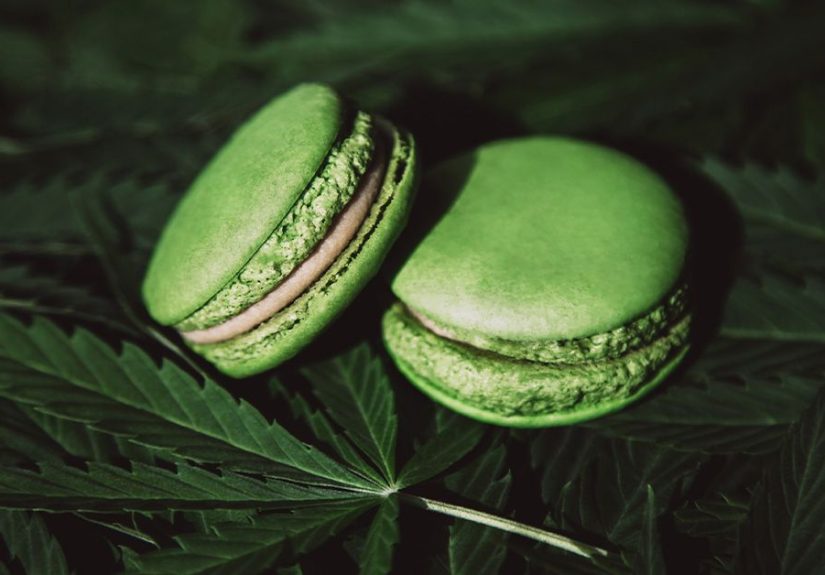
“Edibles” generally means food or drink products that contain cannabinoidsmost commonly THC (tetrahydrocannabinol), the main intoxicating compound in cannabis.
Some edibles contain CBD (cannabidiol) or other cannabinoids, but the experience depends heavily on the THC dose and how your body processes it.
Common edible types
- Gummies and candies (often precisely labeled in milligrams of THC per piece)
- Baked goods (brownies, cookiesdelicious but sometimes less predictable in homemade versions)
- Beverages (seltzers, teas, “fast-acting” drinks that may kick in sooner)
- Capsules or tablets (more “medicine cabinet,” less “snack drawer”)
- Tinctures (technically not a food, but often grouped with edibles when swallowed)
How edibles work (and why they feel different)
When cannabis is inhaled, THC enters the bloodstream quickly through the lungs. With edibles, THC travels through your digestive system, gets absorbed,
and then is processed by the liver before it reaches the brain. That liver step is a big deal: a portion of THC is converted into
11-hydroxy-THC, a metabolite that can produce strong intoxicating effects.
Translation: edibles can feel more intense and last longer than you expectedespecially if you’re comparing them to the “faster in, faster out” vibe of smoking.
Why onset is delayed
Digestion takes time. Your stomach contents, metabolism, and even what you ate that day can shift the timeline. That’s why two people can take the same labeled
dose and have very different experiencesor the same person can have different results on different days.
Timeline: how long edibles take to kick in and how long they last
Edibles are famous for being fashionably late. A common window is:
30 minutes to 2 hours to feel effects, with intensity building over time.
Many people hit a peak around 2 to 4 hours after ingesting.
Effects often last 6 to 12 hours, and some people notice residual grogginess or “brain fog” into the next dayespecially at higher doses.
What changes the timeline?
- Dose (mg THC): higher doses tend to last longer and feel stronger.
- Food in your stomach: taking edibles with or after a meal can change absorption and timing.
- Body chemistry: metabolism, body fat, and liver enzyme activity vary person to person.
- Tolerance: frequent users often need more THC for the same effect, but “more” also increases side effect risk.
- Product formulation: some drinks use emulsions that may absorb faster than classic gummies or brownies.
Typical effects: what you might feel
THC edibles can affect mood, perception, coordination, attention, memory, and reaction time. The experience ranges from mild relaxation to
“I just spent 12 minutes staring at the microwave clock like it owes me money.”
Commonly reported effects
- Euphoria or relaxation
- Altered perception (time feels slower, music feels deeper, snacks become a spiritual practice)
- Drowsiness or sedation
- Increased appetite
- Impaired coordination and slower reaction time
- Difficulty concentrating
Why people choose edibles
Some adults prefer edibles because they avoid inhaling smoke or vapor. Others like the longer duration for nighttime use (for example, sleep),
or the more discreet format. Medical use varies by state and by individual; research is still evolving, and it’s smart to discuss cannabis use with a clinician
if you’re using it for symptoms or alongside other medications.
Side effects: the not-so-fun part
Side effects are more likely when the dose is higher than your toleranceor when the edible hasn’t kicked in yet and you take “just a little more.”
Most side effects are temporary, but they can be intense and scary if you’re not expecting them.
Common side effects
- Anxiety or panic (the classic “I have made a mistake” moment)
- Paranoia
- Dizziness
- Dry mouth
- Nausea or vomiting
- Fast heart rate / palpitations
- Confusion or impaired judgment
- Sleepiness (sometimes the only “solution” is a nap you didn’t schedule)
Less common but more serious reactions
At very high doses (or in sensitive individuals), THC can trigger severe anxiety, hallucinations, significant confusion, or dangerous impairment.
Children are at higher risk of severe toxicity from accidental ingestion, and edibles that look like candy or snacks increase that risk.
Who should be extra cautious (or avoid edibles)
THC isn’t a harmless gummy vitamin. Consider extra cautionor skipping entirelyif any of these apply:
- Pregnancy or breastfeeding: major medical organizations advise avoiding cannabis during pregnancy, and many also recommend avoiding it while breastfeeding due to uncertain safety.
- Teens and young adults: developing brains appear more vulnerable to cannabis-related harms.
- History of psychosis or severe anxiety: THC can worsen symptoms or trigger episodes in some people.
- Heart conditions: THC can increase heart rate and may aggravate underlying cardiovascular issues.
- Older adults: increased risk of falls, confusion, medication interactions, and stronger-than-expected effects.
- Anyone who must drive, operate machinery, or be “on duty”: edibles can impair reaction time and judgment for hours.
Mixing edibles with alcohol or medications
Combining THC with alcohol is a common recipe for “too high,” because both can impair coordination and judgmentand the combination can intensify dizziness,
vomiting, and confusion. Mixing THC with sedating medications (like some sleep aids, anxiety meds, or certain pain medications) can also increase impairment.
If you take prescription medications or have chronic health conditions, it’s wise to talk with a healthcare professional before using THC products.
This is especially true if you take medications that affect the central nervous system or medications metabolized by the liver.
How to reduce risk: practical safety tips
If you’re an adult in a place where cannabis is legal and you choose to use edibles, here are harm-reduction basics that can prevent most edible horror stories.
1) Start low, go slow (seriously)
Many clinicians and consumer health sources suggest that first-timers consider very low THC amountsoften around 1 to 2.5 mgespecially if you’re sensitive to anxiety.
If you don’t feel anything, the move is not “take more immediately.” The move is wait.
2) Wait long enough before taking more
A common guideline is to wait at least 2 hours before re-dosing (and sometimes longer), because edible effects can build gradually and peak late.
Setting a timer helps. Yes, you can outsource self-control to your phone. It’s what it was born to do.
3) Read the label like it’s a contract
- Check “mg THC per serving” and mg THC per package. A single chocolate bar might contain multiple servings.
- Know your cannabinoids: THC is intoxicating; CBD is generally non-intoxicating but can still cause side effects and interactions.
- Be wary of “hemp-derived” THC products (like delta-8): quality and dosing can be inconsistent, and federal agencies have issued warnings about adverse events and misleading packaging.
4) Pick the right time and place
Try edibles only when you have a calm environment, no responsibilities, and a clear scheduleideally with someone you trust around if you’re new.
Think “cozy night in,” not “before meeting the in-laws,” unless you enjoy living dangerously.
5) Store edibles like medication, not like candy
Edibles should be stored in child-resistant packaging, up high, and ideally locked. They can look exactly like regular snacks, which raises the risk of accidental ingestion.
If a child or pet eats an edible, treat it as urgent and contact Poison Control right away.
6) Don’t drive (and don’t assume you’re fine)
THC can impair reaction time, coordination, and judgment. With edibles, impairment can last for hours. Driving under the influence is illegal, and it’s unsafe.
If you have to travel, plan transportation before consuming anything.
What to do if you took too much
First: you’re not the first person to be humbled by a gummy. The goal is to stay safe while the effects wear off.
Try these steps
- Move to a calm, familiar place and sit or lie down to avoid falls.
- Remind yourself it’s temporary: edible effects can feel endless, but they will pass.
- Hydrate and consider a light snack if you can tolerate it.
- Reduce stimulation (dim lights, quiet music, less scrolling).
- Ask someone you trust to stay with you, especially if you feel panicky.
When to get urgent help
Call emergency services if someone has trouble breathing, collapses, has a seizure, can’t be awakened, or has chest pain.
For guidance on possible poisoning (especially involving children), contact Poison Control immediately.
Edibles and drug tests: what to know
THC can be detectable on drug tests for varying lengths of time depending on the test type, dose, and frequency of use.
Occasional users may clear faster than frequent users, but there’s no guaranteed “safe” timeline. If drug testing matters for your job or legal situation,
assume edibles can still be detectable well after the high is gone.
Bottom line
Edibles can be enjoyable for some adults, but they demand respect because their effects are delayed and long-lasting.
The most common problems come from taking too much, too soonor forgetting that a “serving” isn’t always the whole brownie.
If you choose to use THC edibles, start with a very low dose, wait long enough, avoid mixing with alcohol, store them safely, and never drive impaired.
Experiences & Real-World Scenarios (and what they teach you)
The best way to understand edibles is to learn from the situations people keep repeating like a sitcom plotexcept with more snacks and fewer laugh tracks.
Here are some common “edible experiences” and the practical lessons behind them.
1) The “Nothing’s happening” two-step
Scenario: A first-time user takes a gummy, waits 25 minutes, feels normal, and decides the edible must be weak. They take a second gummy. Another 30 minutes
passes, still nothing dramaticso they take a third “just to be safe.” Then, right on schedule, the original dose finally arrives… bringing its two friends.
Suddenly, the living room feels like a space station, time is a concept that has been discontinued, and the person is convinced they’ll be like this forever.
Lesson: Delayed onset is not a suggestionit’s the headline. Edibles commonly take 30 minutes to 2 hours to show up, and they can keep intensifying for a while.
If you’re new, a timer is your best friend. Waiting isn’t boring; it’s how you avoid turning “mild relaxation” into “accidental astral projection.”
2) The homemade brownie mystery
Scenario: Someone makes homemade brownies with infused butter or oil. They cut a “normal-sized” piece, eat it, and feel fine. Later, someone else eats a piece
from the corner of the pan and ends up far more intoxicated than expected. The culprit is often uneven distributioninfused fats don’t always mix perfectly,
especially in home kitchens.
Lesson: Store-bought, clearly labeled products usually provide more consistent dosing than homemade edibles. If you do consume homemade, assume variability.
Start smaller than you think you need, and treat every new batch like a new product.
3) The “I took it for sleep” surprise
Scenario: An experienced adult tries an edible at night for sleep support. They fall asleep finebut wake up groggy, foggy, and slower the next morning,
especially if they took a higher dose or used it late at night. They feel “off” at work or while driving, even though the main high is gone.
Lesson: Edibles can last a long time, and residual effects can linger. If you’re experimenting, do it when the next morning is low-stakes.
Consider earlier timing, lower doses, and avoiding late-night “top-ups.” Your future self will thank you, preferably with coffee.
4) The “I mixed it with alcohol” regret
Scenario: Someone has a couple of drinks, then eats an edible. Or they eat an edible and later decide a cocktail sounds fun. The combined impairment hits hard:
dizziness, nausea, anxiety, and poor coordination. What started as “a chill evening” becomes “why is the room spinning and why do I suddenly remember every
awkward thing I said in 2009?”
Lesson: THC plus alcohol increases the odds of a rough time. If you want to lower risk, avoid mixing. If you’re already drinking, that’s not the moment to
“test” a new edible or increase your THC dose.
5) The label trap: serving vs. package
Scenario: A chocolate bar says “100 mg THC” on the front. Someone assumes that’s the whole bar’s dose (it is)but they also assume one bar equals one serving
(not always). They eat half, thinking it’s modest, and accidentally take what would be multiple servings in many regulated markets. A few hours later, they’re
uncomfortably high, anxious, and debating whether they should apologize to their sofa for sitting on it too intensely.
Lesson: Always check mg THC per serving and servings per package. Manufacturers often divide products into multiple servings. Your body does not
care what you intended; it responds to the milligrams you actually ate.
6) The “I forgot it’s basically candy” household hazard
Scenario: A parent stores gummies in a kitchen drawer. A child finds them because, to a child, a gummy is not a “cannabis product”it’s a gummy.
Accidental ingestion in kids can lead to significant drowsiness, confusion, trouble walking, vomiting, and in severe cases, dangerous symptoms requiring urgent care.
Lesson: Treat edibles like medication. Locked storage and clear separation from regular snacks can prevent emergencies. If accidental ingestion happens, call Poison
Control right away and seek emergency help for severe symptoms.
In short: most “edible disasters” aren’t moral failingsthey’re timing mistakes, labeling misunderstandings, or storage slip-ups. The fix is boring in the best way:
lower doses, more waiting, safer storage, and no driving. Not glamorous, but neither is panic-texting your friend, “How long is forever?”
Sources synthesized for factual accuracy (no links included in article): CDC (Cannabis Health Effects; Cannabis and Poisoning), FDA (Delta-8 THC consumer update; cannabis-derived product warnings), NIH/NIDA (Cannabis/Marijuana resources including marijuana PDF), SAMHSA (Marijuana risks), NHTSA (Marijuana and driving), America’s Poison Centers / PoisonHelp / Poison.org, AAP (HealthyChildren guidance; Pediatrics study on pediatric edible exposures), ACOG (pregnancy/breastfeeding guidance), Harvard Health, Cleveland Clinic, plus peer-reviewed pharmacology and edibles literature available via PubMed Central.