Table of Contents >> Show >> Hide
- Meet the Artist Behind the Single-Woman Comics
- Why Single-Woman Comics Hit So Hard
- Everyday Life in 30 Panels: Themes That Keep Showing Up
- What These Comics Say About Being a Single Woman Today
- Bored Panda as a Stage for Single-Woman Stories
- Practical Takeaways: What These Comics Can Teach About Enjoying Single Life
- From Panel to Real Life: Longer Experiences of Being a Single Woman
- Conclusion: Comics That See Single Women Clearly
Scroll through Bored Panda on any random Tuesday and you’re almost guaranteed to stumble on a comic that makes you think,
“Wait… did someone install a hidden camera in my apartment?” That’s exactly the vibe of
“Everyday Life And Being A Single Woman Illustrated In These 30 New Comics By This Artist | Bored Panda.”
With just a few panels, this series manages to capture the chaos, comfort, and quiet victories of single-woman life in a way that’s
funny, tender, and almost painfully accurate.
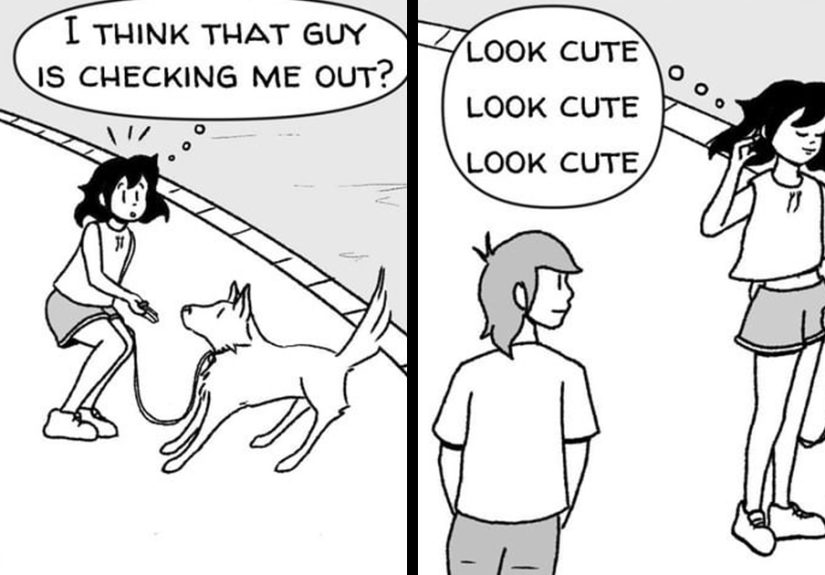
In these 30 comics, the artist (a rising star in the slice-of-life webcomic scene) turns everyday situations into mini-stories:
solo dinners that look suspiciously like cereal at 10 p.m., awkward first dates, scroll-heavy nights on the couch, and the strange
mix of freedom and pressure that defines modern singlehood. The result is a visual diary that feels like a conversation with a
friend who gets it and happens to draw really well.
Let’s dig into what makes these comics so relatable, what they say about being a single woman today, and why this Bored Panda
feature resonates far beyond a quick laugh.
Meet the Artist Behind the Single-Woman Comics
The artist featured in “Everyday Life And Being A Single Woman Illustrated In These 30 New Comics By This Artist | Bored Panda”
works in the same spirit as well-known webcomic creators like Sarah Andersen, Lingvistov, and other slice-of-life illustrators:
clean lines, expressive characters, and punchlines that land without needing a long setup. The main character is usually a version
of the artist herself a single woman navigating work, friendships, romance (or the lack of it), body image, and the weirdness
of being a functioning adult.
Instead of glamorizing single life or turning it into one long pity party, these comics sit comfortably in the middle:
sometimes being single is amazing and empowering, and sometimes it’s eating instant noodles while ignoring another “u up?” text.
That emotional range is exactly what keeps readers coming back.
Why Single-Woman Comics Hit So Hard
The “That’s So Me” Effect
Relatable webcomics became a cultural force because they compress a whole mood into a few panels. Artists like Sarah Andersen
built massive audiences by turning social anxiety, procrastination, and adulthood into simple, shareable moments. These single-woman
comics follow the same formula: one small, specific situation that represents a bigger emotional truth.
Maybe it’s the panel where the character declines a night out because she’s already in sweatpants and emotionally attached to her couch.
Maybe it’s the strip where she deletes and rewrites a dating app bio eleven times. Readers recognize themselves instantly.
That spark of recognition “I thought I was the only one who did that” is what makes these comics explode on platforms like Bored Panda,
Instagram, and Pinterest.
Humor as a Coping Strategy
Being a single woman in 2025 comes with its own unique pressures: family expectations, social media comparison, economic uncertainty,
and an often exhausting dating landscape. Instead of delivering a lecture on gender roles or relationship norms, these comics tackle
big themes through silly, self-aware humor. The joke might be about wearing the same T-shirt three days in a row, but underneath,
it’s quietly saying: It’s okay not to have everything figured out.
Humor helps deflate shame. When you can laugh about eating dinner over the sink or crying over a rom-com alone, you’re less likely
to see those moments as failures and more as part of being human and that’s the subtle magic of this comic series.
Everyday Life in 30 Panels: Themes That Keep Showing Up
1. Home Is a One-Woman Universe
Many of the comics focus on the home the place where single women get to fully be themselves. The main character sprawls diagonally
across the bed, dances in the kitchen with a spoon microphone, or eats snacks that would probably horrify a nutritionist.
These panels highlight a key perk of single life: no one is there to judge your weird little habits. If you want a plant on every surface,
a bookshelf organized by vibes instead of alphabet, or fairy lights up all year, no one can stop you. The comics treat this not as a consolation
prize but as a small, joyful freedom.
2. Work, Burnout, and the “Strong Independent Woman” Myth
Another recurring theme is work. Single women are often portrayed as hyper-capable professionals who “have it all together,”
but the comics gleefully tear down that illusion. We see the character collapsing on the couch after a long day, dragging herself
out of bed on Monday, or pretending to be fine on Zoom while mentally dissolving.
Real-world data shows more adults living without partners, and single women are often highly engaged in the workforce.
At the same time, they may feel pressure to be financially self-sufficient, emotionally stable, and endlessly productive all on their own.
By exaggerating those moments of burnout and fatigue, the comics validate that being “independent” doesn’t mean being invincible.
3. Dating Apps, Red Flags, and Comic-Level Absurdity
Of course, we can’t talk about single life without talking about dating apps. Several of the comics riff on ghosting, low-effort messages,
and conversations that go nowhere. A guy who sends only emojis for three days. Someone who says “I’m not like other guys” and then behaves
exactly like other guys. The punchlines land because they’re so familiar.
Surveys and interviews with single women in the U.S. highlight growing frustration with modern dating from emotional unavailability to mismatched expectations.
The comics echo this reality but keep the tone light, transforming genuine disappointment into shared comedy rather than private despair.
4. Friendships and Found Family
One of the sweetest threads in these comics is the role of friends. Group chats, late-night calls, brunches, and meme exchanges become the emotional backbone
of the character’s life. When a date goes badly, a job interview flops, or loneliness hits hard, friends show up sometimes literally, sometimes in the
form of 37 unread messages of pure support.
This reflects a real cultural shift: more women are building strong, long-lasting support systems outside traditional romantic partnerships.
The comics quietly normalize the idea that your “person” doesn’t have to be a romantic partner; it can be your best friend, your roommate, or your sibling.
5. Money, Housing, and Owning Your Space
Single women are increasingly visible as homeowners and renters who live alone. Some U.S. housing data shows that single women now own
millions more homes than single men, even while facing wage gaps and economic challenges. That independence shows up visually in these comics:
the main character decorating her apartment, paying her own bills, and taking pride in a space that reflects her tastes.
Of course, the comics also poke fun at the less glamorous side: panic when the rent hits the account, arguments with utility bills,
or the “is avocado toast really my problem?” internal monologue. It’s a realistic mix of pride and stress a reminder that independence
is empowering but not always easy.
6. Solitude, Self-Care, and the Art of Being Alone
Not every panel is loud, chaotic, or full of jokes. Some of the most powerful comics are quiet ones: the character reading in bed with a cup of tea,
watering plants, journaling, or simply existing peacefully in her own company.
Research on single adults increasingly shows that many women report solid levels of life satisfaction without a partner.
These comics visually affirm that reality. Being alone is not automatically lonely; sometimes, it’s calm, satisfying, and restorative.
The key message is that singlehood can be a complete, fulfilling way of life not just a waiting room before “real life” begins.
What These Comics Say About Being a Single Woman Today
Singlehood as a Legitimate Life Choice
In recent years, more women in the U.S. have been openly questioning whether marriage or long-term partnership is a must-have.
Surveys and social analyses show a growing share of women who don’t view marriage as essential to a meaningful life and who feel
increasingly comfortable saying, “I’m happy on my own.”
The comics in this Bored Panda feature capture that attitude perfectly. There’s no sense that the character is incomplete without a partner.
She may date, daydream about romance, or get annoyed at bad dates, but the underlying narrative is that her life has value and fullness
regardless of relationship status.
The Double Bind: Freedom vs. Expectations
At the same time, the comics don’t ignore social pressure. Family questions like “When are you going to settle down?” show up as exaggerated,
eye-rolling moments. Social media comparisons weddings, engagements, baby announcements appear as a flood of posts that make the main character
question whether she’s “behind.”
This tension is something many single women recognize: you can love your independence and still feel poked by traditional expectations.
By turning those pressures into punchlines, the comics help defuse their power, offering a shared language of resistance through humor.
Career, Aging, and Planning a Future That’s Yours
Another subtle but important layer in these comics is the long-term view. Panels about retirement savings, health, or aging alone gesture
toward real questions: Who will take care of me later? Will I regret not settling down? Am I allowed to design a life that doesn’t follow the script?
Many experts point out that single women often face both opportunities and challenges as they age more autonomy, but also more responsibility.
The comics don’t provide neat answers, but they do something arguably more helpful: they show that you’re not the only one asking these questions.
That alone can be comforting.
Bored Panda as a Stage for Single-Woman Stories
Bored Panda has become a major platform for rising comic artists, especially those who focus on everyday life, mental health,
and identity. Features like “Everyday Life And Being A Single Woman Illustrated In These 30 New Comics By This Artist” help amplify
voices that might otherwise stay niche on social media.
The format a curated list of comics plus a brief interview or introduction makes the work easy to consume and share.
Comments and upvotes turn each post into a mini-community where readers swap stories, tag friends, and say things like,
“I feel so seen right now.” For artists, it’s a chance to grow an international audience. For readers, it’s validation and entertainment rolled into one.
Practical Takeaways: What These Comics Can Teach About Enjoying Single Life
1. Make Your Space Feel Like Yours
One recurring lesson: if you’re a single woman, your home doesn’t have to impress anyone but you. Hang the art you love, keep the cozy pajamas,
adopt the plants, and lean into whatever decor makes you feel safe and happy. The comics remind us that a small rented studio can still be a kingdom.
2. Treat Loneliness as a Signal, Not a Verdict
The comics show lonely moments scrolling through photos of friends with partners or wishing someone else were there on a rough day.
But instead of treating loneliness as proof that singlehood is a mistake, they frame it as a normal human feeling that comes and goes.
It’s an invitation to text a friend, join a hobby group, or simply be kind to yourself, not a demand to rush into the nearest relationship.
3. Laugh at the Dating Circus
If you’re going to use dating apps, you might as well collect stories. The comics give you permission to see bad dates and bizarre messages
as future anecdotes, not personal failures. When you reframe the chaos as material like the artist does it becomes a lot easier to stay sane.
4. Let Your Life Goals Be Bigger Than “Find Someone”
The main character in these comics cares about more than romance: she wants meaningful work, supportive friends, creative outlets,
and mental health. That’s a powerful reminder that your to-do list for life can include travel, learning, savings, activism, art, or anything else
that matters to you with or without a partner.
From Panel to Real Life: Longer Experiences of Being a Single Woman
To really appreciate what “Everyday Life And Being A Single Woman Illustrated In These 30 New Comics By This Artist | Bored Panda”
captures, it helps to imagine the life that might sit just outside each frame the moments before and after the punchline.
Picture a single woman in her early thirties living in a mid-sized city. She wakes up in a small but bright apartment that she pays for herself.
The first comic might show her hitting the snooze button five times; what we don’t see is that she stayed up late finishing a freelance project
because she’s slowly building a career she actually cares about. The mess on the nightstand? That’s not laziness; it’s the side effect of juggling
work, family group chats, therapy appointments, and an attempt at having a social life.
Another comic might show her sitting across from a date who spends 20 minutes talking about his crypto portfolio. The last panel has her texting
a friend: “You won’t believe this one.” It’s funny, but behind the humor is something deeper: she’s clarifying her standards. Every mediocre date
is one more piece of data about what she doesn’t want. The comics turn this trial-and-error process into something we can laugh about instead of
just endure.
There might be a comic of her grocery shopping alone, pushing a cart with frozen pizza, spinach, and an oddly specific brand of yogurt.
It’s the most ordinary scene imaginable. But if you zoom out, you see the quiet power in it: she’s making food choices based on her tastes,
her budget, and her schedule. She is allowed to build routines that revolve around her own needs, not someone else’s.
Then there are the self-care comics sheet masks, bubble baths, journaling, scrolling through memes in bed. At first glance, they can look like
clichés, but for many single women, these rituals are hard-won. They reflect boundaries: choosing to rest instead of overcommitting,
choosing to spend an evening alone instead of going out just to avoid silence. In a culture that still praises couplehood as the default,
learning to enjoy your own company is a skill, not an accident.
Some of the most emotionally resonant moments show vulnerability: crying over a tough day, worrying about the future, or feeling like everyone else
is moving on to a new life stage. These panels matter because they don’t hide the hard parts of singlehood. They say, “Yes, sometimes it stings,”
while also saying, “You’re not broken.” The honesty of those comics makes the funny ones feel earned, not superficial.
Finally, imagine the comic where she’s surrounded by friends not all single, not all the same age, but all deeply present.
They share food, gossip, and frustrations. The caption might be a joke about “therapy, but with fries,” but the deeper message is clear:
building community is one of the most meaningful things you can do, partnered or not. These relationships are not consolation prizes;
they’re core pillars of her life.
When you put all 30 comics together plus the untold moments between them you get a rich portrait of single-woman life today:
funny, messy, sometimes exhausting, often empowering, and absolutely valid. That’s why readers linger on this Bored Panda feature instead
of scrolling past. It’s not just entertainment; it’s recognition.
Conclusion: Comics That See Single Women Clearly
“Everyday Life And Being A Single Woman Illustrated In These 30 New Comics By This Artist | Bored Panda”
is more than a collection of jokes. It’s a visual love letter to single women who are building full, complicated lives on their own terms.
Through sharp humor and honest observation, these comics show that being single can mean independence, growth, connection, and self-discovery
not just waiting for someone to show up and “complete” you.
Whether you’re happily single, reluctantly single, newly single, or just curious about how other people live, these 30 comics offer something rare:
the feeling of being seen exactly as you are, in all your sleepy, anxious, ambitious, snack-loving glory. And if they make you laugh along the way,
even better that laughter is part of what makes single life not just survivable, but genuinely worth celebrating.
SEO JSON