Table of Contents >> Show >> Hide
- What Makes Anichini Portuguese Blankets Special?
- Why Portugal Is So Important in Home Textiles
- Anichini’s Design Philosophy: “The Genuine Article”
- How to Style Anichini Portuguese Blankets
- What to Look for in a Portuguese Cotton Blanket
- How to Care for Cotton Portuguese Blankets
- Are Anichini Portuguese Blankets Worth It?
- Decorating Ideas Inspired by Anichini Portuguese Blankets
- Experience Notes: Living With a Portuguese Cotton Blanket
- Conclusion
Some blankets are just blankets. They sit at the foot of the bed, politely minding their own business until someone gets chilly during a movie. Then there are Anichini Portuguese blankets: the kind of fabrics and linens that make a room look more collected, more worldly, and frankly more grown-up before anyone has even fluffed a pillow.
Anichini has built its reputation around luxury home textiles with a point of view. The Vermont-based brand, founded by Susan Dollenmaier, is known for sourcing handcrafted and artisanal fabrics from around the world, then presenting them with a collector’s eye. Its Portuguese cotton blankets became a quiet favorite among design lovers because they delivered that rare combination every home wants but rarely gets: relaxed, washable, beautiful, practical, and just fancy enough to make your guest room feel like it has a trust fund.
The phrase “Portuguese blanket” may sound simple, but it carries a lot of textile history. Portugal has long been associated with high-quality weaving, cotton bedding, home linens, and durable household fabrics. When Anichini introduced lightweight cotton blankets from Portugal, the appeal was not about flash. It was about craftsmanship, texture, and usefulnessthe three things that keep a fabric in rotation long after trendier pieces have been banished to the back of the closet.
What Makes Anichini Portuguese Blankets Special?
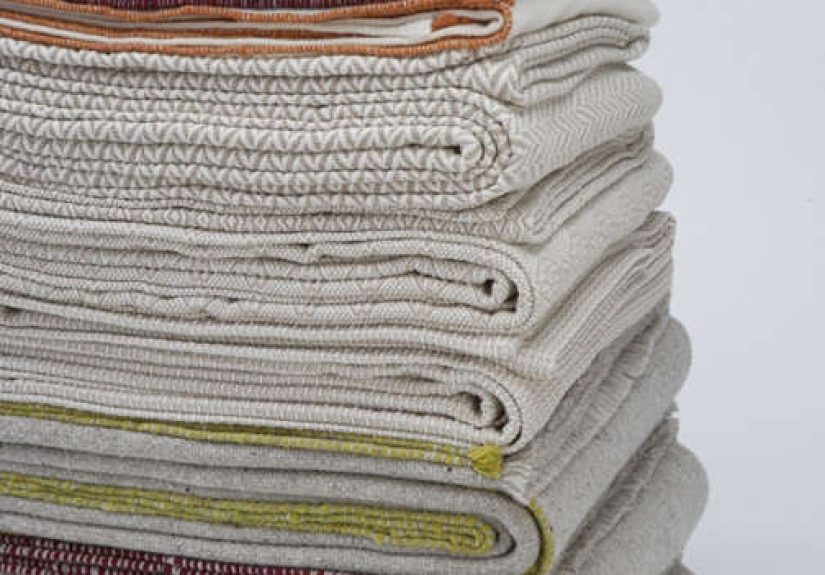
The most talked-about Anichini Portuguese blankets included styles such as Honeycomb and Chevron, both praised for their woven texture, neutral palette, and 100 percent cotton construction. These were not thick winter throws meant to trap you under the weight of a small sofa. They were lightweight cotton blankets designed to breathe, layer, wash, and work across seasons.
That matters because a good blanket should not be a one-season wonder. A Portuguese cotton blanket can sit over a sheet in spring, layer under a duvet in winter, or act as a casual coverlet in summer. It is the bedding equivalent of a crisp white shirt: quietly useful, endlessly adaptable, and much more powerful than it looks.
1. 100 Percent Cotton Comfort
Cotton remains one of the most loved natural fibers for bedding because it is breathable, washable, and comfortable against the skin. In blanket form, cotton gives structure without stiffness and softness without the fuzzy heat of wool or synthetics. For sleepers who overheat, a cotton blanket can be the difference between “restful night” and “why am I fighting my bedding at 3 a.m.?”
Anichini’s Portuguese cotton blankets were valued because they used cotton in a way that felt substantial but not heavy. The weave added dimension, while the fiber kept the blanket approachable for everyday use. That balance is central to luxury linens: true luxury should not require a staff meeting before laundry day.
2. Woven Texture That Works Like Decor
The Honeycomb style was admired for its small geometric texture, while the Chevron blanket brought a classic zigzag pattern into a soft, neutral home textile. These patterns are important because they add visual interest without shouting. A textured white or natural cotton blanket can make a bed look layered even when the rest of the room is minimal.
In interior design, texture often does the quiet heavy lifting. Paint gives color, furniture gives shape, but textiles give a room its mood. A Portuguese woven blanket can soften a modern platform bed, warm up a farmhouse room, or make a guest bedroom feel intentional instead of “we had an extra mattress and dreams.”
3. Washability Without Losing Its Charm
A beautiful blanket that cannot be washed is a decorative hostage situation. Anichini’s Portuguese cotton blankets stood out because they were described as durable and washable. That is a practical blessing for real homes, especially homes with pets, kids, snacks in bed, or adults who behave suspiciously like all three.
Washability also supports longevity. A blanket that can be cleaned properly is more likely to stay in use, which makes it a smarter investment than a delicate textile that spends its life being admired from a safe distance.
Why Portugal Is So Important in Home Textiles
Portugal has a deep textile tradition, especially in northern regions known for weaving, manufacturing, and home linens. The country’s textile industry has earned a reputation for combining old-world skill with modern production standards. Portuguese factories are often associated with bedding, towels, table linens, cotton fabrics, and premium home goods used by brands around the world.
That background helps explain why Anichini would look to Portugal for cotton blankets. The best Portuguese home textiles are not about novelty; they are about refinement. The stitching, yarn quality, finishing, and weave structure all matter. A blanket may look simple from across the room, but up close, the difference between “basic” and “beautiful” is in the details.
Portuguese Cotton Weaving: Practical Beauty
Cotton weaving in Portugal has historically served both utility and beauty. Traditional Portuguese blankets were made to be used, not just displayed. That functional mindset still matters today. A well-made cotton blanket should be soft enough for sleep, strong enough for regular laundering, and attractive enough to leave on the bed when guests arrive.
Anichini’s Portuguese blankets fit into that tradition. They were not overly ornate, but they had enough pattern and texture to feel designed. They could live in a coastal bedroom, a city apartment, a mountain cabin, or a linen closet curated by someone who alphabetizes pillowcases for fun.
Anichini’s Design Philosophy: “The Genuine Article”
Anichini is not simply a bedding retailer. The brand’s identity is built around the search for authentic textiles, artisanal techniques, and heirloom-quality materials. Susan Dollenmaier has often framed Anichini products as “heirlooms of tomorrow,” which is a useful way to understand the brand’s appeal. These are pieces intended to outlast trend cycles.
That philosophy shows up in the way Anichini chooses fabrics. Instead of chasing fast seasonal looks, the brand tends to favor textiles with history: linen, cotton, silk, wool, brocade, matelassé, velvet, and hand-finished decorative fabrics. The Portuguese cotton blanket fits naturally into this world because it is humble and elevated at once.
Luxury That Does Not Need to Be Loud
Not every luxury item announces itself with shine, logos, or drama. Some simply feel better, age better, and make the room look quietly expensive. An Anichini Portuguese blanket belongs to that second category. It is not the kind of piece guests point at and ask, “What is that?” It is the kind of piece that makes them say, “This room feels amazing.”
That is the magic of quality fabrics and linens. They change the experience of a space without demanding attention. They make ordinary routinesmaking the bed, reading under a throw, folding laundryfeel slightly more civilized.
How to Style Anichini Portuguese Blankets
A Portuguese cotton blanket is one of the easiest bedding pieces to style because it is both practical and decorative. The key is to let the texture show. Do not bury it under too many competing layers. Give it room to breathe, visually and literally.
Use It as a Coverlet
One of the best uses for a lightweight cotton blanket is as a coverlet. Spread it over the entire bed for a tailored look, then fold the top sheet over it for a hotel-inspired finish. This approach works especially well in warmer climates or during transitional seasons when a heavy comforter feels like overkill.
Layer It at the Foot of the Bed
For a more relaxed look, fold the blanket lengthwise and place it across the foot of the bed. This adds texture and gives sleepers an extra layer without making the bed look fussy. A honeycomb or chevron texture works beautifully here because the pattern catches light and creates depth.
Pair It With Linen Sheets
Cotton blankets and linen sheets are natural friends. Linen brings rumple and breathability; cotton brings softness and structure. Together, they create a bed that looks relaxed but intentional. Add a few oversized pillows, and suddenly your bedroom looks like it was styled by someone who owns excellent coffee beans.
Use It Beyond the Bedroom
Although these blankets were designed for bedding, they can also work on a sofa, reading chair, daybed, or porch bench. A neutral cotton blanket can soften leather upholstery, add warmth to wood furniture, or make a casual living room feel more layered. Just be warned: once a good blanket enters the living room, the dog may assume it has been purchased specifically for royal canine lounging.
What to Look for in a Portuguese Cotton Blanket
If you are shopping for a blanket inspired by Anichini’s Portuguese pieces, look beyond the product photo. A beautiful image can sell almost anything, including a blanket that feels like a bath mat with ambition. Instead, pay attention to material, weave, finishing, size, and care instructions.
Material
Choose natural fibers whenever possible, especially 100 percent cotton if breathability and washability are priorities. Cotton blends can still be practical, but pure cotton usually offers a classic feel and easy seasonal versatility.
Weave
Honeycomb, waffle, herringbone, chevron, and matelassé-inspired textures all add dimension. Tighter weaves may feel smoother and more structured, while looser weaves can feel softer and more casual. The best option depends on whether you want the blanket to act as a bedspread, throw, or layering piece.
Weight
A lightweight blanket is ideal for layering and warm weather. A midweight blanket offers more coverage and can replace a quilt in some climates. For year-round use, choose a blanket that is substantial enough to drape nicely but not so heavy that laundering becomes a gym workout.
Color
Neutral shades such as white, ivory, natural, oatmeal, gray, and soft beige are the safest choices for long-term styling. They blend with changing bedding and wall colors. If you prefer color, muted blues, terracotta, olive, and clay tones pair beautifully with Portuguese and Mediterranean-inspired interiors.
How to Care for Cotton Portuguese Blankets
Always follow the care label first. That little tag may not be glamorous, but it knows things. In general, woven cotton blankets do best with cool or warm water, mild detergent, and gentle cycles. Avoid harsh bleach, overcrowding the washer, and high heat drying, which can weaken fibers or encourage shrinkage.
Wash the blanket by itself or with similar soft textiles to reduce snagging. Items with zippers, hooks, or rough buttons can catch on the weave. Dry on low heat or air dry when possible. If the blanket produces lint during early washes, clean the lint trap more than once during drying. This helps the fibers settle and keeps the blanket looking fresh.
For storage, fold cotton blankets clean and completely dry. Store them in a breathable cotton bag or linen closet rather than airtight plastic. Natural fibers prefer airflow, and your future self will appreciate opening the closet to a fresh blanket instead of a mystery textile with the personality of a basement.
Are Anichini Portuguese Blankets Worth It?
For design-conscious buyers, the answer depends on what you value. If you want the cheapest possible blanket, Anichini is not the lane. If you want a textile with craftsmanship, history, and a refined look, Anichini’s approach makes sense. The brand’s Portuguese cotton blankets were appreciated because they were useful luxury: washable, durable, attractive, and versatile.
It is also worth noting that some specific Anichini Portuguese blanket styles, including archived Honeycomb and Chevron listings, may no longer be available through current retail channels. That does not make them irrelevant. In fact, it makes them good reference points for what to look for in a high-quality cotton blanket: natural fiber, woven texture, restrained design, and practical care.
Decorating Ideas Inspired by Anichini Portuguese Blankets
If you love the look of these blankets, you can bring the same spirit into your home even if a specific discontinued style is hard to find. Focus on natural fibers, tactile layers, and quiet patterns.
The Minimalist Bedroom
Pair a white cotton blanket with white percale sheets, a natural linen duvet folded at the end, and one textured lumbar pillow. The result is clean but not cold. Texture keeps the room from looking like a very polite hospital.
The Coastal Guest Room
Use a natural cotton blanket over pale blue or striped sheets. Add woven baskets, a ceramic lamp, and light wood furniture. The Portuguese textile influence works beautifully with coastal design because both value ease, airiness, and tactile materials.
The Old-World Modern Room
Layer a chevron or honeycomb-style cotton blanket with dark wood furniture, antique art, and linen curtains. This mix gives a bedroom character without making it feel like a museum where nobody is allowed to sit down.
Experience Notes: Living With a Portuguese Cotton Blanket
The first thing you notice about a well-made Portuguese cotton blanket is that it does not try too hard. It does not have the plush drama of faux fur or the slippery coolness of satin. Instead, it has a grounded, familiar hand feelthe kind of texture that makes you want to smooth it over the bed twice, not because you must, but because it is satisfying.
In everyday use, this is exactly why the Anichini Portuguese blanket idea works so well. It is not a special-occasion textile. It is the piece you reach for when the air conditioner is enthusiastic, when the duvet is too warm, or when you want the bed to look finished without building a twelve-layer bedding lasagna. A cotton blanket can sit directly over the top sheet and feel crisp, or it can be folded under a quilt for extra warmth. It behaves. That alone deserves applause.
One of the best experiences is using a cotton blanket as a summer bedspread. On warm nights, a heavy comforter can feel like a personal betrayal. A woven cotton blanket gives just enough coverage to feel cozy without turning sleep into a sauna experiment. In the morning, it still looks neat. The texture hides minor wrinkles, which is excellent news for anyone who believes ironing bedding is a cry for help.
The living room is another natural habitat. Fold a Portuguese-style cotton blanket over the back of a sofa, and suddenly the room feels softer. It invites use. People actually pick it up. They wrap it around their shoulders while reading, pull it over their knees during a movie, or drag it to the porch with a cup of coffee. Good textiles become part of daily rituals, and that is where their value really shows.
There is also a sensory pleasure in cotton that synthetic throws rarely match. Cotton breathes. It has a dry, honest softness rather than a slippery or overly fluffy feel. It gets better with use, especially when washed properly. Over time, the blanket becomes less like a purchase and more like household infrastructure: always there, always useful, quietly improving the mood of the room.
Guests tend to notice these things even when they do not name them. They may not say, “What a fine Portuguese cotton weave.” They are more likely to say, “This bed is so comfortable,” or “Where did you get this blanket?” That is the highest compliment for fabrics and linens. The textile disappears into the experience, but the comfort remains memorable.
For families, the best part is practicality. A washable cotton blanket can survive real life: weekend naps, coffee near the bed, children building forts, and pets conducting unauthorized softness inspections. It can look elegant in the morning and still be useful by evening. That flexibility is what separates a decorative textile from a beloved one.
The Anichini Portuguese blanket story is ultimately about choosing better basics. Not louder basics. Not trendier basics. Better ones. A blanket with good fiber, thoughtful weaving, and timeless texture can outlast entire decorating moods. It can move from bedroom to sofa, from city apartment to country house, from everyday use to guest-ready polish. That is the quiet genius of this kind of fabric: it does not demand a lifestyle. It simply improves the one you already have.
Conclusion
Anichini Portuguese blankets represent the best kind of home luxury: beautiful enough to admire, durable enough to use, and simple enough to fit into almost any room. Their appeal comes from natural cotton, Portuguese weaving heritage, Anichini’s global textile eye, and the rare practicality of a blanket that can serve as bedding, coverlet, throw, and design layer.
Whether you are collecting Anichini linens, hunting for vintage Portuguese cotton blankets, or simply upgrading your bedding with a more thoughtful textile, the lesson is the same: fabric matters. A well-made blanket changes how a room feels and how you live in it. It is comfort, craft, and decor all folded into one useful square of everyday joy.
Note: This article is based on real product history, brand information, and textile-care knowledge. Some historic Anichini Portuguese blanket styles mentioned in older design catalogs may be discontinued, so readers should verify current availability before purchasing.