Table of Contents >> Show >> Hide
- What Makes Les Indiennes So Appealing?
- What Is Ikat, Exactly?
- The Historical Thread: From Indian Cottons to French Indiennes
- Les Indiennes and Ikat: A Smart Distinction
- Why Designers Love Ikat in Linens and Interiors
- How to Use Les Indiennes Ikat Prints at Home
- What Colors Work Best?
- Care, Quality, and What to Expect
- Are Les Indiennes Ikat Prints Still in Style?
- Final Thoughts
- Experience: Living With Les Indiennes Ikat Prints
- SEO Tags
If the phrase Les Indiennes ikat prints sounds a little like a passport stamp and a little like a decorator’s dream, that is because it sits at the crossroads of several beloved textile traditions. On one side, you have indiennes: printed cottons tied to India’s enormous influence on European taste. On the other, you have ikat: those glorious, slightly blurred patterns that look as if geometry had a romantic weekend getaway. Put them together, and you get a look that feels worldly, storied, handmade, and surprisingly livable.
That combination is exactly why conversations around Les Indiennes fabrics and linens remain so compelling. The brand is best known for soft, hand-finished cotton textiles with natural dyes, generous motifs, and a lived-in elegance that feels less “showroom perfection” and more “beautifully collected house where someone actually reads novels on the sofa.” And yet the phrase Les Indiennes ikat prints has its own design-life because the company has also been associated with handmade ikat fabrics, making it a fascinating case study in how heritage textiles move between fashion, craft, and interiors.
What Makes Les Indiennes So Appealing?
Part of the magic is that Les Indiennes does not chase a sterile, machine-perfect look. Its identity is rooted in handmade cotton textiles, natural dyes, and artisan production in India. That matters because hand processes leave behind evidence of the hand: tiny shifts in tone, softened edges, and the kind of subtle irregularity that designers politely call “character” and sensible homeowners call “thank goodness, this room has a pulse.”
Les Indiennes textiles are the sort of fabrics that age gracefully. They feel soft rather than stiff, decorative rather than precious, and artisanal rather than aggressively branded. In an era when so many interiors risk looking algorithm-approved, this kind of fabric reintroduces warmth, texture, and memory.
Another reason for the brand’s appeal is versatility. These fabrics work beautifully as pillows, curtains, bedding, table linens, shower curtains, upholstery accents, and wall hangings. They can settle into a cottage, sharpen up a classic townhouse, or loosen the collar of a very proper room. They are one of those rare textile categories that can look equally convincing beside an antique chest, a modern lamp, or a wicker chair that has seen more summers than you have.
What Is Ikat, Exactly?
Before we talk about decorating with it, we need to talk about the craft itself. Ikat is not just a pattern style. It is a technique. In traditional ikat, yarns are bound and resist-dyed before they are woven. That means the pattern is planned in the threads themselves, not simply printed on top of a finished cloth. When those dyed threads are woven together, they create the signature feathered or softly blurred edges that make ikat instantly recognizable.
This blurred effect is the whole charm. It gives ikat movement. A stripe looks less rigid. A diamond feels less bossy. A geometric motif seems to breathe instead of standing at attention like it is waiting for inspection. That is why ikat fabrics for interiors can do something many crisp prints cannot: add pattern without adding visual tension.
There are several forms of ikat, including warp ikat, weft ikat, and double ikat. Warp ikat is the most common, while double ikat is famously difficult because both warp and weft yarns are resist-dyed in advance. In practical decorating terms, that labor shows up as depth. Even when an ikat feels simple from across the room, it often becomes richer the closer you get.
The Historical Thread: From Indian Cottons to French Indiennes
To understand why the phrase Les Indiennes ikat prints is so evocative, it helps to know a little textile history. For centuries, Indian textiles were admired across global trade networks for their beauty, color, and craftsmanship. Europe fell hard for them. Eventually, the French term indiennes became associated with printed cotton textiles inspired by Indian originals and, later, with European interpretations of those imports.
That history matters because it explains why the word “indiennes” still carries a sense of travel, adaptation, and layered influence. It is not just a decorative label. It signals a longer conversation between India and Europe, between handcraft and commerce, between original techniques and reinterpretation. When you add ikat prints to that conversation, you get an even richer textile story: one built not only on print history, but on resist-dyed weaving traditions that span India, Indonesia, Japan, Central Asia, and beyond.
In other words, this is not a passing fling between pattern categories. It is a genuinely meaningful intersection of textile languages.
Les Indiennes and Ikat: A Smart Distinction
Here is where a little clarity helps. Les Indiennes is widely recognized for hand block-printed cottons and kalamkari-influenced production. That is central to the brand’s identity. At the same time, the design world has also connected the brand with handmade ikat fabrics, including a much-noted ikat offering that helped cement the phrase “Les Indiennes ikat prints” in decorating coverage.
So the best way to think about it is this: Les Indiennes lives comfortably in the broader universe of artisan textiles where block print, natural dye, heritage cotton, and ikat all speak to one another. The brand may not be reducible to ikat alone, but ikat absolutely helps explain its appeal. Both share the same emotional vocabulary: handcrafted beauty, softened edges, and a preference for depth over slickness.
Why Designers Love Ikat in Linens and Interiors
1. It softens structure.
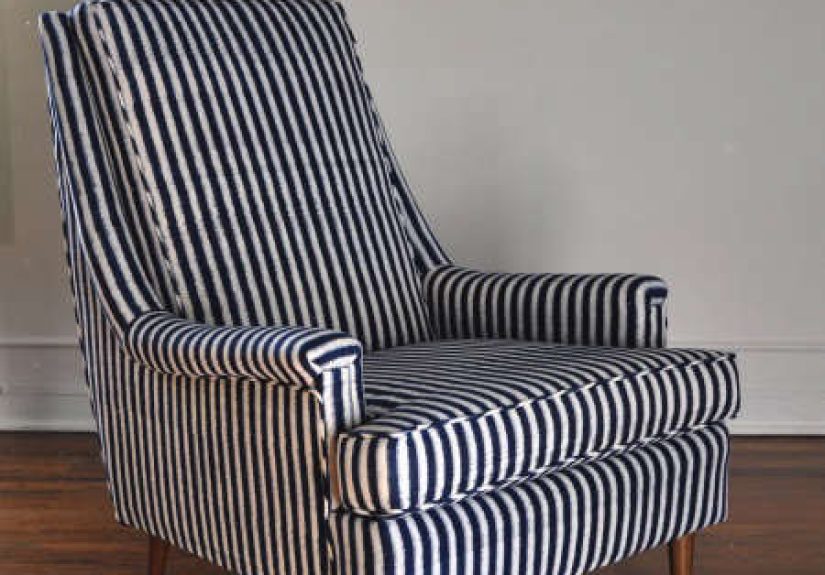
Rooms need rhythm, but they do not need to bark commands. Ikat introduces order without stiffness. A bed dressed in ikat-accented linens feels composed but not uptight. A chair upholstered in an ikat stripe feels tailored with a wink.
2. It layers beautifully with other patterns.
One of ikat’s secret powers is that it mixes well. Because the edges are visually softened, it can sit next to florals, checks, stripes, paisleys, or solids without causing a domestic crisis. This makes Les Indiennes-style decorating especially flexible for layered interiors.
3. It brings history into a room without looking museum-ish.
People want heritage, but they do not necessarily want their guest room to feel like a velvet rope should be involved. Ikat offers historical credibility with modern ease. It looks rooted, not dusty.
4. It suits multiple scales.
A small ikat can read as texture from a distance. A large-scale ikat can become the star of the room. That is useful when you are building a space through fabrics and linens rather than expensive architectural changes.
How to Use Les Indiennes Ikat Prints at Home
Start with pillows if you are pattern-shy.
A pair of ikat pillows can transform an otherwise polite sofa into something with actual opinions. Choose one dominant color from the room, then let the ikat introduce one or two supporting shades. Suddenly the space looks intentional instead of accidentally beige.
Use curtains when you want drama without heaviness.
Ikat curtains are especially effective because the pattern’s blur plays beautifully with light. Morning sun softens the motif even further, and the fabric feels dynamic throughout the day. If you are using naturally dyed cottons, lining curtains is smart both for longevity and for better drape.
Bring ikat to the table.
Table linens are an underrated way to use heritage textiles. Napkins, runners, and tablecloths in ikat-inspired motifs add warmth and movement without requiring a full redesign. They also make casual dinners feel charmingly overqualified.
Try a single upholstered piece.
A bench, ottoman, or side chair in ikat is often more effective than covering an entire room in it. The pattern gets to shine, and your guests get to admire your taste without needing sunglasses.
Mix with quiet companions.
Pair ikat with linen, matelassé, painted wood, natural rattan, antique brass, or lightly washed walls. The goal is contrast in texture, not competition in volume. Let the fabric do the storytelling while the rest of the room provides a good listening face.
What Colors Work Best?
Much of the enduring charm of Les Indiennes linens and fabrics comes from color. Natural-dye palettes tend to feel deeper and more habitable than many synthetic brights. Think indigo, olive, madder red, gold, French gray, earthy browns, and soft neutrals. These shades are expressive without being loud, which is part of why they work so well in bedrooms and sitting rooms.
If you want a classic look, pair indigo ikat with white bedding or pale walls. If you want something warmer, use madder red or olive with natural wood and cream upholstery. If you want the room to feel collected over time, mix several muted tones instead of choosing one dominant accent color and shouting it from every cushion.
Care, Quality, and What to Expect
Handmade textiles ask a little more of you, but they also give more back. Expect slight variation. Expect softness. Expect the occasional irregularity. Those are not defects; they are evidence that a human being, not a machine with a superiority complex, made the fabric.
With natural dyes, some care is wise. Wash gently, especially early on. Avoid harsh treatment. Keep strong sun exposure in mind. And if you are using these fabrics for drapery or heirloom-style linens, a little caution goes a long way. Handmade textiles reward the owner who understands that beauty and durability can absolutely coexist, but neither benefits from neglect disguised as “low maintenance.”
Are Les Indiennes Ikat Prints Still in Style?
Very much so, but that is almost the wrong question. Ikat never really vanishes; it simply changes volume. Some years it whispers through a lampshade or a pair of pillows. Other years it storms back in through tents, curtains, wall coverings, and fashion. What keeps it relevant is not trend alone, but adaptability. Heritage prints continue to appeal because they bring texture, memory, and a sense of place to increasingly polished interiors.
That is why Les Indiennes ikat prints feel current even when their roots are ancient. They satisfy the modern appetite for authenticity, but they also solve a practical design problem: how to make a room feel layered, personal, and alive. They do not just decorate. They humanize.
Final Thoughts
At its best, the world of Fabrics & Linens: Les Indiennes Ikat Prints is not about chasing a single look. It is about honoring textile traditions that value process, touch, and time. It is about the romance of Indian cottons, the visual poetry of ikat’s blurred edges, and the quiet luxury of fabrics that get better when they are actually used.
If you love rooms that feel polished but not pretentious, collected but not cluttered, artisanal but not costume-y, this category deserves your attention. A good ikat does not merely fill space. It brings motion, memory, and just enough imperfection to remind you that beauty is often more convincing when it is handmade.
Experience: Living With Les Indiennes Ikat Prints
Living with textiles like these is very different from living with a fabric that only looks good in a product shot. The experience is sensory from the start. You notice the hand first: the softness of the cotton, the slight texture in the weave, the way the pattern feels settled into the cloth rather than stamped on top of it. A Les Indiennes-style ikat pillow does not sit on a chair like an accessory waiting to be admired. It slouches a little, catches the light differently throughout the day, and gradually becomes part of the room’s personality.
In the morning, these fabrics often look quieter. The blurred edges seem gentler in soft daylight, and the natural colors feel calm and grounded. By late afternoon, the same textile can appear warmer and more dimensional, especially in indigo, olive, or madder tones. That is one of the underrated pleasures of heritage textiles: they are visually active without being loud. They change with the room. They respond to weather, season, and surrounding color. They are not static.
There is also an emotional side to using them. A bedroom layered with ikat-accented linens can feel more inviting than one built entirely around crisp hotel-style basics. A dining table with hand-finished napkins feels more generous, even before the food arrives. A reading chair upholstered in a softened geometric stripe somehow makes the whole corner feel established, as if the room has a backstory. These are small shifts, but they add up.
Another experience people often notice is how easy these fabrics are to mix into real life. They are decorative, yes, but they are not so formal that you become afraid to touch them. They work in homes with books, dogs, children, houseguests, and half-finished cups of tea. In fact, they often look better when surrounded by everyday life. The collected look they create depends on use. A perfectly untouched heritage textile can be beautiful, but one that has settled into the rhythms of a house becomes convincing.
Even the imperfections contribute to the experience. Slight shifts in print, softened edges, and tonal variation all make the fabric feel more personal. Instead of reading as flawed, it reads as alive. In a world full of flat, digitally perfect surfaces, that can feel oddly luxurious. You are not just buying pattern; you are buying evidence of process. And that, ultimately, is what makes Les Indiennes ikat prints so memorable. They do more than decorate a room. They make it feel inhabited, storied, and unmistakably human.