Table of Contents >> Show >> Hide
- What Makes a Great Falafel Salad?
- Falafel Salad Recipe Ingredients
- Step-by-Step: How to Make Falafel for Salad
- Make the Lemon-Tahini Dressing
- Assemble the Falafel Salad
- Falafel Salad Variations (Because You Deserve Options)
- Troubleshooting: Common Falafel Problems (And Fixes)
- Meal Prep & Storage (So Your Salad Stays Awesome)
- Conclusion: Your New Go-To Falafel Salad
- Experiences Related to This Falafel Salad Recipe (The Real-Life Part)
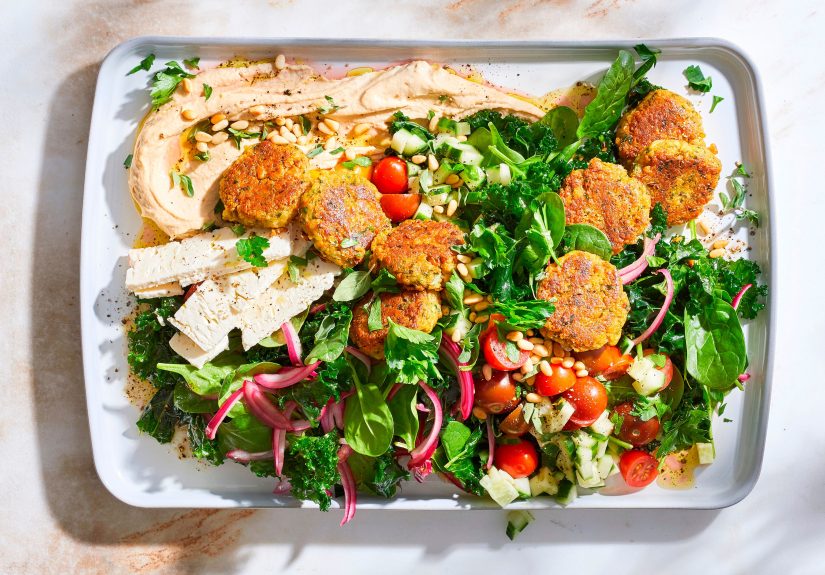
Falafel salad is what happens when a crunchy, herby, garlicky chickpea fritter decides it wants to live its best life
on a bed of greens instead of being crammed into a pita like it’s late for a meeting. You get all the bold Middle Eastern
flavorscumin, coriander, fresh herbs, lemonplus the freshness and crunch of a big salad. It’s bright, filling, and
honestly kind of smug in the best way: “Yes, I am delicious and I have vegetables.”
This recipe gives you two paths:
(1) the classic falafel route using soaked dried chickpeas for the fluffiest texture and best flavor, and
(2) a weeknight shortcut if you’re not trying to plan your life 24 hours in advance. We’ll also build a
salad that doesn’t go soggy the second you look away, and we’ll finish with a lemon-tahini dressing that tastes like it
belongs in a restaurant that spells “lemon” with an accent mark.
What Makes a Great Falafel Salad?
A truly great falafel salad is about balance: hot + cool, crunchy + creamy, bright + savory. Here’s the magic formula:
- Crispy falafel (freshly cooked or reheated properly)
- Crunchy vegetables (cucumber, radish, bell pepper, onion)
- Something juicy (tomatoes, chopped Persian cucumbers, or citrus segments)
- Something briny (pickled onions, olives, or pickled turnips)
- Fresh herbs (parsley, mint, dillchoose your heroes)
- A creamy dressing (lemon-tahini is the classic power move)
- Optional upgrades: feta, hummus, roasted veggies, pita chips, or a scoop of grains
Falafel Salad Recipe Ingredients
For the Falafel (Classic Soaked-Chickpea Version)
- 1 cup dried chickpeas (NOT canned), rinsed
- Water for soaking
- 1/2 small onion, roughly chopped
- 3 cloves garlic
- 1 packed cup fresh parsley (leaves and tender stems)
- 1/2 packed cup fresh cilantro (optional, but highly encouraged)
- 1 1/2 tsp ground cumin
- 1 tsp ground coriander
- 1/4 tsp cayenne (optional)
- 1 1/4 tsp kosher salt (start here; adjust after cooking a tester)
- 1/2 tsp baking soda (optional, helps browning and lightness)
- 1–2 tbsp all-purpose flour or chickpea flour (optional, only if needed for binding)
- Neutral oil for frying/pan-frying (or olive oil spray for baking/air frying)
Weeknight Shortcut Falafel (If You Forgot to Soak)
Traditionalists may clutch their pearls, but you can make a satisfying “falafel-style” patty using canned chickpeas.
The texture is usually denser and you often need a binder (breadcrumbs/flour/egg). If you do this, treat it as a
delicious chickpea fritter that’s falafel-adjacent.
- 2 cans chickpeas, drained and patted dry very well
- Same aromatics/spices/herbs as above
- 2–4 tbsp flour or breadcrumbs (plus more as needed)
- Optional: 1 egg (helps bind; skip if vegan)
For the Salad
- 6–8 cups chopped romaine, little gem, or mixed greens
- 1 cup chopped cucumber
- 1–2 cups cherry tomatoes, halved
- 1/2 cup thinly sliced red onion (or quick-pickled onion)
- 1 cup sliced radishes or diced bell pepper
- 1/3 cup chopped parsley and/or mint
- Optional: 1/2 cup crumbled feta, olives, or pickled turnips
- Optional crunch: toasted pita chips or sesame seeds
Lemon-Tahini Dressing (Creamy, Bright, and Slightly Addictive)
- 1/2 cup tahini
- 1/4 cup fresh lemon juice (about 2 lemons)
- 1–2 cloves garlic, finely grated
- 3–6 tbsp water (to thin)
- 2 tbsp olive oil
- 1 tbsp maple syrup or honey (optional, balances bitterness)
- 3/4 tsp kosher salt, plus more to taste
- Optional: pinch of cumin or smoked paprika
Step-by-Step: How to Make Falafel for Salad
Step 1: Soak the Chickpeas (Classic Route)
Put dried chickpeas in a large bowl and cover with several inches of water (they expand a lotlike your weekend plans).
Soak 8–24 hours at room temperature. Drain well and pat dry. This “soaked but not cooked” approach is the key to falafel
that holds together and stays fluffy inside.
Step 2: Make the Falafel Mixture
-
Add drained chickpeas, onion, garlic, parsley, cilantro (if using), spices, salt, and baking soda (if using) to a food
processor. -
Pulse until you get a coarse, sandy mixture that holds together when you squeeze itthink “wet beach sand,” not
“smooth hummus.” -
If it looks too wet, pulse a bit more and let it rest. If it seems too crumbly to shape, add 1 tablespoon of flour at
a time (often you won’t need it with soaked chickpeas). -
Transfer to a bowl, cover, and refrigerate 30–60 minutes. This rest helps hydration and shaping, and it’s also a great
time to chop salad veggies and feel extremely competent.
Step 3: Shape
Scoop 1 1/2 to 2 tablespoons of mixture and form into small balls or thick patties. Patties are easier for pan-frying
and baking; balls are classic for deep frying. Either way: don’t pack them like snowballsgentle shaping keeps the
interior tender.
Step 4: Cook the Falafel (Choose Your Method)
Method A: Deep Fry (Crispiest, Most Classic)
- Heat 2–3 inches of neutral oil in a pot to about 350–375°F.
- Fry in batches, 2–4 minutes, until deep golden brown and crisp.
- Drain on a rack or paper towels and sprinkle with a pinch of salt.
Deep frying gives you the signature shattering crust. If you’re making falafel for a salad, this is the method that
keeps it crisp even after dressing enters the chat.
Method B: Pan-Fry (Less Oil, Still Crunchy)
- Heat a generous layer of oil in a skillet over medium-high heat.
- Cook patties 2–3 minutes per side until browned and crisp.
- Drain and salt lightly.
Method C: Bake (Easiest, Most “Tuesday Night”)
- Heat oven to 375°F.
- Place patties on a well-oiled sheet pan or parchment. Brush or spray tops with oil.
- Bake 12–15 minutes, flip, then bake 10–12 minutes more until browned.
Baked falafel can skew a little drier, so don’t skip the oil and don’t overbake. If you want baked falafel that doesn’t
taste like regret, keep them slightly thicker and serve with a generous dressing.
Method D: Air Fry (Fast, Crispy-ISH, Very Convenient)
- Preheat air fryer to 375°F if your model requires it.
- Spray basket and falafel lightly with oil.
- Air fry 10–14 minutes, turning halfway, until browned and crisp.
Make the Lemon-Tahini Dressing
- Whisk tahini, lemon juice, garlic, olive oil, sweetener (if using), and salt.
- Add water 1 tablespoon at a time until it becomes creamy and pourable.
- Taste and adjust: more lemon for brightness, more salt for pop, more water to thin.
Pro tip: tahini can seize when lemon hits it (dramatic, honestly). Keep whisking and add water slowlyit smooths out
into a creamy dressing.
Assemble the Falafel Salad
- In a large bowl, toss greens with a few spoonfuls of dressing (start lightyou can always add more).
- Add cucumber, tomatoes, radishes/bell pepper, onion, and herbs.
- Top with warm falafel.
- Finish with feta/olives/pickles if using, plus another drizzle of dressing.
- Add pita chips right before eating so they stay crunchy.
Falafel Salad Variations (Because You Deserve Options)
1) Mediterranean Falafel Salad Bowl
Add feta, Kalamata olives, diced roasted red peppers, and a sprinkle of oregano. Bonus: a dollop of hummus becomes an
“extra creamy dressing situation.”
2) Israeli-Style Crunch & Herbs
Go heavy on chopped parsley and mint, add sliced cucumbers and tomatoes, plus quick-pickled onions. Serve with tahini
and a little amba-style tang if you have it.
3) High-Protein Falafel Salad
Add a scoop of quinoa or farro, extra chickpeas, and a yogurt-tahini dressing (tahini + Greek yogurt + lemon + garlic).
It eats like a full meal because it is.
4) Spicy Falafel Salad
Add harissa to the dressing or sprinkle with Aleppo pepper. Throw in sliced jalapeños if you like living boldly.
5) Gluten-Free Falafel Salad
Skip breadcrumbs. If you need a binder, use chickpea flour. Serve with rice or potatoes instead of pita chips.
Troubleshooting: Common Falafel Problems (And Fixes)
My falafel fell apart in the oil
- Cause: mixture too wet, too smooth, or not rested.
- Fix: pulse to a coarser texture, chill 30–60 minutes, add 1 tbsp flour if needed, and avoid overcrowding the pan.
My falafel is dense
- Cause: mixture over-processed into a paste, or canned chickpeas used.
- Fix: pulse less, aim for sandy texture, and consider soaked dried chickpeas next time for lighter results.
My baked falafel is dry
- Cause: too lean, too thin, or baked too long.
- Fix: make thicker patties, oil the pan and tops well, and pull them when browned (not when “desert-like”).
Meal Prep & Storage (So Your Salad Stays Awesome)
Falafel salad can be meal-prep friendly, but the key is keeping wet things away from crunchy things until the last
moment. Think of it like a sitcom couple: they’re happiest when they have their own space.
How to Prep Ahead
- Falafel mixture: make and refrigerate up to a day ahead; shape and cook when ready.
- Cooked falafel: cool, refrigerate, and re-crisp in oven/air fryer before serving.
- Dressing: keeps well in the fridge; whisk in water if it thickens.
- Salad: chop veggies ahead; store greens separately and dry to prevent wilting.
Food Safety Notes
As a general rule, refrigerate leftovers promptly and eat most cooked leftovers within about 3–4 days. If you won’t
finish in time, freeze cooked falafel and reheat until hot and crisp.
Conclusion: Your New Go-To Falafel Salad
Falafel salad is the kind of meal that feels like it took serious effortyet it’s really just smart layering and a
dressing that does the heavy lifting. Make the falafel once (or twiceno judgment), keep a jar of lemon-tahini in the
fridge, and suddenly you’re the person who “just throws together” a restaurant-level lunch. The crunch, the herbs, the
creamy tangthis is the salad that convinces people they love salad.
Experiences Related to This Falafel Salad Recipe (The Real-Life Part)
The first time I made falafel salad, I learned a very important lesson: hot falafel + a big bowl of dressed greens =
salad sadness within minutes. I had tossed everything together like I was hosting a cooking show, set the bowl on the
table, and by the time I came back with forks, the romaine looked like it had been through a rough breakup. The flavor
was still great, but the crunch-to-wilt ratio was not living up to the hype. That’s when I started treating falafel
salad like a build-your-own situation: greens lightly dressed, vegetables crisp, and falafel added on top right before
eating. It sounds obvious now, but so does “don’t text your ex,” and yet here we are.
My second big “aha” was realizing how much the falafel texture depends on what you do before you even cook it.
When I used canned chickpeas early on, the mixture felt convenientbut the patties came out heavier and needed more
binder. They were tasty, but more like chickpea nuggets than the fluffy, herby falafel you dream about after scrolling
food photos at midnight. Once I switched to dried chickpeas soaked overnight, it was a different universe: lighter
inside, crispier outside, and somehow greener (thanks to all the herbs) in a way that made me feel like I was eating a
salad that could bench-press.
Another experience-driven tip: make one tiny “tester” falafel before you commit the whole batch. Fry or air-fry a
mini patty, taste it, and adjust the salt and spices. That little tester has saved me from bland falafel more times
than I want to admit. Chickpeas are mild, herbs vary, and salt is the difference between “this is fine” and “why is
everyone suddenly asking for the recipe?”
For dressing, I used to think lemon-tahini was just tahini plus lemon, and that was that. Then I had one that tasted
balancedbright, creamy, slightly sweet, and garlicky without being aggressiveand I realized the “secret” is simply
tasting as you go. Tahini can be pleasantly bitter; lemon can be sharp; garlic can go from “hello” to “I live here
now.” A spoonful of maple syrup (or honey) doesn’t make it sweetit makes it harmonious. And water is not an afterthought;
it’s how you control whether your dressing drizzles, coats, or turns into a paste that could patch drywall.
Finally, I started building falafel salad the way I build a good sandwich: with contrast. If the falafel is warm and
crunchy, the vegetables need to be cold and crisp. If the dressing is creamy, you want something briny (pickled onion,
olives, pickled turnips) to snap everything into focus. If you’re adding feta, you might skip extra salt. And if you’re
packing it for lunch, keep the dressing in a separate container and put the falafel on top so it stays crisp longer.
The end result is a salad that holds up, travels well, and still tastes like you went out to eatexcept you didn’t have
to pay $18 for it or listen to a playlist titled “Indie Lemon Vibes.”