Table of Contents >> Show >> Hide
- What the Falcon Fabricware Apron Is (and Why People Still Hunt for It)
- Design Details: Size, Colorways, and the “Classic Falcon” Look
- Why a Cotton-Linen Apron Is a Smart Choice
- What Makes a Great Apron (Beyond “It Covers Your Shirt”)
- How to Use the Falcon Fabricware Apron in Real Life
- Care and Cleaning: Keeping a Cotton-Linen Apron Looking Sharp
- Is It Worth Buying a Discontinued Apron?
- Comparable Alternatives If You Love the Look
- of Real-World Experiences with a Falcon-Style Cotton-Linen Apron
- Conclusion
Some kitchen tools earn their keep by doing one job brilliantly. A chef’s knife slices. A cast-iron skillet sears. And a really good apron? It saves your outfit from becoming an accidental “before” photo. The Falcon Fabricware Apron sits in that sweet spot where utility meets design: practical enough for messy weekday cooking, and handsome enough that you won’t feel like you’re wearing a tablecloth with strings.
If you already know Falcon for its iconic enamelware, the Fabricware apron feels like the brand’s quieter flex: a cotton-linen blend, woven with intention, made to soak up splashes and keep you comfortable when the stove is working overtime. And yesif your kitchen is the kind where tomato sauce can travel six feet through the air, you’ll appreciate an apron that takes the hit with dignity.
What the Falcon Fabricware Apron Is (and Why People Still Hunt for It)
The Falcon Fabricware Apron was part of Falcon Enamelware’s Fabricware lineupkitchen textiles designed to pair with the brand’s classic enamel colorways. The concept was simple: keep the same clean, timeless look, but translate it from enamel to cloth. The result was an apron made from a cotton and linen blend that’s described as durable and highly absorbent, woven in the UK.
One important note if you’re shopping: this apron has been listed as discontinued by at least one major design retailer, which means you’ll most often find it through leftover inventory, resale, or vintage-style marketplaces. That sounds dramatic, but it basically translates to: if you see one in the color you want, don’t do the thing where you “sleep on it” and wake up to regret. (Sleep is important. So is not losing your dream apron.)
Design Details: Size, Colorways, and the “Classic Falcon” Look
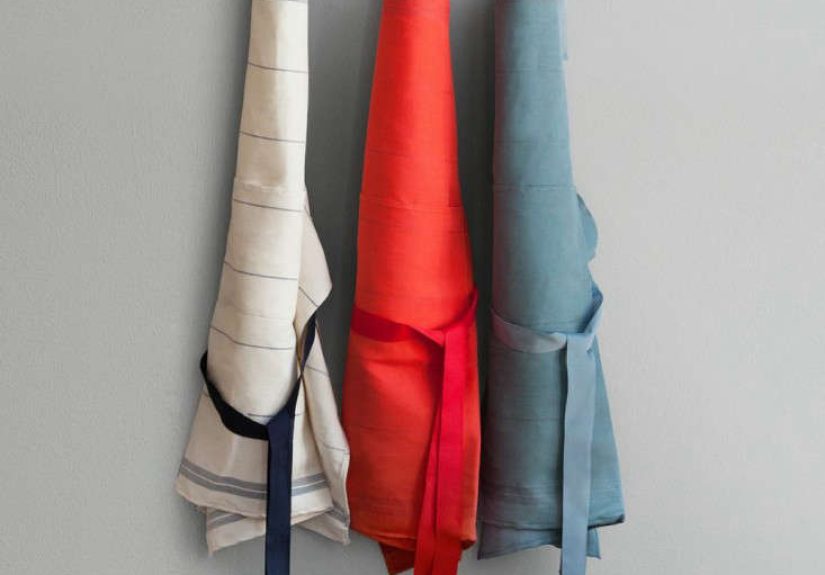
The Fabricware apron was offered in three understated, very Falcon color optionseach with stripes that keep the look crisp, graphic, and easy to match with the rest of your kitchen.
Available Colors
- White with blue stripes (the most “Falcon” of the bunch)
- Pillarbox red with red stripes (bold, cheerful, impossible to ignore)
- Pigeon grey with grey stripes (modern, calm, low-drama)
Dimensions
Listed sizing for the apron is approximately 87 cm long and 90 cm wide. In everyday terms, that’s a generous coverage areahelpful if you’re tall, if you like to wear lighter fabrics while cooking, or if you simply want to reduce your weekly laundry “surprise stain” count.
Why a Cotton-Linen Apron Is a Smart Choice
Aprons come in everything from thin cotton to heavy duck canvas to leather. So why choose a cotton-linen blend apron like Falcon’s? Because it’s a comfortable middle ground: lighter and more breathable than thick workwear, but still sturdy and absorbent.
1) Absorbency that actually helps
In real kitchens, most messes aren’t cinematic oil explosionsthey’re drips, splashes, damp hands, and the “oops” of wiping a spoon on the nearest fabric (which is usually you). Linen is known for absorbing moisture well, and blending it with cotton gives you a textile that handles spills without feeling stiff or scratchy.
2) Breathability for long cooking sessions
If you’ve ever sautéed something for 20 minutes and felt like you were wearing a portable sauna, you understand why breathable fabric matters. A cotton-linen apron is more likely to feel airy, especially compared with thick waxed canvas or leather.
3) Durability that gets better with use
Linen-based fabrics often soften over time with washing and wear. That “it feels better the more I use it” effect is exactly what you want in something you’ll reach for often. A good apron shouldn’t feel preciousit should feel like it belongs in the action.
What Makes a Great Apron (Beyond “It Covers Your Shirt”)
Food editors and test kitchens tend to agree on something refreshing: the best apron is the one you’ll actually wear. That usually means comfort, coverage, and features that match how you cook.
Coverage and fit
Look for enough length to protect your torso and thighs, and a fit that doesn’t tug on your neck or ride up when you move. Adjustable straps (common in many quality aprons) can make a big difference, especially for different heights and body types.
Pockets: nice-to-have, not mandatory
Some people want pockets for thermometers, tasting spoons, a phone timer, or the tiny tools that mysteriously become necessary mid-recipe. Others prefer a clean front with nothing to catch flour. If you’re comparing options, think about your habits: do you stash stuff while cooking, or do you keep everything on the counter?
Reality check: an apron protects clothes, not your skin
An apron is great at blocking stains and minor splatters from hitting your clothes, but it’s not protective equipment. If you’re frying or working with hot oil, keep the safety basics in mind: stable pans, controlled heat, and careful movement. Cute fabric is not heat-proof armor.
How to Use the Falcon Fabricware Apron in Real Life
The appeal of a textile like Falcon’s is versatility. It’s “kitchen apron” by name, but it works for any activity where you’d like to keep mess off your clothes and still look put-together.
Cooking and baking
- Weeknight cooking: protects against sauce splatters, oil droplets, and the classic “I leaned on the counter” smudge.
- Baking days: catches flour dust, butter fingerprints, and powdered sugar that somehow ends up everywhere.
- Hosting: lets you cook and serve without changing outfits mid-party.
Grilling and outdoor cooking
If you grill, you already know the universal truth: grease finds white shirts. A sturdy apron helps, especially for tasks like basting, flipping, and handling trays. (Pro tip: keep a designated “grill towel” nearby. Your apron will thank you.)
Beyond food: crafts, gardening, and DIY
A cotton-linen apron is also handy for painting, potting plants, repotting soil, or doing any messy project where you’d rather not sacrifice your clothes to the chaos. Think of it as a wearable “I came prepared” statement.
Care and Cleaning: Keeping a Cotton-Linen Apron Looking Sharp
A well-made apron should be easy to care for, but cotton-linen blends still benefit from smart laundering habitsmainly to minimize shrinkage and keep the fabric’s structure and color looking good.
Everyday washing (the sensible routine)
- Wash in cold water when possible, especially to preserve fit and color.
- Use a gentle or normal cycle depending on how soiled it is.
- Avoid chlorine bleach on linen blends, since it can affect color and fibers.
- Air-dry when you can to reduce shrink risk and extend fabric life.
Stain strategy: act fast, avoid heat
The biggest laundry mistake with aprons is heat-setting a stain in the dryer. If you can still see a mark after washing, skip the dryer and treat it again. Heat turns “maybe” stains into “forever” stains.
Grease stains (because butter is delicious and also clingy)
- Blot excess grease (don’t rub it deeper into the fibers).
- Use an absorbent like baking soda to pull oil outlet it sit, then brush off.
- Pre-treat with dish soap or liquid detergent, gently working it into the stain.
- Wash as usual following the care approach above, then air-dry and check.
Tomato sauce stains (the heartbreak of marinara)
- Rinse from the back with cold water to push the stain out rather than in.
- Work in liquid detergent or dish soap and rinse again.
- For stubborn stains, consider oxygen bleach (if the fabric and color allow it) and follow product directions.
Is It Worth Buying a Discontinued Apron?
If you love the Falcon aestheticthose clean stripes, those iconic color notesthe Fabricware apron has a collectible charm. But value isn’t just about rarity. It’s about whether it fits your real kitchen life.
It’s worth it if you want:
- Design consistency with a Falcon enamelware setup
- A breathable, absorbent fabric that feels lighter than heavy workwear
- Generous coverage for cooking, baking, and hosting
- A giftable “nice but useful” piece for someone who actually cooks
Maybe skip it if you want:
- Ultra-heavy duty protection for woodworking, metalwork, or heavy shop use
- Specialty features like extra-structured pockets, reinforced rivets, or thick waxed canvas
- Easy replacement (discontinued items can be harder to find later)
Comparable Alternatives If You Love the Look
If you can’t find the Falcon Fabricware Apronor you’d rather buy something currently in productionthere are strong alternatives that hit similar notes: classic stripes, quality fabric, and comfortable wearability.
Classic stripe and everyday kitchen aprons
Brands like Williams Sonoma often offer stripe aprons with adjustable straps and reliable coverage, which can feel similar in vibe: timeless, unfussy, and designed for actual cooking.
Cross-back comfort (neck relief)
If you dislike neck straps, cross-back aprons are popular because they distribute weight across your shoulders. Many cooks find they reach for these more often simply because they’re comfortable.
Heavier-duty picks
If you want something more rugged, heavy cotton duck or workwear-style aprons can handle tougher messes and frequent washing. These are especially popular for people who use their apron in the kitchen and the garage.
of Real-World Experiences with a Falcon-Style Cotton-Linen Apron
People who love cotton-linen aprons like the Falcon Fabricware tend to describe the same pattern of small, satisfying wins. First is the “I didn’t realize how much I needed this” momentusually five minutes into cooking. Maybe it’s a spoon that drips just as you turn to grab a spice jar, or a splash of simmering sauce that would have landed dead-center on your shirt. Instead, it hits the apron, you wipe it with a towel, and you keep going. It’s not glamorous, but it’s the kind of practicality that instantly feels smarter than pretending you’re a mess-free cook.
The second experience people mention is comfort. A cotton-linen blend tends to feel breathable during longer cooking sessionslike when you’re batch-cooking on Sunday, baking bread, or doing the “holiday meal marathon” where your kitchen becomes a command center. Aprons made from very thick fabrics can feel protective but warm; lighter blends feel less like armor and more like a uniform you can actually tolerate for hours. That comfort is often what turns an apron from “special occasion accessory” into “daily habit.”
Then there’s the absorbency factor. A surprising number of apron moments involve your hands: drying them quickly, wiping off flour, catching a drip from a washed herb bundle, or blotting a little water before you touch something hot. While you still want a proper kitchen towel, an apron that absorbs reasonably well can act like a helpful backupespecially when you’re moving fast and don’t want to leave wet fingerprints on every drawer pull in your home.
For people who care about aesthetics, the “Falcon-style” stripe look becomes part of the kitchen mood. It’s the apron you don’t rush to take off the second guests arrive, because it looks intentionallike you meant to be cooking, not like you got caught in the act. That sounds silly until you’ve hosted and realized how much smoother things feel when you’re comfortable staying in the kitchen while still looking presentable. An apron becomes a social tool: you can cook, serve, and reset without changing outfits or worrying about stains.
Finally, a lot of people describe the slow-burn joy of a textile that ages well. With repeated washing, cotton-linen blends often soften and drape better. The apron starts to feel “yours”not brand-new and stiff, but familiar, like a favorite shirt that happens to block spaghetti sauce. And that’s the real experience: not perfection, but a calmer, more confident kitchen routine where mess is expected, managed, and never allowed to ruin your day (or your clothes).
Conclusion
The Falcon Fabricware Apron is a great example of what happens when design and practicality actually cooperate. It’s rooted in a simple ideamake an apron you’ll wearand executed with materials that make sense for real cooking: absorbent, breathable, and sturdy enough to handle everyday mess. If you find one (especially in your favorite colorway), it’s a functional piece of kitchen gear that also happens to look like it belongs in a well-loved home.