Table of Contents >> Show >> Hide
- Why People Fall (It’s Usually a Combo, Not One Big Thing)
- The 6 Simple Ways to Reduce Your Risk of Falling
- 1) Train Your Balance (Yes, It’s Trainable) + Strengthen Key Muscles
- 2) Do a “Fall Risk Checkup” With Your Healthcare Team (Especially After Any Slip or Near-Fall)
- 3) Update Your “Sensors”: Vision and Hearing Checks (Plus the Adjustment Period)
- 4) Make Your Home Boring (In the Best Way): Remove Trip Hazards and Add Support
- 5) Light It Up: Better Lighting and Better Contrast (Especially at Night)
- 6) Wear the Right Shoes (Indoors Too) + Use Assistive Devices Correctly
- Bonus: A 2-Minute Self-Check You Can Do Today
- Conclusion: Fall Prevention Is Small Changes Done Consistently
- Experience-Based Stories & Lessons (Composite Examples)
Falling is one of those “it won’t happen to me” thingsright up until it does. The good news? Most falls aren’t random
acts of gravity. They usually happen when a few small risks stack up: a slippery sock, a dim hallway, a new medication,
a rushed trip to the bathroom, or a step you’ve walked over a thousand times… until the day you don’t.
This guide breaks fall prevention into six simple, realistic changes. Not “train for a marathon” changesmore like
“make your home less of an obstacle course” changes. Pick one tip to start today, then keep going. Your future self
(and your hips) will thank you.
Why People Fall (It’s Usually a Combo, Not One Big Thing)
Falls are rarely caused by a single dramatic event. More often, it’s a chain reaction:
balance + strength + vision + environment + timing.
Maybe your legs are a little weaker than last year. Maybe you’re wearing slippers that were clearly designed for
“lounging,” not “remaining upright.” Maybe the hallway light is out and you’ve been meaning to replace it since… a while ago.
Fall prevention works best when you treat it like a system: strengthen the body, sharpen the senses, and reduce
hazards where you live and move.
The 6 Simple Ways to Reduce Your Risk of Falling
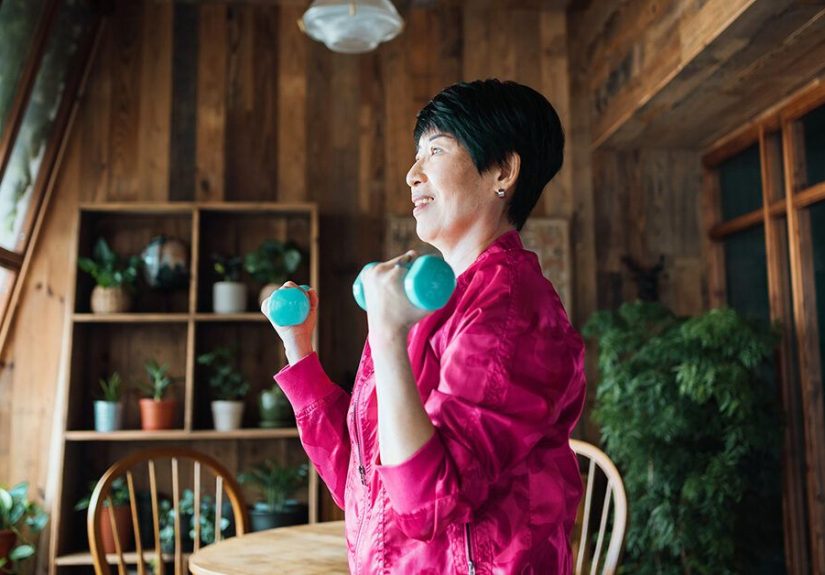
1) Train Your Balance (Yes, It’s Trainable) + Strengthen Key Muscles
Balance isn’t just “good genes.” It’s a skill your brain and muscles practice together. The fastest wins come from
improving leg strength, core stability, and reaction time. You don’t need fancy equipmentjust consistency.
Try a simple weekly plan:
- 3 days/week (15–25 minutes): strength (sit-to-stand, wall pushups, step-ups, resistance band rows)
- Most days (2–5 minutes): balance “snacks” (single-leg stand holding a counter, heel-to-toe walk down a hallway)
- 1–2 days/week: a balance-focused class like tai chi, gentle yoga, or guided mobility work
Quick example: If getting out of a chair feels harder than it used to, that’s a clue. Practice
“sit-to-stand” from a sturdy chair: arms crossed if you can, or hands on the armrests if you need help. Start with
5 reps, build toward 10–15. Stronger legs = steadier steps.
Safety note: If you feel unsteady, practice near a counter, a heavy table, or with a friend nearby.
Balance training should challenge you, not audition you for a slapstick comedy.
2) Do a “Fall Risk Checkup” With Your Healthcare Team (Especially After Any Slip or Near-Fall)
One of the most underrated fall-prevention moves is a short, targeted conversation with a clinician or pharmacist.
Why? Because many fall risks are “invisible” until you connect the dotslike dizziness from blood pressure changes
or medication side effects.
Bring these topics up:
- Medications and supplements: Anything that can cause sleepiness, dizziness, low blood pressure, or blurry vision
- Blood pressure changes: Especially if you get lightheaded when standing up
- Foot numbness or tingling: Nerve issues can reduce feedback to the brain (and stability)
- Gait and balance: Ask if a physical therapy referral would help
- Recent falls or “almost falls”: Where it happened and what you were doing
Quick example: Someone starts a new nighttime medication and suddenly feels groggy in the morning.
That grogginess plus a dim bathroom trip is a classic fall setup. Adjusting timing, dose, or the medication itself
can make a real differencesometimes immediately.
3) Update Your “Sensors”: Vision and Hearing Checks (Plus the Adjustment Period)
Your body balances using input from your eyes, inner ear, and proprioception (your sense of where you
are in space). If one sensor is “off,” your balance system has to guess moreand guessing is not a stability strategy.
- Get regular vision exams and wear the right prescription.
- Take time to adapt to new glasses (especially multifocals), since depth perception can feel “weird” at first.
- Check hearing if you’ve noticed changes; hearing can affect awareness of your environment and overall stability.
Quick example: New bifocals can make stairs look subtly different. For the first week or two,
use handrails every time and move a little slower until your brain recalibrates. It’s not youit’s physics plus neurons.
4) Make Your Home Boring (In the Best Way): Remove Trip Hazards and Add Support
If your home has loose rugs, cluttered pathways, and cords across walking routes, congratulationsyou’ve built a
low-budget obstacle course. Now let’s retire it.
High-impact fixes that don’t require a renovation show:
- Clear pathways: remove cords, shoes, and “temporary” piles (that have been temporary since last season).
- Secure rugs: use non-slip backing or remove small throw rugs entirely.
- Stairs: keep steps clear, fix uneven steps, and make sure handrails are sturdy.
- Bathroom: add grab bars, use non-slip mats, consider a shower chair if needed.
- Frequently used items: store within easy reach so you don’t have to climb, stretch, or improvise.
Quick example: If you find yourself “furniture surfing” (touching walls, chairs, counters while walking),
that’s a sign you need either better support (grab bars/railings) or a mobility aidand possibly both.
5) Light It Up: Better Lighting and Better Contrast (Especially at Night)
Many falls happen during normal routineswaking up, walking to the bathroom, going down stairs, stepping outside.
In low light, your brain can’t spot edges, cords, or changes in flooring quickly enough.
- Use night lights in bedrooms, hallways, and bathrooms.
- Add a lamp within reach of the bed so you’re not navigating half-asleep in the dark.
- Improve stair lighting (top and bottom). Consider illuminated or glow-style switches.
- Outdoor walkways: keep entry paths well lit and free of clutter.
Quick example: A motion-sensor night light is a tiny gadget with big fall-prevention energy.
It’s like having a helpful ghostexcept it only turns on lights and doesn’t rearrange your furniture.
6) Wear the Right Shoes (Indoors Too) + Use Assistive Devices Correctly
Your feet are your foundation. Slippery soles, floppy slippers, and socks on smooth floors can turn a normal step into
a surprise skating lesson.
Footwear rules that actually reduce falls:
- Choose sturdy, well-fitting, low-heeled shoes with non-slip soles.
- Avoid: high heels, worn-out treads, backless slippers, and socks-only on slick floors.
- Keep feet healthy: treat pain, address numbness, and trim nailsfoot problems change your gait.
And if you need a cane or walker, treat it like a precision toolnot a random stick you grabbed from the closet.
The right height and correct use matter. A clinician, physical therapist, or occupational therapist can fit it properly
and teach safer movement patterns.
Quick example: A cane that’s too tall can lift your shoulder and throw off your center of gravity.
A walker with sticky wheels can “catch” and pitch you forward. Small adjustments can prevent big injuries.
Bonus: A 2-Minute Self-Check You Can Do Today
If you want a fast starting point, do this quick scan:
- Home: Walk your main path (bed → bathroom → kitchen) and remove anything you could trip on.
- Light: Turn on night lighting or add it where needed.
- Shoes: Put on supportive shoes indoors for a week and see how you feel.
- Body: Try standing on one leg while holding a counter for 10 seconds each side. Wobbly? Greatnow you have a measurable goal.
- Health: If you’ve had dizziness, a near-fall, or a recent medication change, schedule a quick review.
Conclusion: Fall Prevention Is Small Changes Done Consistently
The best fall-prevention plan is the one you’ll actually do. Start with one change: a daily balance drill, a hallway
declutter, a medication check-in, better lighting, sturdier shoesthen stack the next improvement.
Falls are not an inevitable part of aging or living. With the right mix of strength, awareness, and a safer environment,
you can dramatically reduce your risk and move with more confidence.
Experience-Based Stories & Lessons (Composite Examples)
The tips above sound straightforward on paper, but real life is where fall prevention either sticksor gets buried under
laundry, busy schedules, and the belief that “I’m fine.” Here are common, experience-based patterns people report when
they successfully reduce fall risk. These are composite stories (blended from typical situations), but the lessons are very real.
1) The “I only fell because I was rushing” moment.
A lot of people don’t fall during a long, careful walk. They fall during the short, rushed one: grabbing the phone,
heading to the bathroom at night, running to answer the door. The fix wasn’t “be perfect forever.” It was making the
rushed moments saferadding night lights, keeping pathways clear, and putting shoes (with grip) next to the bed.
The lesson: Design your environment for the moments you’re least coordinated.
2) The medication surprise.
Someone starts a new prescription (or combines it with an over-the-counter sleep aid), and suddenly mornings feel foggy.
They don’t think “fall risk,” they think “I’m just tired.” After a near-fall, a pharmacist helps review side effects and
timing. A small adjustmenttaking it earlier, lowering the dose, or switching optionsreduces the dizziness.
The lesson: If your balance changed quickly, review what changed quickly.
3) The “my home became a hazard slowly” reality.
Homes don’t become risky overnight. It’s gradual: an extra rug here, a basket on the stairs there, a cord that “temporarily”
runs across the hallway (for six months). People who succeed usually do one unglamorous thing: a 15-minute “safety reset”
once a week. They walk through high-traffic areas and remove trip hazards like they’re the manager of a tiny museum:
“Nothing on the stairs. Nothing blocking the path. No exceptions.”
The lesson: Fall-proofing is maintenance, not a one-time project.
4) The confidence comeback through micro-exercises.
After a fall (or even a near-fall), fear can shrink life fast. People stop walking, stop going out, and lose strengthwhich
ironically increases fall risk. A turning point often comes from tiny, safe exercises: sit-to-stand, heel raises, supported
single-leg stands. Two minutes becomes five. Five becomes fifteen. The body gets stronger, and the brain starts trusting
movement again.
The lesson: Confidence isn’t just mindsetit’s muscle and practice.
5) The “I didn’t want a cane… until I did” decision.
Many people resist assistive devices because they feel like a label. But those who adapt well tend to reframe the tool:
a cane isn’t an admission of defeat; it’s an upgrade that reduces risk while strength and balance improve.
Once properly fitted and used correctly, it often increases independencemore walking, fewer near-misses, less anxiety.
The lesson: Use the tool that keeps you moving safely; movement is the long-term win.
6) The family “small changes” win.
Caregivers often notice hazards first: poor lighting, slippery bathroom floors, cluttered steps. The best outcomes happen
when changes are collaborative, not controlling. Instead of “You can’t do that,” it becomes “Let’s make it easier to do
safely.” Adding grab bars, brighter bulbs, and a clear path to the kitchen can prevent both falls and arguments.
The lesson: Fall prevention works better when it protects independence, not restricts it.
If you recognize yourself in any of these, that’s a good signit means your prevention plan is practical. Choose one
small change today, then build. Falling is scary, but prevention is powerful…and yes, it can be surprisingly simple.