Table of Contents >> Show >> Hide
- What Makes the Ferm Living – Cutting Board- Large Stand Out?
- Design Language: Scandinavian, But Not Sleepy
- Material and Construction: Why Oiled Oak Matters
- How the Large Size Improves Everyday Use
- Function Meets Styling: A Rare Kitchen Win
- Who Should Consider a Board Like This?
- Care and Maintenance: How to Keep It Looking Good
- How It Compares to Today’s Ferm Living Kitchen Pieces
- Is It Still Worth Buying If You Find One?
- Final Thoughts
- Extended Experience: Living With a Board Like This
- SEO Tags
Some kitchen tools are purely practical. Others are pretty enough to make you suspicious, like a chair that looks great in photos but turns into a medieval punishment device after 20 minutes. The Ferm Living – Cutting Board- Large sits in a more interesting category: a useful kitchen workhorse that was clearly designed by people who believe a chopping board should earn countertop real estate even when nobody is chopping a single tomato.
That is the charm of Ferm Living. The Danish brand has built a reputation for merging clean function with sculptural form, and this large cutting board captures that formula beautifully. It is not just a slab of wood pretending to be special. It is a piece that turns a daily ritualslice, dice, serve, repeatinto something a little more thoughtful and a lot more attractive.
Although the original Ferm Living – Cutting Board- Large is now harder to find and has been listed as discontinued in archived retail directories, it still holds design appeal for shoppers who love Scandinavian interiors, natural oak, and kitchenware that refuses to look boring. If you have been wondering whether this board is still worth talking about, the answer is yes. In fact, it is worth discussing precisely because it represents an older style of product design that balanced beauty and practicality without screaming for attention.
What Makes the Ferm Living – Cutting Board- Large Stand Out?
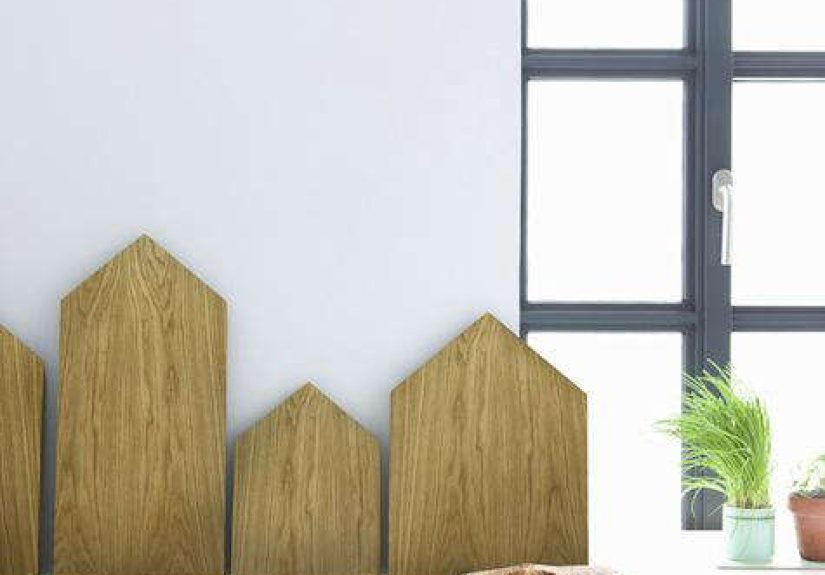
The first thing that separates this piece from an average big-box cutting board is its design story. The original product description tied the board to views from Rundetarn in Copenhagen, where the city’s rooftops inspired the angular, architectural look of the collection. That backstory matters because it explains why the board feels less like generic kitchen gear and more like a small design object with a point of view.
In other words, this is not “just wood.” It is wood with ambition.
The large size also helps. Bigger cutting boards tend to be more forgiving, more versatile, and honestly less annoying. You have room to prep herbs without chasing them across the counter like they owe you money. You can slice bread, portion fruit, or arrange cheeses without the whole setup looking cramped. A large board creates working space, and in the kitchen, working space is peace of mind with better knife skills.
Design Language: Scandinavian, But Not Sleepy
Ferm Living has long leaned into a Scandinavian look that feels softer and more lived-in than the icy minimalism people sometimes imagine. The Ferm Living Cutting Board Large reflects that approach. Yes, it is minimal. Yes, it is restrained. But it is not sterile.
The board’s oak construction brings warmth, variation, and texture. That matters in modern kitchens, where stone, steel, tile, and painted cabinetry can start to feel a little too disciplined. A wooden cutting board breaks up all that hard surface energy. It says, “This kitchen cooks.” It also says, “This kitchen owns at least one linen apron and probably has good olive oil.”
Because the piece was conceived as both a practical tool and a decorative accent, it works well leaned against a backsplash, layered with other boards, or used as a serving surface when guests arrive. That dual role is a huge part of the product’s lasting appeal. The best home accessories do not demand a costume change. They can prep lunch at noon and still look elegant by dinner.
Material and Construction: Why Oiled Oak Matters
The original large cutting board was described as oiled oak, and that detail does a lot of heavy lifting. Oak is durable, visually rich, and naturally appealing in a way that synthetic materials usually are not. It develops character over time, and its grain gives each board a little individuality. That means the product ages like a favorite leather chair or a well-loved wooden spoonassuming you treat it with more kindness than a college apartment coffee table.
Oiled wood also tends to look more organic and tactile than heavily coated finishes. Instead of a glossy, sealed appearance, it offers a more natural surface that fits the relaxed elegance associated with high-quality Scandinavian kitchenware. The tradeoff is maintenance. A board like this is not a “buy it and forget it” item. It needs cleaning, drying, and occasional re-oiling to stay in good shape.
That is not a flaw. It is part of the relationship. A well-made wooden cutting board rewards people who pay attention.
How the Large Size Improves Everyday Use
Large cutting boards are especially useful because they reduce friction in the small moments. You can keep chopped vegetables to one side while continuing prep on the other. You can rest a loaf, a knife, and a few slices of buttered toast without everything tumbling into chaos. You can use it as a serving board for cheese, charcuterie, pastries, or fruit and still have enough visual balance for the spread to look intentional.
That is why the Ferm Living – Cutting Board- Large appeals to both design lovers and practical cooks. It is large enough to earn its keep, but stylish enough to avoid the dreaded “store me under the sink” fate. In open kitchens, that matters. People increasingly want tools that look good because those tools are visible all the time.
If your kitchen is small, a beautiful large board can even act as flexible visual infrastructure. Leave it out, and it becomes part of the room. Use it, and it becomes a prep station. Serve on it, and suddenly you look like the kind of person who casually assembles gorgeous snacks instead of eating crackers over the sink. Aspirational? Yes. Useful? Also yes.
Function Meets Styling: A Rare Kitchen Win
One reason this board continues to attract attention is that it hits two categories at once: kitchen essential and decor piece. Many products promise to do that, but few actually manage it. A lot of “decorative” kitchen items are lovely until you try to use them. Then they reveal themselves to be fragile, fussy, or deeply committed to looking better than performing.
This Ferm Living board takes the smarter route. It begins with function and layers design on top. That makes it easier to style in several ways:
1. As a backsplash accent
Lean it vertically against a wall near your prep zone to soften harder materials like subway tile, quartz, or stainless steel.
2. As a serving board
Use it for bread, cheeses, seasonal fruit, or simple appetizers. Oak instantly adds warmth and helps food presentation feel relaxed but elevated.
3. As part of a layered board display
Pair it with smaller boards, ceramics, or stoneware for that collected kitchen look designers love and cluttered counters usually fail to achieve.
4. As a visual anchor on open shelving
A large board can break up rows of dishes and glasses while introducing natural material variation.
Who Should Consider a Board Like This?
The Ferm Living Cutting Board Large is best for people who appreciate thoughtful home design and are willing to care for natural materials. It makes sense for shoppers who want kitchen essentials to look polished, not purely utilitarian. It also works well for anyone who entertains casually and wants one piece that can move from prep to presentation.
It may be especially appealing if you like:
Natural wood finishes, Scandinavian decor, warm minimalist kitchens, products with a design backstory, and objects that feel tactile rather than mass-produced.
On the other hand, if you want a dishwasher-safe, zero-maintenance board you can abuse without guilt, this probably is not your soulmate. This board is less “throw it around” and more “respectfully hand-wash me, and I will continue to look fabulous.”
Care and Maintenance: How to Keep It Looking Good
Wooden cutting boards live longer when they are cleaned properly and dried thoroughly. That part is not glamorous, but it is the difference between a board that lasts years and one that warps, cracks, or starts looking like it has been through an emotional downturn.
For a board like this, the best routine is simple:
Wash it by hand
Use warm water, mild dish soap, and a soft sponge or brush. Skip the dishwasher. High heat and long water exposure are not doing your oak any favors.
Clean both sides
Even if you only used one side, washing both helps moisture distribute more evenly and can reduce the risk of warping.
Dry it right away
Towel-dry the board, then let it finish air-drying upright so both sides can breathe.
Oil it regularly
Food-safe mineral oil or a dedicated board conditioner helps keep the wood from drying out. When the board starts looking dull, thirsty, or chalky, that is your cue.
Deodorize when needed
For light odor or stain control, a coarse salt and lemon scrub can help freshen the surface between deeper maintenance sessions.
In short, caring for a wooden board is less like owning a disposable gadget and more like maintaining a quality pair of boots. A little regular attention goes a very long way.
How It Compares to Today’s Ferm Living Kitchen Pieces
Even though the original large board is an older item, it still makes sense within Ferm Living’s broader design language. The brand’s current kitchen collection continues to emphasize certified woods, sculptural shapes, rounded edges, and pieces that can shift between everyday utility and display value. Newer cutting boards in the Ferm Living universe often highlight organic forms, tactile finishes, and a balance of function with visual softness.
That means the Ferm Living – Cutting Board- Large still feels relevant. It does not read as dated. If anything, it feels like an early example of the design-forward kitchen accessory trend that has only grown stronger. Today’s shoppers want home goods that are useful, beautiful, and emotionally pleasant to live with. This board was already speaking that language before it became a category cliché.
Is It Still Worth Buying If You Find One?
Yesprovided the condition is good and the wood has been properly cared for. Because the item is not as easy to find new, shoppers may encounter it through older stock, resale platforms, or curated design marketplaces. In those cases, look for signs of proper maintenance: minimal cracking, no severe warping, and a surface that still feels solid and even.
If you find one in good shape, it remains a compelling buy for several reasons. First, the design is timeless enough to work in contemporary kitchens. Second, oak ages beautifully. Third, large cutting boards with genuine styling value are still relatively uncommon. Plenty of boards are functional. Plenty are decorative. Fewer manage to be both without trying too hard.
And let us be honest: a kitchen upgrade that is useful every day tends to beat an impulse decor purchase that exists mainly to collect dust and make you feel briefly organized.
Final Thoughts
The Ferm Living – Cutting Board- Large is the kind of product that makes everyday kitchen life feel just a little more intentional. It turns routine prep into part of the visual rhythm of the room. It offers warmth in modern spaces, usefulness in busy ones, and enough style to hold its own when the cooking is done.
Its appeal is not built on gimmicks. It comes from good proportions, honest material, a memorable design reference, and the enduring truth that wood belongs in a kitchen. Especially when that wood has enough personality to chop onions all afternoon and still look worthy of a candlelit cheese plate by evening.
For readers who love Scandinavian design, natural materials, and kitchen pieces that do more than one job, this board remains a strong point of reference. Discontinued or not, it still delivers a lesson that many brands would do well to remember: practical objects do not have to be plain, and beautiful objects do not have to be useless.
Extended Experience: Living With a Board Like This
Living with a design-forward cutting board like the Ferm Living – Cutting Board- Large changes the rhythm of a kitchen in surprisingly small but meaningful ways. The first thing you notice is not the board itself, but how often you stop putting it away. A lot of kitchen tools disappear the second they are clean. This one tends to linger on the counter, not out of laziness, but because it actually improves the look of the room.
In the morning, it can hold a sliced bagel, a pear, and a coffee mug while the rest of the kitchen is still waking up. At lunch, it becomes a quick prep surface for cucumbers, herbs, or a sandwich that somehow tastes more organized because it was assembled on oak. By late afternoon, it may be doing absolutely nothing except leaning against the backsplash and making your countertop look like it belongs to someone who alphabetizes spices for fun. That kind of visual calm is underrated.
There is also something deeply satisfying about the sound and feel of a good wooden board. Knives land with a softer, warmer note than they do on harder, colder surfaces. Vegetables stay put. Bread crumbs gather neatly instead of launching themselves into neighboring zip codes. It feels stable. Grounded. Competent. You know, like the kitchen version of that one friend who always brings the right charger.
When guests come over, the board changes roles effortlessly. Add cheese, grapes, toasted nuts, and a small knife, and it stops being a prep tool and starts performing as a serving piece. That transition is where the board really earns its reputation. It does not ask for special staging or dramatic styling. It just makes simple food look better. Suddenly crackers seem artisanal. Apple slices look deliberate. Even humble butter has a moment.
Of course, the relationship works best when the board is cared for properly. Ignore it for too long, and the wood will tell on you. It may look dry, feel rough, or lose some of its glow. But once you wipe it clean, let it dry well, and give it a light coat of oil, the transformation is immediate. The grain deepens, the color warms, and the whole thing looks revived without becoming shiny or artificial.
That is the real experience of owning a piece like this: it makes everyday kitchen life feel more tactile and more human. It is not just about aesthetics, and it is not just about utility. It is about enjoying the objects you use all the time. In a home filled with disposable trends and forgettable gadgets, a beautiful, hard-working wooden board feels refreshingly grown-up. Quietly stylish. Genuinely useful. And far more memorable than yet another trendy appliance with one magical function and an eventual retirement plan in the back of a cabinet.
Note: This article is written for web publication in clean HTML and intentionally excludes source-link clutter and citation artifacts.