Table of Contents >> Show >> Hide
- What Is Filipino Garlic Fried Rice With Crab Paste?
- Why This Recipe Works
- Ingredients
- Ingredient Notes and Smart Substitutions
- How to Make Filipino Garlic Fried Rice With Crab Paste
- Best Tips for Perfect Crab Paste Fried Rice
- What to Serve With Filipino Garlic Fried Rice With Crab Paste
- Recipe Variations
- Storage and Reheating
- Frequently Asked Questions
- Personal Cooking Experience: What Makes This Dish So Memorable
- Conclusion
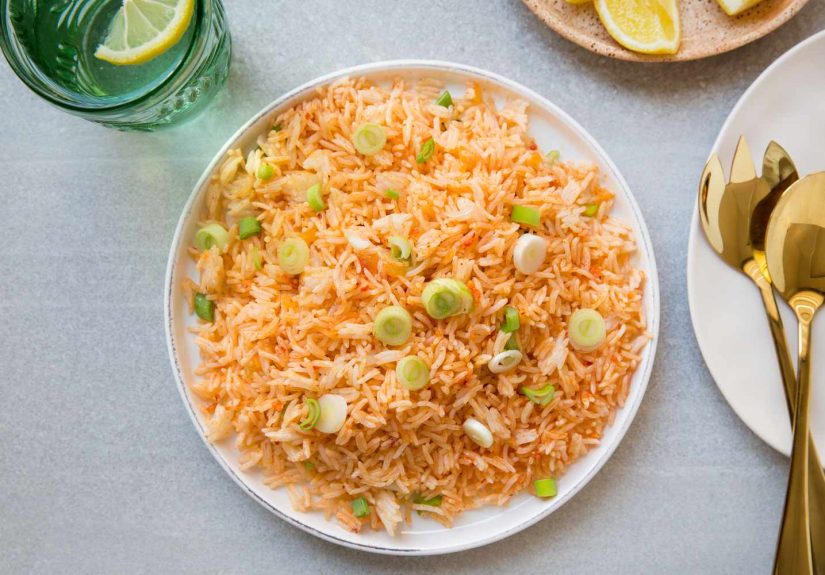
Filipino garlic fried rice with crab paste is what happens when humble leftover rice gets invited to a seafood party and shows up wearing a golden garlic crown. Inspired by sinangag, the beloved Filipino garlic fried rice often served at breakfast, this version folds in rich crab paste, also known as taba ng talangka or aligue, for a deeply savory, briny, buttery flavor that makes every spoonful feel like comfort food with a little coastal swagger.
This is not the kind of fried rice that hides in the background. It is garlicky, glossy, salty in the best way, and bold enough to stand beside fried eggs, grilled seafood, pork tocino, longganisa, or a simple plate of sliced tomatoes. It also turns day-old rice into something so good that you may start cooking extra rice on purpose. That is not meal planning. That is strategy.
What Is Filipino Garlic Fried Rice With Crab Paste?
Traditional Filipino garlic fried rice, or sinangag, is usually made with cooked rice, oil, garlic, and salt. It is famous for its simplicity: cold rice is stir-fried in garlic-infused oil until the grains separate, warm through, and pick up a lightly toasted aroma. It is a staple in Filipino breakfasts, especially in “silog” meals, where garlic rice is paired with egg and a protein such as tapa, tocino, bangus, or longganisa.
This recipe takes that classic base and adds crab paste. Crab paste is intensely flavorful, so a little goes a long way. It gives the rice a seafood-rich taste, a beautiful orange-gold tint, and a luxurious texture without needing a long ingredient list. Think of it as the seafood cousin of garlic butter rice, except with more attitude and a very convincing argument for second helpings.
Why This Recipe Works
The magic comes from three smart moves. First, cold day-old rice is used because it is drier and firmer than freshly cooked rice. That means the grains separate instead of turning mushy. Second, the garlic is cooked slowly enough to release flavor into the oil, then carefully toasted so it becomes fragrant rather than bitter. Third, crab paste is added after the aromatics bloom, allowing it to melt into the oil and coat the rice evenly.
The result is fried rice that tastes layered: crispy garlic on top, savory crab paste throughout, and a gentle brightness from calamansi or lemon juice at the end. The citrus is important. Crab paste is rich, and citrus keeps it from feeling heavy. It is the culinary equivalent of opening a window after cooking something delicious and dramatic.
Ingredients
For 4 servings
- 4 cups cold cooked jasmine rice or long-grain white rice, preferably refrigerated overnight
- 3 tablespoons neutral oil, such as canola, avocado, or vegetable oil
- 8 to 10 cloves garlic, finely chopped or thinly sliced
- 2 tablespoons butter, optional but highly recommended
- 3 to 4 tablespoons crab paste, taba ng talangka, or aligue
- 1 small shallot or 1/4 small onion, finely minced
- 1 teaspoon fish sauce or soy sauce, optional
- 1/4 teaspoon freshly ground black pepper
- Salt, to taste
- 1 to 2 teaspoons calamansi juice or lemon juice
- 2 tablespoons chopped scallions, for garnish
- Fried garlic, for topping
- Optional: sliced red chile, sunny-side-up eggs, cucumber, tomatoes, or grilled shrimp for serving
Ingredient Notes and Smart Substitutions
Rice
Cold leftover rice is best. Freshly cooked rice contains more surface moisture, which can make fried rice clump together. If you only have fresh rice, spread it on a tray and let it cool until the steam disappears. For better texture, chill it uncovered for a short time before cooking. Jasmine rice gives a lovely aroma, but regular long-grain white rice works well too.
Crab Paste
Crab paste, often sold in jars at Filipino or Asian grocery stores, is powerful stuff. It is salty, savory, and rich, so start with three tablespoons and add more only if you want a stronger seafood flavor. Some brands are already seasoned, while others are more neutral. Taste before adding extra salt.
Garlic
Garlic is the soul of this dish. Use fresh garlic, not garlic powder, for the best aroma. Finely chopped garlic gives more even flavor, while thinly sliced garlic creates crisp chips. Either works. The only rule is simple: do not rush it. Burnt garlic tastes bitter, and nobody wants fried rice that tastes like regret.
Citrus
Calamansi is traditional and wonderful, but lemon or lime can step in. The goal is not to make the rice sour. You only need enough acidity to brighten the crab paste and wake up the dish.
How to Make Filipino Garlic Fried Rice With Crab Paste
Step 1: Break Up the Rice
Place the cold rice in a large bowl. Use clean hands or a fork to gently break apart clumps. This small step makes the cooking process much smoother. Once the rice hits the pan, you want it to fry quickly, not sit there while you wrestle a rice boulder with a spatula.
Step 2: Make Garlic Oil
Heat the oil in a large wok or wide skillet over medium-low heat. Add the garlic and cook slowly, stirring often, until it turns light golden and smells deeply fragrant. Remove about one-third of the garlic and set it aside for topping. Leave the remaining garlic and oil in the pan.
Step 3: Cook the Aromatics
Add the minced shallot or onion to the pan. Cook for 1 to 2 minutes, just until softened. Add the butter if using, then stir in the crab paste. Let it cook for about 30 to 60 seconds, stirring constantly, until it loosens into the oil and becomes glossy. Keep the heat moderate so the crab paste does not scorch.
Step 4: Fry the Rice
Increase the heat to medium-high. Add the rice in batches, stirring and tossing as you go so every grain gets coated with the crab-garlic mixture. Cook for 4 to 6 minutes, pressing and tossing the rice until it is hot, separated, and lightly toasted in spots.
Step 5: Season and Brighten
Add black pepper, fish sauce or soy sauce if using, and a small pinch of salt only if needed. Turn off the heat, then stir in calamansi or lemon juice. Taste and adjust. The rice should be savory, aromatic, and rich, with just enough brightness to keep you coming back for another spoonful.
Step 6: Garnish and Serve
Transfer the rice to a serving platter or individual bowls. Top with the reserved fried garlic, chopped scallions, and sliced chile if you like heat. Serve immediately while the garlic is crisp and the rice is steaming.
Best Tips for Perfect Crab Paste Fried Rice
Use a Wide Pan
A wide skillet or wok gives the rice room to fry instead of steam. If your pan is small, cook the rice in two batches. Crowding the pan is how fried rice becomes steamed rice wearing a disguise.
Control the Salt
Crab paste can vary widely in saltiness. Taste it first, then season carefully. Fish sauce adds Filipino-style depth, but it is optional because crab paste already brings plenty of umami.
Do Not Burn the Garlic
Garlic continues to darken after it leaves the oil, so remove the garnish portion when it is just golden. Dark brown garlic can taste harsh. Golden garlic tastes like someone in the kitchen knows exactly what they are doing.
Add Citrus at the End
Calamansi or lemon juice tastes freshest when added after the heat is off. Cooking it too long can flatten its flavor. A quick squeeze at the end makes the crab paste taste cleaner and more balanced.
What to Serve With Filipino Garlic Fried Rice With Crab Paste
This fried rice can be the main dish or a bold side. For breakfast, top it with a sunny-side-up egg and serve it with sliced tomatoes. The runny yolk mixes with the crab paste rice and creates a sauce that feels almost too good for a weekday morning.
For lunch or dinner, pair it with grilled shrimp, fried fish, roasted vegetables, or cucumber salad. It is also excellent with Filipino favorites such as chicken adobo, pork barbecue, daing na bangus, or longganisa. If you want a lighter plate, serve it with steamed greens and a vinegar dipping sauce on the side.
Recipe Variations
Spicy Crab Paste Garlic Rice
Add sliced Thai chile, red pepper flakes, or a spoonful of chili garlic oil when cooking the crab paste. The heat cuts through the richness and makes the rice even more addictive.
Seafood Aligue Fried Rice
Add cooked shrimp, crabmeat, squid, or mussels. Stir them in near the end so they warm through without overcooking. This turns the dish into a seafood fried rice worthy of a weekend spread.
Egg-Topped Breakfast Bowl
Spoon the rice into bowls and top each serving with a fried egg. Add scallions, cucumber slices, and a few drops of vinegar or calamansi juice. It is simple, filling, and dangerously easy to love.
Vegetable-Friendly Version
Add peas, diced carrots, corn, or chopped green beans. The sweetness of vegetables balances the salty crab paste, and the color makes the dish look extra inviting.
Storage and Reheating
Because this recipe uses cooked rice and seafood-based crab paste, store leftovers promptly. Let the rice cool briefly, then transfer it to an airtight container and refrigerate. For best quality, enjoy it within 3 days. Reheat it in a skillet over medium heat with a small splash of water or oil until steaming hot. You can also microwave it, covered, stirring halfway through.
Avoid leaving cooked rice at room temperature for a long period. Rice dishes are best handled with common-sense food safety: cool quickly, refrigerate promptly, and reheat thoroughly. Delicious leftovers are a gift. Questionable leftovers are a plot twist nobody asked for.
Frequently Asked Questions
Can I use freshly cooked rice?
Yes, but it needs to cool first. Spread freshly cooked rice on a baking sheet and let the steam escape. If possible, chill it before frying. Cold rice gives the best separated-grain texture.
Is crab paste the same as crab fat?
In Filipino cooking, taba ng talangka is commonly called crab fat or aligue. It is the rich orange crab paste used to flavor rice, pasta, and seafood dishes. It has an intense seafood flavor and should be used in moderation.
Can I make this less rich?
Absolutely. Use 2 tablespoons crab paste instead of 4, skip the butter, and add extra scallions, cucumber, or citrus. You will still get the signature flavor without the dish feeling too heavy.
Can I add protein?
Yes. Shrimp, crabmeat, fried egg, grilled fish, chicken, or crispy tofu all work beautifully. Add cooked proteins near the end so they stay tender.
Personal Cooking Experience: What Makes This Dish So Memorable
The first thing you notice when making Filipino garlic fried rice with crab paste is the aroma. Garlic hits the oil, and suddenly the kitchen feels awake. Not “polite cup of coffee” awake. More like “someone just opened the windows and announced breakfast is serious today” awake. Then the crab paste goes in, and the fragrance changes from familiar and cozy to rich, coastal, and unmistakably Filipino.
One of the best lessons from cooking this dish is that restraint matters. Crab paste is delicious, but it is not shy. The first time many home cooks use it, the temptation is to add a heroic spoonful, then another, because the color is gorgeous and the smell is exciting. But too much can overpower the rice. The sweet spot is when the crab paste coats the grains lightly, giving them a golden tint and deep flavor without making the dish greasy or overly salty.
The second lesson is that texture is everything. Cold rice may not look glamorous when it comes out of the fridge, but it is the secret weapon. Those firm grains are ready to absorb flavor while staying separate. When the rice is tossed in garlic oil and crab paste, it becomes glossy and fragrant instead of sticky. This is why leftover rice has such an important place in fried rice traditions. It proves that yesterday’s side dish can absolutely become today’s main event.
Another experience worth mentioning is how well this rice fits different moods. On a quiet morning, it is perfect with a fried egg and tomatoes. For lunch, it can sit beside grilled shrimp or fish and feel like a complete meal. At dinner, it becomes a bold side dish that can make even plain vegetables seem more exciting. Add a squeeze of calamansi or lemon, and suddenly everything tastes brighter and more balanced.
The dish is also wonderfully forgiving. If the garlic gets too dark, start again; garlic is cheaper than disappointment. If the rice tastes too salty, add more plain rice or a squeeze of citrus. If it tastes too rich, serve it with cucumber, tomato, vinegar, or a simple salad. Filipino food often shines through balance: salty, sour, savory, sweet, rich, fresh. This fried rice gives you plenty of room to adjust until it tastes right for your table.
Perhaps the most enjoyable part is the way people react when they try it. Garlic rice is already comforting, but crab paste makes it feel special. It has that “What did you put in this?” effect, the kind of flavor that makes people pause for a second before going back for more. It is familiar enough to be cozy and bold enough to be memorable. That is a pretty good deal for a dish built from leftover rice, garlic, and a few spoonfuls of crab paste.
In the end, Filipino garlic fried rice with crab paste is more than a recipe. It is a smart, flavorful way to respect leftovers, celebrate pantry ingredients, and bring big seafood flavor to the table without complicated cooking. It is quick enough for a weeknight, impressive enough for guests, and comforting enough to eat straight from the pan if nobody is watching. Of course, someone is usually watching. Offer them a spoon.
Conclusion
Filipino garlic fried rice with crab paste is a bold, comforting, and deeply savory recipe that transforms cold leftover rice into something special. With toasted garlic, rich aligue, a touch of citrus, and fluffy separated grains, this dish delivers the kind of flavor that feels both homey and exciting. Serve it with eggs for breakfast, seafood for dinner, or vegetables for a balanced meal. However you plate it, this crab paste fried rice proves that simple ingredients can create unforgettable results.