Table of Contents >> Show >> Hide
- What Makes the "Flint" Throw Pillow Stand Out?
- Why Artisan Throw Pillows Matter in Modern Decor
- How to Style the "Flint" Throw Pillow in a Living Room
- How to Use Flint in the Bedroom
- The Best Materials and Colors to Pair With Flint
- What Size and Insert Style Work Best?
- Care and Maintenance: Keep the Good Looks Going
- Is the "Flint" Throw Pillow Worth It?
- Final Thoughts
- Design Experiences Related to the "Flint" Throw Pillow
Some home upgrades require a budget, a contractor, and at least one mild identity crisis in the paint aisle. A throw pillow is not one of them. That is part of the charm of the "Flint" Throw Pillow: it offers the kind of visual shift that makes a room feel more thoughtful without demanding a full decorating reboot. In a world full of generic cushions trying very hard to be noticed, Flint takes a calmer route. It leans into texture, artistry, and a grounded palette that feels collected rather than copy-and-paste.
At its core, Flint belongs to that sweet spot where art and function overlap. It is not just a soft square tossed onto a sofa to fill empty space. It reads more like a design accent with intention. The appeal comes from its artisan-made spirit, woven construction, and an earthy personality that fits beautifully into the kinds of interiors people actually want to live in now: warm modern spaces, layered neutrals, organic contemporary rooms, and homes that look polished without looking uptight.
If you are wondering whether a pillow can really change a room, the answer is yesassuming it is the right pillow. Flint makes the case for smaller design moves done well. It adds comfort, yes, but it also adds rhythm, softness, and a little visual punctuation. Think of it as the design equivalent of good seasoning: subtle enough not to hijack the dish, important enough that you absolutely notice when it is missing.
What Makes the "Flint" Throw Pillow Stand Out?
The first reason Flint gets attention is that it feels designed, not mass-produced in spirit. That distinction matters. Plenty of decorative pillows are pretty enough, but the memorable ones usually have one or more of these traits: an artist’s point of view, tactile fabric, a versatile color story, and enough personality to hold their own without screaming across the room. Flint checks those boxes with ease.
An Artist-Led Look
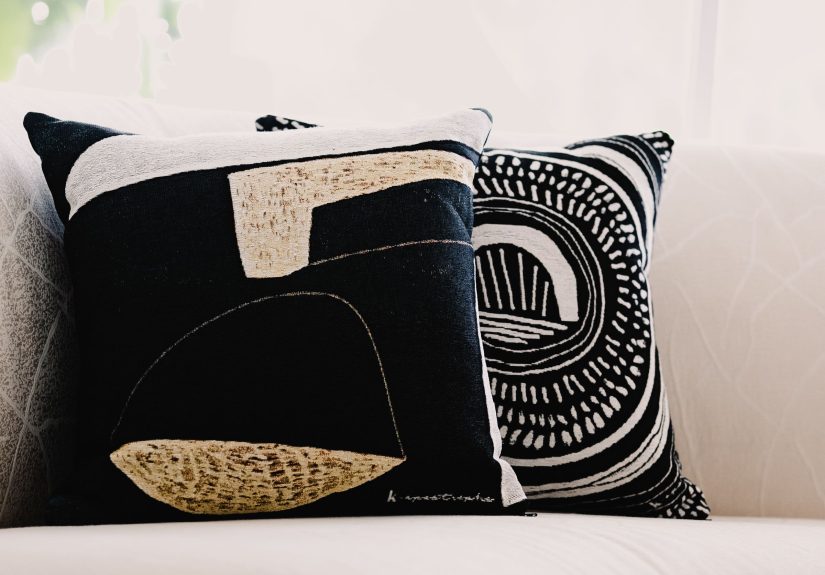
Flint is associated with textile artist K’era Morgan, and that artistic background shows in the way the pillow presents itself. It has the sort of abstract, tactile presence that works especially well in homes where you want your decor to feel layered and personal. Instead of acting like a predictable finishing touch, it behaves more like a small piece of woven wall art that decided to get comfortable on the couch.
Texture Does the Heavy Lifting
Texture is one of the biggest reasons a pillow like Flint succeeds. When a room leans neutraland many stylish rooms dotexture becomes the secret weapon. A smooth leather sofa, a nubby boucle chair, a linen curtain panel, a woven cotton pillow: that mix keeps a space from falling flat. Flint adds visual depth without relying on loud color or trendy graphics. In other words, it knows how to make an entrance without kicking the door open.
A Grounded Color Story
The name Flint suggests a stony, earthy mood, and that is exactly why it feels so easy to work with. This kind of palette pairs naturally with ivory, sand, charcoal, mushroom, camel, rust, olive, muted blue, and soft black. It can sit inside a monochrome scheme or help anchor a room that already has more movement going on. For homeowners who like neutrals but do not want a room to look sleepy, that balance is gold.
Why Artisan Throw Pillows Matter in Modern Decor
Decorating today is less about buying matching sets and more about building a room that feels collected over time. That is where artisan-inspired throw pillows have a real advantage. They bring variation, irregularity, and a human touch to spaces that can otherwise feel too polished or too predictable.
A pillow like Flint can soften the edges of modern furniture, warm up minimalist interiors, and add credibility to a “curated” look. This is especially useful in living rooms filled with clean-lined sofas, wood coffee tables, plaster lamps, and neutral rugs. All of those elements are beautiful, but without something soft and textural layered in, the room can feel like a very expensive waiting area.
Throw pillows are also one of the easiest ways to test a design direction before committing to bigger purchases. Curious about earth tones? Try them in pillows first. Want more texture? Pillows are cheaper than reupholstering a chair. Need to make a neutral sofa look intentional instead of accidental? A well-chosen accent pillow can do that before lunch.
How to Style the "Flint" Throw Pillow in a Living Room
Flint shines brightest when it is treated as part of a composition, not a lonely afterthought. The good news is that it is surprisingly flexible. Whether your room is tailored, casual, organic, or a little eclectic, there is a way to make it work.
On a Standard Sofa
For a classic sofa, Flint works beautifully as one of three to five pillows. Use larger pillows at the outer corners, then layer Flint slightly forward if you want its texture or pattern to stand out. If your sofa is light-colored, Flint can act as the grounding piece. If your sofa is darker, Flint can bring in tonal richness without creating harsh contrast.
A reliable formula looks like this: two larger solid pillows in linen or velvet, one Flint pillow for texture and personality, and perhaps a lumbar pillow in front if the sofa is deep enough to handle it. The result feels balanced, comfortable, and not overdecorated. Nobody wants to excavate six decorative pillows just to sit down and watch a show.
On a Sectional
Sectionals usually benefit from layered sizes and a mix of shapes. Flint can serve as a “bridge” pillow that connects a few different fabrics together. For example, if you have cream corner pillows and a striped lumbar, Flint can sit between them visually by repeating the room’s organic textures and muted tones. On bigger sectionals, it is helpful to start with larger back-corner pillows and work inward with smaller or more distinctive accents.
On an Accent Chair or Reading Nook
If you have a chair that looks good but somehow still feels unfinished, Flint can fix that quickly. A single artisan-style pillow on a lounge chair often does more than multiple pillows on a sofa because the detail is easier to notice. Try it on a leather chair, a wood-framed reading chair with neutral upholstery, or even a bench near a window. It instantly says, “Yes, someone thought this through.”
How to Use Flint in the Bedroom
The bedroom is where Flint can shift from decorative accent to mood maker. Beds benefit from layered pillows, but not every bed needs to look like it is auditioning for a luxury hotel ad. Flint is most effective when it becomes the final note rather than the whole orchestra.
On a queen or king bed, place it in front of sleeping pillows and Euro shams, either as a single statement accent or paired with a smaller lumbar. Because its strength is texture and artistry, Flint works especially well against crisp white bedding, oatmeal linen, soft greige quilts, or muted striped duvets. It gives the bed an intentional, designer-finished look without making the whole thing feel fussy.
You can also use Flint on a bedroom bench, window seat, or guest-room chair. That is often the smartest move if you want the pillow to contribute to the room’s personality without creating one more thing to toss on the floor every night. Pillows are lovely. Midnight pillow management is less lovely.
The Best Materials and Colors to Pair With Flint
Because Flint has a woven, artful character, it works best with materials that either echo its tactile quality or provide contrast. Here are some especially strong pairings:
Materials That Work Well
Linen: relaxed, breathable, and easygoing. Flint and linen together create a lived-in but elevated look.
Boucle: ideal if you want depth without relying on pattern overload. The contrast of looped texture and woven structure feels rich.
Velvet: for a more dramatic room, velvet adds a soft sheen next to Flint’s grounded finish.
Leather: one of the best contrasts. Leather can read sleek or rugged, and Flint gives it warmth.
Canvas and cotton: especially strong if your home leans modern rustic, California casual, or understated contemporary.
Colors That Make Sense
Try Flint with ivory, oat, camel, taupe, rust, olive, tobacco, slate blue, charcoal, or faded black. If you want a brighter room, use Flint as the calming element beside ochre, terracotta, sage, or dusty rose. It is not the pillow you buy when you want neon chaos. It is the pillow you buy when you want a room to exhale.
What Size and Insert Style Work Best?
When shopping for decorative pillows inspired by Flintor when pairing Flint with other piecessize matters more than people think. Common square throw pillow sizes are 18 x 18 and 20 x 20 inches, and many designers like to build outward from there. On standard sofas, 20-inch pillows are a dependable starting point. Deeper sofas may handle 22-inch pillows nicely, while lower-backed seating often looks better with something a little smaller.
Insert choice also changes the final look. Feather-down inserts usually feel softer and more lounge-friendly, while down-alternative inserts hold a neater shape and may suit more tailored spaces. If you want that plush, designer “full” appearance, many stylists recommend using an insert slightly larger than the cover. That keeps the corners looking generous rather than limp.
If the Flint pillow is being used as the hero piece, pair it with quieter shapes around it. If Flint is one voice in a larger arrangement, mix squares with a lumbar pillow to keep the stack from looking too uniform. Uniform can be chic, of course, but it can also look like you bought the whole arrangement while hungry and in a hurry.
Care and Maintenance: Keep the Good Looks Going
Beautiful pillows tend to stay beautiful when they are treated according to their materials, not according to wishful thinking. For a pillow like Flint, gentle care is the smart move. Cotton and some removable covers may be washable, but embellishments, specialty fabrics, or artist-made details often benefit from more cautious handling. Always follow the care tag first.
In everyday life, maintenance can be refreshingly simple. Fluff the insert regularly, rotate the pillow if it lives in one heavily used corner, and spot-clean minor marks before they settle in like unwanted houseguests. If a cover is removable, that is a big advantage because it makes seasonal cleaning easier and allows you to preserve the insert longer.
If you are styling a pillow collection for a high-traffic family room, think realistically. A gorgeous artisan pillow can absolutely live in a real home, but maybe keep the peanut-butter fingers, red wine acrobatics, and mystery pet paws to a minimum. Aspirational? Yes. Impossible? No.
Is the "Flint" Throw Pillow Worth It?
If your idea of a good decor purchase is something that combines comfort, craftsmanship, and real styling flexibility, Flint makes a strong case for itself. It is especially worth considering if your room needs more depth rather than more stuff. A pillow like this can make an existing sofa, bed, or chair look upgraded without replacing the larger investment pieces you already own.
It is best suited to people who appreciate artisanal details, earthy color stories, and interiors that feel collected. If your home leans ultra-glam, glossy, or highly formal, Flint may not be your first pick unless you intentionally want a grounded, textural counterpoint. But for warm modern, organic, transitional, bohemian, contemporary, and quietly luxurious interiors, it fits naturally.
In short, Flint is not trying to be the loudest object in the room. That is exactly why it works. It brings enough character to make a space feel designed, enough softness to make it feel livable, and enough versatility to stay relevant after trendier accents have quietly retired to the closet.
Final Thoughts
The "Flint" Throw Pillow is a reminder that the best home decor pieces do more than “match.” They contribute mood, texture, and a sense of authorship. Flint feels artistic but usable, stylish but not precious, neutral but not boring. It has that rare quality every good accent should have: it makes the room look better while still feeling like it belongs there.
If you are updating a sofa, refining a bedroom, or trying to make your home feel more layered and less generic, Flint is the kind of piece worth considering. It is not just another pillow. It is a small design decision with surprisingly big payoffand frankly, that is the sort of math most of us can get behind.
Design Experiences Related to the "Flint" Throw Pillow
Living with a pillow like Flint is less about dramatic before-and-after transformation and more about the slow realization that your room suddenly feels finished. That is usually the first experience people notice. You bring it home, set it on the sofa, step back, and the space somehow looks more intentional. The coffee table books make more sense. The throw blanket looks less random. Even the lamp seems to have better posture. Good decor does that. It quietly organizes the visual story of the room.
Another common experience is how often Flint becomes the thing people touch first. Textural pillows have a magnetic quality. Guests sit down and, without even realizing it, reach for the woven surface. They adjust it, lean against it, or ask where it came from. That tactile interaction matters because it means the pillow is not just decorative; it is part of how the room functions. It is soft enough to support a shoulder during a movie, sturdy enough to prop behind your back on a lazy Sunday, and attractive enough to hold its own when no one is using it.
There is also the experience of discovering how easy it is to style around. Homeowners often think they need all-new accessories when, in reality, one strong accent can pull existing pieces together. Flint tends to do that. Pair it with a cream sofa and it brings depth. Place it on a darker sectional and it creates a subtle tonal layer. Add it to a bed with white linen and suddenly the room looks edited rather than unfinished. It becomes a design translator between wood tones, upholstery, and smaller accents.
Seasonal changes are another part of the experience. In cooler months, Flint feels cozy and grounded, especially when paired with wool throws, velvet accents, or richer colors like rust and olive. In warmer months, it can still work because the palette is not heavy in an oppressive way. Swap in lighter companionsthink linen, washed cotton, and a softer neutral throwand the same pillow keeps working without feeling out of place. That kind of year-round flexibility is more valuable than it sounds. Nobody wants a decorative piece that only makes sense for six weeks a year.
There is also an emotional side to living with artisan-inspired decor. A pillow like Flint tends to make a room feel less transactional and more personal. It does not look like a last-minute add-on tossed into an online cart to qualify for free shipping. It looks chosen. That creates a different relationship with the space itself. You straighten it when you walk by. You notice how it works with the afternoon light. You start paying closer attention to the textures and tones around it. One thoughtful object often raises the standard for the whole room.
Perhaps the most relatable experience, though, is that Flint can make you strangely protective of your styling. You finally get the pillow arrangement right, the proportions look perfect, and suddenly you understand why people fluff pillows with the seriousness of museum curators. It is not vanity. It is satisfaction. When a room feels good, you want to keep it that way. And if a single throw pillow can inspire that kind of loyalty, it is doing far more than filling empty sofa space.