Table of Contents >> Show >> Hide
- Why Carbs Got Such a Bad Reputation
- What Happens When You Cut Too Many Carbs?
- Healthy Carbs vs. Problem Carbs
- How Cutting Too Many Carbs May Affect Heart Health
- Can a Low-Carb Diet Ever Be Heart-Healthy?
- Signs You May Be Cutting Too Many Carbs
- What to Eat Instead of Going Carb-Free
- How to Protect Your Heart Without Fearmongering Your Lunch
- The Bottom Line
- Real-World Experiences With Cutting Too Many Carbs
Carbs have had a rough few years. Somewhere between “skip the bread basket” and “cauliflower is now pizza,” carbohydrates became the dietary villain in many conversations about weight and wellness. And to be fair, some carb-heavy habits deserve a little side-eye. Sugary drinks, pastries that disappear in three bites, and ultra-processed snack foods are not exactly the body’s best friends. But here’s where things get messy: cutting too many carbs, especially the healthy kind, can create its own set of problems. When the menu loses fiber-rich foods like whole grains, beans, fruit, and certain vegetables, heart health may take a hit.
That does not mean every low-carb diet is automatically bad. Some people do lose weight, improve blood sugar, or feel more in control of their eating when they reduce refined carbohydrates. The trouble starts when “low carb” turns into “panic at the sight of oatmeal,” and the foods being removed are the same ones linked with better cholesterol levels, steadier blood sugar, healthier digestion, and lower cardiovascular risk. In other words, the problem is often not reducing junk carbs. The problem is throwing the good carbs out with the cracker crumbs.
Why Carbs Got Such a Bad Reputation
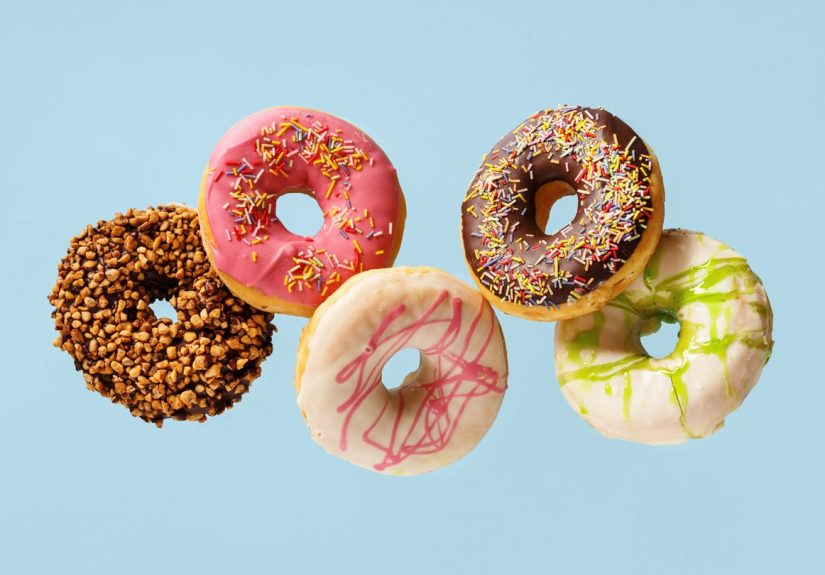
Carbohydrates are one of the body’s main sources of energy. That is not trendy marketing copy. It is basic nutrition. The confusion comes from the fact that not all carbs behave the same way in the body. A bowl of steel-cut oats and a giant glazed doughnut may both contain carbohydrates, but nutritionally they are not twins. They are barely cousins who only wave at each other at family reunions.
Refined carbohydrates, such as white bread, many packaged snack foods, sugary cereals, and desserts, are often lower in fiber and easier to overeat. They can contribute to blood sugar spikes and crowd out more nutrient-dense foods. On the other hand, complex or minimally processed carbohydrate foods, including beans, lentils, oats, brown rice, quinoa, fruit, vegetables, and whole-grain bread, usually bring fiber, vitamins, minerals, and plant compounds along for the ride. That nutritional backup crew matters for heart health.
So when someone says, “I cut carbs,” the important follow-up question is: Which carbs? Giving up soda and jumbo muffins is a different story from eliminating beans, fruit, and whole grains. One move can clean up a diet. The other can quietly strip away foods that help protect the heart.
What Happens When You Cut Too Many Carbs?
When carb intake drops sharply, people often replace those calories with more protein and fat. That shift is not automatically harmful. In fact, swapping refined carbs for healthier fats and quality protein can be a smart move. But if the replacement plan leans heavily on butter, processed meats, bacon, fatty cuts of red meat, and cheese piled like a construction project, the heart may not be thrilled.
This is the key issue in the “cutting too many carbs could put heart health at risk” conversation: the health effect depends less on the dramatic headline and more on what fills the plate afterward. If healthy carbs disappear and saturated fat goes up, LDL cholesterol may rise in some people. If fiber falls, cholesterol control and digestive health may become harder to manage. If the diet gets so restrictive that it crowds out fruits, legumes, and whole grains, it can lose the variety that makes long-term heart-healthy eating patterns work.
There is also the sustainability question. A diet that feels impressive for six weeks but impossible by month six often leads to the old “eat perfectly, quit dramatically, then raid the pantry” cycle. Heart health usually benefits more from a steady, realistic eating pattern than from nutrition theater.
Healthy Carbs vs. Problem Carbs
Carbs that usually help the heart
Healthy carbohydrate foods tend to be rich in fiber and minimally processed. Think oats, barley, brown rice, beans, lentils, chickpeas, sweet potatoes, fruit, and vegetables. Whole-grain breads and pastas can also fit nicely when portions are reasonable and the ingredient list actually starts with whole grain rather than hopeful branding.
These foods can support heart health in several ways. Fiber can help with LDL cholesterol. Whole grains and legumes are filling, which may help with weight management. Fruits and vegetables bring potassium, antioxidants, and other nutrients associated with healthy blood pressure and overall cardiovascular support. Put simply, many healthy carbs do much more than “provide energy.” They help create the kind of eating pattern cardiologists keep inviting people back to.
Carbs worth cutting back on
The carbs that most often deserve a demotion are the highly refined, heavily processed ones: sugar-sweetened beverages, candy, pastries, sweet bakery items, many packaged snack foods, and oversized portions of low-fiber refined grains. These foods are easy to eat quickly and often do not keep you full for long. They also make it easier to overshoot calories without getting much nutritional value in return.
So yes, there is room to reduce carbs. The trick is to reduce the ones that act like dietary confetti and keep the ones that actually bring something useful to the party.
How Cutting Too Many Carbs May Affect Heart Health
1. You may lose heart-friendly fiber
Fiber is one of the biggest reasons healthy carbohydrate foods matter. A lower-fiber diet can make it harder to manage LDL cholesterol and maintain fullness after meals. When people slash carbs and stop eating oats, beans, whole grains, fruit, and many vegetables, fiber intake often drops fast. That is not exactly a love letter to your cardiovascular system.
2. Saturated fat may sneak in through the side door
Many low-carb eaters do not just remove bread and pasta. They also increase high-fat animal foods to compensate. Depending on the choices, that can raise saturated fat intake. For some people, this matters a lot, especially if LDL cholesterol responds strongly to diet. In practical terms, a plate of salmon, olive oil, avocado, and vegetables tells a different heart-health story than a plate built mostly around processed meat and cheese.
3. You may miss the bigger dietary pattern
Heart health does not usually come down to one nutrient. Dietary patterns such as Mediterranean-style and DASH-style eating consistently score well because they emphasize vegetables, fruits, beans, nuts, healthy oils, and whole grains while limiting excess sodium, added sugars, and saturated fat. If a carb-cutting plan pushes you away from those patterns, it may undermine the bigger picture.
4. Your diet may become harder to maintain
An eating plan that bans too many everyday foods can be difficult to stick with socially, emotionally, and practically. That matters because long-term heart protection usually comes from habits you can repeat without needing a motivational speech every Tuesday. If a plan leaves you tired, bored, constipated, or irrationally angry at bananas, it may not be the one.
Can a Low-Carb Diet Ever Be Heart-Healthy?
Yes, it can be, depending on how it is built. A moderate low-carb approach that trims refined grains and added sugars while keeping plenty of nonstarchy vegetables, nuts, seeds, beans, and some fruit can work for many people. Some people with insulin resistance or type 2 diabetes may even find that reducing certain carb sources improves blood sugar control. But that does not require launching every bean, apple, and bowl of oatmeal into orbit.
A smarter approach is to think in terms of carb quality instead of carb panic. If the carbohydrates you eat are mostly fiber-rich and minimally processed, and the fats you choose are mostly unsaturated, your overall eating pattern can still support heart health. The danger zone is usually the version of low-carb eating that becomes heavy in saturated fat, light on plant foods, and suspicious of lentils for no good reason.
Signs You May Be Cutting Too Many Carbs
You do not need a lab coat to notice when a carb-cutting plan has gone off the rails. Common clues include low energy during workouts, feeling hungry soon after meals, relying heavily on meat and cheese to feel satisfied, avoiding fruit out of fear, and treating beans like they are contraband. Some people also notice digestive changes that conveniently remind them fiber existed for a reason.
Another red flag is when “healthy eating” starts revolving around what is forbidden rather than what is nourishing. If every meal feels like a game of nutritional dodgeball, it may be time to bring some thoughtful carbohydrates back to the table.
What to Eat Instead of Going Carb-Free
If your goal is better heart health, weight management, or steadier blood sugar, you do not need a zero-carb fantasy. You need balance. Start by cutting obvious refined carbs and added sugars. Then keep or reintroduce carbohydrates that come packaged with fiber and nutrients.
Smart swaps that support the heart
- Replace sugary cereal with oatmeal topped with berries and nuts.
- Swap white bread for a true whole-grain version with fiber.
- Use beans or lentils in soups, salads, tacos, and grain bowls.
- Choose fruit for snacks more often than candy or pastries.
- Trade oversized white pasta portions for smaller servings paired with vegetables, olive oil, and lean protein.
- Use brown rice, farro, barley, or quinoa instead of always defaulting to refined grains.
Notice the theme? This is not about making carbs the hero of the movie. It is about casting the right carbs in the right roles.
How to Protect Your Heart Without Fearmongering Your Lunch
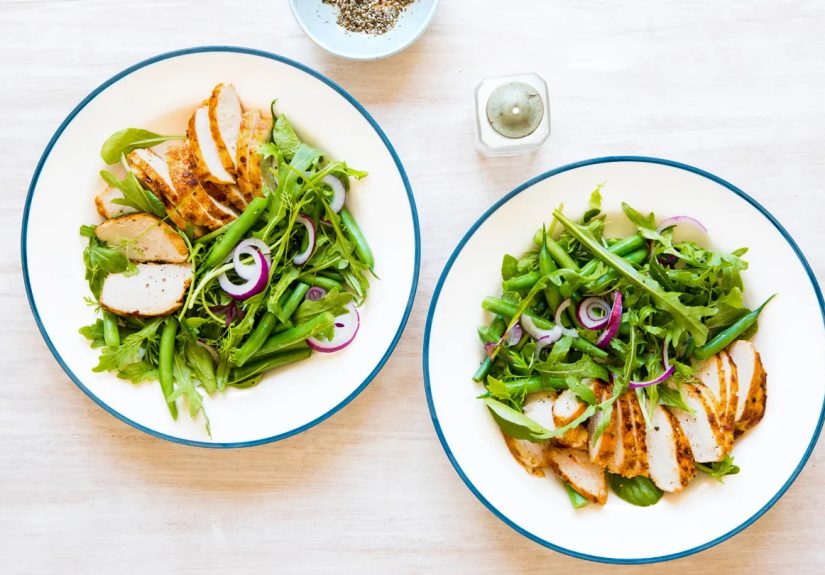
If you love structure, try building meals around a few simple questions. Does this plate include a fiber-rich carb? Does it include healthy fat? Does it include lean or plant-based protein? Is there a vegetable or fruit on it? That basic framework tends to produce more balanced meals than obsessing over whether a sweet potato is “too carby” to be trusted.
Reading labels can help too. Foods marketed as low carb are not automatically heart-healthy. Some are highly processed and loaded with saturated fat or sodium. Meanwhile, foods with carbs are not automatically bad. A bowl of lentil soup is not nutritionally equivalent to a frosted snack cake just because both contain carbohydrates. Context matters. So does common sense, which nutrition trends occasionally forget to invite.
If you have diabetes, high cholesterol, kidney disease, or another medical condition, your ideal carbohydrate intake may be more individualized. In that case, the best plan is one that fits your health goals, medications, lab results, and real life. A registered dietitian or clinician can help you find that sweet spot where blood sugar goals and heart health can peacefully share a plate.
The Bottom Line
Cutting back on refined carbs can absolutely be part of a healthy diet. Cutting back on too many carbs, especially the fiber-rich, nutrient-dense kind, is where the trouble begins. When healthy carbs disappear, heart-protective foods often disappear with them. And when those foods are replaced with more saturated fat and fewer plants, the diet may drift away from what supports cardiovascular health over time.
The better strategy is not to fear carbohydrates. It is to get choosy. Keep the carbs that come with fiber, nutrients, and staying power. Reduce the ones that are mostly sugar, starch, and empty calories. If your eating plan sounds dramatic enough to be a documentary, it may be worth simplifying. Your heart does not need a food feud. It needs a balanced pattern you can actually live with.
Real-World Experiences With Cutting Too Many Carbs
The experiences below are composite, reality-based examples inspired by common patterns clinicians and dietitians often see. They are included to make the topic more practical and relatable.
Melissa, 42, started a strict low-carb diet because she wanted to lose weight quickly before a family event. At first, she felt thrilled. The scale dropped, takeout was suddenly off the menu, and she loved telling people she had not eaten bread in three weeks like she had climbed Everest in loaf-free boots. But a month later, her meals were built mostly around eggs, cheese, deli meat, and “keto treats.” She had cut out beans, most fruit, oatmeal, and whole-grain toast, even though she used to enjoy all of them. She noticed she felt less energetic on her afternoon walks, and her meals left her oddly unsatisfied unless they were very heavy. What looked like discipline on paper had quietly become a very narrow way of eating.
Then there was James, 58, who cut carbs after hearing that all carbs turn to sugar and sugar is basically dietary chaos. He stopped eating rice, potatoes, and nearly all fruit, but he did not replace them with more vegetables, legumes, or whole grains. Instead, he leaned hard into bacon, sausage, steak, and butter because those foods felt “safe.” He lost some weight, but when his next checkup rolled around, his cholesterol numbers were not moving in the direction he had hoped. His doctor did not tell him to go back to soda and doughnuts. She told him something more interesting: his plate needed more plants, more fiber, and better fats, not more fear.
On the flip side, Priya, 35, took a more balanced approach. She reduced sugary coffee drinks, cut back on late-night chips, and stopped treating giant bakery muffins like a reasonable breakfast. But she kept lentils, fruit, roasted sweet potatoes, and brown rice in her routine. She also added salmon, olive oil, Greek yogurt, nuts, and more vegetables. Her version of lowering carbs was less flashy, but it was sustainable. She felt full, her workouts improved, and she did not spend every weekend fantasizing about bagels like they were a lost love.
One of the most common experiences people describe is confusion. They know they want to eat better, but nutrition advice online often turns meals into a morality play. Bread is evil one week. Fruit is suspicious the next. Then someone on social media declares that beans are somehow “too starchy,” which is a bold accusation for one of the most useful foods in a heart-healthy kitchen. In real life, people do better when the rules are practical: limit refined junk, keep quality carbs, watch saturated fat, and build meals that feel normal enough to repeat.
That is probably the biggest lesson from real-world experience. Extreme carb cutting can feel powerful in the beginning because it is clear, strict, and dramatic. But long-term heart health usually looks much less theatrical. It looks like oatmeal instead of pastry. Beans in the soup. Fruit that is eaten instead of feared. Whole-grain toast with peanut butter. A dinner plate that includes vegetables, a reasonable portion of starch, and a source of healthy fat and protein. Not glamorous, perhaps. But very effective, which is a lot more useful than glamorous when your heart is the one keeping score.