Table of Contents >> Show >> Hide
Vitamin K is the quiet overachiever of the nutrition world. It doesn’t get “superfood” headlines, it doesn’t have a PR team,
and it definitely doesn’t come in trendy neon gummy form (please don’t). But it does show up for your body every dayhelping
with normal blood clotting and supporting bone health. When vitamin K intake is steady, your body can do its behind-the-scenes
work like a well-run stage crew: invisible, essential, and 100% responsible for the show going on at all.
In this guide, you’ll get (1) a clear explanation of vitamin K (including K1 vs K2), (2) a list of 40 foods that are among the best
sources of vitamin K (with serving-size examples), and (3) practical ways to eat more of itwithout turning every meal into a salad
that looks like it belongs in a lawnmower bag.
Vitamin K 101: What it does (and why you should care)
What vitamin K does in the body
Vitamin K is best known for its role in helping the body make proteins involved in normal blood clotting. It also plays a role in
bone metabolism and may support bone health as part of an overall nutrient pattern (think: vitamin D, calcium, magnesium, and
balanced protein intake, too). Vitamin K is fat-soluble, which means it’s better absorbed when eaten with some dietary fat.
In other words: a drizzle of olive oil on greens isn’t “cheating”it’s strategy.
K1 vs K2: What’s the difference?
“Vitamin K” is a family name. The two forms you’ll hear about most are:
- Vitamin K1 (phylloquinone): Found mostly in leafy greens and some plant oils.
- Vitamin K2 (menaquinones): Found in certain fermented foods and animal products (amounts can vary widely by food type and how it’s made).
Most food databases report vitamin K1 more consistently, so many “vitamin K” numbers you see in charts are essentially K1. K2 is still
real and important, but it’s harder to measure consistently across foodsespecially fermented foods where bacterial activity changes the
final content.
How much vitamin K do you need?
Many references cite an Adequate Intake (AI) of about 120 micrograms (mcg) per day for adult men and
90 mcg per day for adult women. Food labels often use a Daily Value of 120 mcg. Needs can differ across life stages,
and your clinician may give individualized guidance based on your situation.
Important note if you take warfarin (Coumadin)
If you take warfarin (a vitamin K antagonist), you typically don’t need to “avoid” vitamin K foodsyou need to keep your intake
consistent from day to day so your medication can be managed properly. Sudden big changes (like going from “no greens
ever” to “kale smoothie influencer”) can affect INR control. Always follow your clinician’s guidance for your specific medication plan.
The 40 best foods high in vitamin K (with serving examples)
The amounts below are approximate vitamin K (mostly K1/phylloquinone) per typical household serving from U.S. nutrient
data. Values vary by brand, variety, season, and cooking method. Use this list as a practical compassnot a courtroom transcript.
| # | Food | Common serving | Approx. vitamin K (mcg) | Quick, normal-human way to eat it |
|---|---|---|---|---|
| 1 | Kale, cooked | 1 cup, chopped | ~1062 | Sauté with garlic + olive oil; finish with lemon. |
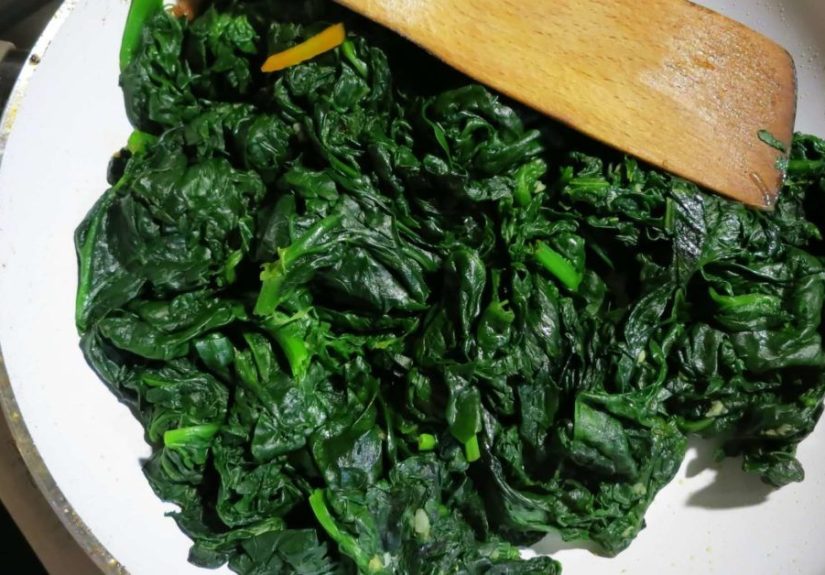
| 2 | Spinach, cooked | 1 cup | ~889 | Stir into pasta sauce or fold into scrambled eggs. |
| 3 | Parsley, fresh | 1 cup, chopped | ~984 | Make chimichurri or add a big handful to salads. |
| 4 | Collard greens, cooked | 1 cup, chopped | ~773 | Braise low and slow; add a splash of vinegar. |
| 5 | Mustard greens, cooked | 1 cup, chopped | ~830 | Quick-sauté; pair with beans or rice bowls. |
| 6 | Beet greens, cooked | 1 cup (1" pieces) | ~697 | Cook like spinach; toss with feta and walnuts. |
| 7 | Dandelion greens, cooked | 1 cup, chopped | ~579 | Sauté with onions; mellow bitterness with fat + acid. |
| 8 | Swiss chard, cooked | 1 cup | ~573 | Sauté stems first, then leaves; add tomatoes. |
| 9 | Turnip greens, cooked | 1 cup, chopped | ~529 | Simmer into soups or stir into chili at the end. |
| 10 | Garden cress, cooked | 1 cup | ~518 | Fold into omelets or warm grain bowls. |
| 11 | New Zealand spinach, cooked | 1 cup, chopped | ~526 | Use anywhere you’d use spinach. |
| 12 | Dandelion greens, raw | 1 cup, chopped | ~428 | Mix with milder greens; add a creamy dressing. |
| 13 | Turnip greens, frozen cooked | 1 cup | ~677 | Microwave + season; easy “weekday greens.” |
| 14 | Spinach, frozen cooked | 1/2 cup | ~514 | Stir into soups, casseroles, or rice. |
| 15 | Garden cress, raw | 1 cup | ~271 | Sprinkle on sandwiches like spicy confetti. |
| 16 | Collard greens, raw | 1 cup, chopped | ~157 | Use shredded in slaws with citrus dressing. |
| 17 | Beet greens, raw | 1 cup | ~152 | Blend into smoothies with berries + yogurt. |
| 18 | Spinach, raw | 1 cup | ~145 | Base for salads, wraps, and quick bowls. |
| 19 | Mustard greens, raw | 1 cup, chopped | ~144 | Mix into salad kits (start smallpeppery!). |
| 20 | Turnip greens, raw | 1 cup, chopped | ~138 | Chop finely into salads or slaws. |
| 21 | Broccoli, cooked | 1/2 cup | ~110 | Roast until crispy edges; add parmesan. |
| 22 | Brussels sprouts, cooked | 1/2 cup | ~109 | Roast with balsamic; finish with nuts. |
| 23 | Broccoli, raw | 1 cup, chopped | ~93 | Dip in hummus or toss into crunchy salads. |
| 24 | Radicchio, raw | 1 cup, shredded | ~102 | Grill wedges or mix into salads for bite. |
| 25 | Chicory greens, raw | 1 cup, chopped | ~86 | Sauté with garlic; pair with eggs or beans. |
| 26 | Lettuce, red leaf | 1 cup, shredded | ~80 | Upgrade sandwiches and tacos instantly. |
| 27 | Pumpkin leaves, cooked | 1 cup | ~77 | Stir into stews (where available). |
| 28 | Kiwifruit (green), raw | 1 cup, sliced | ~73 | Top yogurt, oatmeal, or fruit salads. |
| 29 | Cabbage, raw | 1 cup, chopped | ~68 | Slaw it up; it keeps well all week. |
| 30 | Cabbage, cooked | 1/2 cup, shredded | ~82 | Sauté with onions or add to soups. |
| 31 | Bok choy (pak choi), cooked | 1 cup | ~58 | Stir-fry with garlic + sesame oil. |
| 32 | Lettuce, green leaf | 1 cup, shredded | ~60 | Build big salads without harsh bitterness. |
| 33 | Lettuce, romaine | 1 cup, shredded | ~58 | Classic Caesar base; add protein for balance. |
| 34 | Green beans (snap), cooked | 1 cup | ~60 | Steam then toss with butter + almonds. |
| 35 | Soybeans, mature seeds, raw | 1 cup | ~87 | Cook firstthen use for soups and bowls. |
| 36 | Soybeans, sprouted, cooked | 1 cup | ~66 | Add to stir-fries and noodle bowls. |
| 37 | Natto | 1 cup | ~40* | Try with rice + soy sauce + mustard (bold flavor). |
| 38 | Prunes (dried), uncooked | 1 cup, pitted | ~104 | Snack, or chop into oatmeal and salads. |
| 39 | Avocado, raw | 1 cup, cubes | ~32 | Toast topper, guac base, salad upgrader. |
| 40 | Pumpkin, canned | 1 cup | ~39 | Blend into soups or stir into oatmeal. |
*Natto note: Many databases list natto’s phylloquinone (K1), but natto is also known as a notable source of vitamin K2
(menaquinones). Fermented-food K2 content can vary a lot, so treat K2 numbers online with healthy skepticism unless they come from
specialized analyses.
How to get more vitamin K without “living on leaves”
1) Pair greens with fat for better absorption
Vitamin K is fat-soluble. That means pairing greens with a bit of fat can support absorption. Practical examples:
sauté spinach in olive oil, add avocado to a salad, or use a yogurt-based dressing on romaine. You don’t need a lotjust enough to
make the nutrients feel welcome.
2) Cook smarter, not stricter
People sometimes avoid greens because of texture, bitterness, or “it tastes like my health insurance copay.” Cooking can help.
Braising collards, sautéing mustard greens, or roasting broccoli can mellow flavors and make portions easier to eat.
Bonus: cooked greens shrink, so you get a lot of vitamin K in a smaller volumelike nutritional compression technology.
3) Use the “herb upgrade”
Fresh herbs aren’t just garnishthey’re a sneaky way to increase vitamin K without noticing. Stir chopped parsley into grain bowls,
fold it into tuna salad, or toss it onto roasted vegetables. Five seconds, zero drama, real nutrient impact.
4) If you’re on warfarin, think “consistency,” not “avoidance”
If you take warfarin, the goal is often stable vitamin K intake so medication dosing can be managed appropriately. That might mean
keeping your leafy-green pattern consistent (similar amounts across days and weeks) rather than swinging between extremes.
Your care team can help you find a routine that works.
Meal ideas using vitamin K–rich foods
- Weeknight bowl: sautéed kale + quinoa + roasted broccoli + lemon-tahini sauce.
- Big salad that doesn’t feel sad: romaine + red leaf lettuce + avocado + chicken + crunchy radicchio.
- Comfort soup upgrade: add chopped collards or turnip greens near the end so they stay bright.
- Breakfast shortcut: fold spinach (fresh or frozen) into scrambled eggs; top with parsley.
- Snack swap: prunes + nuts (and maybe a cheese stick) for a sweet-savory combo.
Experiences: How vitamin K shows up in real life (and what people learn fast)
People usually “meet” vitamin K in one of three ways: they start eating more vegetables, they get curious about bone health, or a
medication conversation (often warfarin) suddenly turns leafy greens into something that feels… complicated. In real life, the lesson
is almost never “stop eating greens.” The lesson is “make your pattern predictable and sustainable.” That’s a big difference.
One common experience is realizing how wildly vitamin K intake can swing. Someone might eat mostly sandwiches and cereal during the
week (low vitamin K), then crush a huge spinach salad on Saturday because they’re “being good” (high vitamin K). Nutritionally, that
kind of randomness isn’t ideal for anyonebut it’s especially important for people who need consistent intake. The practical fix is
surprisingly simple: pick a realistic baseline. Maybe it’s a cup of romaine most days, or a side of broccoli at dinner three times a
week. Consistency beats heroic one-day kale events.
Another real-world moment: people discover that cooking greens changes everything. Raw kale can feel like chewing a decorative houseplant.
But sautéed kale with garlic and olive oil? Suddenly it’s dinner, not punishment. Collards can go from “intimidating” to “cozy”
when they’re braised slowly. Mustard greens can be sharp raw, but they mellow when cooked and paired with something creamy or starchy.
Many folks find that once they stop trying to eat greens in their least enjoyable form, eating vitamin K–rich foods becomes easy.
Then there’s the “herb awakening.” A lot of people treat parsley like a restaurant decoration. But when you start using herbs like a
real ingredienthandfuls, not sprinklesyou notice your meals taste fresher and brighter. Chimichurri on chicken, parsley folded into
rice, chopped herbs on roasted vegetables: it’s a flavor upgrade that happens to bring vitamin K along for the ride. In practice, this
is one of the easiest ways to eat more vitamin K without changing your entire identity.
Finally, many people learn that tracking “perfect nutrition” is exhausting, but building a few repeatable meals is freeing. A go-to
salad base (romaine + red leaf), a reliable cooked veggie (broccoli or green beans), and a “green booster” (spinach in eggs or soups)
can cover a lot of ground. Vitamin K doesn’t require a dramatic lifestyle makeoverjust a few smart defaults that you can stick with.
Conclusion
Vitamin K is a small nutrient with a big job: it supports normal blood clotting and plays a role in bone healthand the easiest way to
get it is to eat more leafy greens (plus a few surprise foods like prunes, kiwi, and avocado). Use the list of 40 vitamin K–rich foods
as a menu of options, not a rigid checklist. If you’re on warfarin, focus on keeping your intake steady and follow your clinician’s plan.
For everyone else: add greens more often, pair them with a little fat, and let herbs do some of the heavy lifting. Your future self will
thank youquietly, like vitamin K does.