Table of Contents >> Show >> Hide
- What a “Place Setting” Actually Includes (and Why It Matters)
- Why Georg Jensen Cutlery Feels Different on the Table
- A Tour of Iconic Georg Jensen Place-Setting Collections
- Bernadotte: Classic fluting with modern restraint
- Copenhagen: Minimalist functionalism (and quietly addictive matte finish)
- New York: Mid-century minimal, designed to let the food be the star
- Arne Jacobsen: Iconic hotel modernism for your dining room
- Vivianna: Soft organic shapes with serious design credibility
- Cobra: Playful curves that still behave at a formal table
- Pyramid: Art Deco energy in a modern stainless setting
- What about Georg Jensen sterling silver place settings?
- How to Choose the Right Georg Jensen Place Setting for Your Life
- How to Set the Table So Your Flatware Looks Expensive (Even on Taco Night)
- Care and Cleaning: Keep Your Georg Jensen Cutlery Looking New
- Is a Georg Jensen Place Setting Worth It?
- Experience Notes: What People Notice After Living With Georg Jensen Cutlery
- Conclusion
- SEO Tags
Flatware is one of those “quiet luxury” choices you touch every day. You can spend hours picking a sofa you sit on twice a week, but the fork? That’s a daily handshake with dinner. A Georg Jensen cutlery place setting is for people who want that handshake to feel like Scandinavian design showed up wearing a perfectly tailored black turtleneck: simple, confident, and just a little bit smug.
Georg Jensen’s cutlery is known for clean lines, thoughtful ergonomics, and collections tied to real design historynames like Sigvard Bernadotte, Arne Jacobsen, Henning Koppel, and Grethe Meyer aren’t random labels; they’re part of why these pieces look “right” even decades after their debut. In this guide, we’ll break down what a place setting is, what makes Georg Jensen stand out, how to choose the right collection for your table, and how to keep everything looking sharpwithout turning your kitchen into a stainless-steel museum.
What a “Place Setting” Actually Includes (and Why It Matters)
In flatware terms, a place setting is a matching bundle meant for one person. Most brands use a 4- or 5-piece format, but the exact pieces can varyespecially when a designer prioritizes a particular style of fork or spoon.
The most common configurations
- 4-piece place setting: typically a dinner fork, dinner knife, dinner spoon (or soup spoon), and teaspoon.
- 5-piece place setting: usually adds a second fork (salad/appetizer/starter) or a second spoon (dessert/soup), depending on the pattern.
Georg Jensen place settings often follow the 5-piece logic, but you’ll see thoughtful differences between collections. For example, one pattern may include a dedicated starter fork, while another emphasizes a dessert spoon. Translation: if you love hosting, the details matterespecially when you’re setting a table for a full menu and don’t want guests performing utensil improv.
How many settings should you buy?
A practical rule: buy for your household plus a little cushion. If you live with two people, four settings feels safeuntil you host brunch and suddenly every spoon is “in a relationship” with the dishwasher. Many flatware experts recommend 8–12 place settings for most households because it supports everyday use, guests, and the occasional “I swear we had more forks” mystery.
Why Georg Jensen Cutlery Feels Different on the Table
A lot of flatware is made to be “fine.” Georg Jensen is made to be felt. The best collections balance three things: design clarity (no fussy decoration that fights your food), comfort (handles that sit naturally in your hand), and finish (matte or mirror-polished surfaces that look intentional, not accidental).
Georg Jensen’s modern stainless patterns lean into Scandinavian design principles: functional shapes, minimal ornament, and proportions that look calm next to everything from everyday stoneware to formal porcelain. The vibe is: “Yes, this table is pulled together. No, I didn’t panic five minutes ago.”
A Tour of Iconic Georg Jensen Place-Setting Collections
If you’re shopping Georg Jensen, you’re not just choosing “silverware.” You’re choosing a design personality. Here are standout collections that show up frequently as place settings and sets.
Bernadotte: Classic fluting with modern restraint
Bernadotte is one of the most recognizable Georg Jensen looks: elegant grooves (often described as fluting) that bring texture without going ornate. In stainless steel, it’s typically mirror polished, which reads formalbut still works for everyday because the form stays clean. A common 5-piece setting includes a dinner spoon, dinner fork, dinner knife, dessert spoon, and a lunch/starter fork.
If you want cutlery that feels “special occasion” without needing embroidered napkins and a string quartet, Bernadotte is a strong starting point. It’s also a pattern with a storied background, linked to early modern functional design.
Copenhagen: Minimalist functionalism (and quietly addictive matte finish)
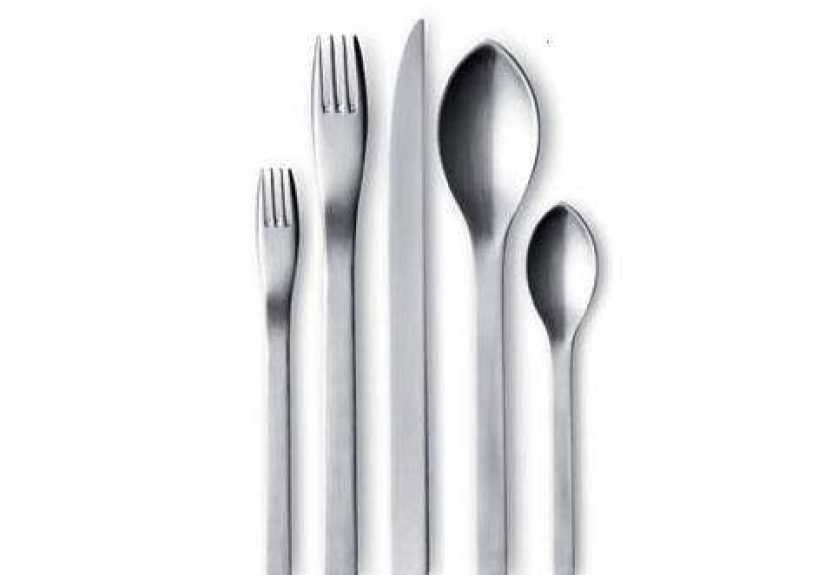
Copenhagen is for people who love clean lines and don’t need their fork to wear jewelry. Designed with a disciplined, almost architectural approach, Copenhagen often comes in a matte stainless steel finish. Many shoppers love matte because it hides fingerprints and feels modern without shouting. A typical 5-piece setting may include a dinner fork, long dinner knife, dessert spoon, starter fork, and a teaspoon-sized spoon.
Copenhagen is also a good choice if you want a pattern that plays nicely with mixed dishware: handmade pottery, classic white plates, vintage glassesno problem. It’s the cutlery equivalent of a crisp white button-down.
New York: Mid-century minimal, designed to let the food be the star
New York is often described as pared-down and minimalrounded, calm, and unfussy. It’s a pattern that looks “designed” but not “decorated,” which is exactly why it works across casual and formal tables. Depending on the retailer and set format, a 5-piece place setting may include a dinner knife, dinner fork, salad/appetizer fork, soup spoon, and teaspoon.
If you want a modern set that won’t visually compete with bold dinnerware or colorful plating, New York is a safe betand a very smart registry pick.
Arne Jacobsen: Iconic hotel modernism for your dining room
Arne Jacobsen is basically the patron saint of mid-century Scandinavian cool. His cutlery is famously minimal, and many sets use a matte finish that feels current even decades after launch. This is a great collection if you like design that’s confident in its simplicity: smooth lines, no extras, and a silhouette that looks like it belongs beside modern stemware and sleek plates.
Vivianna: Soft organic shapes with serious design credibility
Vivianna leans slightly more sculpturalstill clean, but with organic curves that feel almost jewelry-like in the hand. It’s the pattern for someone who wants minimalism with a touch of softness. Many Vivianna sets come in matte stainless steel and are built to be used, not protected like a rare collectible spoon.
Cobra: Playful curves that still behave at a formal table
Cobra is the extrovert of the group: wavy, fluid shapes that feel lively without becoming gimmicky. If your table style is modern and you like a bit of personality (or you simply want guests to say, “Waitwhat flatware is this?”), Cobra delivers. It’s also frequently described as lightweight and comfortable to hold, which matters more than you’d think once you’ve eaten an entire meal with a “looks cool, feels weird” fork.
Pyramid: Art Deco energy in a modern stainless setting
Pyramid brings a distinctive stepped motifan Art Deco nod that feels architectural and timeless. In stainless steel, it’s often mirror polished, which looks especially sharp with classic white dinnerware or a more formal table setting. If Bernadotte is “elegant fluting,” Pyramid is “glamorous geometry.”
What about Georg Jensen sterling silver place settings?
Georg Jensen is also famous for sterling silver cutlery patterns (for collectors and heirloom buyers). Sterling looks incredible and can become a true legacy item, but it requires a different care routine (regular polishing, careful storage). If your main goal is a daily-use set that still feels premium, stainless steel is usually the sweet spot. If you want heirloom-level tradition, sterling is where the brand’s history gets especially deep.
How to Choose the Right Georg Jensen Place Setting for Your Life
1) Pick a finish that matches how you actually live
- Mirror polished: bright, formal, reflectivegreat for classic styling and special occasions.
- Matte: modern, understated, typically better at hiding water spots and fingerprints.
If you’re the kind of person who wipes down everything before guests arrive, mirror polish will make you happy. If you’re more “the food is hot, please sit down,” matte can be the low-maintenance hero.
2) Understand stainless steel numbers without falling asleep
You’ll see stainless steel described as 18/10, 18/8, or 18/0. The first number refers to chromium (rust resistance), and the second refers to nickel (shine and added corrosion resistance). More nickel usually means a brighter sheen. This matters most if you’re comparing sets, finishes, and long-term durability expectations.
Many Georg Jensen stainless place settings are listed as 18/8 in product details, while some retailers may list certain patterns as 18/10. Either way, you’re shopping in the premium neighborhoodso focus on the feel, the finish, and the pattern you’ll still love years from now.
3) Pay attention to weight, balance, and edges
Flatware experts often emphasize that the best sets feel balanced, have smooth edges, and offer a pleasant heftwithout feeling clunky. When you can, look for details like how the knife sits in your hand and whether the fork tines feel comfortable. If you’re buying online, reviews that mention “balanced,” “comfortable,” or “great in hand” are more useful than reviews that just scream, “SHINY!!!”
4) Decide if you want to build a set over time
One of the underrated benefits of designer flatware is that you can start with a place setting and expand. Start with 4–8 settings, then add: serving spoons, salad servers, a cake fork set, or extra teaspoons (because teaspoons disappear like socks). Georg Jensen collections often offer add-on pieces, which makes the set feel curated rather than “bought in a panic.”
How to Set the Table So Your Flatware Looks Expensive (Even on Taco Night)
A place setting doesn’t need to be formal to look intentional. If you want your Georg Jensen cutlery to shineliterally or aestheticallytry these easy upgrades:
- Keep plates simple when using a bold pattern (Cobra or Pyramid), so the cutlery reads as designnot clutter.
- Use linen or cotton napkins at least occasionally; flatware looks more elevated next to real fabric.
- Match the mood: matte flatware pairs beautifully with stoneware and wood accents; mirror polish loves porcelain and crystal.
- Don’t overmix metals: if your cutlery is stainless, keep charger plates or candleholders in a similar tone for a calmer table.
Care and Cleaning: Keep Your Georg Jensen Cutlery Looking New
The good news: most Georg Jensen stainless cutlery is designed for real life, including the dishwasher. The even better news: a few habits will keep it looking dramatically better over time.
Daily habits that prevent 90% of problems
- Rinse or wash promptly after eatingespecially after acidic foods like citrus, vinegar-based dressings, mustard, ketchup, or tomato sauces.
- Use mild soap and a soft sponge for hand washing; avoid abrasive scrubbers that can dull finishes.
- Dry after washing if you want maximum shine and fewer water spots.
Dishwasher tips (because you deserve nice things)
- Don’t let cutlery sit wet in the dishwasher for hours after the cycle. Remove and dry if needed.
- Avoid mixing with rusty items or certain iron/steel tools that can cause “transfer rust” spots on stainless flatware.
- Separate pieces when possible so they don’t rub aggressively during the cycle (especially helpful for mirror finishes).
If you get rust spots or discoloration
Stainless steel is resistant, not invincible. If you spot rust specks or stains, gentle methods are usually effective: a baking soda paste (baking soda + water) can help lift rust, and a brief soak in a diluted vinegar solution can remove cloudy marks. Always rinse thoroughly and dry after.
Is a Georg Jensen Place Setting Worth It?
Here’s the practical argument: you use flatware more than almost any “home luxury” item. A designer place setting can feel indulgent, but it also has one of the lowest costs-per-use if you buy something durable and timeless.
The emotional argument is even simpler: a beautiful table makes ordinary meals feel less ordinary. If you’ve ever eaten takeout with flimsy utensils and felt your soul leave your body, you already understand the assignment.
Experience Notes: What People Notice After Living With Georg Jensen Cutlery
People who switch to Georg Jensen cutlery often describe a surprisingly fast shift: meals start to feel a little more “set” even when nothing else changes. It’s not that a fork magically improves your cooking (sadly), but the tactile experience adds a sense of intention. In many homes, the first comment isn’t “Wow, look at that design history,” it’s more like, “These feel really good.” Comfort shows up early: the weight feels balanced, the handles sit naturally, and the pieces don’t have sharp edges that make you feel like you’re dining with tiny stainless-steel office supplies.
Matte-finish fans tend to fall hard for how forgiving it is. In day-to-day useespecially in busy kitchensmatte can hide fingerprints and water spots better, which keeps the set looking “freshly put away” instead of “just survived a sprint through the dishwasher.” Mirror-polished lovers, on the other hand, get a specific kind of satisfaction from the shine. It catches candlelight, it elevates a plain white plate, and it makes even a simple pasta dinner look like you tried a little harder than you actually did. (No judgment. That’s a compliment.)
Another common experience: people start paying attention to what pieces they truly use. A five-piece setting sounds obvious until you host a salad course, serve dessert, or put out soup. Suddenly, that “extra” fork doesn’t feel extrait feels like you planned the evening. And once you have proper teaspoons, you stop using random mismatched spoons that somehow all have different personalities. (One is too small, one is weirdly deep, one looks like it came from a gas station. You know the ones.)
Owners also tend to notice how well Georg Jensen patterns play with different table styles. Copenhagen and New York often become everyday favorites because they don’t fight the rest of the table: they work with stoneware, minimalist dishes, bold colored plates, and casual setups. Bernadotte and Pyramid get pulled out when people want the table to feel more “occasion”but many still use them daily because the pattern feels good in the hand and holds up. Cobra is the one that sparks comments; it’s a conversation piece without being precious. People describe it as playful, and that mattershosting can be stressful, so it’s nice when your tableware brings a little joy without making you feel like you need to whisper around it.
Care-wise, the lived experience is mostly about habits. The people who keep their sets looking brand-new aren’t doing anything extremethey’re just quick about rinsing, they avoid leaving utensils soaked in acidic leftovers, and they don’t let the cutlery sit wet for long stretches. When spots appear, most learn that “gentle and patient” beats “aggressive and scratchy.” A soft sponge, mild soap, and occasional targeted cleaning keep the finish intact. And once you’ve invested in a set you genuinely like, you’ll probably find yourself doing something you never expected: putting the cutlery away properly instead of tossing it in the drawer like it owes you money.
Conclusion
A Georg Jensen cutlery place setting is a design upgrade you actually useevery day, at every meal, in every season. Whether you’re drawn to Bernadotte’s elegant fluting, Copenhagen’s disciplined minimalism, New York’s calm mid-century lines, or Cobra’s playful curves, the goal is the same: choose a pattern that fits your table and your lifestyle, then build a set that makes everyday meals feel just a bit more intentional.