Table of Contents >> Show >> Hide
- Where Ghost of Tsushima Ranks in the Open-World Hall of Fame
- Ranking Ghost of Tsushima’s Most Talked-About Characters
- Armor Sets Ranked: Fashion vs. Function
- Best Side Quests & Mythic Tales: What Deserves S-Rank
- What Players Criticize (Because No Game Is Perfect)
- How Ghost of Tsushima Holds Up in 2025
- Player-Style Experience: Living Inside the Rankings
- Conclusion: So Where Does Ghost of Tsushima Really Rank?
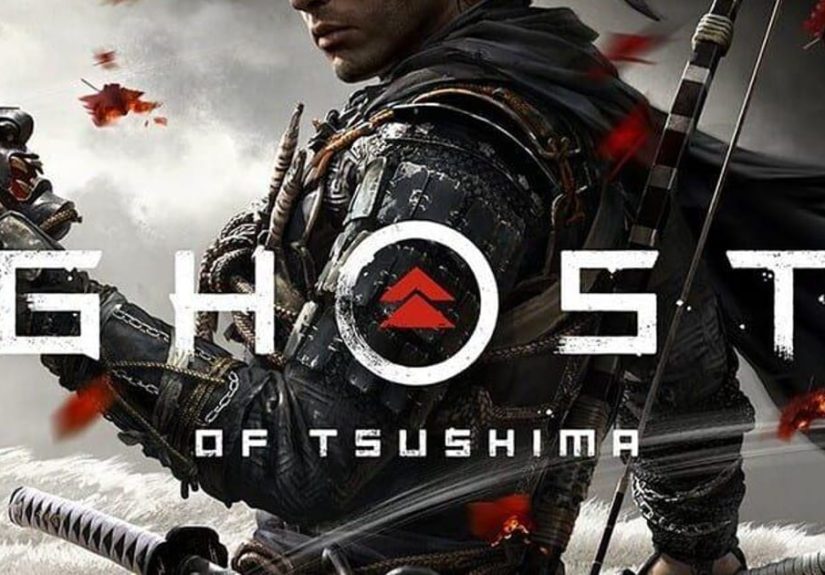
If you’ve ever paused mid-standoff in Ghost of Tsushima just to admire the way the leaves blow dramatically around Jin’s cape… congratulations, you are playing this game correctly. Since its 2020 release, Sucker Punch’s open-world samurai epic has climbed all kinds of charts, from critic scoreboards to fan-made tier lists for armor, missions, characters, and even photo mode shots.
But how exactly does Ghost of Tsushima rank in the grand scheme of open-world games in 2025? And inside the game itself, which armor sets, characters, and quests really deserve S-tier status? Let’s break down the rankings, mix in community opinions, and add a dash of personal-style experience to help you decide what deserves your precious playtime.
Where Ghost of Tsushima Ranks in the Open-World Hall of Fame
On paper, Ghost of Tsushima sits in “very good to excellent” territory. The original PS4 version holds an aggregate score in the low-to-mid 80s on Metacritic and OpenCritic, with critics praising its sweeping vistas, satisfying combat, and strong atmosphere. The Director’s Cut release on PS4, PS5, and later PC nudged opinions even higher, with many outlets landing around the high 80s once Iki Island, DualSense support, and quality-of-life changes arrived.
While 2020 was stacked with heavy-hitting releases, Ghost of Tsushima still grabbed multiple “Game of the Year” or “Readers’ Choice” awards and consistently appeared in top-10 lists worldwide, often cited as a standout open-world game with a particularly lush setting and cinematic style.
By 2024, it had racked up over 13 million copies sold globally and become one of Sony’s most successful new IPs, later expanding to a PC audience and spawning a planned live-action film and even an upcoming anime inspired by its co-op Legends mode. So in terms of long-term impact, this isn’t just “another open world” it’s now one of Sony’s flagship franchises.
What Critics Generally Agree On
- Visuals & Art Direction: Almost universally praised. The color grading, weather effects, and environmental design put Tsushima near the top of the “prettiest worlds ever” rankings.
- Combat: The stance system and lethal swordplay are frequently highlighted as a perfect match for the samurai fantasy: weighty, precise, and brutal when you get into the zone.
- World Design: The minimalist HUD, guiding wind, and “follow the environment” navigation are widely considered elegant and immersive.
Where opinions start to split is around pacing and side content, which we’ll get to in a bit. But first, let’s talk about the people who inhabit this windswept island.
Ranking Ghost of Tsushima’s Most Talked-About Characters
Character rankings in Ghost of Tsushima are spicy. Different outlets and communities disagree on who’s “best,” but some names keep popping up near the top.
S-Tier: Characters Everyone Seems to Love
- Jin Sakai – As the protagonist, Jin gets a lot of scrutiny. Many critics and fans praise his transformation from rule-bound samurai into the morally conflicted “Ghost” as one of the game’s strongest narrative pillars.
- Yuna – Often ranked among the best characters in the game, Yuna’s arc as a streetwise thief-turned-ally grounds Jin’s story. She represents the peasants who have always suffered, even before the Mongols showed up, making her perspective essential.
- Lady Masako – Her revenge-driven tale is consistently singled out as one of the most emotionally intense side arcs. Many rankings place Masako in the top tier for her complexity: sympathetic, terrifying, and utterly relentless.
- Kenji – Is he a disaster? Yes. Is he hilarious? Also yes. This lovable, cowardly sake peddler frequently lands high in “fan favorite” rankings because he injects much-needed comic relief into a pretty grim story.
A-Tier: Strong but Divisive
- Lord Shimura – Depending on whose list you read, Shimura is either a tragic figure clinging to a dying code or one of the “worst” characters due to his stubbornness and emotional distance. Some rankings label him as a “worst” character in terms of likability, even while acknowledging he’s beautifully written.
- Sensei Ishikawa – A brilliant archer and deeply flawed mentor, Ishikawa frequently makes “top character” lists but also appears in discussions of “wasted potential,” especially around his relationship with his former student Tomoe.
- Norio & Taka – Norio’s gentle, compassionate nature and Taka’s courage despite fear both resonate heavily with fans, often landing them in mid-to-high-tier slots.
B-Tier and Below: Underused or Forgettable
Several outlets and fan lists call out characters who feel underdeveloped or underused, especially considering how long the game is. ScreenRant, for instance, highlights characters whose arcs feel rushed or whose big moments don’t hit as hard as they could, especially compared to standout stories like Yuna or Masako.
Overall opinion: the character roster is strong, but not every side character sticks the landing. When the game focuses on the main allies around Jin, it’s near the top of open-world character rankings. When it doesn’t, you can feel it.
Armor Sets Ranked: Fashion vs. Function
No Ghost of Tsushima ranking article would be complete without arguing about armor sets. Guides from sites like TheGamer, DualShockers, and other fan-favorite outlets tend to agree on a few all-stars, even if the exact order varies.
S-Tier Armor (Widely Ranked Near the Top)
- Sakai Clan Armor – This is your “I am done playing around” set. Commonly ranked among the best for open combat, it boosts health, damage, and standoff potential. It’s also stylish enough to star in about 70% of all photo mode screenshots.
- Ghost Armor – If you like stealth and psychological warfare, this set is frequently ranked as the best for sneaky players. It increases your chances to terrify enemies and enhances stealth kills, making camps fall like dominoes.
- Gosaku’s Armor – Often called one of the top “tank” sets, Gosaku’s Armor excels at crowd control and survivability. Guides rank it especially high for players who enjoy rushing into big groups and causing chaos.
- Kensei or Sarugami-type Attire (in later versions/content) – Advanced armor options that reward aggressive, skillful play. Rankings often place them high for experienced players who enjoy ability synergy and risk-reward gameplay.
A-Tier Armor (Very Good, Situationally Amazing)
- Tadayori’s Armor – A darling of bow-focused builds, this armor boosts concentration and bow damage. It tends to land in the top half of rankings as the “best archer set.”
- Ronin Attire – Great for hybrid stealth/melee players, with solid bonuses and a very “wandering swordsman” aesthetic.
- Samurai Clan Armor – The early-game workhorse. Many rankings place it in the mid-tier later on, but it’s still an excellent option in the first half of the game.
Fun but Lower-Tier Armor
Pieces like the Fundoshi or basic Broken Armor often rank near the bottom of lists for pure effectiveness, but they’re still beloved for memes and self-imposed challenge runs. Traveler’s Attire often gets a special mention as “not powerful, but essential” for map clearing and exploration thanks to its collectible-revealing perks.
Community opinion here is pretty clear: Ghost of Tsushima doesn’t just give you stat sticks; it gives you stylish playstyles. Switching armor sets genuinely changes how you approach combat and exploration.
Best Side Quests & Mythic Tales: What Deserves S-Rank
Ask a fan to name their favorite mission and you’ll immediately open a floodgate of opinions. Still, certain side quests and Mythic Tales consistently float to the top across rankings from sites like TheGamer, GameRant, Kotaku, ScreenRant, and community guides.
Mythic Tales the Community Loves
- The Heavenly Strike – One of the most commonly cited favorites. You get a flashy, high-damage sword technique plus a moody, stormy duel that feels straight out of a samurai film.
- The Curse of Uchitsune – Frequently ranked high for its haunting atmosphere and archery focus, topped off with a memorable duel amid swirling blue flowers.
- The Six Blades of Kojiro – A gauntlet of duels leading up to a climactic fight, often praised as a pure test of your skills.
- The Spirit of Yarikawa’s Vengeance – Combines folklore, tension, and a unique setting to tell a spooky, stylish story.
Standout Side Arcs
- Lady Masako’s Tale – Often ranked as the single best side storyline due to its brutal emotional payoff and strong character writing.
- Sensei Ishikawa’s Quests – Mixed opinions on Ishikawa himself, but his missions often rank highly thanks to their thematic focus on mentorship, guilt, and legacy.
- Yuna, Norio, and Kenji’s Tales – These arcs deepen your understanding of everyday life on Tsushima and show how the war affects everyone, not just samurai and warlords.
Critics sometimes complain that lesser side quests fall into formulaic patterns track footprints, clear camp, talk to NPC, repeat. But when the game goes all-in on cinematic storytelling, especially in Mythic Tales and main companion arcs, the experience is frequently ranked alongside the best in the genre.
What Players Criticize (Because No Game Is Perfect)
Even highly ranked games have weak points, and reviewers didn’t ignore Tsushima’s flaws. Common critiques include:
- Repetitive Side Content: While standout quests are fantastic, many smaller side jobs and encampment-clearing tasks can start to blend together.
- Stealth Depth: Stealth works and feels satisfying, but some critics note it’s not as mechanically deep as the dedicated stealth series it’s often compared to.
- Story Familiarity: A few reviewers felt the main plot leans heavily on classic samurai cinema tropes and doesn’t always carve out a unique identity.
- Technical Quirks: Early builds were criticized for things like lip-sync issues in Japanese audio, which were later patched and improved in the Director’s Cut.
Despite these issues, the consensus ranking is still “must-play” for anyone who loves lush open-world games especially fans of samurai films and historical action adventures.
How Ghost of Tsushima Holds Up in 2025
Fast-forward to 2025, and Ghost of Tsushima has matured into a full-blown franchise. The Director’s Cut, PC release, and ongoing development of a film adaptation and an anime inspired by the Legends multiplayer mode keep it firmly in the conversation.
In rankings of “best PS4-era games” or “top open-world games of all time,” Tsushima often lands behind a few untouchable giants but still solidly within the upper tier. Its world, art direction, and combat are aging gracefully, and the PC version has introduced the experience to players who never owned a PlayStation.
With newer samurai-style titles entering the market, Tsushima no longer stands alone, but it continues to serve as a benchmark for how to combine cinematic presentation, accessible mechanics, and smart environmental design.
Player-Style Experience: Living Inside the Rankings
Rankings and critic scores are helpful, but they don’t fully capture what it actually feels like to play Ghost of Tsushima. So let’s talk about the experience on the ground the little moments where the game quietly earns its high placement on so many lists.
Imagine you’re riding across Tsushima near sunset. The wind is cutting through golden pampas grass, the sky is turning orange and purple, and somewhere in the distance, a fox yips and darts toward a hidden shrine. You’re not following a glowing GPS marker; you’re watching the wind, the birds, the smoke on the horizon. That’s where the game’s navigation really shines it trusts you to look at the world, not just the UI.
You decide to clear a nearby Mongol camp. Earlier in the story, you might have walked straight up to the front gate in Samurai Clan Armor and challenged everyone to a standoff. Now, after unlocking the Ghost Armor, you feel bolder and more creative. You sneak along the rooftops, chain assassinate two guards at once, then drop a smoke bomb and cut down the panicking survivors. By the time the last enemy falls to a terrified retreat, you get why players call this one of the most satisfying stealth-combat hybrids in modern gaming.
Later, you swap to Tadayori’s Armor and head for a Mythic Tale. The quest sends you to a shrine perched on a cliff, with archery challenges and duels waiting at the top. The music swells, the camera frames Jin against a field of colorful flowers, and suddenly you understand why people who don’t usually care about photo modes spent hours composing screenshots here.
Then there are the emotional spikes moments in Lady Masako’s or Yuna’s questlines where the game stops being “cool samurai action” and turns into something heavier. Sometimes it’s just a line of dialogue delivered quietly in a burned-out village. Sometimes it’s a final confrontation where no one walks away truly victorious. These moments are why so many opinion pieces and rankings emphasize the supporting cast: they make Tsushima feel like a living, hurting place instead of just a pretty map full of icons.
Even the criticisms show up in the experience. After a few hours, you’ll probably recognize certain quest patterns: follow footprints, rescue hostages, clear camps, repeat. But that repetition can also create a rhythm a familiar loop that lets you play “your way,” whether that’s stealth, standoffs, or a mix of both. And because the core swordplay feels so good, many players happily ride that loop for dozens of hours.
What really cements Ghost of Tsushima as a high-ranking favorite for many players, though, is the sense of ownership it gives you over Jin’s journey. Your armor choices, your stance preferences, your decision to charge in as a proud samurai or quietly dismantle camps as the Ghost all of that shapes how the story feels, even if the plot points themselves stay mostly the same.
By the time the credits roll, you aren’t just looking at review scores or rankings. You’re remembering your finest duels, your favorite sunset, the Mythic Tale that made you stop and just listen to the soundtrack for a minute. And that’s where Ghost of Tsushima quietly wins a place near the top of so many personal lists: not just as a well-reviewed open-world game, but as your samurai epic.
Conclusion: So Where Does Ghost of Tsushima Really Rank?
In the grand ranking of open-world games, Ghost of Tsushima usually lands in the “elite but not untouchable” category a beautifully crafted experience with a few rough edges and some repetitive content, but also some of the best combat, art direction, and cinematic storytelling you can find in the genre.
Within its own world, the community’s rankings tell a clear story: Sakai, Ghost, and Gosaku armor stand tall; characters like Jin, Yuna, and Lady Masako steal the show; and Mythic Tales like The Heavenly Strike and The Curse of Uchitsune define what makes the game special. Layer on top the long-term success, PC release, and upcoming adaptations, and it’s easy to see why Ghost of Tsushima continues to occupy a high spot in both critic lists and players’ hearts.