Table of Contents >> Show >> Hide
- What Cryptohearts Is (and What It’s Not)
- The Creative Concept: A Heart as a Format
- The Tech Foundation: What Actually Makes It an NFT Project
- Designing the Collection: Supply, Traits, and Taste
- Minting and Distribution: How People Actually Get a Cryptoheart
- Community: The Real “Utility” Is People Caring
- Security and Trust: Protect the Project Like It’s Valuable (Because It Is)
- Compliance, Ethics, and Not Getting Cozy with Regulators
- How I Measure Success (Without Losing the Plot)
- Final Thoughts: Keep It Heartfelt, Keep It Real
- My Cryptohearts Project: 10 Real-World Experiences That Shaped It (Extended)
- 1) The first “drop day” is always louder than you expect
- 2) People love process more than perfection
- 3) Metadata is the quiet hero (until it isn’t)
- 4) Security culture has to be repetitive on purpose
- 5) Roadmaps should be more honest than ambitious
- 6) Royalties are not a plan; relationships are
- 7) Community moderation is part brand identity
- 8) Collaborations work best when the heart stays the hero
- 9) Most “marketing” is just good communication
- 10) The project succeeds when it still feels like art
Some people journal. Some people run marathons. I decided to put feelings on-chain and call it Cryptohearts.
Not because the blockchain needed more emotions (trust me, it’s already dramatic), but because digital art deserves a format
that can carry a story, a signature, and a little bit of heartbeat.
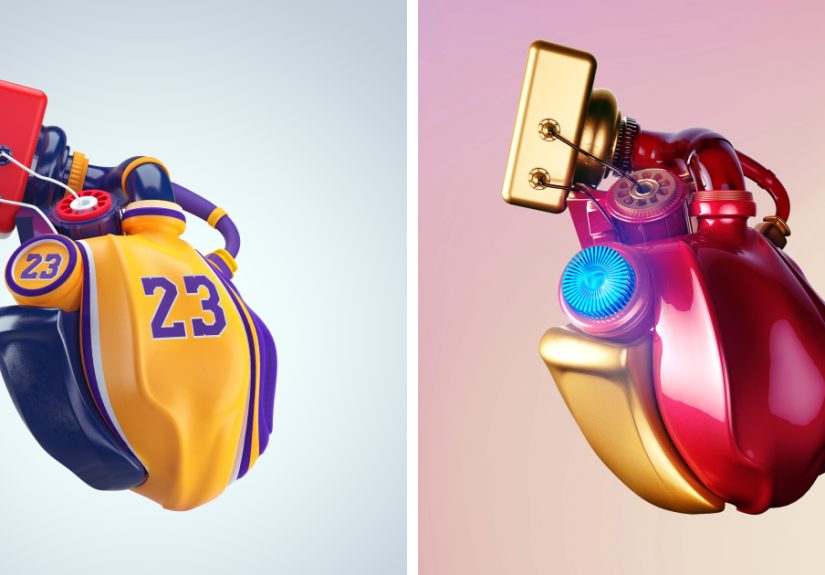
At its core, my Cryptohearts project is a crypto art / NFT collection built around one simple idea:
a heart is a canvas. In early write-ups of the concept, “#Cryptoheart” is described as the base shape where anything
can be drawn or conveyedbasically a tiny emotional billboard that doesn’t need permission to exist. That framing matters,
because it turns “a heart icon” into a repeatable format for storytelling, symbolism, and style evolution.
What Cryptohearts Is (and What It’s Not)
Cryptohearts is a set of digital collectiblescommonly called NFTs (non-fungible tokens)where each token is unique and
can represent ownership of a specific piece of digital art or media. In plain English: it’s not “a JPEG on the internet,”
it’s a record of ownership and authenticity that lives on a blockchain, tied to artwork and metadata.
And here’s the important part: Cryptohearts is not meant to be a “get rich quick” machine, a guaranteed investment,
or a magical money fountain fueled by vibes. If anything, it’s closer to an art project that uses Web3 rails for provenance,
collecting, and communityplus a practical set of choices about security, storage, and compliance so it can survive long after
the initial hype cycle.
The Creative Concept: A Heart as a Format
Why hearts? Because hearts are universal, instantly readable, and emotionally overloaded in the best way.
A heart can mean love, grief, resilience, sarcasm (“aww”), or pure chaos (“why am I like this?”). That flexibility is the point.
In Cryptohearts, the heart shape stays consistent while the message changes.
How the “heart canvas” keeps the collection coherent
Collections that last tend to have a recognizable silhouette or visual rule. Cryptohearts uses the heart as that rule.
From there, I can experiment with different art directionsminimal line art, abstract textures, animated GIF-style loops,
surreal collagewithout losing the thread. It’s like having one stage and endlessly swapping the set design.
Storytelling beats that don’t require a novel
Every Cryptoheart can carry a micro-story: a color palette tied to a mood, a symbol that references a community moment,
or a seasonal theme (because the internet loves a holiday drop). This structure makes it easier to release new work in “chapters”
without needing a 40-page lore PDF that nobody reads (including the author after week two).
The Tech Foundation: What Actually Makes It an NFT Project
If the heart is the face, the smart contract is the skeleton. The contract defines what gets minted, who owns it,
and how marketplaces recognize the tokens.
Picking a standard: ERC-721 (the “classic” NFT shape)
Most art-focused NFT collections use the ERC-721 standard, which is designed for unique tokens. It’s widely supported across
wallets and marketplaces, and it’s the easiest path to compatibility. A typical approach is to build on audited, community-vetted
implementations and then customize only what you truly needbecause “creative” is great in art, but risky in security.
Metadata: where the meaning lives
NFT metadata is the descriptive layer that tells the world what a token isname, description, image, animation,
and traits (like “Neon,” “Broken Halo,” or “Mood: Unbothered”). Metadata is usually a JSON file referenced by the token.
If the metadata disappears, the token still exists, but it becomes like a museum label that fell off the wall:
technically fine, emotionally confusing.
Storage: keep the art from turning into a “404 collectible”
A practical NFT project plans for content persistence. Instead of hosting images on a single server (which can vanish, move,
or change), many creators store NFT media and metadata using IPFS (InterPlanetary File System) so content is addressed by what it
is (its hash) rather than where it happens to live. The goal is durability: collectors should be able to view the art
years later without a scavenger hunt.
Designing the Collection: Supply, Traits, and Taste
“How many?” is a creative question disguised as a math problem. Too few can make a project feel inaccessible; too many can dilute
attention. The best supply is the one that matches your production capacity, your community size, and the level of detail
you can sustain without burning out.
1/1 Cryptohearts vs. editioned drops
- 1/1 pieces feel like original paintingshighly personal, often more curated, and easier to connect to a story.
-
Editions (multiple copies of the same artwork) lower the barrier to entry and can help new collectors join without needing
“legendary artifact” budgets.
Cryptohearts can work in either model. The key is consistency: collectors should understand what “a drop” means in your world.
Surprise is fun; confusion is not.
Trait systems that don’t feel like a spreadsheet
If you use traits, make sure they support the art direction instead of overwhelming it. Traits are most memorable when they are
meaningful (tied to a theme or emotion) rather than purely random (“Background #47: Slightly Different Beige”).
Great trait design also helps SEO because people search for specific aestheticsneon heart art, glitch style NFTs, animated crypto art,
and so on.
Minting and Distribution: How People Actually Get a Cryptoheart
The mint is the moment your art meets reality. It’s also where projects accidentally invent new ways to panic in public.
A solid mint plan prioritizes fairness, clarity, and a smooth user experience.
Mint styles that fit art projects
- Timed drops: smaller releases on a schedule (weekly, monthly, seasonal).
- Allowlist + public: early access for engaged community members, then wider access.
- Open edition window: a limited time period where anyone can mint, then it closes forever.
The best option depends on your goals. If you want a slow-burn art project, timed drops and open-edition windows can reduce the
“gas war” culture and keep the vibe more gallery than casino.
Creator earnings and royalties: reality check included
A lot of people think NFT royalties are automatic, forever. In practice, resale fees often depend on marketplace policies and
the contract design. Some platforms let creators set preferred earnings and, in certain cases, enforce them if the contract type
supports itwhile other approaches may make royalties optional. The sustainable strategy is to treat royalties as nice when they happen,
not as your only business model.
Community: The Real “Utility” Is People Caring
If Cryptohearts has “utility,” it’s emotional utility: a symbol people want to use, share, collect, and talk about.
Community doesn’t mean spamming “GM” until your keyboard needs therapy. It means creating a place where collectors feel seen,
creativity is rewarded, and updates are honest.
Ways Cryptohearts builds community without cringe
- Behind-the-scenes: sketches, failed experiments, color palette tests, and “why this piece exists.”
- Collector spotlights: show how people display or interpret their Cryptohearts.
- Theme votes: occasional community input on drop themes (without letting democracy destroy the art direction).
- Real boundaries: clear rules against scams, impersonation, and harassment.
Security and Trust: Protect the Project Like It’s Valuable (Because It Is)
Crypto projects attract attention. Some of it is fans. Some of it is scammers with the personality of a broken vending machine.
Security is not a bonus feature; it’s part of the product.
Smart contract security: boring on purpose
Audits and security reviews exist for a reason: smart contracts can lock value in place, and mistakes can be permanent.
Teams that take security seriously use battle-tested libraries, keep the codebase simple, test relentlessly, and get professional
reviews when the scope warrants it.
Wallet safety: the “seed phrase” is not customer support material
If you run a community, you will eventually see someone get targeted. So you set expectations early:
never share a secret recovery phrase, never trust “support” DMs, and treat wallet access like the keys to your home.
A single pinned message that explains this can prevent a lot of heartbreak (Cryptohearts pun fully intended).
Compliance, Ethics, and Not Getting Cozy with Regulators
You don’t need to be a lawyer to respect the basics. You do need to understand that the U.S. treats digital assets seriously:
securities analysis can apply depending on how a project is marketed and structured, taxes may be triggered by sales or transfers,
and sanctions/AML expectations can matter if you operate a platform or provide services.
Securities: don’t market art like an investment contract
U.S. regulators evaluate whether something looks like an investment contract based on facts and circumstances.
That’s why the Cryptohearts tone is intentionally art-first: no promises of profit, no “guaranteed returns,” no “we will pump the floor.”
If your project’s messaging starts sounding like a hedge fund with emojis, you’re creating risk for yourself and your collectors.
Taxes: NFTs and crypto can be taxable events
In the U.S., the IRS treats virtual currency and broader “digital assets” as property for federal tax purposes, and its guidance
explicitly includes NFTs under the digital asset umbrella. That means selling, swapping, or receiving crypto-related value can have
reporting consequences. Even if you hate paperwork, paperwork does not hate you back.
Sanctions and AML awareness: know your touchpoints
If you’re operating beyond “I made art and posted it,” you may run into compliance expectationsespecially if you offer services,
custody, or payments. U.S. guidance discusses how certain virtual-currency business models can trigger money services rules,
and U.S. sanctions guidance emphasizes risk-based compliance in the virtual currency industry. The practical takeaway:
be careful about who you do business with, and document how you reduce risk.
Marketing disclosures: be honest when you’re paid or incentivized
If Cryptohearts ever uses paid promotions, influencer partnerships, affiliate links, or “free mint for posting,” disclosures matter.
U.S. rules around endorsements focus on preventing deceptive advertising. In normal-person terms:
if there’s a material connection, say so clearly.
Brand protection: names and logos are not just vibes
“Cryptohearts” as a brand can be protected like other identifiers. A trademark can be a word, phrase, symbol, design, or combination
that identifies the source of goods or services. If you plan to build long-term, it’s worth understanding the basics of trademarks,
plus what you can and can’t control around fan art, derivatives, and naming collisions.
How I Measure Success (Without Losing the Plot)
Not everything that counts can be charted. But some metrics keep you grounded:
- Collector retention: do people stick around beyond the first mint?
- Secondary behavior: are resales healthy, or is everything pure flipping?
- Community quality: fewer bots, more real conversations.
- Creative stamina: can the project evolve without turning into a chore?
If those are trending the right way, Cryptohearts is doing its job: creating meaningful digital collectibles with real artistic intent.
Final Thoughts: Keep It Heartfelt, Keep It Real
Cryptohearts works because it’s built on a stable format (the heart) and a flexible message (whatever the art needs to say next).
The blockchain side is there to support authenticity, collecting, and communitynot to replace creativity. If I can keep the project
honest, secure, and emotionally resonant, then every Cryptoheart is more than an image. It’s a tiny, stubborn proof that art can travel
through technology without losing its soul.
My Cryptohearts Project: 10 Real-World Experiences That Shaped It (Extended)
Building Cryptohearts taught me that “making art” and “running a Web3 project” are two different sports that happen to share a jersey.
Here are the experiences that changed how I design, launch, and talk about the collectionno fluff, no fake bravado, and only a
modest amount of dramatic sighing.
1) The first “drop day” is always louder than you expect
Even a small release can feel like you opened a tiny digital storefront in the middle of a parade. Questions arrive fast:
“Is the link real?” “Why is gas so high?” “I minted but can’t see it!” I learned to prepare simple, copy-paste answers, pin the
official links in one place, and treat clarity like part of the artwork. Confusion is the quickest way to turn excitement into stress.
2) People love process more than perfection
I used to think only finished pieces mattered. Wrong. Sketches, palette tests, “failed” versions, and the story behind a symbol
consistently got more genuine engagement than a polished announcement graphic. Cryptohearts became stronger when I shared the messy middle
because collectors weren’t just buying a heart, they were joining the making of it.
3) Metadata is the quiet hero (until it isn’t)
One of my biggest lessons: treat metadata like a product feature. If traits are inconsistent, names are sloppy, or descriptions feel
generic, collectors notice. I started reviewing metadata the way an editor reviews a headlinetight, specific, and consistent with the brand voice.
The art is the hook; the metadata is the “liner notes” that helps people connect with it.
4) Security culture has to be repetitive on purpose
The first time I saw a scammer impersonate “support,” it stopped being an abstract risk and became a community responsibility.
I began repeating the same safety reminders: never share recovery phrases, don’t trust random DMs, verify handles, and use official channels.
It felt redundant… until it saved someone. Repetition is not annoying when it prevents theft.
5) Roadmaps should be more honest than ambitious
The internet rewards big promises, but big promises age badly. I learned to keep the Cryptohearts roadmap focused on what I can
actually deliver: consistent drops, thoughtful collaborations, and community moments that don’t require me to invent a metaverse by Tuesday.
“Sustainable” became a design principle, not a buzzword.
6) Royalties are not a plan; relationships are
The creator-economy dream is real, but it’s also complicated by marketplace policies and buyer behavior.
Instead of relying on resale fees, I leaned into value that people can feel: quality art, transparent updates, and experiences that reward
long-term collectors. When people care, they support. When they don’t, no fee switch will save you.
7) Community moderation is part brand identity
Cryptohearts isn’t just “what I post.” It’s what I allow in the space around it. I learned that clear rules and consistent moderation
create trustand trust is the rarest trait of all. A calm, respectful server beats a chaotic one every time, even if chaos looks “busy.”
8) Collaborations work best when the heart stays the hero
Crossovers can be fun, but only when they fit the format. The heart canvas is the anchorcollaborations should feel like a new voice
inside the same world, not a total genre swap that confuses collectors. If it doesn’t read as Cryptohearts at a glance, it’s probably not
the right collab (no matter how trendy it sounds in a group chat).
9) Most “marketing” is just good communication
I stopped thinking of marketing as hype and started treating it like storytelling. What is this drop about? Why does it exist?
What does it explore emotionally or visually? When I answered those questions well, posts performed better and community sentiment stayed healthier.
When I didn’t, the silence was immediate and humbling. The audience isn’t cruel; it’s just busy.
10) The project succeeds when it still feels like art
The biggest experience of all: whenever Cryptohearts started feeling like a transaction-first machine, creativity suffered.
Whenever it stayed art-firstplayful, meaningful, well-craftedthe project felt alive. That’s my north star now.
If the heart stops beating, it’s time to slow down, rethink, and make something I’m proud of again.