Table of Contents >> Show >> Hide
- What Makes Goan Hardwood Dining Chairs Different?
- Why Hardwood Matters
- How to Choose the Right Size
- Comfort: Because Dinner Should Last Longer Than Seven Minutes
- Matching Goan Hardwood Dining Chairs With Your Table
- Best Rooms and Decor Styles for This Look
- Care and Maintenance
- Who Should Buy Goan Hardwood Dining Chairs?
- Final Thoughts
- Experience and Everyday Living With Goan Hardwood Dining Chairs
- SEO Tags
Some furniture whispers. Goan hardwood dining chairs do not. They arrive with presence, a little swagger, and the sort of wood grain that makes people suddenly pretend they know a lot about joinery. Whether you love colonial-era silhouettes, hand-finished wood, woven cane details, or simply want dining chairs that feel less “flat-pack Tuesday” and more “this house has stories,” this style deserves a closer look.
In today’s market, the phrase Goan hardwood dining chairs can describe chairs inspired by Goa’s layered design heritage: Indo-Portuguese influence, handcrafted timber frames, elegant curves, carved or turned details, and a natural warmth that makes a dining room feel immediately more human. Pair that design language with what American buyers care about mostcomfort, durability, scale, and easy maintenanceand you have a category that is both romantic and practical. Which, frankly, is the dream. Beautiful furniture is nice. Beautiful furniture that still feels good after dessert is better.
What Makes Goan Hardwood Dining Chairs Different?
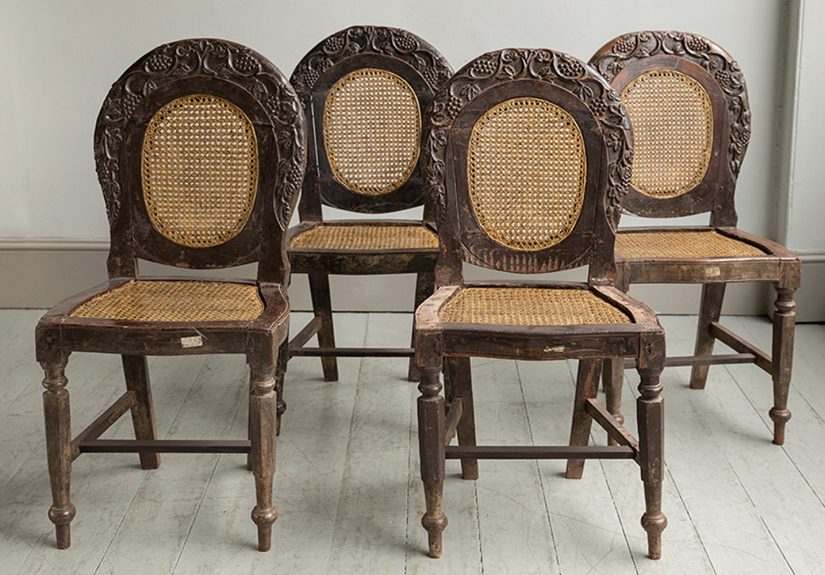
At first glance, Goan hardwood dining chairs often stand apart from mass-market dining seating because they feel crafted rather than merely assembled. Instead of leaning on trendy gimmicks, they tend to highlight the wood itself: visible grain, sculpted backs, hand-finished surfaces, and balanced proportions. Many designs also nod to traditional forms with spindle backs, cane panels, gently curved top rails, or subtly turned legs.
The real magic is in the blend. These chairs can feel old-world and fresh at the same time. They work in a formal dining room, but they also look terrific around a relaxed wood table in a breakfast nook. They bring history without becoming fussy, and character without demanding an entire house renovation. That is an unusually good deal from a chair.
Signature Design Features
Most buyers are drawn to a few recurring details. First is the hardwood frame, which gives the chair visual substance and long-term durability. Second is the shape: many Goa-inspired chairs have backs that are a bit more sculptural than plain ladder-back or slab styles. Third is texture. Cane, woven seats, matte finishes, hand-rubbed stains, or lightly distressed surfaces all help the chair look collected instead of cookie-cutter.
This style also plays especially well with dining spaces that aim for warmth. If your room includes natural fibers, aged metal, stone, linen, or dark wood accents, Goan hardwood dining chairs will likely look as though they have been living there rent-free for years.
Why Hardwood Matters
Hardwood dining chairs earn their keep. Compared with lighter, less durable materials, hardwood frames are generally better equipped to handle daily use, shifting weight, kids who sit sideways for no reason, and that one dinner guest who treats every chair like a step stool. Popular hardwoods in dining furniture include oak, rubberwood, parawood, teak, and sheesham, each offering a slightly different grain pattern and personality.
The appeal is not only toughness. Hardwood also ages well. It develops character, shows off stain beautifully, and usually feels more substantial than chairs made primarily from engineered materials. When kiln-dried and well joined, hardwood chairs are less likely to warp, split, or loosen prematurely. In other words, they can survive both Thanksgiving and ordinary Tuesday spaghetti.
Best Hardwood Traits to Look For
If you are shopping seriously, do not stop at “solid wood” and call it a day. Look deeper. A strong dining chair should have a stable frame, clean joints, and a finish that feels even and intentional. Mortise-and-tenon joinery, reinforced corners, stretchers, and kiln-dried wood are all signs that the chair was built for real life, not just for a glamorous product photo. A contoured wood seat or lightly pitched back can also make a dramatic difference in comfort.
How to Choose the Right Size
Here is where many attractive dining chairs lose the plot. A chair can be gorgeous and still be wildly wrong for your table. American furniture guides are surprisingly consistent on the basics: most dining tables are about 30 inches high, and many dining chair seats fall in the 17- to 19-inch range. The sweet spot is usually enough space between the seat and the underside of the tabletop so people can sit without feeling like their knees are filing a complaint.
Width matters too. If your chairs are too wide, your dining room starts feeling like an airline boarding zone. If they are too narrow, guests may feel perched instead of seated. As a practical rule, plan for about 24 inches of width per person at the table. Armchairs need more breathing room, especially if the table apron hangs low or the legs are chunky. Yes, chunky table legs are charming. They are less charming when they body-check the chairs.
Dining Chair Proportions That Usually Work
For many standard dining tables, a seat height around 18 to 19 inches works beautifully. A seat depth around 17 to 19 inches feels supportive for most adults, while overall chair widths around 18 to 21 inches tend to fit comfortably in a range of dining layouts. High backs look elegant, but in smaller rooms they can feel visually crowded. In tight spaces, a slimmer hardwood chair with an open back or cane panel often keeps the room feeling airy.
Comfort: Because Dinner Should Last Longer Than Seven Minutes
Style gets the first impression, but comfort gets the repeat invitation. The best Goan hardwood dining chairs are not just pretty objects orbiting a table. They are genuinely pleasant to sit in through appetizers, dinner, coffee, and that unexpected forty-minute conversation about whether plants enjoy jazz.
Comfort comes from a combination of factors: seat contour, back angle, support, width, and whether the chair has a hard seat, a cane seat, or upholstery. A shaped wood seat can be surprisingly comfortable, especially when paired with a gently curved back. Cane can feel breathable and light. Upholstered seat pads add softness and make a hardwood chair more forgiving for long meals.
Wood Seat, Cane Seat, or Upholstered Seat?
A wood seat is classic, low-maintenance, and visually clean. It suits households that want a crisp look and easy wipe-down care. A cane seat adds texture and a handcrafted feel; it is especially appealing in spaces that blend colonial, tropical, or collected design influences. An upholstered seat offers the most comfort for long gatherings and softens the look of a wood-heavy room. There is no universal winner here. The best choice depends on whether you prioritize easy care, visual texture, or all-evening comfort.
Matching Goan Hardwood Dining Chairs With Your Table
Good news: your chairs do not have to match your dining table exactly. In fact, they often should not. A perfect match can feel a little too showroom, like the furniture equivalent of wearing denim on denim on denim and calling it a personality. Better interiors usually aim for coordination, not cloning.
Goan hardwood dining chairs pair especially well with solid wood tables, pedestal tables, trestle tables, and even stone-top tables that need visual warmth. Dark-stained chairs look dramatic against a lighter oak or natural-wood table. A blackened or espresso finish can make the room feel more tailored, while medium brown tones feel relaxed and timeless. Cane-back or spindle-back versions can also break up a visually heavy dining set and keep the room from feeling too dense.
Mix-and-Match Styling Ideas
Try using side chairs along the table with two armchairs at the ends. That approach gives the room a designed look without becoming chaotic. Another smart move is mixing chairs that share one common elementsimilar height, finish family, or materialeven if the silhouettes differ. This keeps the dining room interesting while preserving harmony. Think of it as a dinner party where everyone has different opinions but still agrees on dessert.
Best Rooms and Decor Styles for This Look
One reason Goan hardwood dining chairs have lasting appeal is their versatility. They can lean traditional, colonial, rustic, eclectic, coastal, or even modern, depending on the table and surrounding decor. Put them beside a dark wood sideboard and brass chandelier, and they feel refined. Pair them with white walls, linen curtains, and a simple ceramic centerpiece, and they suddenly feel breezy and collected.
They are particularly effective in rooms that need warmth and texture. If your dining room has hard surfaces everywheretile, stone, glass, metala hardwood chair helps rebalance the space. It adds visual weight without making the room feel sterile. In open-concept homes, this matters even more because dining furniture often has to hold its own between the kitchen and living area.
Care and Maintenance
Hardwood dining chairs are durable, but they are not invincible. Daily care is simple: dust regularly with a soft cloth, wipe up spills quickly, and avoid letting moisture hang around like it pays rent. Use a cleaner made for finished wood only when needed, and avoid soaking the surface. Too much water is a fast way to make wood grumpy.
For chairs with cane seats or backs, treat them more gently. Vacuum lightly with a brush attachment or dust carefully so the weave stays clean. Avoid dropping heavily onto the seat, and keep the chair away from very dry heat sources that can make natural materials brittle over time. If the finish dulls, choose products suitable for the specific finish rather than improvising with mystery sprays from under the sink.
How to Keep Them Looking Expensive
Add felt pads to the feet, rotate chairs occasionally if some get heavier use, and tighten any hardware before wobble turns into drama. If your chairs are hand-finished or naturally stained, expect subtle variation and a bit of graceful aging. That is part of the charm. A hardwood chair that looks exactly the same after years of dinners, holidays, and everyday life probably lives in a museum, not a home.
Who Should Buy Goan Hardwood Dining Chairs?
These chairs are ideal for buyers who want more character than a generic dining set can offer. They suit homeowners who appreciate craftsmanship, natural materials, and pieces that feel rooted in tradition without looking old-fashioned. They are also a smart choice for people decorating around an existing wood table and trying to add visual depth, texture, or a more collected look.
They may be less ideal for anyone who wants an ultra-minimal, machine-perfect aesthetic or for households that need stackable, featherlight seating above all else. Hardwood chairs usually bring more substanceand more weightthan the most streamlined modern options. But for many people, that sense of permanence is exactly the point.
Final Thoughts
Goan hardwood dining chairs offer something increasingly rare in home furniture: soul. They combine the practical strengths of hardwood construction with the visual richness of handcrafted design. The best versions respect the basicsgood seat height, comfortable proportions, strong joinery, stable finisheswhile adding personality through texture, carving, cane, or sculptural form.
If you choose carefully, these chairs can anchor a dining room for years without feeling dated. They are not chasing trends. They are setting the table for real life: weekday meals, holiday gatherings, long conversations, and the occasional dramatic retelling of a story everyone at the table has already heard twice. That is not a flaw. That is what dining rooms are for.
Experience and Everyday Living With Goan Hardwood Dining Chairs
The most interesting thing about living with Goan hardwood dining chairs is that people notice them before they fully understand why. It usually starts with a guest running a hand along the backrest or tapping the seat lightly, as if the chair has just introduced itself. These chairs have that effect. They do not scream for attention, but they create a feeling that the room has been considered, layered, and loved over time.
In everyday use, owners often appreciate the balance between beauty and sturdiness. A family with kids may start out choosing hardwood chairs because fabric felt risky and light-colored upholstery sounded like an open invitation to tomato sauce. What they often discover is that a well-made hardwood chair is wonderfully forgiving. It wipes down easily, stands up to constant use, and still looks polished even when the rest of the day has been absolute chaos. That matters. Furniture should support real life, not require a press conference every time juice gets spilled.
In smaller homes or apartments, Goan-inspired dining chairs can do another clever thing: they make a modest room feel more intentional. A slim hardwood frame with an open back, spindle detail, or cane panel brings texture without visual bulk. Instead of clogging the room, the chairs help define it. Many people find that once these chairs are in place, they decorate less because the seating itself already carries so much character.
There is also an emotional side to hardwood furniture that is hard to fake. A chair with visible grain, hand-finished tone, and small natural variations feels different from something anonymous and factory-smooth. It can remind people of grandparents’ dining rooms, old hotels, heritage homes, or travels that left a mark. That sense of familiarity is one reason hardwood dining chairs remain so compelling. They can feel new while still suggesting continuity.
Hosts especially tend to love these chairs during long meals. A slightly curved back, a shaped seat, or a removable seat cushion can turn what might have been a quick dinner into a slow evening. Guests stay longer when seating is comfortable and the room feels grounded. That is not interior-design magic; that is simply what happens when comfort and atmosphere cooperate.
Over time, the finish may soften a bit, the wood may deepen in tone, and the chairs may collect minor signs of use. Far from ruining them, that wear often improves the look. Hardwood furniture tends to age like a good leather journal or a well-loved cutting board: not pristine, but richer. Many owners end up liking their chairs more after a few years than they did on delivery day.
That is probably the best argument for Goan hardwood dining chairs. They are not disposable, and they do not feel temporary. They become part of the rhythm of a home. Breakfast, homework, holiday meals, late-night tea, birthday cake, awkward family debates, and unexpectedly lovely ordinary eveningsall of it happens in those chairs. In the end, that is what great dining furniture should do. It should look good, feel good, and quietly earn a place in the story of the house.