Table of Contents >> Show >> Hide
Gout has a reputation problem. Mention it at a dinner table and someone will inevitably joke about kings, feasts, or a tragic relationship with steak. Funny? Sometimes. Helpful? Not even a little. The truth is that gout is a form of inflammatory arthritis caused by a buildup of uric acid, which can form crystals in joints and trigger sudden, intense pain. Diet matters because certain foods and drinks can raise uric acid or make flare-ups more likely. But here is the important plot twist: food is only part of the story.
Genetics, kidney function, body weight, insulin resistance, medications, alcohol use, and other health conditions all play a role. So if you have gout, this is not a character flaw, a punishment for enjoying barbecue, or proof that you once looked too lovingly at a cheeseburger. Still, food choices can absolutely help. A smart eating pattern may lower flare risk, support a healthier uric acid level, and make it easier for medication to do its job if you need it.
This guide breaks down the gout diet in plain English: what foods to limit, what foods to enjoy more often, and the habits that make everyday life less painful and a lot less confusing.
What Gout Has to Do With Diet
Gout develops when uric acid levels in the body stay high enough for crystals to form. Uric acid is produced when the body breaks down purines, which are natural compounds found in your cells and in many foods. You cannot remove purines from life entirely, nor should you try. The goal is to cut back on the biggest dietary troublemakers and build an overall pattern that supports lower inflammation, healthier metabolism, and better kidney function.
That is why the best gout diet is not just a giant “do not eat” sign hanging over your kitchen. In real life, the most sustainable plan looks a lot like a DASH-style or Mediterranean-style eating pattern: more vegetables, fruit, whole grains, beans, nuts, and low-fat dairy; less red meat, fewer sugary drinks, less alcohol, and smaller portions of high-purine animal foods. In other words, your plate should look more like a calm adult made it and less like a sports bar challenge.
One more thing: diet may help reduce flares, but it does not replace proper treatment for everyone. Many people with recurrent gout still need medication to control uric acid long term. Food can help move the needle. It is not always the whole toolbox.
Foods to Restrict if You Have Gout
1. Organ meats and game meats
If gout had a most-wanted list, organ meats would be near the top. Liver, kidneys, sweetbreads, and similar meats are extremely high in purines. Game meats such as venison can also be a problem. These foods are concentrated sources of the stuff your body turns into uric acid, so they are usually best avoided rather than “mostly limited.”
2. Red meat and oversized portions of animal protein
Beef, lamb, and pork are not automatically forbidden forever, but portion size matters. Frequent large servings can push uric acid in the wrong direction. Gout management often goes better when red meat becomes an occasional guest instead of a daily roommate. Think smaller portions, fewer repeat appearances, and more meals built around plant proteins or leaner options.
3. Certain seafood
Some seafood is notably high in purines, including anchovies, sardines, shellfish, mussels, scallops, herring, cod, and similar choices. Tuna may also be an issue for some people. This does not mean every fish is banned forever, but if you are prone to flares, these are foods to keep modest and infrequent. Seafood can still fit in a heart-healthy diet, just not in giant portions with a side of denial.
4. Beer, liquor, and heavy alcohol use
Alcohol is a major gout trigger for many people, especially beer and distilled liquor. Beer is particularly tricky because it delivers alcohol plus purines. Even if wine seems to be less strongly linked than beer in some cases, moderation still matters. During a flare, avoiding alcohol altogether is the safest move. Between flares, many people do best with strict limits rather than wishful thinking.
5. Sugary drinks and foods high in fructose
Soda, sweet teas, energy drinks, fruit punches, and products made with high-fructose corn syrup can raise uric acid and increase gout risk. This is one of the most important diet changes because sugar-sweetened beverages are easy to overconsume and offer almost no nutritional payoff. A giant soda may feel innocent, but your joints may file a formal complaint later.
Also watch heavily sweetened cereals, bakery items, sauces, dressings, snack bars, and packaged desserts. Fructose can hide in foods that do not scream “dessert,” which is rude but very on-brand for processed food.
6. Processed meats, meat gravies, and ultra-processed junk
Bacon, sausage, meat extracts, meat-heavy gravies, and highly processed convenience foods can add purines, saturated fat, sodium, and calories without doing your overall health any favors. Gout often travels with high blood pressure, kidney disease, diabetes, or metabolic syndrome, so the more your eating pattern supports heart and kidney health, the better.
7. Crash diets and prolonged fasting
This one is not exactly a “food,” but it deserves a warning label. Rapid weight loss, frequent prolonged fasting, and extreme dieting can backfire and potentially trigger flares. Your body likes steady, boring progress better than nutritional drama. Slow and sustainable wins this race.
Foods to Enjoy More Often
1. Low-fat dairy products
Low-fat milk, yogurt, and other reduced-fat dairy foods are often recommended for people with gout. They provide protein and nutrients without the same gout baggage seen with high-purine meats. Unsweetened yogurt with fruit is a much stronger move than pretending a frosted pastry is “basically breakfast.”
2. Vegetables, including the ones people wrongly fear
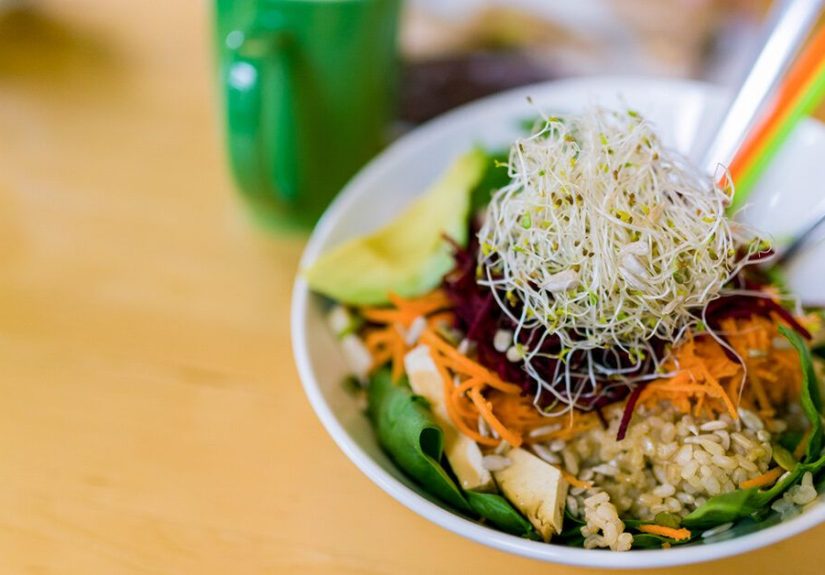
For years, some people worried that vegetables with purines would trigger gout the same way meat and seafood do. Thankfully, your spinach is not secretly plotting against your big toe. Vegetables, even those with moderate purine content, are generally encouraged as part of a healthy gout-friendly eating pattern. Load up on leafy greens, broccoli, peppers, carrots, cucumbers, tomatoes, cauliflower, and whatever produce you will actually eat consistently.
3. Beans, lentils, tofu, nuts, and other plant proteins
Plant proteins are useful because they help you cut back on meat while still eating satisfying meals. Beans, lentils, tofu, edamame, nuts, and seeds can fit well in a gout-friendly diet. They contain purines too, but plant-based sources do not appear to carry the same flare risk as high-purine animal foods. In practical terms, a lentil bowl is usually a better gamble than a double bacon cheeseburger.
4. Whole grains
Oats, brown rice, quinoa, barley, whole-wheat bread, and other whole grains support better overall health and may help with weight management and blood sugar control. That matters because gout rarely shows up alone. A plate that supports your blood pressure, waistline, and kidneys is doing more than one job at once.
5. Fruit, especially cherries and vitamin C-rich options
Whole fruit is generally encouraged, even though fruit contains natural sugar. Cherries get the most attention because some research suggests they may help lower the risk of gout flares. Citrus fruits, berries, strawberries, and peppers also bring vitamin C and antioxidants to the table. The key word is “whole.” Eating an orange is not the same as chugging a giant sugary “fruit drink” that contains very little actual fruit and a whole lot of bad decisions.
6. Water and unsweetened beverages
Good hydration helps your kidneys do their job and may reduce the chance of dehydration-related flares. Water should be the default beverage for most people with gout unless a clinician has placed them on fluid restrictions. Unsweetened coffee may also fit for many people, and some evidence suggests it may be associated with lower uric acid, though it is not a substitute for treatment. Coffee is helpful when it is coffee, not when it is a milkshake wearing a coffee costume.
7. Healthy fats in reasonable amounts
Olive oil, avocado, nuts, and seeds fit well in a Mediterranean-style pattern. They can help replace foods rich in saturated fat and support heart health, which matters because gout often overlaps with cardiovascular risk factors. Butter-heavy, fried, greasy meals may not directly cause every flare, but they rarely help the bigger picture.
Other Guidelines That Actually Make a Difference
Build a gout-friendly pattern, not a panic diet
The most practical approach is to follow a DASH-style or Mediterranean-style eating pattern. That means emphasizing vegetables, fruits, whole grains, beans, nuts, low-fat dairy, and healthy fats while limiting red meat, processed food, added sugar, and alcohol. You do not need to eat perfectly. You do need a pattern that is good most of the time.
Lose weight slowly if you need to
If you are overweight, gradual weight loss may help lower uric acid and reduce gout attacks. Notice the word gradual. This is not a call to starve yourself, live on celery juice, or become emotionally attached to a 72-hour cleanse. Steady calorie reduction, better food quality, and regular movement are far more helpful than dramatic short-term restriction.
Pay attention to portion size
Even foods that can fit into a gout diet can become a problem in huge portions. A small serving of lean poultry or fish is different from a protein mountain built like it is preparing for hibernation. Portion awareness matters, especially with animal protein and alcohol.
Review your medications and other health conditions
Some medications, such as certain diuretics, can increase uric acid levels. High blood pressure, kidney disease, insulin resistance, obesity, and sleep-related issues can also complicate gout. If you keep getting flares despite “eating clean,” that does not mean you failed. It may mean the problem is bigger than food and needs a medical review.
Do not rely on food alone if your gout is frequent
Diet can help, sometimes significantly, but recurrent gout often needs medication as well. If you have repeated flares, tophi, kidney stones, or persistently high uric acid, talk with your clinician. Cherry juice cannot negotiate with a severe uric acid problem all by itself.
A Simple Gout-Friendly Day of Eating
Breakfast: Plain low-fat Greek yogurt with cherries, strawberries, and oats, plus black coffee or water.
Lunch: Quinoa bowl with mixed greens, cucumber, tomatoes, chickpeas, olive oil, lemon, and a small portion of grilled chicken or tofu.
Snack: Apple with a handful of unsalted almonds.
Dinner: Baked salmon or tofu, roasted vegetables, and brown rice, with sparkling water and lime instead of soda or beer.
Dessert: Fresh fruit or unsweetened yogurt rather than a syrupy pastry parade.
That is not the only way to eat for gout, but it shows the general idea: fewer triggers, more fiber, less sugar, more plants, and enough protein to keep you from raiding the freezer at 10 p.m.
Common Mistakes People Make With a Gout Diet
- They focus only on meat and forget sugar. Soda and high-fructose products are often major triggers.
- They avoid all protein. You still need protein; the trick is choosing smarter sources more often.
- They fear vegetables. Most vegetables are encouraged, including many that contain purines.
- They treat cherries like a miracle cure. Helpful for some people, yes. Magic? No.
- They save up their alcohol for weekends. Your body does not consider binge drinking a clever loophole.
- They try a crash diet. Fast, extreme restriction can make things worse.
- They ignore the need for medical treatment. If flares keep happening, food alone may not be enough.
Real-World Experiences People Commonly Have With Gout and Diet
People living with gout often describe a similar learning curve. At first, they assume the problem came from one dramatic meal. A giant steak dinner, a seafood boil, a tailgate full of beer, or a holiday weekend with all the usual suspects gets blamed as the single villain. Then they realize the pattern is usually bigger than one plate. It is often the combination of regular habits: frequent red meat, sugary drinks, dehydration, extra weight, too much alcohol, poor sleep, and other health issues quietly building up in the background.
One common experience is the “I cut out one thing, so why am I still flaring?” phase. Someone gives up steak but keeps drinking soda. Someone stops eating shellfish but still has several beers on the weekend. Someone eats less meat but replaces it with ultra-processed snacks, sweet coffee drinks, and giant portions. This is where many people discover that the gout diet works best as an overall pattern, not a single heroic food sacrifice. Your body is looking for consistent relief, not one dramatic act of nutritional theater.
Another common experience is surprise over plant-based meals. Many people expect gout eating to feel restrictive, bland, or joyless. Then they try meals built around beans, lentils, roasted vegetables, grains, yogurt, fruit, eggs, or tofu and realize they feel full, their energy is steadier, and they do not miss the constant meat overload as much as expected. A lunch that includes brown rice, black beans, avocado, salsa, and greens often turns out to be more satisfying than a lunch that leaves you sleepy and thirsty two hours later.
Hydration is another pattern people notice quickly. Some patients say that before they started paying attention, they were basically running on coffee, soda, and wishful thinking. Once they began drinking water more regularly, especially on hot days, travel days, or after exercise, they noticed fewer “I can feel something brewing” moments. It is not glamorous advice, but then again, neither is limping because your toe feels like it lost a bar fight.
Alcohol is also where real-life experience gets brutally honest. Many people discover that they tolerate small amounts poorly, especially beer. Others notice that one drink may be fine but several over a weekend is asking for trouble. It is not unusual for people to connect flares with celebrations, cookouts, vacations, or sporting events, which can feel unfair because apparently gout hates fun. Still, recognizing that pattern helps people make smarter trade-offs instead of acting shocked every Monday.
Weight loss stories around gout are usually revealing too. People often report that slow, sustainable weight loss helps, while extreme dieting does not. Those who make gradual changes, such as walking daily, cutting sugary drinks, eating more home-cooked meals, and reducing portions, tend to have better long-term success than those who swing between “perfect eating” and rebound overeating. The lesson is deeply unsexy but incredibly effective: consistency beats intensity.
Finally, many people describe a mindset shift. They stop asking, “What single food caused this?” and start asking, “What pattern supports fewer flares?” That question leads to better choices: more water, fewer sugary drinks, smaller portions of red meat, less alcohol, more plants, more sleep, better follow-up care, and less dependence on internet folklore. In the end, the best diet for gout is not punishment. It is strategy.
Final Thoughts
If you have gout, the goal is not to create a perfect diet. The goal is to lower your risk of flares, support a healthier uric acid level, and make your overall health better rather than worse. The big moves are clear: restrict organ meats, limit red meat and high-purine seafood, avoid sugary drinks, cut back hard on alcohol, drink water regularly, and build meals around vegetables, fruit, whole grains, low-fat dairy, and plant proteins.
Think of it this way: gout-friendly eating is less about misery and more about choosing the foods that do not pick a fight with your joints. When you make those choices consistently, your body often notices. And unlike your gout flare, it probably will not wake you up at 2 a.m. to discuss it.