Table of Contents >> Show >> Hide
- Why Grilled Halibut Belongs in Your Dinner Rotation
- Ingredients for Grilled Halibut With Lemon-Basil Vinaigrette
- Step-by-Step: How to Grill Halibut With Lemon-Basil Vinaigrette
- How to Keep Halibut Juicy, Not Dry
- Serving Ideas and Easy Variations
- Nutrition Notes: Is Grilled Halibut a Healthy Choice?
- Make-Ahead and Leftovers Tips
- Grilled Halibut Experiences: What Real-World Cooking Teaches You
- Conclusion: A Bright, Fresh, Foolproof Grilled Halibut Dinner
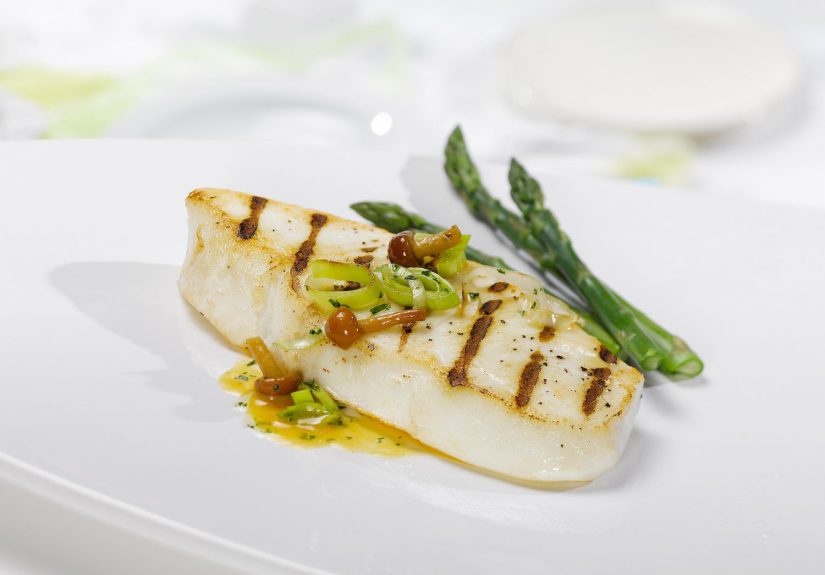
If you’re looking for a seafood dinner that tastes like it came from a coastal restaurant
but cooks faster than your group chat can decide on a movie, this grilled halibut recipe
with lemon-basil vinaigrette is it. Halibut is a firm, mild white fish that holds up
beautifully on the grill, and the bright, herby vinaigrette brings sunshine to every bite.
In this guide, you’ll get a step-by-step grilled halibut recipe, an ultra-fresh
lemon-basil vinaigrette, pro tips to keep the fish moist instead of sad and dry, plus
serving ideas and real-world grilling experiences to help you nail it on the first try.
Why Grilled Halibut Belongs in Your Dinner Rotation
Halibut is a lean, protein-packed fish with a pleasantly meaty texture. Because it’s firm,
it doesn’t fall apart on the grill the way delicate fillets sometimes do, which makes it
a great choice for beginners. Its flavor is mild and slightly sweet, which means it plays
nicely with big, bold toppings like a lemon-basil vinaigrette, herb butter, or citrus
salsas.
The only catch? Halibut dries out easily if you overcook it. That’s why temperature
control and timing are everything. Aim for a tender, just-opaque center and let the
zesty vinaigrette add extra moisture, flavor, and a gorgeous glossy finish.
Ingredients for Grilled Halibut With Lemon-Basil Vinaigrette
For the Halibut
- 4 halibut fillets or steaks (5 to 6 ounces each, about 3/4 inch thick)
- 2 tablespoons olive oil (plus more for oiling the grill grates)
- 1 teaspoon kosher salt
- 1/2 teaspoon freshly ground black pepper
- 1/2 teaspoon garlic powder (optional, for extra flavor)
- Lemon wedges, for serving
For the Lemon-Basil Vinaigrette
- 3 tablespoons fresh lemon juice
- 2 tablespoons extra-virgin olive oil
- 2 small garlic cloves, finely minced or pressed
- 1 teaspoon finely grated lemon zest
- 3 to 4 tablespoons fresh basil, finely chopped
- 2 teaspoons capers, drained and roughly chopped (optional but highly recommended)
- 1/4 teaspoon kosher salt, plus more to taste
- 1/8 teaspoon freshly ground black pepper
This combination gives you a bright, punchy vinaigrette that doubles as a marinade
and a finishing sauce. The capers add a briny note that pairs beautifully with the
richness of grilled halibut.
Step-by-Step: How to Grill Halibut With Lemon-Basil Vinaigrette
1. Make the Lemon-Basil Vinaigrette
-
In a small bowl, whisk together the lemon juice, olive oil, minced garlic,
and lemon zest until the mixture looks slightly thick and emulsified. -
Stir in the chopped basil and capers. Season with salt and pepper to taste.
The flavor should be bright, lemony, and a little salty from the capers. -
Set aside at room temperature. If you make it ahead, refrigerate it and bring
it back toward room temperature before serving so the flavors are vivid.
Tip: When a recipe uses both lemon zest and juice, always zest the lemon first.
It’s much easier to grate a whole lemon than one that’s been cut and juiced.
2. Prep the Halibut
- Pat the halibut fillets dry with paper towels. This helps them sear instead of steam.
- Brush both sides of the fish lightly with olive oil.
- Sprinkle with kosher salt, black pepper, and garlic powder if using.
-
Spoon about 1 tablespoon of the lemon-basil vinaigrette over the fish and spread
it gently. This acts like a quick marinade and flavor booster.
3. Preheat and Prep the Grill
Preheat your gas or charcoal grill to medium-high heat. You want the grill hot enough
to sear and create nice grill marks, but not so hot that the fish burns before it cooks
through.
- Preheat to about 400°F (moderately hot grill surface).
- Clean the grates thoroughly with a grill brush.
-
Oil the grates: Fold up a paper towel, dip it in a small bowl of oil, and use tongs
to rub it over the hot grates. This helps keep delicate fish from sticking.
4. Grill the Halibut
-
Place the halibut on the grill, skin-side down if the skin is still attached.
Close the lid and let it cook undisturbed for 3 to 4 minutes, depending on
thickness. -
Carefully flip the fish using a thin spatula or a fish spatula. If it doesn’t
release easily, give it another 30 seconds and try again. -
Grill the second side for another 3 to 4 minutes, or until the fish is just
opaque in the center and flakes easily with a fork.
For the best balance of safety and texture, many cooks aim to pull halibut when
the internal temperature reaches about 130°F to 135°F, measured at the thickest
part with an instant-read thermometer. It will carry over a few degrees as it
rests. For strict food-safety guidelines, fish is considered fully cooked at an
internal temperature of 145°F. Choose your target based on your comfort level
and local recommendations.
5. Finish With the Vinaigrette
- Transfer the grilled halibut to a serving platter or individual plates.
- Spoon more lemon-basil vinaigrette generously over the top of each piece.
-
Garnish with extra basil leaves and lemon wedges. Serve immediately while
the fish is hot and the vinaigrette is fragrant.
How to Keep Halibut Juicy, Not Dry
Halibut is famously unforgiving when overcooked, but a few smart moves make a big
difference. Think of this as your grilled halibut insurance policy:
-
Use a thermometer. Because halibut is thick and lean, the outside can
look done while the inside is still raw (or vice versa). A quick temperature check
helps you pull it at the perfect moment. -
Avoid high, raging heat. Medium-high is enough. Super-high heat can
char the outside while leaving the center underdone or dry. -
Don’t walk away. Fish cooks fast. Stay nearby and start checking at
the 6- to 7-minute total mark for thinner fillets. -
Let it rest briefly. Rest the halibut for about 3 minutes off the heat.
This allows juices to redistribute and carryover heat to finish the cooking. -
Lean fish loves sauce. A flavorful vinaigrette, herb butter, or citrus
drizzle adds moisture and richness to every bite.
Serving Ideas and Easy Variations
One of the best parts of this grilled halibut recipe is how flexible it is. You can
serve it on its own or build out a full seafood dinner spread.
Great Sides for Grilled Halibut
-
Grilled vegetables: Zucchini, asparagus, bell peppers, or cherry tomatoes
cook quickly and love sharing grill space with halibut. -
Herbed rice or quinoa: A light, lemony rice pilaf or quinoa with herbs
soaks up any extra vinaigrette. -
Simple salad: Mixed greens with a light lemon dressing and shaved
Parmesan keep the meal fresh and bright. -
Roasted potatoes: Crispy baby potatoes or smashed potatoes bring a bit
of comfort-food energy to an otherwise light plate.
Flavor Twists to Try
-
Lemon-herb upgrade: Swap some basil for parsley, chives, or fresh
oregano for a mixed-herb vinaigrette. -
Spicy kick: Add a pinch of red pepper flakes or a touch of Dijon mustard
to the vinaigrette for gentle heat and tang. -
Mediterranean style: Toss halved cherry tomatoes, olives, and a few thin
slices of red onion with the vinaigrette and spoon over the fish. -
Citrus swap: Use a mix of lemon and orange juice for a slightly sweeter,
more complex citrus profile.
Nutrition Notes: Is Grilled Halibut a Healthy Choice?
Grilled halibut is an excellent option if you want a lean protein that doesn’t feel
heavy. A typical 5- to 6-ounce serving of halibut delivers plenty of high-quality
protein with relatively little fat and almost no carbohydrates. The modest amount of
olive oil in this recipe adds heart-healthy monounsaturated fats, while lemon and basil
provide fresh flavor without extra calories.
Because this recipe is naturally low in carbs and can easily be made gluten-free, it
works well with many eating styles, including Mediterranean-style diets and lower-carb
approaches. Pair it with plenty of vegetables and whole grains for a balanced plate.
Make-Ahead and Leftovers Tips
-
Make-ahead vinaigrette: You can prepare the lemon-basil vinaigrette up
to a day in advance. Store it in the refrigerator, then bring it to room temperature
and stir before serving. Add the basil close to serving time for the brightest color. -
Marinating time: Because halibut is delicate, don’t marinate it in an
acidic mixture for hours. A brief 15- to 30-minute rest with a bit of vinaigrette is
plenty. -
Storing leftovers: Refrigerate leftover grilled halibut in an airtight
container for up to 2 days. Reheat gently or enjoy chilled. -
Repurposing leftovers: Flake leftover halibut into a salad, tuck it into
warm tortillas for fish tacos, or serve it over grains with extra vinaigrette as a
quick lunch bowl.
Grilled Halibut Experiences: What Real-World Cooking Teaches You
Cooking halibut on the grill teaches you one big lesson very quickly: timing is
everything. Many home cooks start out treating halibut like chicken, thinking more
time equals better doneness. Instead, it often means dry, chalky fish that no amount
sauce can fully fix. The goal is to learn the sweet spot where the halibut is just
cooked through, flaky, and still moist.
One common experience is the “panic flip.” The grill lid closes, someone starts a
conversation, and before you know it, it feels like you’ve been cooking the fish
forever. Nervous, you start flipping it multiple times to “check,” which actually
increases the risk of sticking and breaking. With halibut, calm confidence goes a long
way: place it, let it sear, then flip once when it naturally releases from the grill
grates.
Another frequent lesson comes from grill setup. Forgetting to oil the grates or put a
little oil directly on the fish leads to a tragic scene where the halibut welds itself
onto the metal. People often learn the hard way that cleaning the grates before cooking
and lightly oiling them is non-negotiable for delicate fish. A fish basket or grill mat
can also be a smart investment, especially if you’re new to grilling seafood.
Temperature habits also tend to change after a few halibut dinners. Many cooks start
without a thermometer and rely on guessworkpressing the fillet with a finger or cutting
into the center repeatedly. Over time, they discover that using an instant-read
thermometer removes the guesswork and actually makes them more relaxed at the grill.
When you know you can pull the fish around 130°F to 135°F for a juicy, flaky texture,
you stop overcooking “just to be safe” and start trusting the process more.
Another experience that shapes how people cook this dish is how dramatically the sauce
changes the overall feel of the meal. Plain grilled halibut is good, but topped with a
bright lemon-basil vinaigrette, it feels like restaurant-level food. Many cooks realize
that thoughtfully made sauces and toppings matter as much as cooking technique. Over
time, they start playing with add-ins like chopped tomatoes, olives, or a little Dijon
mustard to personalize the vinaigrette.
Finally, grilled halibut tends to become a “confidence recipe.” Once someone learns to
grill it without sticking, overcooking, or drying it out, they often use it as a go-to
dish to impress guests. Serving perfectly grilled halibut with a fresh, aromatic
lemon-basil vinaigrette shows that you understand both flavor and technique. The more
often you cook it, the more intuitive the whole process becomespreheating the grill,
oiling the grates, seasoning lightly, watching the clock, checking temperature, and
finishing with a generous spoonful of vinaigrette. Before long, grilling halibut stops
feeling intimidating and starts feeling like second nature.
Conclusion: A Bright, Fresh, Foolproof Grilled Halibut Dinner
Grilled halibut with lemon-basil vinaigrette checks all the boxes: it’s fast enough for
weeknights, special enough for guests, and flexible enough to pair with whatever sides
you have on hand. By focusing on clean grill grates, moderate heat, and careful cooking
time, you can keep halibut tender instead of dry. The simple vinaigrette adds brightness,
moisture, and a burst of fresh basil that transforms a plain piece of fish into a
restaurant-worthy entrée.
Whether you’re firing up the grill in the middle of summer or just pretending it’s
warm outside, this grilled halibut recipe with lemon-basil vinaigrette is a reliable
way to put a fresh, healthy, and flavorful seafood dinner on the table without much
fussor leftovers.