Table of Contents >> Show >> Hide
- Why Halloween Decor Goes Wrong So Fast
- Halloween Decorations That Cross the Line
- 1. Decor That Turns Race, Ethnicity, or Religion Into a Prop
- 2. Nooses, Lynching Imagery, or Execution Gags
- 3. Swastikas, Nazi Aesthetics, or “Shock Value” Hate Symbols
- 4. “Haunted Asylum” and Mental-Illness-as-Horror Decor
- 5. Decorations Based on Real Tragedies
- 6. Decorations That Mock Gender Identity, Disability, or Body Size
- 7. Hyper-Intense Displays That Ignore Kids, Neurodivergent Visitors, and Accessibility
- 8. Unsafe Decorations That Could Literally Backfire
- What to Do Instead: Spooky Without Being Socially Reckless
- What Good Halloween Decor Actually Signals
- Experiences Related to “Halloween Decorations That Might Get You Canceled”
- Conclusion
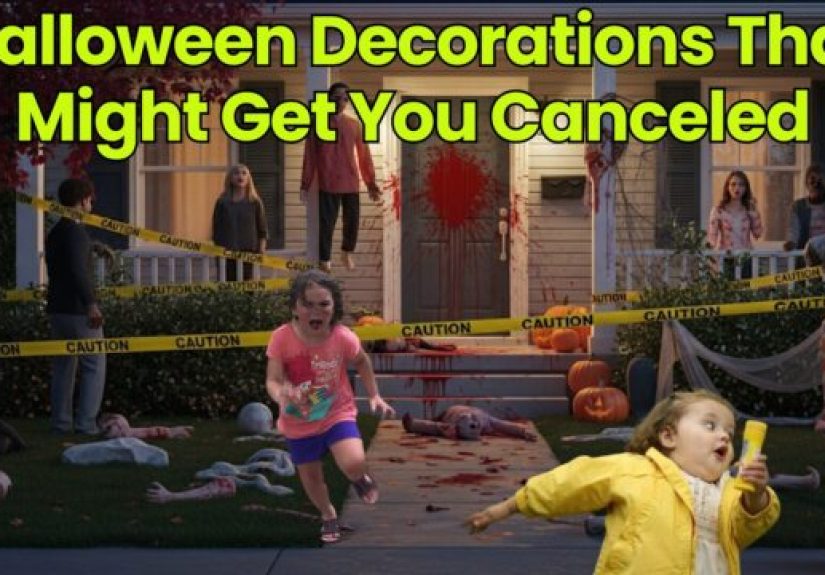
Halloween is supposed to be the fun kind of spooky. Pumpkins grin. Skeletons lounge like they pay rent. A fog machine coughs dramatically from the porch like it’s auditioning for community theater. Done right, Halloween decorations make your home memorable for all the right reasons. Done wrong, they make your house the one neighbors whisper about while clutching mini candy bars and group texts.
That is the weird little magic of holiday decor: it feels private because it is on your lawn, porch, or front door, but it is actually public. The minute you hang it up, your taste becomes neighborhood programming. And while plenty of people still think “offensive Halloween decor” is just another phrase for “people are too sensitive these days,” the truth is simpler. Some displays do not read as edgy. They read as cruel, lazy, historically tone-deaf, or just wildly unnecessary.
So if you are planning a haunted masterpiece this year, here is your cheat sheet for what to avoid. Think of it as a survival guide for anyone who wants a spooky house without accidentally creating a PR crisis at the mailbox.
Why Halloween Decor Goes Wrong So Fast
The biggest Halloween decorating mistakes usually come from one bad assumption: that if something gets a reaction, it must be working. But not every reaction is applause. Sometimes people are not impressed. They are uncomfortable, hurt, or trying to figure out how to explain your porch to a seven-year-old.
Good Halloween decor scares in a playful way. Bad Halloween decor punches down. It uses real pain, stereotypes, trauma, or hate symbols as props. It confuses “dark humor” with “public nuisance in a pumpkin patch.” And in the age of screenshots, neighborhood forums, and very online local Facebook groups, the leap from porch gimmick to social embarrassment is shorter than a skeleton dog in a witch hat.
Halloween Decorations That Cross the Line
1. Decor That Turns Race, Ethnicity, or Religion Into a Prop
Let’s start with the obvious landmine. If your display relies on caricatures of a racial, ethnic, or religious group, it is not festive. It is just offensive with better lighting. That includes mannequins in stereotyped “tribal” costumes, fake “border crossing” jokes, exaggerated sombrero displays, mock geisha imagery, or yard scenes that borrow cultural or sacred imagery without context and flatten it into a Halloween gag.
This is where some people try to get cute and say, “It’s appreciation.” Usually, if you have to draft a defense statement before the candy bowl is even full, you already know the answer. Culture is not a haunted-house accessory. And if the joke depends on reducing a community to a costume trope, it is not a joke with a long shelf life.
The same goes for décor tied to blackface aesthetics, skin-tone alteration, or visual stereotypes. If your yard setup would require a long explanation that begins with “No, no, you don’t understand,” please understand that everyone else already does.
2. Nooses, Lynching Imagery, or Execution Gags
A hanging ghost? Fine. A floating witch? Classic. A noose? Absolutely not.
This is one of the clearest examples of decor that stops being “scary” and starts being socially radioactive. In the United States, noose imagery carries the history of racial terror and lynching. It can also be deeply painful for families affected by suicide. That means a display you thought was grimly theatrical can land as threatening, traumatic, or viciously ignorant.
If your goal is eerie, you have thousands of options that do not involve one of the most loaded symbols in American public life. Try chains, ravens, torn drapery, Victorian mourning vibes, foggy cemetery silhouettes, or a skeleton who clearly has tax debt. Leave the noose out of it.
3. Swastikas, Nazi Aesthetics, or “Shock Value” Hate Symbols
Some people still mistake shock value for originality. It is not. It is just a shortcut for people who ran out of imagination and decided to borrow from history’s worst people.
Swastikas, Nazi uniforms, concentration-camp references, and similar imagery are not edgy Halloween design choices. They are hate symbols or symbols so historically violent that they overwhelm any claim of irony. Yes, context matters in general when symbols are discussed. But in public-facing Halloween decor, there is no such thing as an accidental “cheeky” swastika that lands well. It does not signal sophistication. It signals failure.
The same warning applies to décor using extremist insignias, KKK references, or faux hate graffiti for ambiance. If your display makes Jewish neighbors, Black neighbors, or basically anyone with a functioning moral compass feel unsafe instead of amused, your decorating theme is not “bold.” It is broken.
4. “Haunted Asylum” and Mental-Illness-as-Horror Decor
This one has lingered far too long. Straightjackets on mannequins, “insane asylum” signs, patient wristbands, blood-smeared hospital gowns, and psychiatric-hospital themes are still weirdly common in Halloween displays. They also age like warm milk.
Why? Because they frame mental illness as monstrous, violent, and freakish. That is not clever horror. It is stigma with fake cobwebs on it. The “crazy patient” trope may have been easy shorthand in old haunted attractions, but in 2026 it mostly says your aesthetic vision froze sometime between low-budget slasher movies and a Spirit Halloween clearance bin.
If you want medical or laboratory horror, keep it fictional and creature-based. Haunted alchemist lab? Sure. Mad botanist greenhouse? Go for it. Paranormal specimen room with glowing jars? Very fun. But “mental patient escaped” signs and asylum props are one of the fastest ways to make your display feel mean rather than imaginative.
5. Decorations Based on Real Tragedies
There is a line between horror fiction and real-world suffering. Smart decorators know where it is. Reckless decorators moonwalk over it in clown shoes.
If your porch theme references a pandemic, a mass casualty event, a recent murder case, political violence, or any current tragedy people are still actively grieving, you are not being daring. You are borrowing other people’s pain because you mistook discomfort for artistic depth.
That includes body bags labeled with real-world references, “crime scene” scenes that clearly mirror current headlines, props that parody overdose deaths, or gore displays built around public disasters. Halloween can handle fake terror. It does not need to cosplay fresh trauma.
A good rule: if the subject made national news because real people suffered, it is not your front-yard punchline.
6. Decorations That Mock Gender Identity, Disability, or Body Size
Another category of problematic Halloween decor is anything designed to make a marginalized group the joke. Slur-based signs, transphobic props, fake “ugly woman” mannequins, fat-shaming gags, mock wheelchairs, or crude disability jokes are not rebellious. They are bargain-bin cruelty.
Halloween already gives you zombies, werewolves, alien pumpkins, haunted dolls, cursed libraries, and skeleton flamingos. If you still choose “let’s humiliate actual people,” that is not a creativity problem. That is a values problem.
And no, adding glitter does not help.
7. Hyper-Intense Displays That Ignore Kids, Neurodivergent Visitors, and Accessibility
Not every bad decorating decision is offensive in the identity-politics sense. Some are just inconsiderate. A front path full of strobe lights, screaming motion sensors, jump scares at face level, and blocked steps may be memorable, but not in a charming way.
Little kids can be terrified by décor that feels manageable to adults. Neurodivergent visitors may struggle with sensory overload. Guests using wheelchairs, walkers, or mobility aids may not be able to navigate elaborate obstacles or narrow paths. And if the only way to reach your candy bowl is through a smoke machine, three extension cords, and a twelve-foot animatronic clown that screams every six seconds, congratulations: you have built less of a welcoming porch and more of a low-budget boss level.
Want to be the best house on the block? Make the path clear. Keep at least one route easy to navigate. If you use strobe effects, post a warning. If your house goes full haunted carnival, consider a “gentler side” for younger trick-or-treaters. Spooky can still be thoughtful.
8. Unsafe Decorations That Could Literally Backfire
Some décor will not get you canceled online. It will just get you cursed out in person. Open flames near fabric, overloaded extension cords, dark steps, loose props on walkways, and unstable giant displays are all excellent ways to turn a holiday into an emergency call.
Use battery-operated candles instead of real flames where possible. Keep cords tidy. Make sure lights and electronics are rated for outdoor use. If you are using dry ice for fog, handle it properly and keep the area ventilated. If you decorate outdoors, skip fake spider webs that can trap birds and other wildlife. And if you paint or chemically treat pumpkins for the yard, remember that outdoor displays do not exist in a vacuum; animals interact with them too.
In other words: do not let your haunted porch become a fire hazard, trip hazard, seizure trigger, or accidental wildlife trap. That is not a “Halloween fail” video waiting to happen. It is just bad hosting.
What to Do Instead: Spooky Without Being Socially Reckless
The easiest way to create inclusive Halloween decor is to keep the horror fictional, the path safe, and the tone self-aware. The classics still work because they are broad, theatrical, and not built from someone else’s suffering.
Here are a few themes that age well:
- Gothic graveyard with elegant lanterns and mossy tombstones
- Campy skeleton party with pun signs and over-the-top poses
- Vintage witch cottage with apothecary jars and crows
- Monster garden with oversized plants, eyeballs, and glowing mushrooms
- Haunted library with floating candles and cursed books
- Funny porch decor with googly-eyed pumpkins and low-stakes nonsense
You can also score extra neighborhood goodwill with a few easy upgrades: offer non-candy items, mark allergy-friendly treats separately, add a teal pumpkin, keep one route low-sensory, and make sure your display is readable as playful from the sidewalk. These little choices say your home is festive, not hostile.
What Good Halloween Decor Actually Signals
Great Halloween decor says you understand the assignment. It tells people you like atmosphere, humor, and a little theatrical chaos, but you also understand that public celebration comes with public responsibility. The best decorated houses are not the ones trying hardest to shock. They are the ones that feel imaginative, welcoming, and just the right amount of unhinged.
That is the sweet spot: weird enough for Halloween, thoughtful enough for real life.
Experiences Related to “Halloween Decorations That Might Get You Canceled”
If you spend enough Octobers around neighborhoods, school fundraisers, apartment lobbies, and trunk-or-treat parking lots, you start to notice a pattern. Most Halloween decor disasters are not created by openly malicious masterminds twirling fake mustaches over a cauldron. They are usually created by people who think, “This will be hilarious,” and never bother to ask, “To whom?”
One common version is the family that wants to win the unofficial neighborhood contest and keeps escalating every year. First it is inflatable ghosts. Then a graveyard. Then animatronic zombies. And then one year somebody adds a prop with a noose, a “mental patient escaped” sign, or a racially coded caricature because they think horror has to get more extreme to stay interesting. Suddenly the conversation is no longer about their creativity. It is about whether anyone should ring their doorbell at all.
Another familiar scenario happens at community events. A church, PTO, or local business sets up a decorating station and mixes wholesome ideas with one wildly bad one. Nine trunks are adorable. One is themed around an “asylum ward” with fake patient files and screaming sound effects. Nobody involved may think they are making a statement, but people walking by absolutely receive one. That is what makes these moments so awkward: the offense is often paired with total surprise that anyone could be offended. It is like watching somebody set off a confetti cannon in a library and then act shocked by the shushing.
Then there is the “history but make it horrifying” crowd, which is where things get especially dicey. They think adding a dictator reference, war symbol, or Holocaust-adjacent costume mannequin is somehow intellectually dark. It is not. It just reveals how often people mistake historical atrocity for aesthetic texture. Real suffering is not mood lighting. If your display needs a disclaimer longer than a streaming-service content warning, it probably belongs back in the garage.
There is also a quieter kind of backlash that does not always show up as outrage, but matters just as much. It is the kid who gets overwhelmed by flashing lights and leaves before reaching the candy bowl. It is the parent maneuvering a stroller around extension cords and fake bones on the steps. It is the family dealing with food allergies who realizes every treat is mixed together in one giant mystery bucket. It is the neighbor who just lost someone to suicide and has to drive past your “grim joke” every evening for a week. Not every bad decorating choice goes viral. Some just make people feel excluded, unsafe, or exhausted.
And honestly, those experiences are what should matter most. Halloween works best when it feels communal. The houses people remember fondly are rarely the ones that tried hardest to offend. They are the ones with clever pumpkin puns, a fog machine doing its honest best, maybe a skeleton in a bathrobe drinking cider on the porch, and a setup that feels spooky without being punishing. People love decor that feels intentional, playful, and shareable. They do not love decor that turns the block into a lesson on your judgment.
That is why the smartest decorators edit themselves. They keep the monster, ditch the stereotype. They keep the thrill, ditch the trauma. They keep the spectacle, ditch the hazard. And in a season built around masks, that kind of judgment is actually the least fake thing on display.
Conclusion
Halloween should leave people talking because your yard looked amazing, not because your porch accidentally hosted a seminar on bad taste. The safest rule is simple: if the decoration draws its power from hate, humiliation, real tragedy, or a total disregard for who has to walk past it, it is not worth hanging up.
Go for clever over cruel, eerie over offensive, and memorable over messy. Your neighbors, your trick-or-treaters, and your future untagged social-media self will thank you.