Table of Contents >> Show >> Hide
- What the Hanson Cream Mechanical Scale Actually Is
- Why a Mechanical Scale Still Makes Sense in a Digital World
- Key Features to Look For (and Why They Matter)
- How to Use the Hanson Cream Mechanical Scale Like You’ve Owned It for Years
- Where This Scale Shines
- Where a Mechanical Scale Can Struggle (Real Talk)
- Care, Cleaning, and Keeping It Accurate
- Buying Guide: Is the Hanson Cream Mechanical Scale the Right One for You?
- A Quick Comparison: Mechanical vs. Digital
- FAQ
- Conclusion: A Small Tool That Makes the Kitchen Feel Easier
- Real-World Experiences: Living With a Hanson Cream Mechanical Scale (Extra)
Some kitchen tools feel like a warm handshake. Others feel like a firmware update waiting to happen. The Hanson Cream Mechanical Scale belongs to the first category: it’s the calm, analog friend that doesn’t need batteries, doesn’t time out mid-recipe, and doesn’t judge you for weighing “a totally reasonable amount” of chocolate chips (science demands accuracy).
If you’ve ever tried to measure flour with a cup and ended up with a dough that could patch drywall, you already understand the appeal: weight is consistent. A mechanical kitchen scale makes that consistency feel refreshingly simpleset it, zero it, pile it on, and move on with your life (and your cookies).
What the Hanson Cream Mechanical Scale Actually Is
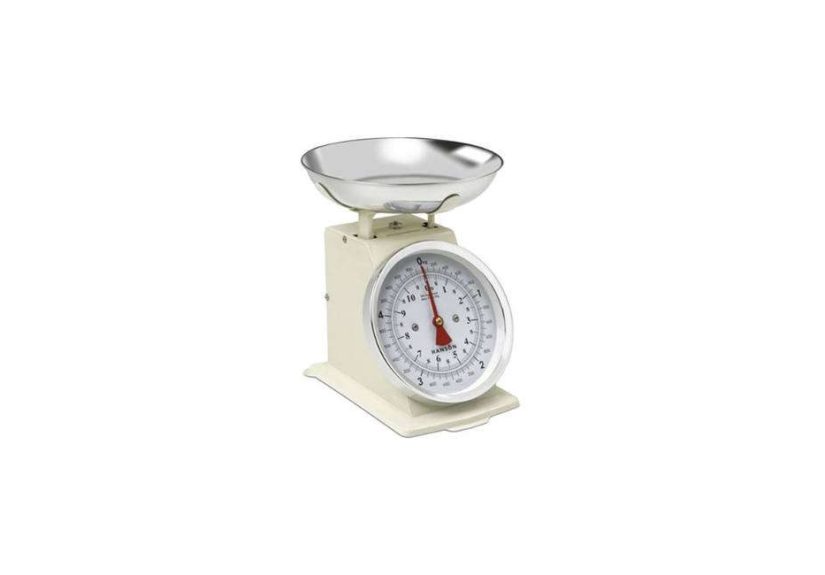
The Hanson Cream Mechanical Scale is a classic, upright analog kitchen scale with an easy-to-read dial, a manual tare (zeroing) control for add-and-weigh cooking, and a removable stainless steel tray. In the most common “cream” configuration people refer to online, it’s designed for everyday cooking and baking with a 5 kg / 11 lb capacityenough for bread dough, big bowls of produce, and the kind of cookie batch that “accidentally” becomes a neighborhood event.
One quick note, because “Hanson scale” can mean a few different things in the wild: you’ll also see vintage Hanson utility/household scales (often larger, sometimes up to 25 lb) that collectors use as farmhouse décor or produce scales. This article focuses on the modern-style cream mechanical kitchen scale people buy specifically for cooking, baking, and daily measuring.
Why a Mechanical Scale Still Makes Sense in a Digital World
Digital scales are fantasticespecially for tiny amounts (think yeast, espresso, salt). But mechanical scales have their own superpowers: they’re always ready, they’re visually satisfying, and they make measuring feel like a physical, intuitive step instead of a tiny LCD negotiation.
1) No batteries, no auto-off, no surprise “LOW” mid-pour
Mechanical scales are “on” the moment you set something down. That means no scrambling to find batteries while your butter is melting and your dog is staring at you like, “So… is that for me?”
2) The dial teaches you what “a lot” looks like
Watching the needle move builds kitchen intuition fast. Over time, you’ll see what 200 grams of flour looks like, what 1 pound of apples feels like, and how quickly your “small drizzle” becomes “we are now deep-frying the salad.”
3) Weighing improves repeatability (aka: your cookies stop freelancing)
Weight-based measuring reduces the variability you get from scooping, packing, and guessing. If you bake oftenor you’re trying to bake more confidentlyswitching to a kitchen scale can be the single easiest upgrade you make.
Key Features to Look For (and Why They Matter)
Manual tare (add-and-weigh)
“Tare” simply means subtracting the container weight so you only measure what you add. On many mechanical scales, this is done with a dial or knob that returns the needle to zero after you place a bowl or plate on top. In real life: put the mixing bowl on the tray, zero it out, then add flour, sugar, and oats directly into the same bowl. Fewer dishes. Less chaos. More kitchen dignity.
Removable tray (usually stainless steel)
A removable tray is a big deal for cleanup. Stainless is common because it’s durable, doesn’t absorb odors, and handles sticky ingredients well. The best routine is simple: remove the tray, wash it, wipe the body, and keep water out of the mechanical parts.
Capacity and graduation
The cream mechanical kitchen scale most often associated with this name is built around an 11 lb / 5 kg capacity, which matches what many mainstream home kitchen scales target. Mechanical dials in this style typically use practical increments (often around 10 g or 1/2 oz steps), which is perfect for dough, produce, and portioningbut not ideal for micro-weights like 0.2 grams of espresso grounds or a pinch of xanthan gum.
Upright, easy-read dial
The upright design isn’t just retro charmit helps visibility. Instead of craning your neck over a bowl that blocks a display, you get a dial you can read at a glance. If you regularly weigh into big bowls, this matters more than you’d think.
How to Use the Hanson Cream Mechanical Scale Like You’ve Owned It for Years
Step 1: Start flat and start at zero
Put the scale on a stable, level counter. Mechanical scales can be sensitive to tiltsespecially on soft surfaces like a towel. Before adding anything, make sure the needle rests at zero. If not, adjust the zero/tare control.
Step 2: Use the add-and-weigh method (the “one-bowl flex”)
- Place your empty bowl on the tray.
- Turn the tare/zero control until the needle returns to zero.
- Add your first ingredient until you hit the target weight.
- Turn tare/zero back to zero again.
- Add the next ingredient. Repeat.
This method is faster and cleaner than swapping measuring cups, and it makes scaling recipes (half-batches, double-batches) much easierespecially for baking.
Step 3: Let the needle settle
Mechanical scales respond quickly, but they still like a second to settle. Add ingredients in a steady stream and pause near your target so you don’t overshoot and end up doing the classic “remove three grains of sugar” maneuver.
Where This Scale Shines
Baking by weight (cookies, cakes, bread)
Baking is where weighing really pays off. Flour is famously inconsistent by volume: the same “cup” can vary wildly depending on how it’s scooped. Weighing helps your dough and batter behave the same way every time.
Meal prep and portioning
If you portion ground meat for burgers, divide dough for rolls, or split a big batch of rice into consistent servings, a mechanical food scale is an everyday workhorse. Same size portions also cook more evenlyyour oven appreciates the teamwork.
Farmers market produce and pantry projects
Weighing apples for pie, potatoes for roasting, or tomatoes for canning is surprisingly satisfying. And if you’re experimenting with pickling or fermentation, consistent weights can help you repeat a successful batch.
Where a Mechanical Scale Can Struggle (Real Talk)
Very small amounts
Many kitchen scalesespecially those designed for up to 11 poundsaren’t built for ultra-precise small weights. If you frequently measure tiny quantities (spices, yeast fractions, coffee brewing to the tenth of a gram), you may want a secondary precision digital scale for those tasks.
Needle drift and zeroing habits
Mechanical scales rely on springs and moving parts. Over time, they can drift slightly, especially if they’re stored under load, knocked around, or exposed to moisture. The fix is usually simple: get in the habit of checking zero before each session.
Care, Cleaning, and Keeping It Accurate
Cleaning: keep it simple
- Remove the tray and wash it separately (hand-washing is the safest bet).
- Wipe the body with a damp cloth; avoid letting water seep into the dial or mechanism.
- Dry thoroughly before storingmechanical parts and moisture are not best friends.
Accuracy checks you can actually do at home
For casual kitchen use, you don’t need laboratory calibration. But you can spot-check the scale with a few consistent itemslike unopened packaged goods that list their net weightor dedicated calibration weights if you own them. The goal isn’t perfection; it’s confidence that your scale is behaving consistently.
If your needle doesn’t return to zero when empty, use the manual tare/zero control. If it’s still wildly off, check the surface you’re using (soft mats and uneven counters cause trouble) and make sure nothing is rubbing or stuck around the dial.
Buying Guide: Is the Hanson Cream Mechanical Scale the Right One for You?
Here’s the simplest way to decide: if you want a durable, no-battery, classic-looking kitchen scale for everyday cooking and bakingand you’re mostly weighing in practical incrementsthis style is a great fit.
Great choice if you…
- Love the look and feel of an analog dial kitchen scale.
- Mostly weigh flour, sugar, produce, dough, or meal-prep portions.
- Want a scale that’s always ready and doesn’t rely on batteries.
- Prefer a removable tray for easy cleanup.
Consider a digital (or a second precision scale) if you…
- Frequently weigh tiny amounts under 10 grams.
- Need fast, ultra-precise readings for coffee or specialty baking.
- Want features like timers, backlit displays, or automatic unit switching.
A Quick Comparison: Mechanical vs. Digital
| Feature | Mechanical (Hanson Cream Style) | Digital |
|---|---|---|
| Power | No batteries | Batteries or rechargeable |
| Readability with big bowls | Upright dial is easy to see | Can be blocked unless display is raised/pull-out |
| Small-quantity precision | Usually limited | Often better (especially precision models) |
| Cleanup | Removable tray helps | Depends on platform design |
| Vibe | Retro, tactile, countertop-friendly | Modern, minimal, sometimes clinical |
FAQ
Is a mechanical kitchen scale accurate enough for baking?
For most home baking, yesespecially when you’re weighing in larger amounts like flour, sugar, and butter. The bigger advantage is consistency: you’ll get repeatable results more reliably than with volume measuring. For very small weights, a precision digital scale can be a better match.
Can I measure in grams and ounces?
Many scales in this category show both metric and imperial measurements on the dial. Always confirm the dial markings on the specific model you’re buying. If you follow recipes from multiple countries (or you just like living dangerously), dual-unit visibility is a huge plus.
What does “manual tare” mean on a mechanical scale?
It means you can physically set the needle back to zero after placing a bowl on the scale, so the bowl’s weight is effectively ignored. That enables “add and weigh” cooking directly in the mixing bowl.
Conclusion: A Small Tool That Makes the Kitchen Feel Easier
The Hanson Cream Mechanical Scale is a practical, charming way to bring weight-based measuring into your daily cooking. It’s simple, sturdy, and visually satisfyinglike the kitchen equivalent of writing with a good pen. If you bake even occasionally, portion meals regularly, or just want a countertop tool that works without fuss, this scale earns its keep fast.
Use it for bread dough, cookie batches, produce hauls, and meal prep. Keep it dry, keep it zeroed, and let the dial do its thing. Your measuring cups won’t be offendedthey’ll just be relieved to stop carrying the entire operation.
Real-World Experiences: Living With a Hanson Cream Mechanical Scale (Extra)
The first thing people notice isn’t the accuracyit’s the rhythm. A mechanical scale changes how a kitchen feels. Instead of grabbing a stack of measuring cups, you set a bowl down, twist the tare to zero, and start building a recipe like you’re assembling something deliberate. There’s a tiny moment of satisfaction every time the needle settles, like the kitchen is giving you a thumbs-up.
In baking, the experience is especially obvious. Picture a Saturday morning cookie mission: you put the mixing bowl on the tray, zero it, add sugar until the needle hits the mark, zero again, add butter, zero again, then flour. No leveling, no tapping, no “is this cup packed or fluffed?” debate. The sink stays oddly quiet because you didn’t create a measuring-cup parade. And when your cookies bake evenlybecause your flour amount didn’t wanderyou start trusting your process more. That trust is addictive.
Then there’s meal prep, which is where the scale becomes a low-key life organizer. People use it to split ground turkey into equal patties, portion chicken for the week, or divide rice into containers so lunches don’t turn into a “surprise bulking phase.” The funny part is how quickly it stops feeling like dieting and starts feeling like logistics. You’re not measuring to restrict; you’re measuring to keep dinner consistent and cooking times predictable. Same-size portions brown at the same speed. Your skillet runs smoother. Your brain relaxes.
The scale also becomes a kind of kitchen teaching tool. Kids and curious adults alike love watching the needle movebecause it’s immediate and physical. Someone will inevitably weigh random objects (“How many strawberries equal one remote control?”) and then, without noticing, they’ve learned that weight is a real, useful measurementone that makes recipes repeatable. It’s science class, but with snacks.
And yes, people absolutely fall for the cream color. A cream mechanical scale looks at home in modern kitchens, vintage kitchens, farmhouse kitchens, and “I bought one nice utensil and now I’m a person with taste” kitchens. It often stays on the counter because it’s attractive, which is secretly the best feature: tools you can see are tools you actually use. Many owners report they weigh more often simply because the scale isn’t buried in a drawer behind the avocado slicer they regret buying.
The most common “learning moment” is small weights. Someone tries to measure a tiny amountyeast, baking powder, coffee groundsand realizes a mechanical dial has limits. But instead of frustration, it usually leads to a simple setup: the mechanical Hanson for everyday weighing, and a small precision digital scale for tiny measurements. Together, they cover basically every kitchen scenario from “one onion” to “microgram energy.”
In the end, the best experience people describe is confidence. The scale makes recipes feel less like guesses and more like repeatable plans. It turns cooking into something a little calmerone steady needle swing at a time.