Table of Contents >> Show >> Hide
- What Is a Catahoula Leopard Dog?
- Why Are They Called “Leopard” Dogs?
- Catahoula Leopard Dog Temperament: Loyal, Smart, and Not Boring
- Exercise Needs: This Is Not a “Five-Minute Walk” Dog
- Training a Catahoula: Be Kind, Clear, and Consistent
- Grooming and General Care
- Health Considerations for Catahoula Leopard Dogs
- Is a Catahoula Leopard Dog Right for You?
- Why People Love Sharing Photos of Catahoulas
- Photo Ideas for Catahoula Owners
- Common Myths About Catahoula Leopard Dogs
- Real-Life Experiences With Catahoula Leopard Dogs
- Conclusion
If you have ever seen a Catahoula Leopard Dog walk into a room, you know the room does not stay casual for long. One minute everything is normal. The next minute, there is a muscular, speckled, glass-eyed athlete staring at you like it just solved your Wi-Fi problem and judged your life choices at the same time.
That is the magic of the Catahoula Leopard Dog. Also known as the Louisiana Catahoula Leopard Dog, Catahoula Cur, or Catahoula Hog Dog, this breed is bold, beautiful, hardworking, and just mysterious enough to make every dog lover say, “Wait, what kind of dog is that?” The title “Hey Pandas, Show Me Your Catahoula Leopard Dogs” has the playful feel of a community photo challenge, but it also opens the door to a much bigger conversation: what makes these spotted Southern dogs so unforgettable?
Whether you are here because you already own one, want to adopt one, or simply enjoy dogs that look like they were designed by an artist with a caffeine habit, this guide explores the breed’s history, appearance, temperament, care needs, training style, and real-life charm.
What Is a Catahoula Leopard Dog?
The Catahoula Leopard Dog is an American working breed strongly associated with Louisiana. In fact, Louisiana named the Catahoula Leopard Dog its official state dog in 1979. That is not just a cute trivia fact for dog-night at the local pub. It reflects the breed’s deep roots in the region’s farms, forests, swamps, and ranching traditions.
Catahoulas were developed as versatile working dogs. They have been used for herding cattle, hunting feral hogs, tracking, guarding property, and helping humans manage tough outdoor jobs in rugged terrain. These dogs were not bred to be decorative couch pillows, although many will happily become couch pillows after they have completed a full day of running, thinking, sniffing, investigating, and supervising your questionable landscaping decisions.
The breed is recognized by the United Kennel Club as the Louisiana Catahoula Leopard Dog and is part of the American Kennel Club’s Foundation Stock Service. While Catahoulas are beloved by many dog owners, they are still less common than breeds like Labrador Retrievers, German Shepherds, or Golden Retrievers. That rarity adds to their “whoa, what dog is that?” appeal.
Why Are They Called “Leopard” Dogs?
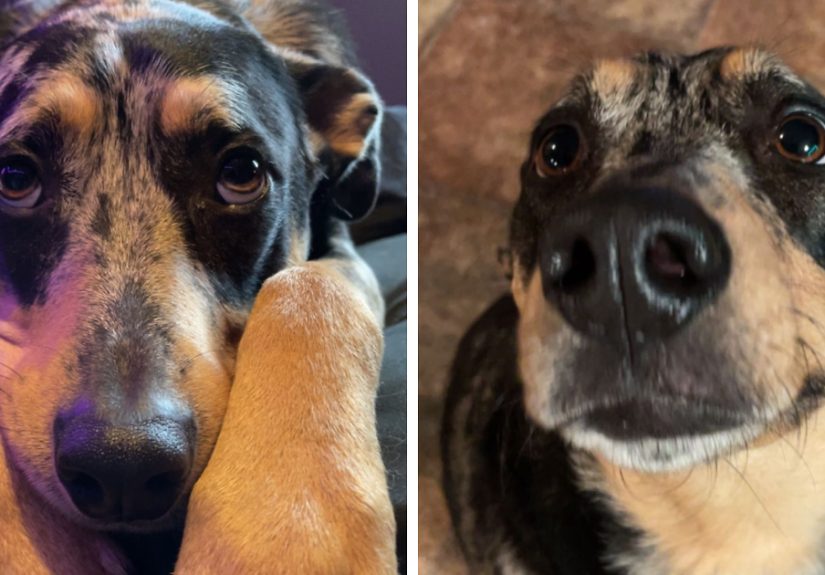
The “leopard” part of the name comes from the breed’s eye-catching coat patterns. Many Catahoulas have merle, mottled, patched, brindle, or spotted coats that can look blue-gray, red, black, chocolate, tan, white, or a wild combination of several shades. Some look like storm clouds. Some look like cookies-and-cream ice cream with legs. Some look like they ran through an abstract painting and decided to keep the outfit.
Not every Catahoula has dramatic leopard spots, and coat color alone does not define the breed. Responsible breed preservation focuses on structure, working ability, temperament, and health, not just the flashiest pattern. Still, let’s be honest: the coat is usually what stops people mid-scroll.
Those Famous Catahoula Eyes
Catahoulas are also known for striking eyes. Some have blue “glass” eyes, some have brown or amber eyes, and some have two different colored eyes. Others may have cracked or marbled eye coloring. The result can be intense, soulful, hilarious, or slightly intimidating, depending on whether the dog is asking for a treat or silently reporting that you are three minutes late for walk time.
It is important to note that dramatic eyes and merle coloring should never be the only reason to choose a puppy. Coat genetics can be complex, and ethical breeders pay attention to health testing, hearing, structure, and temperament. A responsible Catahoula is more than a pretty pattern.
Catahoula Leopard Dog Temperament: Loyal, Smart, and Not Boring
Catahoulas are often described as serious when working and playful at home. That is a pretty accurate summary. This is a breed with a strong mind, strong body, and strong opinions. A Catahoula may adore its family, act goofy with trusted people, and turn into a dramatic noodle during belly rubs. At the same time, it may be reserved with strangers and alert to anything unusual in its environment.
These dogs are intelligent, energetic, protective, and independent. That combination can be wonderful in the right home and overwhelming in the wrong one. A Catahoula is not usually the best match for someone who wants a low-effort dog that naps all day and asks only for snacks. This breed wants a job, a routine, training, exercise, and a human who understands boundaries.
Are Catahoulas Good Family Dogs?
Catahoulas can be excellent family dogs for active households that provide structure, socialization, and supervision. They are often loyal and affectionate with their people. However, because they are powerful and energetic, they may be better suited to homes with older children who understand dog manners. A young Catahoula zooming through the house can turn a toddler into an accidental bowling pin. No malice, just physics.
Early socialization matters. A Catahoula puppy should be gently introduced to different people, surfaces, sounds, environments, and everyday situations. Socialization does not mean forcing the dog to love everyone. It means helping the dog learn how to stay calm and confident in the world.
Exercise Needs: This Is Not a “Five-Minute Walk” Dog
If you are thinking about a Catahoula, here is the big question: do you enjoy moving? If the answer is “I sometimes walk to the fridge with enthusiasm,” this breed may outpace you by approximately the second morning.
Catahoulas need significant daily exercise and mental stimulation. Long walks, hikes, structured play, scent games, obedience training, fetch, swimming, agility, and farm or ranch work can all help meet their needs. A fenced yard is helpful, but it is not a complete exercise plan. A bored Catahoula in a yard may invent hobbies such as digging decorative moon craters, barking at suspicious leaves, or redesigning your patio furniture with teeth.
Mental work is just as important as physical activity. Puzzle feeders, hide-and-seek games, training sessions, tracking exercises, and learning new cues can tire a Catahoula in a healthy way. These dogs like to think. Sometimes they like to think one step ahead of you, which is flattering until they open the gate.
Training a Catahoula: Be Kind, Clear, and Consistent
Training a Catahoula Leopard Dog requires patience, confidence, and consistency. These dogs are smart enough to learn quickly, but they are also independent enough to ask, “Yes, but why?” Positive reinforcement, clear rules, and short, engaging sessions work well. Harsh handling can damage trust and may make a strong-willed dog more defensive or stubborn.
The best training approach combines structure with fun. Reward the behavior you want. Redirect the behavior you do not want. Teach impulse control early. Practice leash manners before your puppy becomes a spotted freight train. Work on recall in safe, enclosed areas before expecting reliability around wildlife, livestock, squirrels, or that one neighbor’s cat who clearly enjoys drama.
Give the Dog a Job
Catahoulas thrive when they feel useful. That job does not have to be herding cattle. It can be carrying a backpack on hikes, practicing obedience routines, doing scent work, learning tricks, helping with chores, or participating in dog sports. The goal is to give the dog a purpose so it does not create its own, such as “Chief Inspector of Trash Can Contents.”
Grooming and General Care
Good news: Catahoulas are relatively low-maintenance in the grooming department. Their short to medium single coat usually needs weekly brushing to remove loose hair and keep the coat healthy. They do shed, but they are not typically high-maintenance fluff machines. You probably will not need a professional groomer every month unless you enjoy paying someone else to tell your dog it is handsome.
Basic care includes nail trimming, ear checks, dental care, and occasional baths. Because Catahoulas may be active outdoors, owners should check their paws, ears, and coat after hikes or field time. Burrs, ticks, mud, and mystery swamp goo can appear with impressive speed.
Health Considerations for Catahoula Leopard Dogs
Catahoula Leopard Dogs are generally considered a fairly hardy breed, but like all dogs, they can be prone to certain health concerns. Hip dysplasia, deafness, eye conditions, allergies, ear infections, and other issues may occur. Because merle and pigmentation genetics can be associated with hearing and vision concerns in dogs, responsible breeding and proper screening matter.
Anyone buying a puppy should ask breeders about health testing, temperament, hearing evaluation, hip screening, and the health history of the parents. Anyone adopting should ask the rescue or shelter what is known about the dog’s medical background, behavior, and activity level. Whether you adopt or buy, a good veterinarian is your best partner in building a long, healthy life for your dog.
Routine care also makes a major difference. Keep your Catahoula lean, feed an appropriate diet, provide regular exercise, stay current on vaccines and parasite prevention, and schedule veterinary checkups. A powerful working dog carrying extra weight is like a sports car with flat tires. It may still move, but the system is under unnecessary strain.
Is a Catahoula Leopard Dog Right for You?
A Catahoula may be a great match if you are active, patient, outdoorsy, and interested in training. This breed often suits people who enjoy hiking, running, farm life, ranch work, dog sports, or structured daily routines. It can also fit experienced dog owners who appreciate loyal, protective, high-energy dogs.
A Catahoula may not be ideal if you live a very sedentary lifestyle, have limited time for training, dislike strong dogs, or want a dog that greets every stranger like a golden retriever at a birthday party. Some Catahoulas can live in suburban homes if their needs are met, but they are not typically plug-and-play apartment dogs.
Adoption and Responsible Breeding
If you are interested in the breed, consider both rescue and responsible breeders. Catahoula rescues and mixed-breed shelters may have wonderful dogs looking for homes. Adoption can be especially rewarding for people who are flexible about age, color, and background.
If choosing a breeder, look for someone who prioritizes health, temperament, transparency, and long-term support. Avoid anyone who sells puppies based only on rare colors or dramatic eyes. A beautiful puppy is lovely. A stable, healthy, well-matched puppy is better. Your future self, your furniture, and your neighbors will thank you.
Why People Love Sharing Photos of Catahoulas
The phrase “Hey Pandas, show me your Catahoula Leopard Dogs” works because this breed is made for sharing. Catahoulas are photogenic in a way that feels almost unfair. They can look majestic on a trail, ridiculous upside down on a couch, noble in a field, and deeply suspicious of a banana peel in the kitchen.
But the photos are only part of the story. People love showing off their Catahoulas because these dogs have personality. They are expressive, athletic, watchful, goofy, and intensely bonded with their humans. A Catahoula picture often comes with a story: the dog who learned to open doors, the puppy who herded the children into one room, the rescue who became a hiking partner, the farm dog who works all morning and snores like a tractor all afternoon.
That storytelling quality is exactly why Catahoulas fit so well into community posts. Every dog looks unique, and every owner has at least one tale that starts with, “You will not believe what my Catahoula did today.” Spoiler: we probably will believe it. This breed has range.
Photo Ideas for Catahoula Owners
If you want to show off your Catahoula Leopard Dog online, aim for photos that capture both beauty and personality. A standing side profile can highlight the dog’s athletic build and coat pattern. A close-up can show off those unforgettable eyes. Action shots are perfect for Catahoulas because the breed is built to move. Try hiking trails, open fields, agility equipment, swimming spots, or a simple backyard game of fetch.
Do not forget the silly pictures. The noble working dog with one ear flipped inside out deserves the spotlight. So does the muddy Catahoula smiling like it just discovered the meaning of life inside a puddle. Authentic photos are often more engaging than perfect ones. People connect with dogs being dogs.
For safety, use secure leashes, fenced areas, and dog-friendly locations. Avoid forcing poses, costumes, or stressful settings. A happy, comfortable dog always photographs better than one wondering why its human has turned into a paparazzi raccoon.
Common Myths About Catahoula Leopard Dogs
Myth 1: Every Spotted Dog Is a Catahoula
Not every spotted or merle dog is a Catahoula. Many breeds and mixed breeds can have similar coat patterns. Breed identification should consider structure, temperament, ancestry, and reliable records when available.
Myth 2: Catahoulas Are Automatically Aggressive
Catahoulas can be protective, assertive, and wary of strangers, but that does not mean they are automatically aggressive. Training, genetics, socialization, and environment all play major roles. A well-raised Catahoula should be confident, controlled, and bonded with its family.
Myth 3: A Big Yard Is Enough
A yard is helpful, but it is not a substitute for interaction. Catahoulas need engagement, training, and shared activities. Leaving a smart working dog alone in a yard all day is basically inviting it to start a home improvement project you did not approve.
Real-Life Experiences With Catahoula Leopard Dogs
Living with a Catahoula Leopard Dog can feel like sharing your home with an athlete, detective, comedian, and security consultant all rolled into one spotted package. Owners often describe the breed as deeply loyal and almost human in its awareness. A Catahoula does not simply enter a room; it assesses the room. Who is here? Who moved the chair? Why is there a grocery bag on the floor? Does the grocery bag contain snacks? These questions must be answered immediately.
One common experience is the “Catahoula stare.” This is not an empty look. It is a full conversation conducted without sound. Many owners swear their dogs can communicate entire paragraphs with one eyebrow movement. If dinner is late, the stare appears. If the leash is visible, the stare intensifies. If a squirrel crosses the fence line, the stare becomes a laser-guided wildlife report.
Another classic Catahoula experience is realizing that physical exercise alone is not enough. You can take one on a long walk, play fetch, and still come home to a dog who says, “Great warm-up. What is next?” That is where mental enrichment becomes essential. Owners who add scent games, obedience practice, food puzzles, and structured tasks often discover a calmer, happier dog. A tired Catahoula is pleasant. A fulfilled Catahoula is magnificent.
Many Catahoula owners also talk about the breed’s sense of humor. These dogs can be serious workers, but at home they often become ridiculous. They sleep in strange positions, make dramatic sighs, steal the warm spot on the couch, and act personally offended when bath time is mentioned. Some love water and mud with the enthusiasm of a swamp goblin. Others will avoid rain as if each drop is a tiny insult. Either way, they make daily life more entertaining.
Rescue owners often share especially moving stories. A shy or anxious Catahoula may need time to trust, but when that trust arrives, it can be profound. The dog that once hid in a corner may become the one who leans against your leg on every walk. The nervous newcomer may turn into a confident trail buddy. Progress may come slowly, but each small victory feels huge.
Of course, Catahoulas are not for everyone. Owners may face challenges with leash pulling, prey drive, territorial behavior, boredom, or stubbornness. The difference between chaos and companionship usually comes down to preparation. The best experiences happen when humans respect the breed’s working background and provide leadership without harshness.
For the right person, a Catahoula Leopard Dog is unforgettable. It is the dog that makes strangers stop and ask questions. It is the hiking partner who never wants to turn back first. It is the loyal shadow who watches the house, joins the adventure, and then curls up nearby with muddy paws and a satisfied sigh. In short, when someone says, “Hey Pandas, show me your Catahoula Leopard Dogs,” the real answer is not just a photo. It is a whole story with spots.
Conclusion
The Catahoula Leopard Dog is more than a striking coat and unforgettable eyes. This Louisiana working breed is intelligent, loyal, athletic, protective, and full of personality. For active, committed owners, a Catahoula can be an extraordinary companion. For unprepared homes, the same energy and independence can be a challenge. The secret is simple: understand the breed before falling for the spots.
If you already have a Catahoula, you probably know the joy of living with a dog that is equal parts beautiful, brilliant, and mildly chaotic. If you are considering one, take your time, meet real dogs, talk to breed-savvy owners, and be honest about your lifestyle. A Catahoula does not need a perfect human. It needs a present one.