Table of Contents >> Show >> Hide
- Why This Prompt Works So Well Online
- What Counts as a “Small Hot Take”?
- Why a Photo Makes the Opinion Better
- The Best Photo Ideas for This Prompt
- How To Turn a Random Object Into a Great Submission
- Why People Love Tiny Opinions More Than Giant Ones
- What Makes a Submission Memorable?
- Things To Avoid When Joining the Trend
- How This Prompt Becomes Great Web Content
- Extra Experiences: What This Prompt Feels Like in Real Life
- Conclusion
- SEO Tags
Some internet prompts ask for your deepest secret, your spiciest opinion, or the kind of confession that makes your group chat light a candle and gather in a circle. This is not that. This is better. This is the glorious, low-stakes arena of the small hot take: the opinion that won’t end Thanksgiving dinner but might absolutely derail brunch for 15 minutes.
Maybe your photo is a mug of coffee with ice in the middle of winter because, yes, iced coffee is superior in all seasons and you refuse to be bullied by weather. Maybe it is a picture of a plain cheeseburger because towering burgers are not “gourmet,” they are just architecture with pickles. Maybe it is socks worn to bed, a stack of dog-eared paperbacks, a bottle of ranch, or a cereal bowl filled before the milk ever enters the chat. These are the tiny declarations that make online communities fun: personal, weirdly passionate, and just harmless enough to invite everyone in.
The beauty of a prompt like “Hey Pandas, Take A Photo Of Anything That Represents A Small ‘Hot Take’ You Believe In” is that it mixes visual storytelling with everyday personality. You are not merely posting an object. You are posting a tiny manifesto. It is half snapshot, half stand-up comedy set, and entirely the sort of thing that makes people say, “I never thought I’d defend sharpened pencils this aggressively, but here we are.”
Why This Prompt Works So Well Online
There is a reason prompts like this spread. They are easy to join, instantly understandable, and wildly flexible. A big controversial opinion can be exhausting. A small hot take, on the other hand, is the social media equivalent of tossing a marshmallow instead of a brick. It still gets attention, but nobody has to file an emotional insurance claim afterward.
That is exactly why this kind of Hey Pandas prompt feels so shareable. It asks for something concretea photobut leaves plenty of room for humor, nostalgia, identity, and style. A single image can communicate taste, habits, routines, and values faster than a paragraph ever could. Show someone your beat-up notebook, your stovetop popcorn pot, or your aggressively unlabeled spice jars, and you are telling a story about yourself without needing a dramatic monologue.
It also gives readers something irresistible: a chance to agree, disagree, and reveal their own tiny hill to die on. In internet terms, that is premium fuel. People love prompts that let them feel seen while also giving them permission to lightly judge strangers over waffles versus pancakes. Civilization, apparently, survives on these little debates.
What Counts as a “Small Hot Take”?
A small hot take is not a grand political thesis or a world-changing philosophy. It is an everyday opinion with just enough edge to be funny, surprising, or oddly specific. It is personal taste presented with the confidence of a Supreme Court ruling.
Classic examples of small hot takes
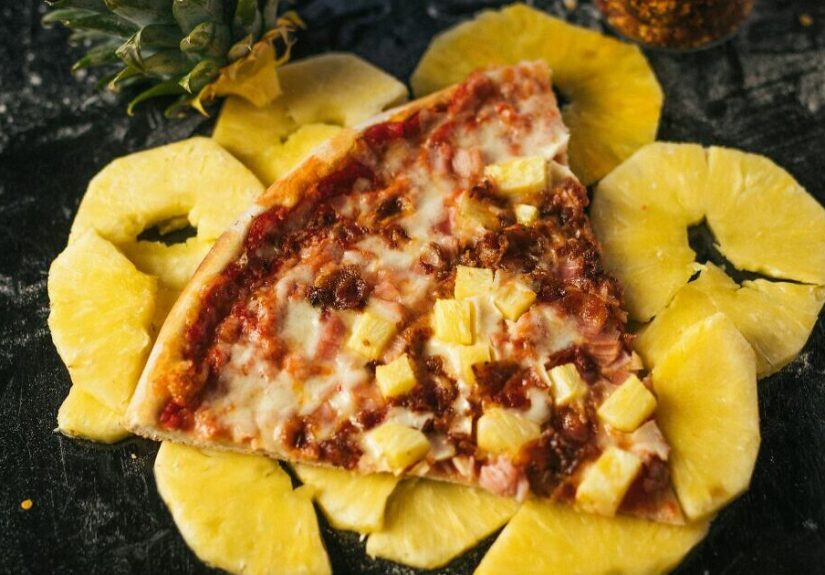
- Pineapple on pizza is not a crime; it is a public service.
- Thin fries are better than thick fries because crispness matters.
- Movie theater popcorn is only good when it is a little too salty.
- Top sheets are unnecessary drama.
- Morning showers are superior because evening showers feel like paperwork.
- Paperback books are better than pristine hardcovers because life should leave a mark.
- The crust is the best part of the brownie, cookie, lasagna, and probably civilization.
Notice the pattern? These are not dangerous opinions. They are tiny, everyday convictions that reveal something about comfort, routine, aesthetics, or preference. They are specific enough to feel real and playful enough to invite conversation.
Why a Photo Makes the Opinion Better
Words can say, “I believe diner coffee tastes better than expensive coffee.” A photo of a chipped white mug under fluorescent lights says, “I have lived, and I stand by this.” That is the magic of an image. It gives your opinion texture.
When you photograph the thing that represents your mini belief, you move from abstract opinion to visual proof. Suddenly, the hot take has color, shape, atmosphere, and mood. A photo of a wrinkled hoodie on a chair can capture the belief that comfort beats fashion nine times out of ten. A messy bookshelf can represent the opinion that organized shelves are suspicious. A picture of your old wired headphones can quietly announce that convenience is overrated and reliability is hot.
Photos also help people recognize themselves in your take. An image lands fast. Someone scrolling sees your bowl of cereal at 11 p.m. and immediately thinks, “Finally, an intellectual.” Visual content is easier to react to, easier to remember, and easier to join. It turns personal preference into a mini story with instant social energy.
The Best Photo Ideas for This Prompt
If you want to answer this prompt well, do not overthink it. The best submissions usually come from ordinary life. The point is not perfection. The point is personality.
Food takes that never fail
Food is the undefeated champion of small hot takes. Everyone eats, everyone has opinions, and everyone is one weird condiment away from a spirited debate. Photograph your extra-crispy toast if you believe golden brown is cowardly. Snap your bowl of cereal if you insist cereal is dessert. Take a photo of ketchup on eggs, mayo on fries, or a plain hot dog if your position is “fewer toppings, more dignity.”
Home and comfort takes
Some of the best opinions live at home. Photograph your dim lamp if you think overhead lighting is an interrogation tactic. Post your unmade bed if you believe “lived-in” beats “showroom ready.” Capture your favorite battered blanket, your one perfect couch corner, or the fan you sleep with year-round because silence is simply too loud.
Tech and productivity takes
These are sneakily excellent because they reveal your daily habits. A photo of handwritten notes can represent the belief that typing kills memory. A picture of a browser with 37 tabs might argue that chaos is a system. Wired headphones, an old alarm clock, a physical calendar, or a desktop full of folders can all say something delightfully stubborn about how you move through the day.
Style and routine takes
Maybe your hot take is that sneakers go with everything. Maybe you believe mismatched mugs are better than matching sets. Maybe your photo is simply your favorite black T-shirt because outfit repetition is not laziness; it is efficiency with good taste. Small hot takes often come from routines we defend without realizing it.
How To Turn a Random Object Into a Great Submission
Not every object automatically tells a story. The trick is framing. You do not need expensive gear or professional lighting. You just need intention.
1. Pick one object that carries the opinion
Do not cram five ideas into one frame. A single object is stronger. One worn-out baking sheet can say, “Dark edges make cookies better.” One bottle of hot sauce can say, “Mild salsa is just chopped tomatoes with commitment issues.”
2. Let the background help
A photo of a paperback on a messy bed tells a richer story than the same paperback on a blank counter. Setting matters. Your environment gives context, and context is what turns a photo challenge into visual storytelling.
3. Embrace imperfection
This prompt works because it feels human. Your coffee cup does not need a glamorous portrait. A little steam, a slightly crooked angle, a lived-in countertopthose details can make the image more relatable, not less.
4. Add a caption that sounds like a person
The best captions are short, clear, and confident. Think less “artist statement,” more “I said what I said.”
- “Cold pizza is better than fresh pizza, and I’m done pretending otherwise.”
- “Overhead lights are banned in my kingdom.”
- “These beat every trendy sneaker, and yes, I am correct.”
- “Soup is a full meal. Debate your wall.”
Why People Love Tiny Opinions More Than Giant Ones
Because they are fun. That sounds simple, but it matters. The internet is already full of stress, outrage, and Very Important People yelling in all caps. Small hot takes offer relief. They let people participate in disagreement without dragging everyone into a trench.
There is also a strange intimacy to them. A tiny opinion about toast, blankets, pens, or grocery carts can reveal more about a person than a polished bio ever could. These little takes are identity clues. They show how someone thinks, what comforts them, what annoys them, and what tiny rituals shape their day.
That is why a prompt like this works as community content. It invites contribution without demanding vulnerability in the heavy sense. You are sharing a piece of yourself, but through the safe and charming disguise of a photo of your freezer stocked with three kinds of ice cream because variety is nonnegotiable.
What Makes a Submission Memorable?
The strongest entries usually do one of three things: they surprise you, they make you laugh, or they make you instantly say, “Wait… I agree.” Sometimes all three happen at once.
A memorable submission is specific. “Books are better than e-readers” is fine. A photo of a dog-eared mystery novel with notes in the margins and a cracked spine is better. “Breakfast for dinner rules” is solid. A photo of pancakes at 9:47 p.m. with syrup pooling like a life choice? Excellent. Specificity creates texture, and texture creates connection.
Memorable entries also feel sincere. The point is not to manufacture a fake quirky opinion for engagement. Readers can sense when someone genuinely believes that fountain pens are superior or that leftovers taste better the next day. Commitment is funny, and authenticity is even funnier when it is attached to something wildly ordinary.
Things To Avoid When Joining the Trend
As with any photo challenge ideas prompt, a little common sense goes a long way.
- Avoid posting anything that reveals private information in the background, like addresses, documents, screens, or license plates.
- Do not include people who have not agreed to be photographed and posted.
- Keep the take light. The phrase “small hot take” is doing a lot of important work here.
- Do not over-explain. The charm is in the quick hit.
- Skip anything that feels mean-spirited, humiliating, or designed only to provoke.
The best version of this prompt is playful, not punishing. You want comments like, “This is unhinged, but I respect it,” not “We need moderators and a family therapist.”
How This Prompt Becomes Great Web Content
From a content perspective, this idea checks every box. It is visual, interactive, easy to understand, and endlessly scalable. Readers can browse, react, share, and contribute without needing expert knowledge or a long attention span. That is a huge advantage in a crowded content landscape.
It also naturally encourages repeat engagement. People do not just consume a prompt like thisthey start mentally writing their own answer while reading everyone else’s. That built-in participation loop is part of what makes community-driven posts so sticky. A strong prompt becomes a mirror. Readers stop being passive and start seeing themselves inside the format.
And unlike trends that depend on expensive aesthetics or niche references, this one is democratic. Everyone has an object. Everyone has a preference. Everyone has at least one opinion about food, comfort, clutter, or routine that could fit into a single frame. That accessibility is what makes the whole thing so charming.
Extra Experiences: What This Prompt Feels Like in Real Life
What makes this topic especially fun is how often these little opinions are tied to lived experience. The “small hot take” is rarely just about the object itself. It is about memory, habit, comfort, and the tiny personal rules we build without realizing it. A photo of a scratched nonstick pan might not look glamorous, but to the person posting it, that pan represents years of late-night grilled cheese, rushed weekday breakfasts, and the belief that the best kitchen tools are the ones that already know your routine.
That is why people get oddly emotional about ordinary things. Someone posts a picture of a slightly flattened pillow and says firm pillows are a scam, and suddenly half the internet is in the comments remembering childhood sleepovers, hotel beds, college apartments, and every bad night of sleep they have ever survived. The object opens the door, but the experience is what makes the take feel real.
Food-related takes are especially loaded with experience. A photo of burnt toast might represent years of preferring crunch over softness. A bowl of boxed mac and cheese may stand for the belief that comfort beats sophistication every single time. These are not just taste preferences. They are tiny autobiographies with seasoning. People are often defending a feeling as much as a flavor.
The same thing happens with clothing, books, tech, and home routines. A person who posts their oldest hoodie is not just saying old clothes are better. They are saying softness matters, familiarity matters, and the best things in life are sometimes the least impressive-looking ones. Someone sharing a messy bookshelf may be expressing a deeper belief that homes should feel lived in, not staged. Someone posting a handwritten grocery list might be saying that analog habits keep them grounded in a world that always wants one more app, one more notification, one more digital system they will definitely forget the password to.
In that way, this prompt becomes more than a joke. It becomes a small act of self-definition. Not in a dramatic “this changes everything” way, but in a warm, human, “this is who I am on a Tuesday” kind of way. That is a big reason readers connect with it. These takes are small enough to be funny and honest enough to feel familiar.
And honestly, that may be the sweetest part of all. A photo of your preferred pen, your favorite spoon, your stubbornly uncategorized playlist, or your chipped cereal bowl can quietly say: this little thing matters to me. On the internet, where people are constantly performing bigger, shinier, louder versions of themselves, there is something refreshing about a tiny opinion attached to a very ordinary object. It feels grounded. It feels human. It feels like the digital version of a friend walking into your kitchen, pointing at your weirdly specific snack plate, and saying, “Explain yourself.”
So yes, take the photo. Post the mug, the lamp, the snack, the blanket, the notebook, the old sneakers, the oddly beloved kitchen gadget. Let your everyday opinions have their moment. Because sometimes the most entertaining thing on the internet is not a huge revelation. It is just a beautifully lit picture of a grilled cheese sandwich with the caption: “Tomato soup is optional, actually.”
Conclusion
“Hey Pandas, Take A Photo Of Anything That Represents A Small ‘Hot Take’ You Believe In” is exactly the kind of prompt that thrives online because it is easy, visual, personal, and funny without trying too hard. It turns ordinary objects into miniature declarations of identity. More importantly, it reminds us that some of the best internet conversations come from low-stakes passion, relatable habits, and the tiny beliefs we defend like royalty protecting the throne. In a noisy online world, there is something wonderfully refreshing about letting a coffee mug, a hoodie, or a plate of fries do the talking.