Table of Contents >> Show >> Hide
- Why Plant Photos Feel So Satisfying
- What Makes a “Favorite” Plant Photo (Not Just a Pretty One)
- Quick Wins: How to Take Better Plant Photos Fast (Phone or Camera)
- Lighting: The Secret Sauce That Makes Plants Look Expensive
- Composition: Make Your Plant the Main Character
- Macro and Close-Up Plant Photos Without Losing Your Mind
- If You Want Plant ID-Friendly Photos, Here’s the Checklist
- Editing: Keep It Real, Not Radioactive
- Ethics: Take the Photo, Leave the Plant
- How to Write a Caption That Makes Your Plant Photo More Memorable
- Extra: of Real-World Experiences People Have With Favorite Plant Photos
- Conclusion: Keep the Thread Closed, Keep the Curiosity Open
Some internet questions are basically tiny portals. You click, you scroll, and suddenly you’re staring at a parade of
leaf veins, dew drops, cactus spines, and flowers that look like they were designed by an artist who got paid in pollen.
That’s exactly why the “Hey Pandas” prompt about your favorite plant photo hit so hard.
Even though the thread is closed, the idea is evergreen (yes, I did that on purpose): plant photos are one of the
easiest ways to capture beauty, personality, and a weirdly emotional sense of “I was here.” This article breaks down
what makes a plant photo feel like a keeper, how people get those crisp, gorgeous shots with a phone or camera, and
how to tell the story behind your favorite framewithout turning your fern into neon spaghetti.
Why Plant Photos Feel So Satisfying
Plants are photogenic in a way that’s almost unfair. They come with built-in design elements: repeating patterns,
symmetry, texture, gradients, and colors that can look fake even when they’re not. Plus, plants don’t need to “pose.”
They just… exist dramatically.
They’re full of tiny details that reward attention
A good plant picture invites the viewer to zoom in. You notice the fuzz on a stem, the geometric math of a succulent,
or the way sunlight turns a leaf into stained glass. And because plant subjects can be simple, your photo becomes a
little meditation: shape, light, color, calm.
They’re personal without being performative
A favorite plant photo usually isn’t about perfectionit’s about connection. Maybe it’s the first bloom of a houseplant
you almost accidentally un-alived (congrats, you’re a plant hero). Maybe it’s a wildflower you found on a hike when
everything else felt chaotic. Plants are quiet, but your photo can be loud in meaning.
What Makes a “Favorite” Plant Photo (Not Just a Pretty One)
If you’ve ever taken 37 photos of the same flower and then chosen one like it’s the crown jewel of your camera roll,
you already know: favorites have a little extra magic. Here’s what usually separates “nice” from “favorite.”
1) The light is doing something interesting
Soft overcast light can make colors look rich and even. Golden-hour light makes petals glow. Backlighting turns leaves
translucent. Your favorite shot often has light that feels intentionaleven if you just got lucky while walking to get snacks.
2) The background isn’t stealing the show
One of the biggest differences between a snapshot and a “wow” photo is what’s behind the plant. A clean background (or
one that’s blurred just enough) helps your subject stand out. The plant becomes the star, not “random lawn chair and
half a hose.”
3) It captures a moment you can’t exactly repeat
A raindrop hanging on the edge of a leaf. A bud mid-pop. A butterfly photobombing the scene. Even indoor plants have
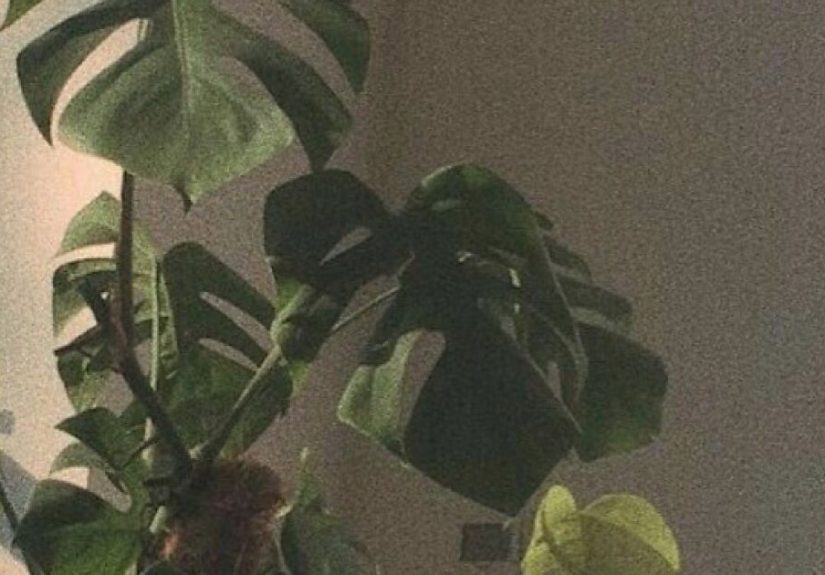
“moments”like the day your monstera finally decided to unfurl a new leaf and you felt like a proud parent.
4) It tells a story in one frame
Stories can be big (“this is the cactus that survived my move”) or tiny (“the sunlight made this fern look like a disco ball”).
Either way, your favorite picture usually has a reason to exist beyond “yup, that’s a plant.”
Quick Wins: How to Take Better Plant Photos Fast (Phone or Camera)
You don’t need a studio, a safari hat, or a $4,000 lens to take a great plant photo. You need a few small habits that
stack up into big improvements.
Clean your lens (yes, really)
This is the most unglamorous tip and also the most powerful. A fingerprint on a phone lens can turn “crisp leaf texture”
into “mysterious botanical fog dream.” A quick wipe often upgrades your photo instantly.
Turn on gridlines and use them like a cheat code
Gridlines help you keep horizons straight (for wider garden shots) and place your subject where it looks naturally balanced.
Try aligning a stem along a grid line or placing a flower’s center near an intersection point.
Tap to focus, then adjust exposure
On most smartphones, tapping the plant tells the camera what matters. Then slide exposure up or down so highlights
aren’t blown outespecially on bright petals or shiny leaves.
Stabilize your shot
Plant photography rewards stillness. If you don’t have a tripod, use what you’ve got:
lean on a tree, brace your elbows against your body, rest your phone on a rock, or hold your breath for a second like
you’re trying not to scare a shy fern.
Avoid digital zoom when you can
Digital zoom often reduces detail and increases blur. Instead, move closer (without damaging plants), or crop later.
If your phone has a true telephoto lens, use thattelephoto can also help blur backgrounds nicely.
Lighting: The Secret Sauce That Makes Plants Look Expensive
Plant photos live and die by light. The good news: you don’t need fancy lighting gear; you need good timing and smart positioning.
Choose soft light for true color
Overcast days are underrated. Cloud cover works like a giant diffuser, reducing harsh shadows and making greens look
lush instead of crunchy. If it’s sunny, step into open shadelike the shadow of a building or treeso the plant is lit evenly.
Use backlight for glow
Try placing the sun behind the plant so light comes through petals or leaves. This can create a luminous, almost
translucent lookespecially with thin leaves, grasses, and flowers with lighter petals. If it gets too bright, slightly
lower exposure to keep details.
DIY reflectors are everywhere
You can bounce light onto a shadowy plant using a white piece of paper, a light-colored tote bag, or even a pale hoodie
stretched in the right direction. It’s not glamorous, but neither is blur.
Composition: Make Your Plant the Main Character
Composition sounds fancy, but it’s basically “where you stand and what you include.” A few simple moves can turn your
plant photo from “nice” to “frame this.”
Change your angle before you change your camera
Walk around the plant. Lower your perspective. Shoot at the plant’s level instead of from above like a disappointed
landlord. A small step left or right can remove distractions and make shapes line up better.
Declutter the background
Look for bright spots, messy branches, random signage, or anything that pulls attention away from the plant.
If the background is chaotic, try:
- Using Portrait mode (if it looks natural and doesn’t blur edges weirdly)
- Moving the plant relative to the background (for potted plants)
- Shooting from a lower angle so the background becomes sky or distant greenery
- Using a wider aperture on a camera to blur the background
Use negative space for drama
A single leaf against a plain wall. A flower against open sky. A cactus silhouette against a clean sunset.
Negative space gives the subject breathing room and makes the image feel intentional.
Macro and Close-Up Plant Photos Without Losing Your Mind
Close-ups are where plant photography gets addictiveand also where blur loves to ruin your day. When you get close,
depth of field (the zone that looks sharp) becomes very thin. That’s why the tip of a petal is sharp but the rest
looks soft, even if you swore you held still.
Make peace with shallow depth of field (then work with it)
If you’re shooting close, decide what must be sharp: the flower center, the edge of a leaf, the droplets, the texture.
Focus there. If you want more of the plant sharp, step back a little or increase depth of field:
- On cameras: use a smaller aperture (higher f-number) and stabilize with a tripod if needed
- On phones: back up slightly and crop later, or use macro mode carefully and stabilize
Use macro tools if you’re curious (not because you “have to”)
Macro lenses are amazing, but you can also use extension tubes (camera) or clip-on macro lenses (phones) to get closer.
Just remember: the closer you get, the more stability matters, and the more likely wind becomes your personal enemy.
Try focus stacking for “impossibly sharp” results
If you’ve seen close-up flower photos where everything is sharp from front to back, it might be focus stackingmultiple
images focused at different distances, combined in editing. You don’t need to do this for everyday shots, but it’s a fun
technique when you want that ultra-detailed look.
If You Want Plant ID-Friendly Photos, Here’s the Checklist
Lots of people share plant photos not just because they’re pretty, but because they want to identify what they found.
If you’re photographing for plant ID (or apps and communities that help with identification), think like a botanist for a minute.
Take a “set” of photos, not just one
- Whole plant: show overall shape and size
- Leaves: close-up of top surface, and if possible the underside
- Leaf attachment: where the leaf meets the stem (often important)
- Flowers/fruit/seed pods: close-ups and side views if you can
- Bark or stem: especially for trees and shrubs
- Habitat context: optional, but helpful (wetland edge, forest floor, rocky slope)
Even if your main goal is art, these extra shots can be a fun “behind-the-scenes” setand they make your post more interesting.
Editing: Keep It Real, Not Radioactive
Editing doesn’t mean turning nature into a cartoon. It means making your photo match what it felt like to stand there.
The best plant-photo edits are subtle, like a good haircut: you notice the glow-up, but you don’t see the scissors.
Five edits that usually help
- Crop: remove distractions and strengthen composition
- Straighten: especially for garden scenes and plant portraits with strong lines
- Lower highlights: protect bright petals and shiny leaves
- Lift shadows slightly: reveal texture without making it look flat
- Adjust white balance: fix overly yellow indoor light or overly blue shade
A gentle warning about overdoing saturation
Green is tricky. Too much saturation can make leaves look like they were printed with a highlighter. If you want more “pop,”
try a small contrast boost first, or a slight vibrance increase instead of heavy saturation.
Ethics: Take the Photo, Leave the Plant
The best plant photographers treat nature like a museum where touching the art gets you politely escorted out by karma.
If you’re shooting outdoors, prioritize the plant and the habitat over the shot.
Simple rules that protect plants (and your reputation)
- Stay on established trails when possible to avoid trampling fragile vegetation
- Don’t pick flowers or break stems for “a cleaner composition”
- Avoid crushing surrounding plants just to get closer
- Be mindful in popular wildflower areasyour feet can do more damage than you think
- In gardens, follow rules about tripods and off-path access
Your favorite picture should come with a clear conscience. Plants are already doing the mostlet’s not make them pay rent for our content.
How to Write a Caption That Makes Your Plant Photo More Memorable
In “Hey Pandas” threads, captions are half the fun. A good caption gives your photo context, personality, or a tiny story.
Try one of these formats:
Caption templates (steal these respectfully)
- The mini-story: “This bloom showed up the week I needed a win.”
- The specific detail: “Look at the spiral patternnature really said ‘geometry class’ today.”
- The humor: “My plant and I are in a long-term relationship. It gives leaves; I give anxiety.”
- The location vibe: “Caught this on a quiet trail right after the raineverything smelled brand-new.”
- The learning moment: “Turns out soft shade beats noon sun every time. Who knew?”
Add “photo notes” if you want bonus points
If you’re comfortable, include a line like: “Shot on phone in shade” or “Close-up mode + steady hands.” It invites others
to learn from youand it sparks conversation, which is basically the whole point of community threads.
Extra: of Real-World Experiences People Have With Favorite Plant Photos
Ask almost anyone who loves plant photography, and you’ll hear the same comforting truth: the favorite photo usually isn’t
the one you planned. It’s the one you noticed.
A common experience: you walk past a plant a hundred times, and then one day the light hits differentlymaybe the sun is lower,
maybe the clouds soften everything, maybe rain leaves tiny beads on the leaves. Suddenly the plant looks like it’s starring
in its own movie trailer. You take a quick shot, and later, while scrolling, you realize that photo has the “pause and stare” effect.
That’s often how favorites happen: not through effort, but through attention.
Another classic: the “wind negotiation.” People will crouch near a wildflower patch like they’re trying to have a peaceful conversation
with the breeze. You wait for the stem to stop swaying, you steady your hands, you take the shot… and right as you tap the shutter,
the wind returns with fresh opinions. Over time, plant-photo folks learn little tricks: shoot in short bursts, brace your elbows,
or use your body as a windbreak (without stepping on anything). And when you finally nail the framesharp center, soft background, perfect curve
it feels like winning a tiny lottery.
Indoor plant photographers have their own set of “favorite photo moments.” There’s the day your plant unfurls a new leaf and it looks impossibly perfect,
like it was rolled up by a careful artisan. There’s the surprise bloom that happens when you thought the plant was “just green.”
People also learn quickly that indoor lighting can liewarm bulbs turn leaves yellowish, window light changes by the hour,
and reflections from glass can sneak into the frame. The win often comes from small adjustments: moving the plant a foot closer
to a window, turning off a harsh overhead light, or using a plain wall as a backdrop.
Many favorite plant photos come with a memory attached. Maybe it’s the first spring bloom you spotted after a long winter,
or a roadside wildflower that made you pull over (safely) because it looked unreal. Sometimes it’s a plant linked to a person
a cutting from a relative, a bouquet you dried, a garden you visited on a meaningful day. The photo becomes proof that the moment
happened, and that you were paying attention when it did.
And then there are the “happy accidents”: a bee drifting into frame, a raindrop catching the sky like a tiny lens, a shadow pattern
that looks like lace, or a leaf that glows when backlit and suddenly becomes abstract art. People often say their favorite plant
photos taught them something bigger than photography: slow down, look closer, and let ordinary things surprise you.
Conclusion: Keep the Thread Closed, Keep the Curiosity Open
The “Hey Pandas” plant-photo prompt may be closed, but the habit it celebrates is always available: notice something living,
frame it with care, and capture a small piece of beauty you can carry around. Your favorite plant picture doesn’t need to be
technically perfect. It needs to feel like youyour eye, your moment, your quiet little “wow.”
Next time you’re outside (or just passing your houseplants), try one small upgrade: cleaner background, softer light, steadier hands,
or a closer look at texture. Then pick your favorite shot and write the caption like you’re telling a friend why it mattered.
That’s how plant photos stop being “just plants” and start being memories.