Table of Contents >> Show >> Hide
- Why Home Makeovers Matter More Than Ever
- How to Start a Home Makeover Without Losing Your Mind
- The Biggest Wins in a Smart Home Makeover
- Room-by-Room Home Makeover Ideas
- Budget-Friendly Home Makeover Strategies
- Energy Efficiency and Long-Term Value
- Common Home Makeover Mistakes to Avoid
- What a Great Home Makeover Really Feels Like
- Experiences From Real Home Makeover Journeys
- Conclusion
Home makeovers are a little bit like haircuts: when they go well, everybody notices; when they go badly, people politely stare at the floor and say, “Wow, that’s… bold.” The good news is that a smart home makeover does not require a television crew, a dramatic reveal soundtrack, or a contractor who somehow owns seven identical flannel shirts. What it does require is a clear plan, a realistic budget, and enough self-control to avoid buying twenty-seven throw pillows before you have even picked a paint color.
A great makeover improves more than appearances. It makes a home easier to live in, more comfortable to use, and often more appealing to future buyers. The most successful projects usually combine beauty and function: better lighting, smarter storage, fresh paint, improved flow, and a few strategically chosen updates in the rooms that work the hardest. In other words, the goal is not to make your house look like a showroom where no one is allowed to sit down. The goal is to make it feel like your home, only sharper, brighter, and less annoying on a Monday morning.
Whether you are refreshing one room or rethinking your entire space, this guide walks through practical home makeover ideas that actually matter. We will cover how to start, where to spend, what to skip, and how to get that polished look without accidentally creating a beige museum of regret.
Why Home Makeovers Matter More Than Ever
People do not just want pretty homes anymore. They want homes that work harder. That means kitchens that handle real life, bathrooms that feel calmer, entryways that do not become shoe avalanches, and living rooms that can host a movie night without looking like a tangle of chargers and mystery cords.
That is why modern home makeovers often focus on three goals at once: function, comfort, and long-term value. A fresh makeover can improve daily routines, reduce visual clutter, and make a house feel larger and lighter even when the floor plan stays exactly the same. Small changes such as updating lighting, repainting walls, replacing cabinet hardware, refinishing floors, or improving storage can have an outsized effect because they change how a room feels every single day.
There is also a psychological side to home makeovers that people do not talk about enough. A tired room drains energy. A well-designed one gives some back. When your kitchen works efficiently, your mornings run better. When your bedroom feels restful, you actually want to go to bed instead of scrolling on your phone like a raccoon at midnight. Good design is not just visual. It is behavioral.
How to Start a Home Makeover Without Losing Your Mind
1. Begin with problems, not Pinterest
Inspiration is useful, but problem-solving is better. Before you choose colors or furniture, ask what is not working. Is the room too dark? Is storage terrible? Does traffic flow make people bump into each other like shopping carts? Are surfaces clutter magnets? The best home makeover ideas start with a diagnosis.
Make a short list of frustrations for each room. Maybe the bathroom has poor task lighting, the living room feels flat because everything is the same tone, or the kitchen looks dated because of tired hardware and yellowing walls. Once you know the real issues, your makeover decisions become much easier.
2. Set a budget with a “surprise tax” built in
Home projects love surprises. Sometimes it is charming, like finding hardwood under old carpet. Sometimes it is less charming, like discovering plumbing that appears to have been installed by a sleep-deprived pirate. Add breathing room to your budget from the beginning. If your budget is tight, prioritize cosmetic changes with visible impact first: paint, lighting, hardware, textiles, mirrors, shelving, and organization.
3. Choose your anchor elements early
Every room needs a few decisions that guide the rest. In a living room, that might be the rug and wall color. In a kitchen, it may be the cabinets, countertops, or backsplash. In a bedroom, it is often the bed, bedding, and paint palette. Once the anchors are in place, accessories become much easier to choose.
The Biggest Wins in a Smart Home Makeover
Paint: the cheapest overachiever in the house
If home makeovers had an MVP award, paint would win so often the other contestants would stop showing up. A new wall color can make a room brighter, warmer, cleaner, larger, cozier, or more expensive-looking. That is a ridiculous amount of power for something that comes in a gallon.
The trick is to choose color based on light, fixed finishes, and mood. North-facing rooms often feel cooler, so warm whites, creamy neutrals, and soft greiges can help balance them. Rooms with lots of warm wood or beige flooring need colors that work with those undertones instead of fighting them. Testing samples in the actual room is essential because paint colors have a sneaky habit of looking elegant in a store and deeply confusing at 7:00 p.m. under your ceiling light.
Whole-home palettes also matter. You do not need every room to match, but the colors should feel related. Think of it as a playlist, not a random shuffle. Soft whites, warm taupes, muted greens, dusty blues, and grounded earth tones remain reliable because they are flexible, calming, and easy to style around.
Lighting: the makeover tool people forget until they look amazing
Bad lighting can sabotage even a beautiful room. A makeover feels more finished when lighting is layered well. That means combining ambient lighting for general glow, task lighting for function, and accent lighting for depth and mood.
In kitchens, under-cabinet lighting can make countertops more useful and the whole room feel more custom. In bathrooms, side lighting or flattering vanity lighting matters far more than one sad overhead bulb that turns your face into a cautionary tale. In living rooms and bedrooms, lamps soften the atmosphere and give the room dimension. If a space still feels flat after decorating, the problem may not be the furniture. It may be the lighting plan.
Hardware and fixtures: small pieces, big personality
One of the easiest home makeover upgrades is swapping out dated hardware. Cabinet pulls, knobs, faucets, doorknobs, and light fixtures can instantly modernize a room. Matte black, brushed brass, polished nickel, and mixed-metal looks all work when the finishes are used intentionally.
This is where style sneaks in without requiring demolition. A plain vanity becomes sharper with better hardware. An ordinary dresser looks custom with upgraded knobs. Even a front door can feel more expensive with a handsome handle set and modern house numbers. Tiny details do a surprising amount of heavy lifting.
Room-by-Room Home Makeover Ideas
Kitchen makeovers
You do not need a full gut renovation to transform a kitchen. In fact, many smart makeovers focus on visible, high-impact updates. Painting cabinets, replacing hardware, upgrading pendant lights, installing a new faucet, adding open shelving in the right spot, or refreshing the backsplash can change the room dramatically.
Storage also matters more than almost anything else here. Pullout shelves, drawer organizers, pantry systems, and vertical storage can improve daily life more than a trendy finish ever will. If your kitchen layout basically works, resist the urge to demolish everything. Often the best makeover is strategic refinement, not theatrical destruction.
Bathroom makeovers
Bathrooms reward thoughtful editing. A cleaner vanity setup, improved lighting, fresh paint, a framed mirror, updated hardware, better towels, and a new shower curtain can make the room feel calmer almost overnight. If you have more room in the budget, replacing an old vanity, retiling a floor, or improving ventilation can pay off in both comfort and practicality.
Because bathrooms are usually smaller, every choice becomes more visible. That is why cohesive finishes and good lighting matter so much. A bathroom makeover works best when it feels simple, bright, and easy to clean. Nobody dreams of a bathroom that is “visually adventurous but impossible to wipe down.”
Living room makeovers
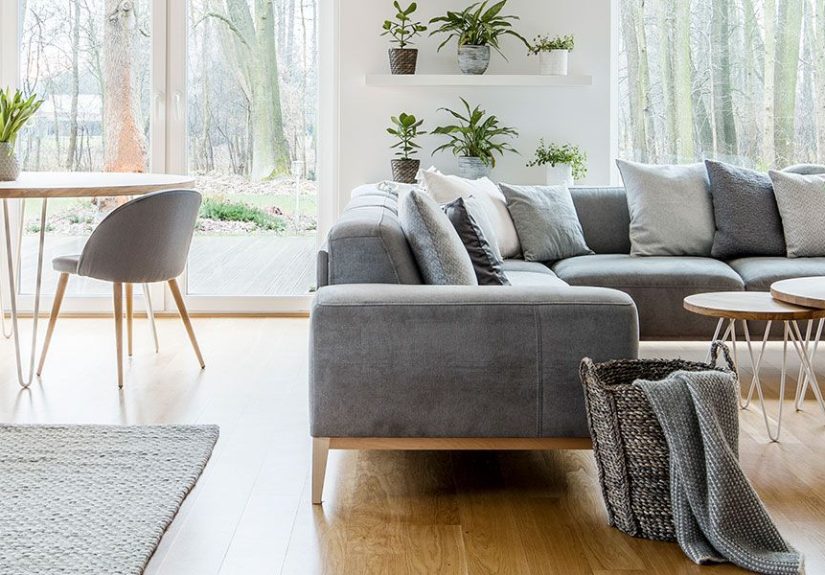
The living room is where many homes accidentally become storage units with a sofa. The first makeover move is often subtraction. Remove what does not belong, then bring in shape, contrast, and texture. Add a rug large enough for the seating area, layer lamps instead of relying on one overhead fixture, and create a focal point with artwork, shelving, or a fireplace wall.
Furniture layout matters too. Pulling furniture away from walls can make a room feel more intentional. Mixing materials such as wood, linen, leather, metal, and woven accents adds depth. And yes, plants help. They are basically décor that also whispers, “I have my life together,” even when you absolutely do not.
Bedroom makeovers
A bedroom makeover should prioritize rest over decoration. Better bedding, softer lighting, blackout treatments, a calmer paint color, and reduced clutter can make the room feel like an actual retreat. A new headboard, a bench at the foot of the bed, or matching bedside lamps can also create a more polished look without overwhelming the space.
If the room feels unfinished, check the scale of your furniture and the amount of visual noise. Bedrooms often improve when they have fewer objects, better textures, and a more restrained palette. You are designing for exhale, not excitement.
Entryway and curb appeal makeovers
First impressions are not everything, but they are definitely not nothing. A home makeover should not ignore the entryway or exterior. Painting the front door, updating exterior lighting, adding house numbers, improving landscaping, refreshing a mailbox, and cleaning up the porch can make a home feel more welcoming immediately.
Inside, the entryway should work like a tiny command center. Add hooks, a bench, baskets, and a tray for keys. This small zone can reduce clutter everywhere else because it catches chaos before it spreads like glitter at a craft party.
Budget-Friendly Home Makeover Strategies
A beautiful makeover does not have to be a luxury event. In fact, some of the best transformations come from restraint. Start by reusing what you can. Paint old furniture. Rehang art in better groupings. Move rugs between rooms. Replace only the worst offenders. Shop your house before you shop the internet.
Focus spending on the changes people notice most: wall color, lighting, textiles, hardware, mirrors, and organization. Peel-and-stick wallpaper, cabinet paint, plug-in sconces, and affordable shelving can create a custom look without a custom budget. The trick is to make fewer, smarter moves instead of buying a pile of trendy filler that looks tired in six months.
It also helps to mix high and low. Splurge where your hand or eye goes every day, such as a faucet, statement light, or durable rug. Save on decorative accessories that can change with time. That balance gives a room personality without making your bank account file a formal complaint.
Energy Efficiency and Long-Term Value
The smartest home makeovers are not just pretty. They are efficient. Better insulation, upgraded windows and doors, high-efficiency appliances, improved ventilation, and modern water heating systems can make a home more comfortable while lowering long-term energy use. You may not show off air sealing to dinner guests, but your utility bill will quietly applaud from the corner.
Resale value matters too, especially if you might move within a few years. Projects tied to curb appeal, minor kitchen updates, entry improvements, flooring refreshes, and practical efficiency upgrades often make more sense than ultra-personal luxury trends. A home should still reflect you, of course. Just maybe not in the form of a neon-purple kitchen with industrial chain swings instead of bar stools.
Common Home Makeover Mistakes to Avoid
Ignoring the room’s fixed elements
Do not choose paint, flooring, or décor in isolation. Cabinets, tile, stone, flooring, and natural light all affect how the final room looks.
Buying everything at once
A room with patience usually looks better than a room built from panic-clicking. Leave space for editing and adjustment.
Following trends too literally
Trends can inspire, but timeless rooms are built around proportion, comfort, and quality. Use trends in accents, not in every major decision.
Skipping storage
A room is never truly finished if it has nowhere to hide the boring stuff. Beauty without storage is just clutter on a deadline.
What a Great Home Makeover Really Feels Like
The best home makeovers do not scream for attention. They quietly improve life. They make mornings smoother, evenings calmer, and weekends more enjoyable. They make a room easier to clean, easier to use, and more pleasant to walk into. A good makeover is not about perfection. It is about alignment between the way a room looks and the way you actually live.
That is why the smartest makeovers often look effortless. Underneath that effortless look is real thinking: smart color choices, layered lighting, functional storage, durable materials, and a few personality-driven details that keep the room from feeling generic. Good design is not about impressing strangers on the internet. It is about making home feel better.
Experiences From Real Home Makeover Journeys
One of the most relatable truths about home makeovers is that they almost never begin with a grand artistic vision. They usually start with irritation. A family gets tired of bumping into each other in a dim kitchen. A homeowner realizes the bathroom mirror lighting makes everyone look like they have just seen a ghost. A couple moves into a house with “good bones” and discovers those bones are apparently wearing orange oak trim and a ceiling fan from another century.
That is what makes makeover experiences so memorable: they are personal. People remember the first paint sample that looked perfect in daylight and terrible at night. They remember the joy of replacing a builder-grade light fixture and suddenly seeing the room look intentional. They remember the tiny victories, like adding a bench and hooks to an entryway and realizing backpacks no longer end up in the middle of the floor like abandoned camping gear.
Many homeowners also discover that the emotional impact of a makeover is bigger than expected. A refreshed bedroom can make the whole house feel calmer. A reorganized kitchen can make cooking feel less like a stressful group project. A lighter wall color can make a formerly gloomy room feel open, hopeful, and strangely more expensive, even when the budget stayed modest. These changes sound small until you live with them every day.
There are, of course, humbling moments too. Almost everyone who has tackled a home makeover has a story involving incorrect measurements, delayed deliveries, missing hardware, or a color that looked “soft mushroom” online and “wet cardboard” on the wall. But those setbacks often lead to better decisions. People become more careful about sampling paint, checking undertones, testing lighting, and choosing function over impulse.
Another common experience is learning that the rooms with the biggest impact are not always the largest ones. A laundry room makeover with better storage and brighter lighting can feel oddly thrilling. A powder room can become the unexpected star of the house with wallpaper, a better mirror, and one excellent light fixture. Even a front porch, once cleaned up and styled with lighting, seating, and planters, can change how a homeowner feels every time they pull into the driveway.
Perhaps the best part of a home makeover is the shift from frustration to pride. The space starts to reflect the people who live there instead of the people who built it, flipped it, or decorated it fifteen years ago. That is the real magic. Not the dramatic before-and-after photos, though those are fun. It is the moment when someone walks into the room, sets down their coffee, and thinks, “Yes. This finally feels right.”
And that is why home makeovers remain so compelling. They are not just design projects. They are quality-of-life upgrades disguised as paint, lighting, storage, and furniture rearranging. They help people reclaim rooms that once felt awkward, dated, dark, or simply uninspiring. When done well, a makeover does not just change a house. It changes the experience of being home.
Conclusion
Home makeovers work best when they combine style with strategy. Fresh paint, layered lighting, better storage, updated fixtures, curb appeal improvements, and thoughtful room planning can create dramatic changes without forcing a full-scale renovation. The goal is not to chase every trend. It is to create a home that looks better, functions better, and feels better every day. Whether you are working with a modest budget or a larger remodel plan, the smartest updates are the ones that solve real problems while giving your space warmth, personality, and staying power.