Table of Contents >> Show >> Hide
- What’s the Verdict?
- 5 Seafood Experts Answer the Question
- 1. The Food Safety Expert: “Don’t confuse rinsing with sanitizing.”
- 2. The FDA-Style Safe-Handling Expert: “Focus on separation, not the faucet.”
- 3. The Seafood Handling Specialist: “A quick rinse is about grit, not germs.”
- 4. The Freshness Expert: “What matters most is how the shrimp looks, smells, and is stored.”
- 5. The Home Cooking Expert: “Pat dry for better cooking results.”
- When Might You Rinse Shrimp?
- How to Prep Shrimp the Safe Way
- Common Myths About Washing Shrimp
- So, Should You Wash Shrimp Before Cooking?
- Kitchen Experiences: What People Learn the Hard Way About Washing Shrimp
- Conclusion
Shrimp is the overachiever of the seafood world. It cooks fast, tastes great, and somehow manages to star in everything from tacos to pasta to fancy “I definitely meant to make this look elegant” dinner parties. But before the shrimp hits the skillet, one question pops up in kitchens everywhere: Should you wash shrimp?
The short answer? Usually, nonot as a food-safety step. If you rinse raw shrimp under running water, you may do more splashing than cleaning. And in food safety, splashy is not a compliment. What matters far more is how you handle, store, thaw, and cook shrimp.
That said, the full answer is a little more nuanced than a dramatic all-caps “NEVER.” Sometimes a quick rinse is used to remove grit, bits of shell, or residue after peeling and deveining. The key is understanding the difference between cleaning for quality and mistakenly thinking washing makes shrimp safer.
So let’s settle the shrimp debate once and for all. Here’s what five expert-backed perspectives say about whether you should wash shrimp, when a rinse makes sense, and how to prep it the smart way.
What’s the Verdict?
In most cases, you do not need to wash shrimp before cooking. Washing raw shrimp does not kill bacteria. Cooking does. In fact, rinsing can increase the chance of cross-contamination if water droplets spread raw seafood juices to your sink, faucet, counters, dish rack, or that innocent sponge that was just sitting there minding its own business.
If your shrimp is already peeled, deveined, and packaged, the best move is usually to pat it dry with paper towels and season it. If it still has visible grit, broken shell pieces, or vein residue, a very brief rinse may help with texture and cleanlinessbut it should be done carefully, with minimal splashing, followed by immediate sink and surface cleanup.
5 Seafood Experts Answer the Question
1. The Food Safety Expert: “Don’t confuse rinsing with sanitizing.”
Food safety guidance in the U.S. is pretty consistent on this point: washing raw animal proteins is not recommended as a safety measure. The reason is simple. Water doesn’t sterilize shrimp. It does, however, create tiny droplets that can carry germs to nearby surfaces. That means a rinse meant to “clean” shrimp can actually make your kitchen dirtier.
So if you’re washing shrimp because you think it removes harmful bacteria, that’s the wrong goal. The real germ-killer is proper cooking. Shrimp is considered done when the flesh turns firm and opaque. If you’re using general seafood temperature guidance, most seafood is cooked to a safe internal temperature of 145°F, though shrimp is often judged by texture and appearance because it cooks so quickly.
2. The FDA-Style Safe-Handling Expert: “Focus on separation, not the faucet.”
If you want safer shrimp, don’t march it to the sink firststart by preventing cross-contamination. Keep raw shrimp separate from produce, fruit, bread, salad ingredients, and anything else you plan to eat without further cooking. Use a dedicated cutting board for seafood if possible, or wash your prep tools thoroughly with hot, soapy water between tasks.
This also means no placing cooked shrimp back onto the same plate that held it raw. That plate is retired from active duty until it has been washed. The same goes for marinades: if a marinade has touched raw shrimp, it should not be used as a sauce unless you boil it first.
3. The Seafood Handling Specialist: “A quick rinse is about grit, not germs.”
Here’s where the conversation gets more practical. Some seafood handling resources allow for rinsing in certain situationsespecially when dealing with whole shrimp, head-on shrimp, or shrimp you are prepping for freezing. Why? Because sometimes you’re trying to remove physical debris, not “wash away” safety risks.
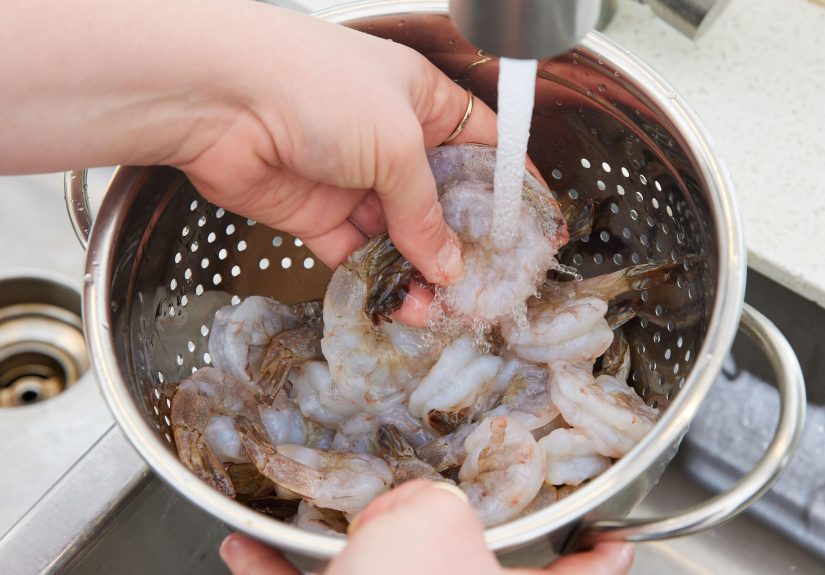
If you peel and devein shrimp and notice little shell fragments or a sandy feel, a brief rinse under cold water can improve the final dish. Nobody wants shrimp scampi with a surprise crunch that isn’t garlic. But keep it short and controlled. Don’t blast the shrimp with a high-pressure spray like you’re cleaning patio furniture.
The best way to do it is to rinse gently in a bowl or under low-running cold water, then pat the shrimp dry immediately. Afterward, wash the sink and any nearby surfaces with hot, soapy water.
4. The Freshness Expert: “What matters most is how the shrimp looks, smells, and is stored.”
One of the biggest mistakes home cooks make is obsessing over rinsing while ignoring the signs that actually matter. Fresh raw shrimp should smell mild, not sour, fishy, or ammonia-like. The flesh should be firm, not mushy. If the shrimp looks slimy, smells off, or has obvious quality deterioration, no rinse in the world is going to save dinner.
Storage matters just as much. Shrimp should stay cold from the moment you buy it until the moment you cook it. Refrigerate it promptly at 40°F or below, and if you’re not using it within a day or two, freeze it. If you thaw frozen shrimp, do it overnight in the refrigerator, or thaw it quickly in a sealed bag submerged in cold water. Avoid thawing shrimp at room temperature unless your goal is to audition for a food safety cautionary tale.
5. The Home Cooking Expert: “Pat dry for better cooking results.”
Even if safety weren’t part of the conversation, there’s a culinary reason not to wash shrimp right before cooking: wet shrimp doesn’t sear well. If you want nicely browned shrimp with a little caramelization, surface moisture is your enemy. Too much water means steaming instead of searing, and steaming is how you end up with pale, slightly sad shrimp that tastes fine but looks like it needs a pep talk.
Patting shrimp dry with paper towels helps seasoning stick, improves browning, and keeps your pan from getting watery. So if your shrimp already looks clean, skip the rinse and go straight to drying, seasoning, and cooking.
When Might You Rinse Shrimp?
There are a few situations where a quick rinse may be reasonable:
- There’s visible grit or sand, especially with shell-on shrimp.
- You just peeled and deveined it and want to remove shell fragments or vein residue.
- You are prepping shrimp for freezing and following a preservation method that includes washing and draining first.
- The shrimp came from a very fresh, whole form and needs a little physical cleanup before cooking.
But even in those cases, remember this: rinsing is for cleanliness and texture, not for making shrimp microbiologically safe. That job belongs to refrigeration, sanitation, and heat.
How to Prep Shrimp the Safe Way
Buy Smart
Choose shrimp that smells fresh and mild. If buying frozen shrimp, make sure the package is solidly frozen and not coated in excessive frost, which can hint at temperature fluctuations. If buying fresh shrimp, keep it cold and get it home quickly.
Store It Cold
Raw shrimp should go into the refrigerator as soon as possible. If it will be cooked within one to two days, refrigeration is fine. For longer storage, freeze it. Keep it well wrapped, and make sure raw seafood juices do not drip onto ready-to-eat foods.
Thaw It Safely
The refrigerator is the gold standard. If you need speed, place the shrimp in a sealed bag and submerge it in cold water. Change the water as needed to keep it cold. Avoid the countertop thaw, which gives bacteria the kind of warm welcome they do not deserve.
Keep It Separate
Use separate utensils, plates, and cutting boards for raw and cooked foods. Wash your hands with soap and water before and after handling raw shrimp. This step is far less glamorous than a lemon-butter sauce, but it’s much more important.
Cook It Properly
Shrimp cooks fast. Watch for firm, opaque flesh and a pink exterior, depending on the variety. Overcooking turns shrimp rubbery, while undercooking is a bad trade for a slightly juicier bite. In other words, aim for cookednot chewy, not translucent, and definitely not “maybe it’s fine.”
Common Myths About Washing Shrimp
Myth 1: “Washing removes bacteria.”
Not reliably. Water can remove surface residue, but it does not make raw shrimp safe to eat. Cooking is what handles the real risk.
Myth 2: “If I use vinegar or lemon juice, it’s basically sanitized.”
Acidic ingredients can change flavor and may affect the surface slightly, but they are not a dependable substitute for proper cooking and safe handling. Shrimp ceviche may taste bright and refreshing, but “bright and refreshing” is not the same thing as pasteurized.
Myth 3: “If I don’t wash shrimp, it’s dirty.”
Not necessarily. Packaged shrimp is often already processed and ready for cooking. If there’s no visible grit or residue, drying and cooking it is usually enough.
So, Should You Wash Shrimp Before Cooking?
Usually, no. If your shrimp looks clean, skip the rinse. Pat it dry, keep your prep area sanitary, and cook it properly. That approach is safer and usually gives you better texture, too.
Sometimes, yesbut only briefly and for quality reasons. If there’s grit, shell bits, or residue after cleaning, a quick low-splash rinse can be useful. Just don’t mistake that rinse for a food-safety solution, and clean your sink and tools immediately afterward.
In other words, the smartest shrimp-prep strategy is not “wash everything just in case.” It’s “handle everything correctly on purpose.” Which is less dramatic, surebut dramatically better for dinner.
Kitchen Experiences: What People Learn the Hard Way About Washing Shrimp
Talk to enough home cooks and you’ll notice a pattern: people who wash shrimp often do it because it feels more careful. It feels responsible. It feels like one of those invisible kitchen rules passed down from a parent, a grandparent, or that one relative who judges your knife skills and your life choices in the same sentence. But experience has a funny way of editing old habits.
One common experience is the “why is my stovetop wet?” moment. Someone rinses shrimp in a colander, gives it a vigorous shake, and suddenly the sink, faucet, backsplash, and half the counter are damp. The shrimp may look cleaner, but the kitchen now looks like it hosted a very tiny water park. That’s when people start realizing the rinse created more mess than benefit.
Another familiar lesson comes from cooking results. Plenty of home cooks notice that freshly rinsed shrimp tends to steam in the pan. Instead of getting that beautiful quick sear, the shrimp releases moisture, the pan hisses dramatically, and dinner ends up pale rather than golden. The flavor is still okay, but the texture is softer and the surface doesn’t brown as well. After one or two side-by-side tests, many cooks switch to patting shrimp dry instead of rinsing it.
Then there’s the grit problem, which is probably why the debate never fully disappears. If someone buys shell-on shrimp, peels it, and finds a stray shell piece or a bit of vein residue, a careful rinse can genuinely help. In that situation, the rinse feels practical rather than ritualistic. Experienced cooks often land in the middle: don’t rinse packaged shrimp by default, but do use a brief cleanup rinse when the shrimp actually needs physical cleaning.
People also learn that the bigger issue is usually not the rinse itself but everything around it. Did you wash your hands after touching the raw shrimp? Did the bag drip onto produce in the refrigerator? Did you put cooked shrimp back on the same plate that held it raw? Those are the moments that matter more than whether the shrimp spent five seconds under cold water.
And perhaps the most relatable experience of all is the confidence shift. Once cooks understand that food safety is really about temperature, separation, and sanitation, they stop relying on “just in case” habits. They stop treating the faucet like a magic wand. They thaw shrimp correctly, dry it well, cook it fast, and end up with better shrimp and less cleanup. That’s the kind of kitchen wisdom nobody puts on a fridge magnet, but honestly, they should.
Conclusion
If you’ve been washing shrimp out of habit, don’t panicyou’re not alone, and your shrimp has not been personally offended. But the best expert-backed answer is simple: skip the rinse unless there’s an actual quality reason to do it. If you need to remove grit or shell fragments, rinse briefly and carefully. Otherwise, focus on what really matters: cold storage, safe thawing, clean hands, separate tools, and proper cooking.
That approach protects your kitchen, improves your shrimp’s texture, and saves you from the false comfort of a splashy routine that doesn’t do what many people think it does. So the next time you pull out a bag of shrimp, remember: the real secret isn’t washingit’s handling shrimp like you know exactly what you’re doing. Even if you’re still Googling with one hand and holding a skillet with the other.