Table of Contents >> Show >> Hide
- What Is Cumin?
- Can You Grow Cumin at Home?
- Best Growing Conditions for Cumin
- When to Plant Cumin
- How to Plant Cumin Seeds
- Growing Cumin in Containers
- How to Care for Cumin Plants
- Common Cumin Problems
- When and How to Harvest Cumin
- How to Store Homegrown Cumin Seeds
- How Much Cumin Can One Plant Produce?
- Best Companion Planting Ideas for Cumin
- Practical Experience: Lessons from Growing Cumin at Home
- Conclusion
- SEO Tags
Cumin may look like a humble pantry spice, but the plant behind those warm, earthy seeds is surprisingly elegant. Known botanically as Cuminum cyminum, cumin is an annual herb in the parsley family, the same broad plant family that includes dill, fennel, cilantro, and caraway. It grows feathery foliage, small white or pink flowers, and eventually the tiny ridged seeds that make chili, curry, taco seasoning, roasted vegetables, lentils, and rice dishes taste like they have their life together.
Growing cumin at home is not difficult in the way that assembling furniture with missing screws is difficult. It is difficult in the way a picky houseguest is difficult: cumin wants the right temperature, the right drainage, plenty of sun, and enough time to finish its seed cycle. Give it a long warm season, keep its feet out of soggy soil, and you can harvest your own cumin seeds from a backyard bed, raised bed, or container garden.
This guide explains how to grow cumin from seed, when to plant it, how to care for it, when to harvest cumin seeds, and what real-world mistakes to avoid. Whether you are a herb-garden beginner or a spice lover who wants to brag gently over dinner, cumin is a rewarding plant to try.
What Is Cumin?
Cumin is a warm-season annual grown mainly for its seeds. Unlike basil or mint, which gardeners harvest for leaves, cumin is usually allowed to flower, set seed, dry down, and complete its life cycle. The edible “seeds” are technically small fruits, but in the kitchen and garden world, everyone calls them seeds, and no one at the dinner table needs a botany lecture unless the soup is very boring.
The plant stays fairly compact, often reaching about 6 to 12 inches tall, though it may stretch a bit more in ideal conditions. Its delicate leaves look airy and fine-textured, while its flowers form small umbrella-like clusters called umbels. Once pollinated, those flowers develop the aromatic seeds used whole or ground.
Cumin is especially valued in Indian, Middle Eastern, Mexican, North African, and Southwestern cooking. Freshly harvested and toasted cumin seeds have a deeper, nuttier aroma than many store-bought jars that have been waiting quietly in a cabinet since your last ambitious taco night.
Can You Grow Cumin at Home?
Yes, you can grow cumin at home, but success depends heavily on climate and timing. Cumin needs a long, warm, frost-free growing season, often around 120 days from planting to harvest. Gardeners in warm regions usually have the easiest time growing it outdoors. In cooler climates, cumin can still be grown, but it may need an early indoor start, a sunny protected spot, or container culture so the plant can be moved when weather misbehaves.
Cumin does not like cold temperatures, wet soil, heavy clay, or constant humidity. It also has somewhat delicate stems that may flop after heavy rain or wind. That sounds dramatic, but the plant is not hopeless. It simply rewards gardeners who plan ahead instead of tossing seeds into a muddy corner and hoping for spice miracles.
Best Growing Conditions for Cumin
Sunlight
Cumin grows best in full sun. Aim for at least 6 hours of direct sunlight each day, with 8 hours being even better in many gardens. Sunlight helps the plant grow strong and supports the development of flavorful seeds. A south-facing garden bed, open raised bed, sunny patio, or bright balcony can work well.
Temperature
Cumin is frost-tender and should not be planted outdoors until the danger of frost has passed. Warm soil and steady nighttime temperatures are important. Many gardeners start cumin indoors before the last frost, then move it outside once temperatures are reliably mild. If nights are still chilly, wait. Cumin is not impressed by your optimism.
Soil
The best soil for cumin is loose, well-drained, and moderately fertile. Sandy loam is ideal because it drains quickly while still holding enough moisture for young seedlings. A near-neutral to slightly alkaline soil works well. Avoid heavy clay or soggy low spots, because wet roots can lead to disease and weak growth.
If your native soil is dense, consider planting cumin in a raised bed or container filled with a quality potting mix. Adding compost can improve soil structure, but do not overdo fertilizer. Like many herbs, cumin can suffer in overly rich soil, producing lush growth at the expense of strong flavor and healthy seed production.
Water
Cumin needs consistent moisture during germination and early growth, but mature plants prefer soil that dries slightly between waterings. The goal is evenly moist, not swampy. Once plants are established, water deeply when the top inch or two of soil feels dry. Containers may dry faster than garden beds, so check them more often during hot weather.
When to Plant Cumin
The best time to plant cumin depends on your climate. In warm regions with long summers, you can direct sow cumin seeds outdoors 1 to 2 weeks after the last frost, once nights are mild and the soil has warmed. In cooler regions, start seeds indoors 4 to 8 weeks before your average last frost date to give the plants a head start.
Because cumin dislikes transplant shock, use biodegradable pots if starting indoors. These allow you to plant the entire pot into the garden with less root disturbance. If you use plastic trays, transplant carefully while seedlings are still young and avoid rough handling.
How to Plant Cumin Seeds
Step 1: Soak the Seeds
Soaking cumin seeds for about 8 hours before planting can help improve germination. Place the seeds in room-temperature water, let them soak, then drain them before sowing. Do not leave them floating for days like tiny spice submarines. A short soak is enough.
Step 2: Prepare the Soil
Choose a sunny site with well-drained soil. Loosen the top several inches and remove weeds, rocks, and debris. If the soil is compacted, mix in compost to improve texture. For containers, use a lightweight potting mix and make sure the pot has drainage holes.
Step 3: Sow at the Right Depth
Plant cumin seeds about 1/4 inch deep. Some growers sow several seeds together in small groups because germination can be uneven. Space seed groups about 4 to 8 inches apart. If planting in rows, leave about 12 to 24 inches between rows so you can weed, water, and harvest easily.
Step 4: Keep Moist Until Germination
After sowing, water gently so the seeds stay in place. Keep the soil lightly moist until seedlings emerge, usually within 7 to 14 days under warm conditions. Avoid blasting the bed with a harsh hose spray, which can move seeds around and turn your neat planting into cumin confetti.
Step 5: Thin the Seedlings
When seedlings reach about 2 inches tall, thin them to one strong plant every 4 to 8 inches. Good spacing improves airflow and helps reduce disease. If plants are crowded, they may grow weak and compete for light, water, and nutrients.
Growing Cumin in Containers
Cumin is a good candidate for container growing because it stays compact. A pot at least 6 to 8 inches deep can work for a few plants, while larger containers allow better root growth and more stable moisture. Choose a container with drainage holes and fill it with a well-draining potting mix.
Place the pot in full sun. If you live in a region with cool nights, windy spring weather, or surprise storms, containers give you flexibility. You can move the plants to a protected spot when needed. This is especially helpful because cumin stems can be delicate, and heavy rain or wind may cause lodging, which means the plant flops over. Lodging does not always ruin the harvest, but upright plants are easier to manage.
Container cumin may need more frequent watering than garden-grown cumin, but the same rule applies: do not keep the soil constantly wet. Let the surface dry slightly, then water thoroughly.
How to Care for Cumin Plants
Water Carefully
During the first few weeks, cumin seedlings need steady moisture. Once established, they prefer moderate watering. Overwatering is one of the most common mistakes because it encourages fungal problems and weak roots. If the plant looks limp but the soil is wet, do not add more water. Check drainage first.
Fertilize Lightly
Cumin does not need heavy feeding. A modest amount of compost before planting is usually enough in decent garden soil. If plants look pale or stunted, a diluted organic fertilizer may help, but avoid high-nitrogen feeding. Too much nitrogen can push leafy growth instead of seed development.
Weed Early and Often
Cumin seedlings are small and slow compared with aggressive weeds. Keep the bed weed-free, especially during early growth. Pull weeds by hand so you do not disturb cumin roots. A light mulch can help conserve moisture and reduce weeds, but keep mulch away from the plant crown to prevent excess dampness.
Protect from Wind and Heavy Rain
Cumin has fine stems and may lean or fall after storms. Planting close enough for plants to support one another can help. You can also grow cumin near a low windbreak, such as a fence, herb border, or row cover support. Avoid deep shade, though; protection should not come at the cost of sunlight.
Common Cumin Problems
Poor Germination
If cumin seeds fail to sprout, the soil may be too cold, too dry, too wet, or the seeds may be old. Use fresh seed, soak it before planting, and keep the soil warm and lightly moist. Indoors, bottom heat can improve germination.
Floppy Plants
Cumin plants may flop because of wind, rain, weak light, or overly rich soil. Grow them in full sun, avoid excess fertilizer, and plant them close enough to support one another. If they lean late in the season while seed heads are forming, do not panic. The seeds may still mature.
Yellowing Leaves
Yellow leaves can come from overwatering, poor drainage, nutrient stress, or natural aging near harvest. Check soil moisture first. If the plant is close to seed maturity and the foliage is drying down, that may be normal.
Pests
Aphids can attack tender cumin growth and flowers. A strong but gentle spray of water may remove small populations. Encourage beneficial insects by planting flowers nearby, and avoid broad insecticide use unless absolutely necessary and labeled for edible crops.
Diseases
Cumin may be affected by fungal diseases such as fusarium wilt, alternaria blight, or powdery mildew, especially in damp or poorly ventilated conditions. Prevent problems by using clean seed, rotating crops, spacing plants properly, watering at soil level, and avoiding wet foliage late in the day.
When and How to Harvest Cumin
Cumin is ready to harvest when the seed clusters turn brown or dark tan, the seeds look plump, and the foliage begins to dry back. This usually happens late in the growing season after the plant flowers and completes seed development. Do not harvest too early, or the seeds may lack full flavor and may not store well.
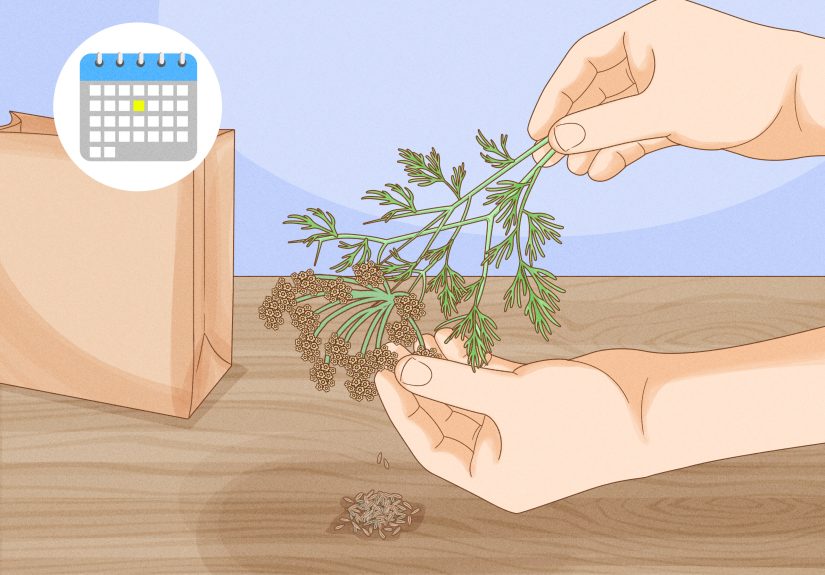
To harvest cumin, cut stems close to the ground once the seed heads are dry. Place the stems upside down in a paper bag and hang them in a warm, dry, well-ventilated area. The bag catches seeds as they drop. After the clusters are fully dry, shake or rub the seed heads to release the seeds.
Next, separate the seeds from chaff. You can do this by hand for a small harvest. Spread the seeds on a tray for a few extra days to make sure they are completely dry before storing. Moist seeds can mold, and moldy cumin is nobody’s dream spice.
How to Store Homegrown Cumin Seeds
Store dry cumin seeds in an airtight jar or labeled container in a cool, dark, dry place. Whole seeds hold flavor longer than ground cumin, so grind small amounts as needed. For the best flavor, toast whole cumin seeds briefly in a dry skillet before grinding. The aroma should turn warm and nutty, not smoky and burnt. If the seeds smell like regret, you toasted them too long.
Label your jar with the harvest date. Homegrown cumin can be used in spice blends, soups, stews, roasted vegetables, rice dishes, curries, chili, marinades, and homemade taco seasoning.
How Much Cumin Can One Plant Produce?
One cumin plant does not produce a mountain of spice. Each plant forms a limited number of seed clusters, so you need several plants for a practical kitchen harvest. For casual home use, a container or small bed can still be worthwhile because the flavor of freshly harvested cumin is excellent. If your goal is to replace every jar of cumin in your pantry, plant generously.
Best Companion Planting Ideas for Cumin
Cumin can fit nicely into an herb garden with other sun-loving plants. Because it belongs to the carrot family, its small flowers may attract beneficial insects when in bloom. Consider growing it near herbs and flowers that support pollinators, such as dill, cilantro, calendula, alyssum, or basil. Just avoid crowding it with large, leafy plants that steal sunlight and airflow.
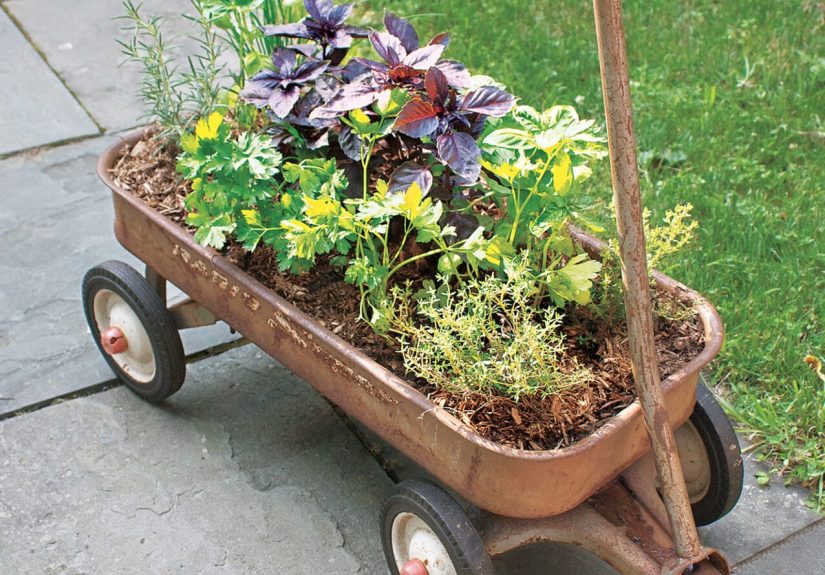
In containers, cumin pairs best with plants that like similar warm, sunny, well-drained conditions. However, because cumin is grown for seed and has a specific harvest schedule, many gardeners prefer giving it its own pot.
Practical Experience: Lessons from Growing Cumin at Home
The first lesson of growing cumin is that it teaches patience with a tiny smirk. Many herbs give quick rewards. Basil offers leaves early. Mint grows like it has a real estate license and wants to occupy the whole yard. Cumin, however, asks you to wait for the full story: seed, seedling, flowers, drying seed heads, harvest, curing, and finally the spice jar.
One practical experience that helps a lot is starting with more plants than you think you need. A few cumin plants are fun, but they will not produce much seed. If you want enough cumin to cook with more than once or twice, plant a small patch rather than a lonely specimen. A single cumin plant in a pot is charming, but a group of plants gives you better odds of pollination, easier support against wind, and a more satisfying harvest.
Another real-world tip is to respect drainage from the beginning. Gardeners often focus on sunlight and forget that cumin hates wet feet. If your soil stays muddy after rain, use a raised bed or container. In my experience, cumin behaves better in a loose potting mix than in heavy garden soil that has been “improved” with wishful thinking. Compost helps, but drainage matters more than richness.
Watering is where many beginners go wrong. Young cumin seedlings should not dry out completely, but mature plants should not be babied with daily soaking. A good habit is to check the soil with your finger. If the top inch feels dry, water deeply. If it still feels damp, leave it alone. This simple check prevents the two great tragedies of herb gardening: crispy seedlings and soggy roots.
Wind protection is also more important than many guides make it sound. Cumin stems are slender, and once flowers and seeds form, plants can become top-heavy. A summer thunderstorm can flatten them like a bad haircut. Planting cumin in a group helps the stems lean on one another. A low, open support or a protected patio corner can also make a big difference. The goal is not to trap humidity, but to reduce the worst gusts.
Harvest timing takes observation. Do not rush when the flowers fade. Wait until seed heads brown and the plant begins to dry. At the same time, do not wait so long that seeds drop all over the ground. A paper bag is your best friend at harvest. Cut the stems, place the seed heads inside the bag, and hang them upside down. As the plant dries, the seeds fall into the bag instead of disappearing into the mulch like tiny escape artists.
The final experience-based lesson is to taste the difference. After drying the seeds fully, toast a spoonful in a dry skillet for a short time, then grind them. The fragrance is richer than most pre-ground cumin. That moment is the payoff. You remember the careful watering, the waiting, the almost-too-small seedlings, and the paper bag hanging in the corner. Suddenly, the plant makes sense. Cumin is not the fastest herb in the garden, but it is one of the most satisfying because it turns a small patch of sunshine into a spice you can actually use.
Conclusion
Learning how to grow cumin is all about matching the plant to the right conditions. Give it full sun, warm temperatures, loose well-drained soil, careful watering, and enough frost-free time to mature. Start seeds indoors in short-season climates, direct sow in warm regions, thin seedlings for airflow, and harvest once seed heads turn brown and dry.
Cumin may not be as effortless as mint or as fast as cilantro, but it offers something special: the chance to grow a true pantry spice from start to finish. With planning and patience, your garden can produce aromatic cumin seeds that bring homemade flavor to everyday cooking. And yes, it is perfectly acceptable to casually mention at dinner that you grew the cumin yourself. That is not bragging. That is seasoning with confidence.
Note: This article is intended for home gardening education. Local climate, soil type, and seasonal weather can affect cumin growth, so gardeners should adjust planting dates and watering practices based on their region.